Import Fire Trucks from China Guide for Buyers
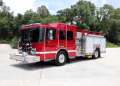
If you’re in the market for a new fire truck, importing one from China has likely crossed your mind. It’s a significant decision that can offer substantial cost savings and access to a wide range of modern, customizable vehicles. However, navigating the international procurement process can be daunting. This comprehensive guide is designed to walk you through every step, from initial research to final delivery, ensuring you make an informed and confident purchase. We’ll cover the key advantages, critical considerations, and practical steps to successfully import fire trucks from China.
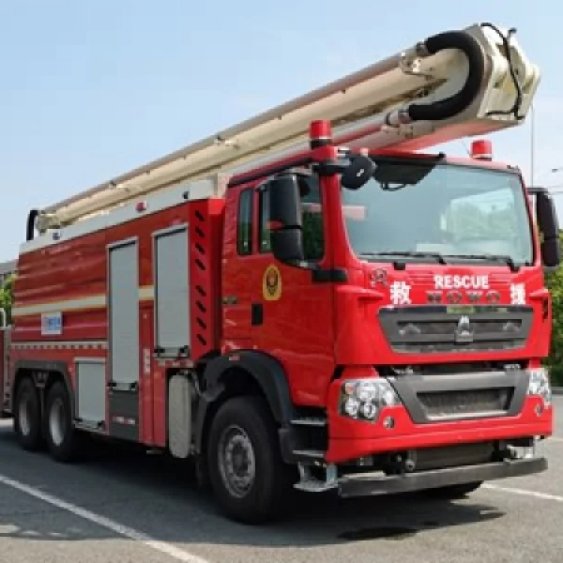
Why Consider Sourcing Fire Apparatus from China?
For decades, North American and European manufacturers dominated the fire apparatus market. Today, Chinese manufacturers have emerged as serious global contenders. The primary driver is cost-effectiveness. Without the same overheads as Western brands, Chinese factories can produce robust, fully-featured fire trucks at a fraction of the price. This isn’t just about cutting corners; it’s about value engineering and efficient manufacturing scales.
Beyond price, customization is a major advantage. Many Chinese suppliers operate on a build-to-order model. Whether you need a compact urban interface truck, a heavy-duty aerial ladder, or a specialized foam tender, workshops are often more flexible in accommodating specific chassis, pump, tank, and compartment layout requests compared to the rigid production lines of some established Western brands. Furthermore, the technology gap has narrowed significantly. Leading Chinese fire truck factories now integrate components from globally recognized suppliers like Cummins engines, Allison transmissions, and Hale or Rosenbauer pumps, ensuring performance and reliability that meets international standards.
Key Steps in the Import Process
Importing a fire truck is a project, not a simple purchase. Breaking it down into clear phases makes it manageable.
Phase 1: Research and Supplier Selection
This is the most critical phase. Start by identifying reputable manufacturers. Look for companies with a long history, significant export experience to your region, and verifiable certifications (ISO, NFPA compliance statements, etc.). A deep-dive into their website, like reviewing the extensive portfolio at Chinese Truck Factory, can give you insights into their capabilities. Don’t just browse catalogs; request detailed specifications sheets and past project lists.
Actionable Tip: Always request a video call and a virtual factory tour. Ask to speak with their engineering or project management team. A trustworthy supplier will be transparent. Check for independent reviews or ask for references from previous buyers in your country.
Phase 2: Specifications, Quotation, and Contract
Once you’ve shortlisted 2-3 suppliers, provide them with your detailed specifications. Be as precise as possible: chassis type and brand preference, pump flow rate and pressure, water/foam tank capacity, hose bed configuration, lighting/siren requirements, and compartment dimensions.
You will receive a formal quotation. Scrutinize it. What’s included in the FOB (Free On Board) price? What are the ex-factory costs versus shipping, insurance, and import duties? The contract is your safeguard. It must detail every specification, payment terms (typically a 30% deposit, 60% before shipment, 10% after acceptance), warranty provisions, delivery timeline, and protocols for handling defects or delays. Having a legal professional review the contract is a wise investment.
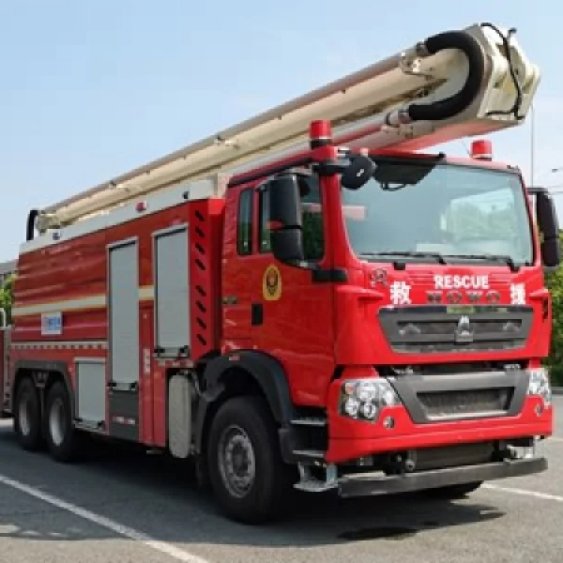
Phase 3: Production, Inspection, and Shipping
During the 3-6 month production period, maintain regular communication. Request progress photos and videos. The most crucial step is the pre-shipment inspection. Hiring an independent third-party inspection company (like SGS or Bureau Veritas) to conduct a factory acceptance test is non-negotiable. They will check build quality against the spec sheet, test the pump and systems, and ensure compliance before the truck leaves the factory.
Your supplier will typically handle export documentation and arrange freight to your chosen port. You will need a reliable customs broker in your country to handle import clearance, duties, and final over-the-road delivery to your station.
Critical Considerations Before You Commit
Understanding Standards and Compliance
This is the #1 concern for buyers. Does the truck meet your local regulations? In the United States, this primarily means NFPA (National Fire Protection Association) standards. Many Chinese manufacturers build trucks to NFPA 1901 (Standard for Automotive Fire Apparatus) and can provide documentation. However, the ultimate responsibility for compliance lies with the purchasing authority. For other regions, CE marking (for Europe) or other local certifications are required. Never assume compliance; verify and document everything.
Total Cost of Ownership (TCO) Analysis
The sticker price is tempting, but consider the long-term picture. Factor in:
- Shipping & Insurance: Ocean freight for a fire truck can cost thousands.
- Import Duties & Taxes: Vary significantly by country. Consult your broker.
- Modifications & Final Assembly: Some components (like radios or specific light heads) may need to be installed locally.
- Parts Availability & Support: This is often the biggest question. Discuss the parts supply chain with your manufacturer. Do they have a U.S./European warehouse? What is the lead time for common parts? Establish a clear support protocol.
Comparing Chinese vs. Domestic Manufacturers
To make an informed decision, a side-by-side comparison is essential. The table below outlines general differentiators.
| Factor | Typical Chinese Manufacturer | Typical North American/European Manufacturer |
|---|---|---|
| Base Purchase Price | Significantly lower (often 30-50% less) | Higher, reflecting brand premium and local labor costs |
| Customization Flexibility | Generally very high, willing to accommodate unique designs | Can be more limited to standard models or options catalogs |
| Lead Time | 3-8 months (can be shorter for standard models) | 12-24+ months is common due to backlog |
| Local Dealer/Service Network | Often limited; may rely on third-party service centers or direct support | Extensive, with dedicated local dealers for service and parts |
| Warranty & Support | Warranty terms vary; support may require coordination with the factory overseas | Comprehensive warranties with local support infrastructure |
| Resale Value | Historically lower, but improving as market perception changes | Generally higher, with established brand recognition |
Expert Insights and Final Recommendations
John Miller, a fleet consultant with over 20 years of experience who has overseen numerous international apparatus purchases, emphasizes due diligence: “The savings are real, but they come with a shift in responsibility. The buyer becomes the project manager. Your success hinges on your contract’s clarity and your willingness to invest in third-party inspections. Don’t view it as just buying a truck; view it as managing a mini-construction project overseas.”
Based on industry experience, here are final recommendations for anyone looking to import a fire truck from China:
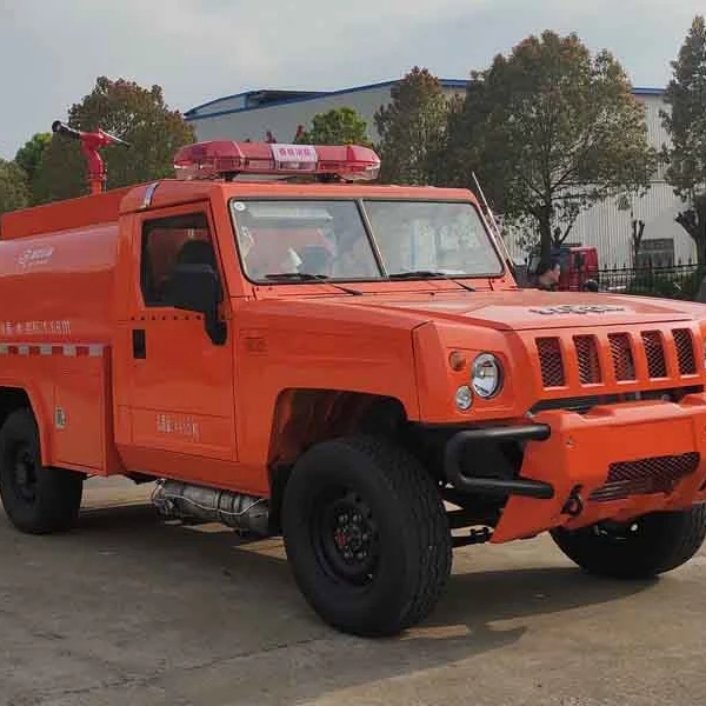
- Start Small: If you’re new to this, consider a support vehicle or a smaller pumper first to build a relationship with a supplier.
- Budget for the Unseen: Add a 10-15% contingency to your total landed cost budget for unexpected expenses.
- Build a Local Support Team First: Line up a trusted mechanic, apparatus technician, and customs broker before the truck arrives.
- Plan for Training: Factor in the cost for factory engineers to travel to your location for commissioning and driver/operator training, or for sending your personnel to China.
- Visit if Possible: If the order is large enough, a pre-contract factory visit is invaluable for assessing capability and building trust.
Frequently Asked Questions (FAQ)
Q: Are Chinese fire trucks reliable and safe?
A: Reliability and safety are a function of design, components, and build quality, not just country of origin. Trucks built with major brand components (Cummins, Allison, etc.) to recognized standards (NFPA, CE) by a reputable factory can be just as reliable and safe as any other. The key is vetting the manufacturer thoroughly and enforcing quality control through independent inspection.
Q: What is the typical warranty on an imported fire apparatus?
A: Warranties vary but commonly range from 1 to 3 years on major components (chassis, pump) and 1 year on workmanship and other systems. Some progressive manufacturers offer longer terms. The specific terms, including what is covered, who performs the labor, and how parts are shipped, must be explicitly detailed in your purchase contract.
Q: How do I handle maintenance and repairs without a local dealer?
A: This requires proactive planning. First, ensure you receive comprehensive manuals in your language. Second, source a local commercial truck or apparatus service center willing to work on the vehicle. Third, establish a clear parts supply agreement with your supplier—ideally with a stock of common wear items held locally or in a regional warehouse. Many parts (filters, brakes, electrical components) are standard global brands and are readily available.
Q: Can I get financing for an imported fire truck?
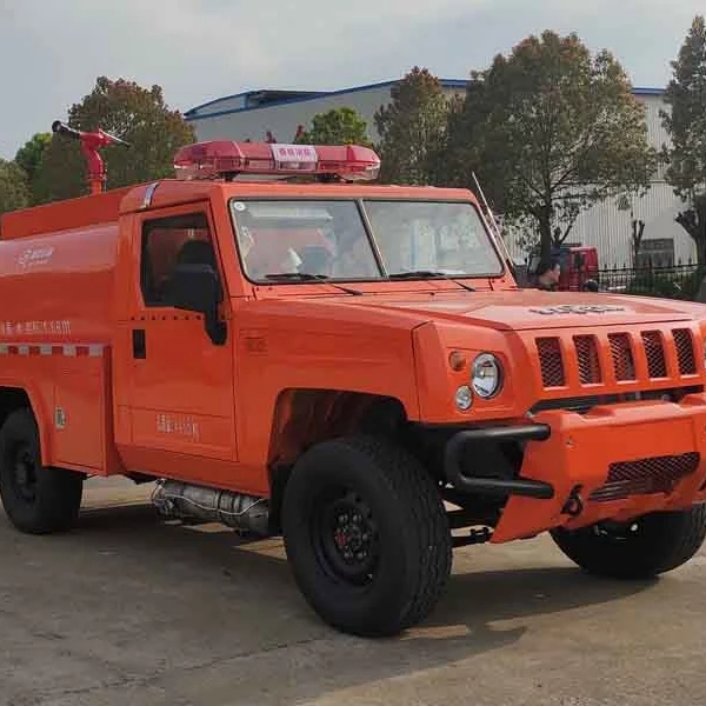
A: Traditional municipal financing or leasing companies may be less familiar with imported apparatus. However, many international banks and some specialized equipment finance companies are experienced in this area. Your chosen supplier may also have relationships with export credit agencies or banks that can facilitate financing. It’s best to explore financing options early in the process.
Q: How long does the entire process take from order to delivery at my station?
A: A realistic timeline is 6 to 10 months. This includes 1-2 months for finalizing specs and contract, 4-6 months for production and inspection, and 1-2 months for ocean shipping and domestic clearance/delivery. Complex customizations or global supply chain delays can extend this. Always build buffer time into your project plan.
Importing a fire truck from China is a viable and increasingly popular strategy for fire departments and agencies seeking to maximize their budget without sacrificing capability. By approaching the process with careful research, clear communication, and robust quality controls, you can acquire a high-quality piece of apparatus that serves your community effectively for years to come. The journey requires more engagement than a domestic purchase, but the potential rewards in value and customization make it a path worth considering.
Sources & Further Reading:
1. NFPA 1901: Standard for Automotive Fire Apparatus. National Fire Protection Association. https://www.nfpa.org/1901
2. U.S. International Trade Commission: “Firefighting Equipment: Global Markets and U.S. Trade”. Provides data on import/export trends. https://www.usitc.gov/
*Note: Specific market analysis reports may require access through library or institutional databases.