Insulated Box Truck Factory Composite Panel Bodies
If you’re in the market for a new insulated box truck, you’ve likely encountered a critical decision point: choosing between a traditional metal body and a modern composite panel body. As someone who has spent a decade evaluating commercial vehicles, I can tell you this choice fundamentally impacts your truck’s durability, efficiency, and total cost of ownership. This article dives deep into the world of the insulated box truck factory specializing in composite panel bodies. We’ll explore why this construction method is becoming the gold standard, break down its advantages with hard data, and provide a clear framework to help you make the best investment for your business. Understanding the manufacturing process and material science behind these units is key to selecting a reliable partner.
Why Composite Panels Are Revolutionizing Insulated Truck Bodies
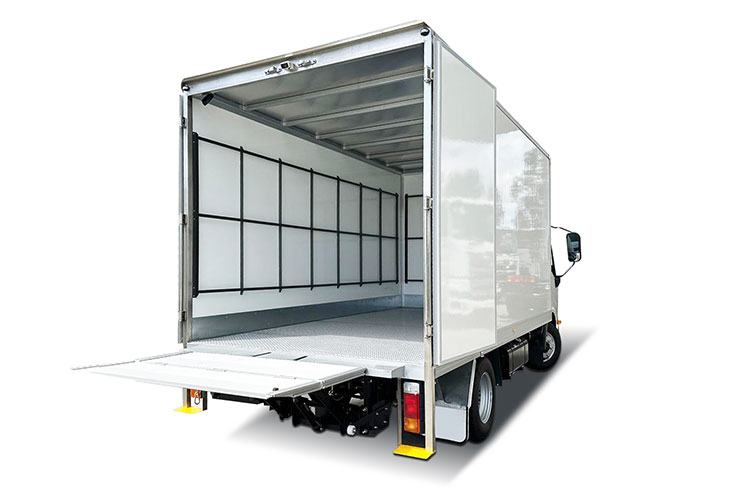
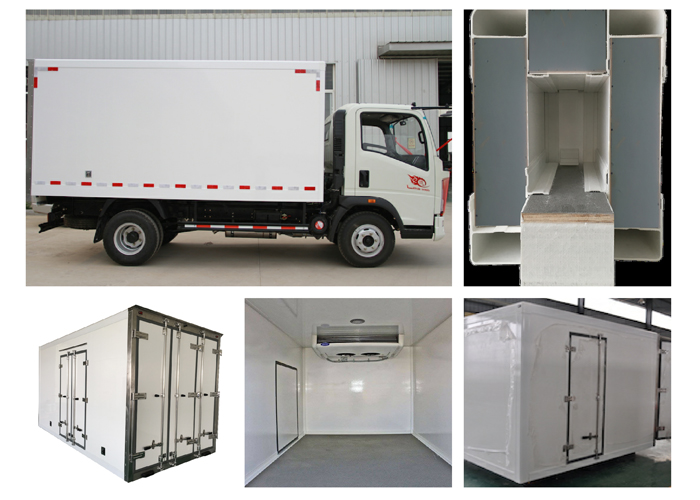
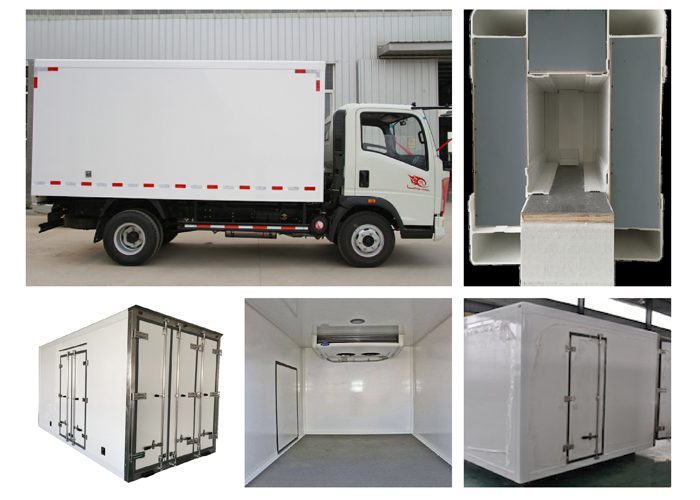
The traditional way to build an insulated box involves an aluminum or steel outer skin, a wooden or metal frame, and blocks of foam insulation fitted in between. It’s a labor-intensive process with inherent weaknesses, particularly at the seams and joints where thermal bridging can occur. A composite panel body, however, is built differently. In a specialized insulated box truck factory, these panels are created by fusing a high-strength outer skin (often fiberglass-reinforced plastic or aluminum) and an inner liner to a core of rigid, continuous foam insulation. This creates a single, monolithic unit. The result is a seamless body with no thermal gaps, superior strength-to-weight ratio, and impressive durability against corrosion and impact.
Key Advantages of the Composite Panel Construction
Let’s get specific about what this modern build means for you as an operator:
- Unmatched Thermal Efficiency: The continuous foam core (typically polyurethane or polystyrene) provides a consistent R-value, often between R-14 and R-25, across the entire wall. This eliminates cold spots, maintains temperature more effectively, and reduces the strain on your refrigeration unit, leading to fuel savings.
- Lightweight Yet Incredibly Strong: Composite panels offer exceptional structural integrity without the weight of all-steel construction. A lighter truck body means you can carry more payload legally, improve fuel economy, and reduce wear on tires and brakes.
- Exceptional Durability and Low Maintenance: The outer skins are highly resistant to rust, corrosion, and minor dents. The seamless design also prevents water ingress, which is a common cause of rot and insulation failure in traditional bodies. This translates to lower maintenance costs and a longer service life.
- Hygienic and Easy to Clean: The smooth, non-porous interior surfaces are FDA-compliant for food transport and can be easily washed and sanitized, a crucial factor for businesses in food service, pharmaceuticals, or logistics.
Inside an Insulated Box Truck Factory: The Build Process
Visiting a modern insulated box truck factory reveals a high-tech, precise operation. The process for composite panel bodies is more akin to aerospace manufacturing than old-school welding shops. It starts with the production of the panels themselves, where the foam is injected and cured under strict temperature and pressure controls between the inner and outer skins. These large panels are then precisely cut to size using CNC routers. The assembly involves bonding the panels together with structural adhesives and mechanical fasteners over a robust aluminum or steel frame. This method ensures perfect alignment and a perfect seal. Quality control at every stage—from material inspection to final thermal imaging scans to detect any potential voids—is what separates a top-tier factory from the rest.
Composite vs. Traditional: A Side-by-Side Comparison
This table lays out the critical differences to help you visualize the choice.
| Feature | Composite Panel Body | Traditional Insulated Metal Body |
|---|---|---|
| Construction | Seamless, bonded panels with continuous foam core. | Metal skin fastened to a frame with insulation blocks inserted. |
| Thermal Efficiency (R-Value) | Consistently high (R-14 to R-25), no thermal bridges. | Variable; can be compromised at studs and seams. |
| Weight | Lighter, allowing for increased payload capacity. | Heavier, reducing potential payload. |
| Durability | High corrosion resistance, impact-resistant skins. | Prone to rust, dents, and insulation settling over time. |
| Interior | Smooth, seamless, easy to clean and sanitize. | Often has seams, rivets, and joints that can trap dirt. |
| Lifespan & Maintenance | Longer lifespan with significantly lower maintenance. | Shorter lifespan, higher long-term maintenance costs. |
Choosing the Right Insulated Box Truck Manufacturer
Not all factories are created equal. When sourcing a composite panel body truck, you need to vet the manufacturer thoroughly. Look for a factory with a proven track record and certifications that matter. For instance, an expert in commercial vehicle design with a TESOL certificate might seem unrelated, but it signifies a commitment to standardized training and clear communication in technical documentation—a small but telling detail about a company’s professionalism.
Key factors to consider include:
- Material Specifications: Don’t just ask for “composite panels.” Inquire about the type and density of the foam core, the thickness and material of the inner/outer skins, and the adhesive used. Reputable factories will provide these details willingly.
- Build Process & Quality Control: Ask about their bonding process, curing times, and what quality checks are in place. Do they use thermal imaging? What are their tolerances for panel alignment?
- Frame and Chassis Integration: The best composite body is only as good as the frame it’s mounted on. Ensure the factory uses a robust subframe and properly integrates it with the truck chassis for optimal durability and ride quality.
- Customization Capabilities: A leading factory should offer flexibility in door configurations (roll-up, hinged, electric), interior layouts, flooring options (e.g., aluminum T-grid), and refrigeration unit compatibility.
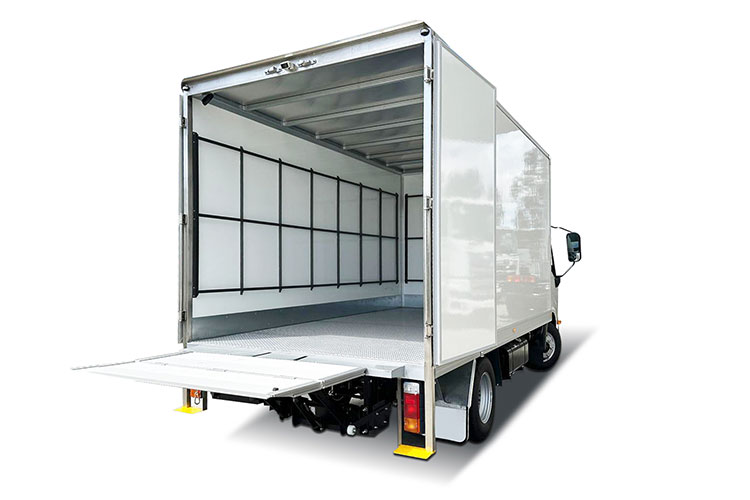
For businesses looking for a global partner that embodies these principles, Chinese Truck Factory has established itself as a notable player. They have invested in advanced composite panel production lines and focus on building insulated box trucks that meet stringent international standards, offering a compelling blend of modern technology and value.
The Real-World Impact on Your Business
Investing in a composite panel body from a quality insulated box truck factory isn’t just about buying a truck; it’s about improving your operational bottom line. The fuel savings from reduced weight and more efficient temperature retention add up quickly. The U.S. Department of Energy notes that a 10% reduction in vehicle weight can lead to a 6-8% improvement in fuel economy. Furthermore, the reduced downtime for repairs and the extended lifespan of the vehicle directly lower your total cost of ownership. For temperature-sensitive cargo, the superior insulation provides critical protection, reducing the risk of spoilage and ensuring compliance with safety regulations like the FDA’s Food Safety Modernization Act (FSMA).
Frequently Asked Questions (FAQs)
Q: Are composite panel bodies more expensive upfront than traditional insulated boxes?
A: Typically, yes, the initial purchase price is higher. However, this is a classic case of “pay more now, save much more later.” The savings in fuel, maintenance, and extended vehicle life almost always result in a lower total cost of ownership over 5-10 years, making it a smarter financial decision.
Q: How do I repair a composite panel if it gets damaged?
A: Repairs are straightforward for a qualified technician. Small punctures or cracks can be filled and sealed with specialized compounds. For larger damage, a section of the panel can be cut out and a new piece bonded in place. Reputable factories provide repair guidelines and material kits.
Q: Can a composite panel body be mounted on any truck chassis?
A: Generally, yes. A competent factory will engineer the subframe and mounting system to be compatible with standard commercial chassis from manufacturers like Ford, Freightliner, Isuzu, or Hino. It’s crucial to provide the chassis specifications to the body builder early in the process.
Q: What is the typical lifespan of a well-built composite panel truck body?
A: With proper care, you can expect 15 to 20 years of service life, significantly longer than the 7-12 year average for many traditional insulated metal bodies, which often succumb to corrosion and insulation failure.
Q: Do composite panels meet all relevant safety and transportation regulations?
A: A certified and reputable insulated box truck factory will ensure their composite panel bodies meet or exceed all applicable DOT (Department of Transportation) and industry-specific regulations for strength, safety, and cargo securement.
Making an Informed Decision
The shift toward composite panel construction in the insulated box truck industry is a clear response to the demands for greater efficiency, reliability, and lower lifetime costs. When you partner with a sophisticated insulated box truck factory that masters this technology, you’re not just getting a container—you’re getting a precision tool designed to protect your cargo and your profitability. Do your homework, ask detailed questions about the build process and materials, and choose a manufacturer that prioritizes quality and transparency. Your fleet, and your balance sheet, will thank you for years to come.
Sources & Further Reading:
- U.S. Department of Energy. “Vehicle Weight Reduction and Its Impact on Fuel Economy.” https://www.energy.gov/eere/vehicles/articles/reducing-vehicle-weight
- U.S. Food and Drug Administration. “Food Safety Modernization Act (FSMA).” https://www.fda.gov/food/guidance-regulation-food-and-dietary-supplements/food-safety-modernization-act-fsma
- Society of Automotive Engineers (SAE) International. Standards for Truck Body Design and Testing (General reference for industry practices).