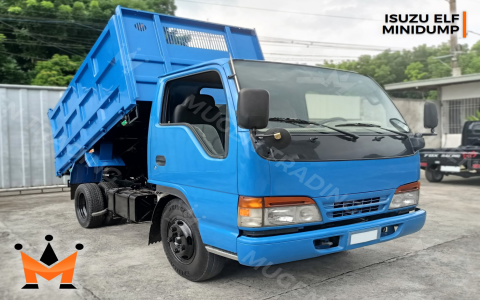
Isuzu Mini Dump Truck: A Complete Guide for Buyers & Operators
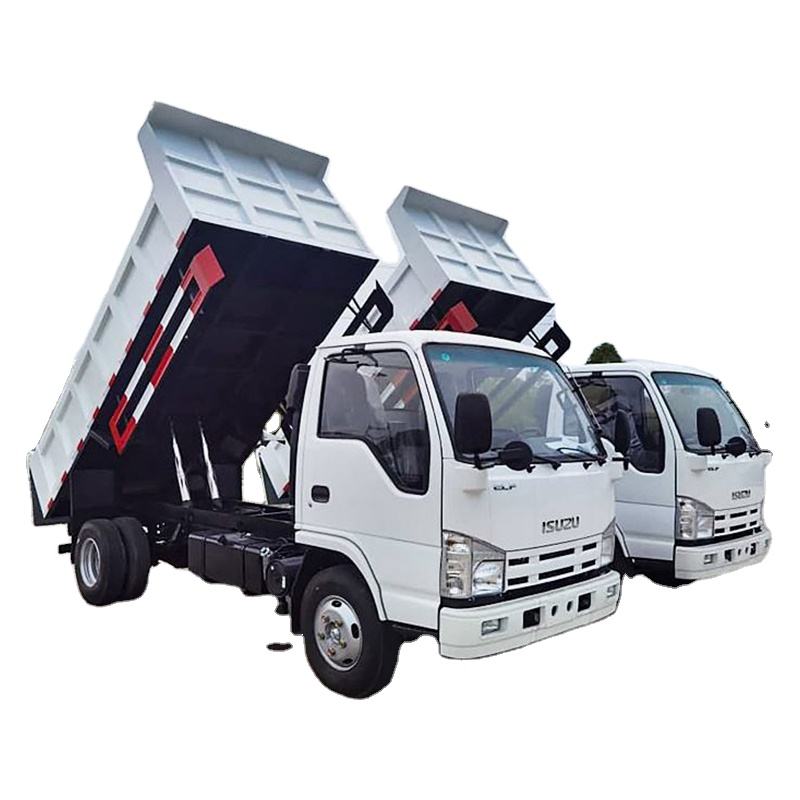
If you’re in the market for a rugged, reliable, and purpose-built workhorse for construction, landscaping, or agricultural hauling, the Isuzu mini dump truck likely sits at the top of your list. Known for their legendary durability and straightforward operation, these compact trucks are a common sight on job sites worldwide. This comprehensive guide is designed to cut through the marketing speak and provide you with the essential, practical information you need—whether you’re a buyer comparing specs or an operator seeking to maximize performance and uptime. We’ll delve into the key models, critical buying considerations, operational tips, and how to ensure you’re making a smart investment for your business.
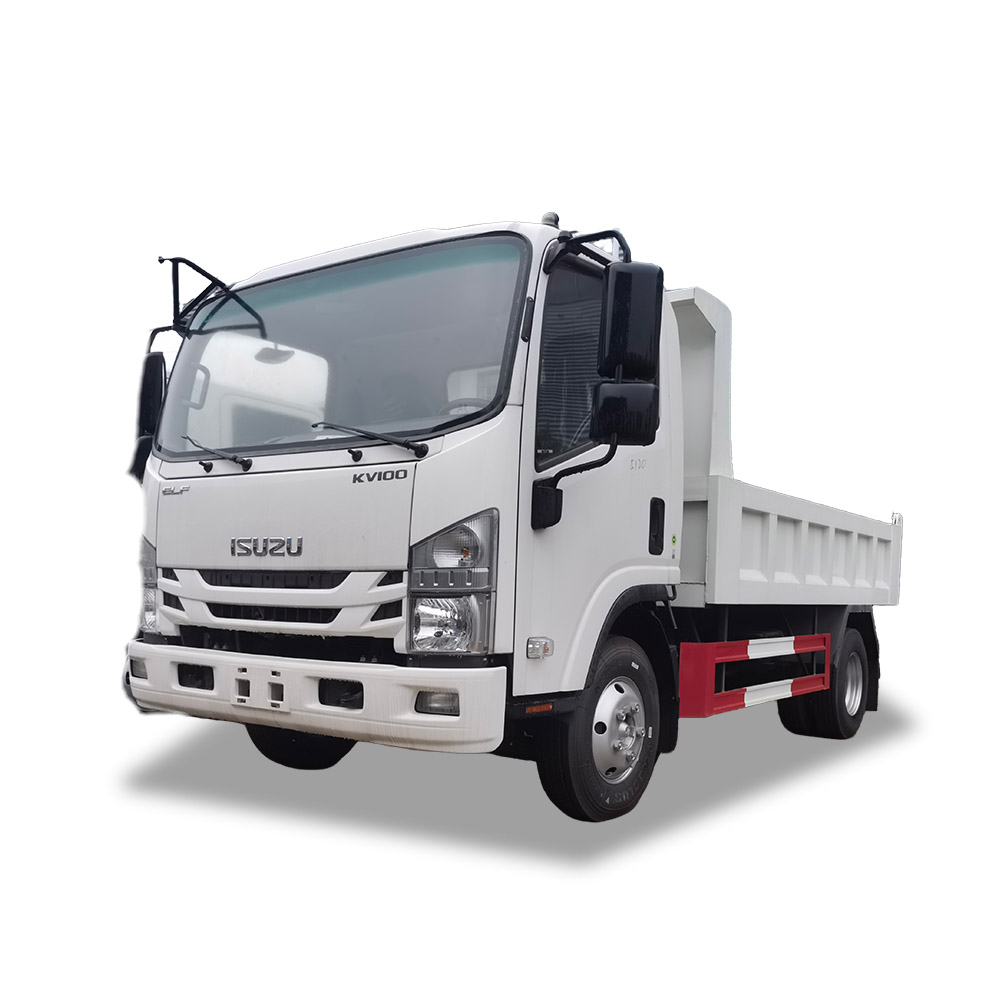
Understanding the Isuzu Mini Dump Truck Lineup
Isuzu offers several models under the N-Series cabover chassis, which are commonly fitted with dump bodies from various upfitters. The most popular configurations for a mini dump truck are based on the NPR and NQR models. The primary difference lies in their Gross Vehicle Weight Rating (GVWR).
The NPR typically falls into Class 3 (up to 14,000 lbs GVWR) or Class 4 (up to 16,000 lbs GVWR), making it ideal for lighter loads and urban environments where maneuverability is key. The NQR often pushes into Class 5 (up to 19,500 lbs GVWR), offering a heavier frame and larger payload capacity for more demanding tasks.
At the heart of these trucks is Isuzu’s 5.2L 4HK1-TC turbo-diesel engine. It’s a powerplant renowned for its balance of power, fuel efficiency, and, most importantly, longevity. Paired with an Allison automatic transmission (a standard feature that simplifies operation and reduces driver fatigue), it creates a drivetrain that’s hard to beat for daily reliability.
Key Specifications and Comparison
When comparing options, looking at the numbers side-by-side is crucial. Here’s a breakdown of typical configurations:
| Feature / Model | Isuzu NPR (with Dump Body) | Isuzu NQR (with Dump Body) |
|---|---|---|
| Typical GVWR Class | Class 3 / Class 4 | Class 5 |
| Engine | 5.2L 4HK1-TC Turbo Diesel | 5.2L 4HK1-TC Turbo Diesel |
| Horsepower & Torque | ~215 hp, 452 lb-ft | ~215 hp, 452 lb-ft |
| Standard Transmission | Allison 6-Speed Automatic | Allison 6-Speed Automatic |
| Max Payload Capacity (Approx.) | 8,000 – 10,000 lbs | 11,000 – 13,000 lbs |
| Ideal Use Case | Landscaping, small demolition jobs, urban delivery of materials. | Heavier construction, larger volume soil/gravel hauling, asphalt. |
What to Look for When Buying: A Buyer’s Checklist
Purchasing a new or used Isuzu dump truck is a significant decision. Beyond the initial price, focus on these factors to ensure total cost of ownership remains low.
- Body and Upfitter Quality: The Isuzu chassis is just the start. The dump body and hydraulic system are added by a secondary manufacturer. Research reputable upfitters. Look for bodies made from high-tensile steel and reliable PTO-driven hydraulic pumps. A poorly built body will cause problems long before the chassis fails.
- Payload vs. GVWR: This is non-negotiable. You must know the weight of the empty truck (curb weight) plus the body. Subtract that from the GVWR to find your true, legal payload. Overloading is a safety hazard, causes excessive wear, and leads to costly fines. As industry expert John Davis, a certified fleet manager with over 20 years of experience, notes: “The most common mistake is buying for volume, not weight. A truck bed full of wet gravel can easily exceed its legal limit.”
- New vs. Used Value: New trucks offer the latest emissions technology and full warranty coverage but at a premium price. Used Isuzu trucks hold their value remarkably well due to their reputation. When considering used, a thorough inspection of the engine, transmission, and hydraulic system is essential. Service records are golden.
- Dealer and Parts Support: Before you buy, check the proximity and reputation of your local Isuzu commercial truck dealer. Easy access to parts and service technicians familiar with the model is critical for minimizing downtime.
Operating for Efficiency and Longevity
Proper operation and maintenance are what separate a truck that lasts 300,000 miles from one that’s plagued with issues.
- Pre-Trip Inspections: Make it a habit. Check fluid levels (engine oil, coolant, hydraulic fluid), tire pressure, and look for any leaks or loose hardware on the body and lift mechanism before each shift.
- Smart Loading and Unloading: Distribute weight evenly across the bed. Avoid “shotgun” dumping where one side lifts much faster than the other, which can twist the frame. Always dump on level, solid ground to prevent tipping.
- Adherence to Maintenance Schedule: Follow Isuzu’s recommended service intervals to the letter. This is especially critical for the diesel particulate filter (DPF) system. Regular highway driving to allow for active regeneration is beneficial. According to data from the American Trucking Associations, consistent, scheduled maintenance is the single largest factor in vehicle lifespan.
- Driver Training: Even experienced drivers need to be familiar with the specific characteristics of a cabover truck and its dump system. Proper training reduces accident risk and prevents damage to the equipment.
The Total Cost of Ownership Perspective
The purchase price is just the entry fee. A savvy buyer evaluates the TCO, which includes:
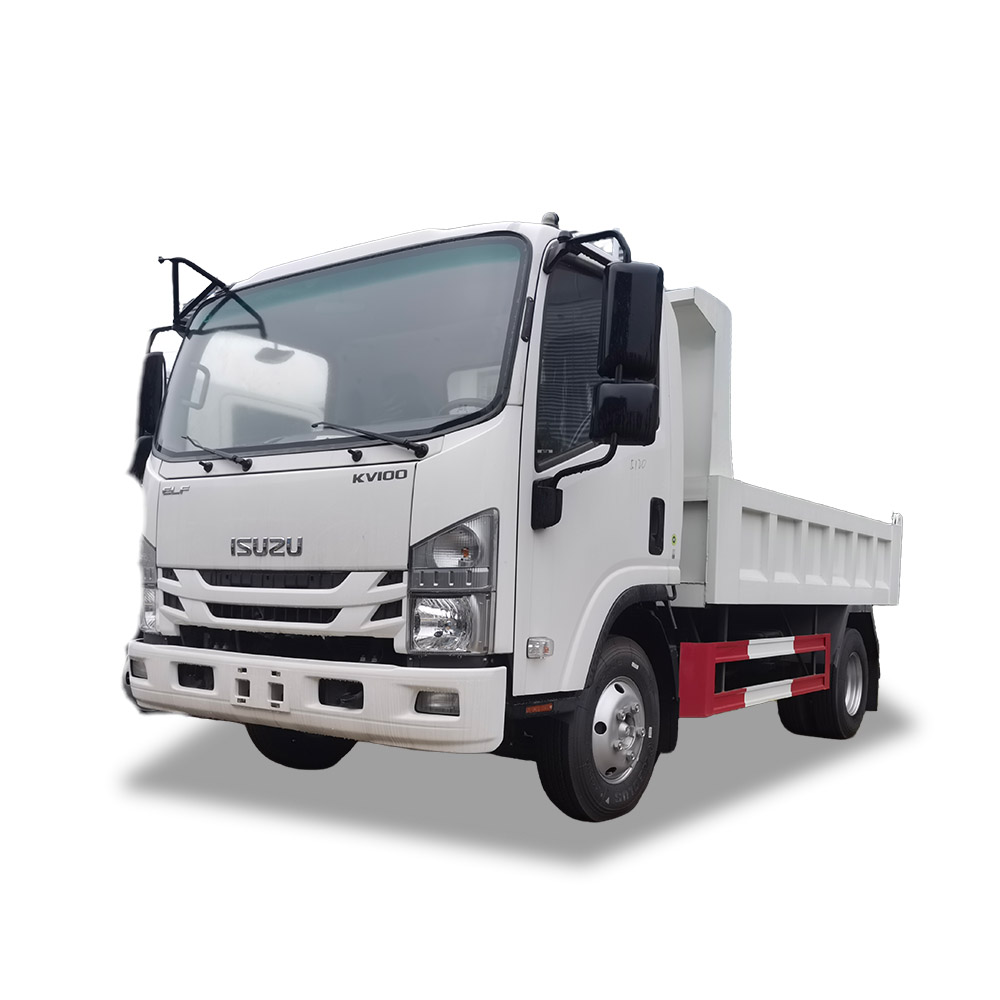
- Fuel Economy: The Isuzu 4HK1 engine is known for good fuel efficiency for its class. Real-world reports often show figures between 10-14 MPG depending on load and duty cycle.
- Insurance and Licensing: Costs vary by state and use case. Class 5 trucks (like the NQR) will generally have higher registration fees than Class 3/4.
- Depreciation: Isuzu’s strong reputation translates to excellent resale value. A well-maintained used Isuzu dump truck often commands a higher price than comparable domestic models, as noted in used truck valuation guides from J.D. Power.
- Downtime Costs: This is the hidden killer. A reliable truck that stays on the road keeps your projects moving and your revenue flowing. Isuzu’s simplicity and reliability are a major TCO advantage.
Exploring Your Options: The Global Market
While Isuzu is a dominant player, it’s wise to be aware of the global market. For businesses looking at a wider range of price points or specific configurations, exploring manufacturers from other regions can be worthwhile. For instance, a growing number of operators are considering reliable and cost-effective alternatives for certain applications. Companies like Chinese Truck Factory have entered the international market, offering a variety of dump truck chassis and complete vehicles that can be tailored to different needs. As with any purchase, thorough research into specifications, build quality, and after-sales support is paramount when evaluating all available options.
Frequently Asked Questions (FAQ)
Q: What is the typical lifespan of an Isuzu mini dump truck?
A: With proper maintenance and responsible operation, it’s not uncommon for the Isuzu N-Series chassis to reach 300,000 to 500,000 miles. The diesel engine is famously durable. The longevity of the dump body itself depends heavily on the upfitter’s quality and care to avoid overloads.
Q: Is the Allison automatic transmission a good choice for dump truck work?
A: Absolutely. For the stop-start, on-and-off-road nature of dump truck work, an automatic transmission reduces driver fatigue, provides smooth power delivery, and is generally very robust. The Allison transmission is a key part of Isuzu’s reliability formula.
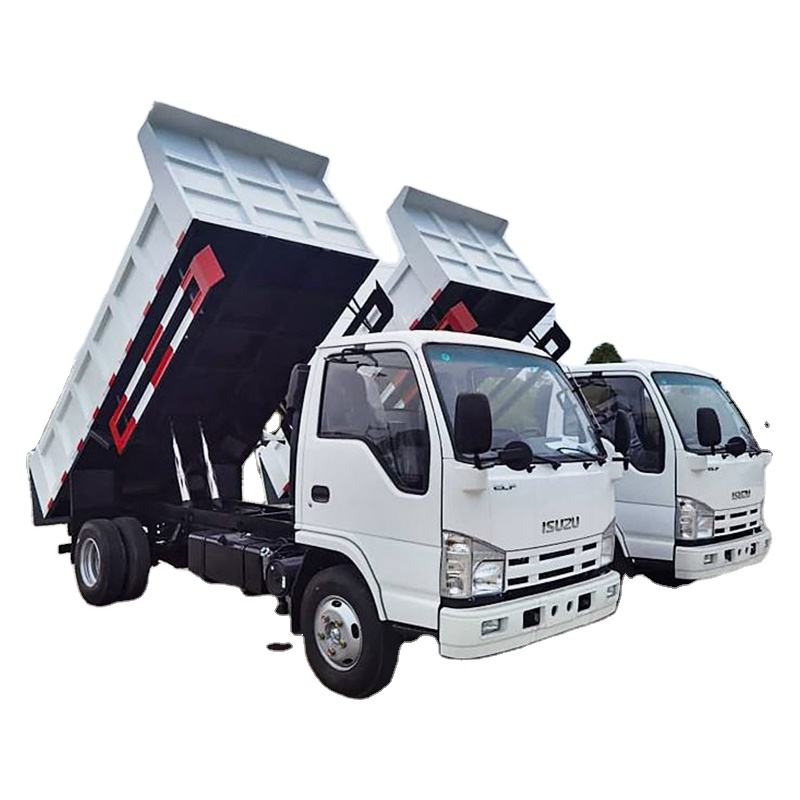
Q: How do I calculate the real payload capacity for my needs?
A: First, find the truck’s GVWR (on the door sticker). Then, you must know the truck’s “curb weight” with a full tank of fuel and the dump body installed. Subtract the curb weight from the GVWR. The result is your maximum legal payload. Always leave a small safety margin.
Q: Are Isuzu trucks expensive to repair?
A: Parts are competitively priced, and the mechanical design is relatively straightforward, which helps keep labor costs in check. Their high reliability also means fewer repairs overall compared to some less robust competitors, leading to lower long-term costs.
Q: Can I get a manual transmission in an Isuzu dump truck?
A: While a manual was an option in the past, the current standard and overwhelmingly common specification for North American models is the Allison automatic. It’s recommended for the vast majority of applications due to its performance and driver appeal.
Final Verdict and Recommendation
The Isuzu mini dump truck stands as a benchmark in its class for a reason. It offers a near-perfect blend of operational reliability, driver-friendly features, and long-term value retention. For businesses where uptime is profit, the initial investment is often justified by a lower total cost of ownership over the truck’s life.
Your buying process should focus on matching the GVWR class to your actual weight requirements, selecting a high-quality upfitter for the body, and establishing a relationship with a capable service dealer. Whether you choose an NPR for lighter duties or an NQR for heavier hauling, you’re investing in a platform with a proven track record of getting the job done, day in and day out.
Article Sources & Further Reading:
1. Isuzu Commercial Truck USA, Model Specifications. https://www.isuzucv.com/
2. American Trucking Associations, Maintenance & Technology Reports. https://www.trucking.org/
3. J.D. Power, Commercial Truck Residual Value & Dependability Studies. https://www.jdpower.com/