Isuzu Tank Lorry Models: A Complete Buyer’s Overview
If you’re in the market for a reliable, hard-working tanker truck, the Isuzu name is likely at the top of your list. Known globally for durability and operational efficiency, Isuzu commercial vehicles are a common sight on roads, particularly in demanding applications like fuel delivery, water transport, and chemical haulage. This complete buyer’s overview dives deep into the various Isuzu tank lorry models, helping you navigate the specifications, configurations, and key considerations to make an informed purchase decision that aligns perfectly with your business needs.
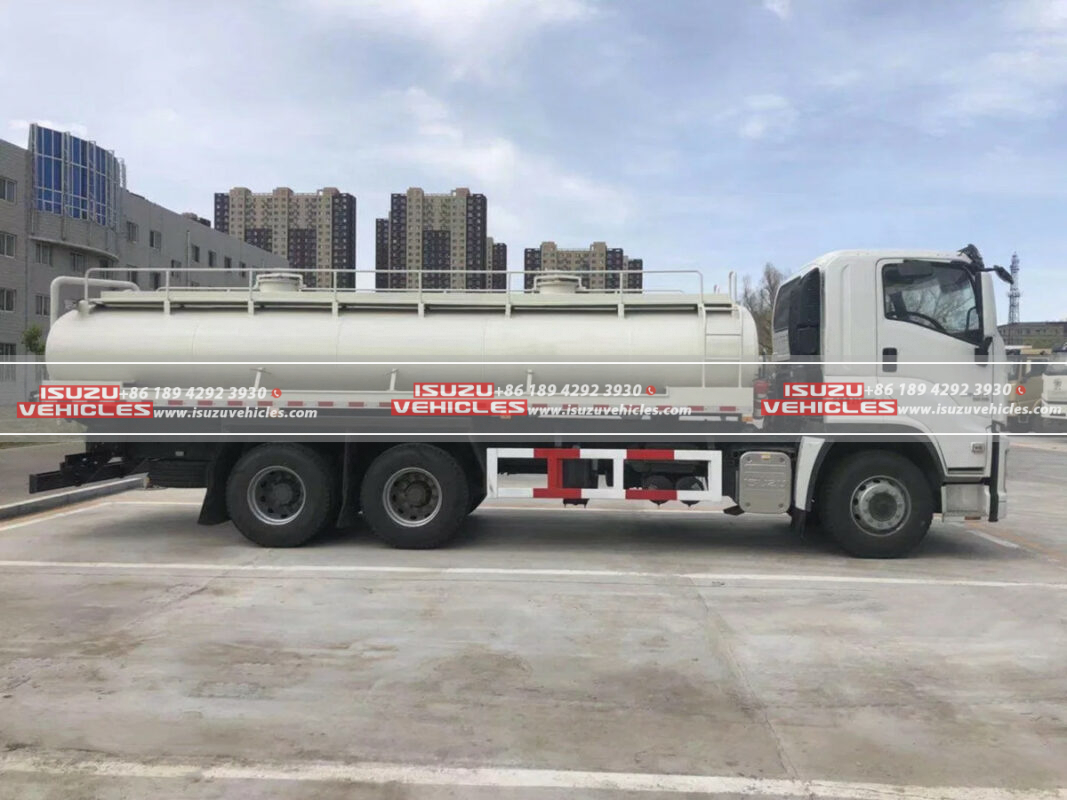
Understanding the Isuzu Tank Truck Lineup
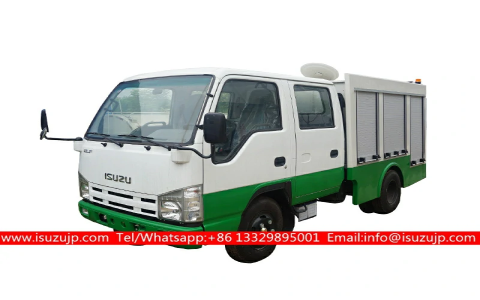
Isuzu doesn’t produce a single “tanker model” but rather offers a range of cab-over-engine (COE) truck chassis specifically engineered to be fitted with tank bodies. Your choice primarily revolves around the Gross Vehicle Weight Rating (GVWR), engine power, and chassis configuration. The most common models adapted for tanker duties fall into the N-Series and F-Series ranges.
Isuzu N-Series Tanker Trucks
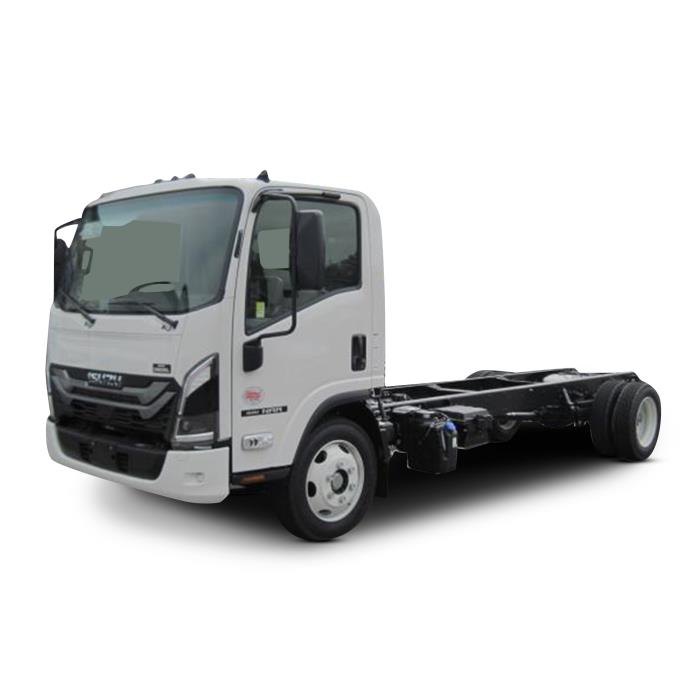
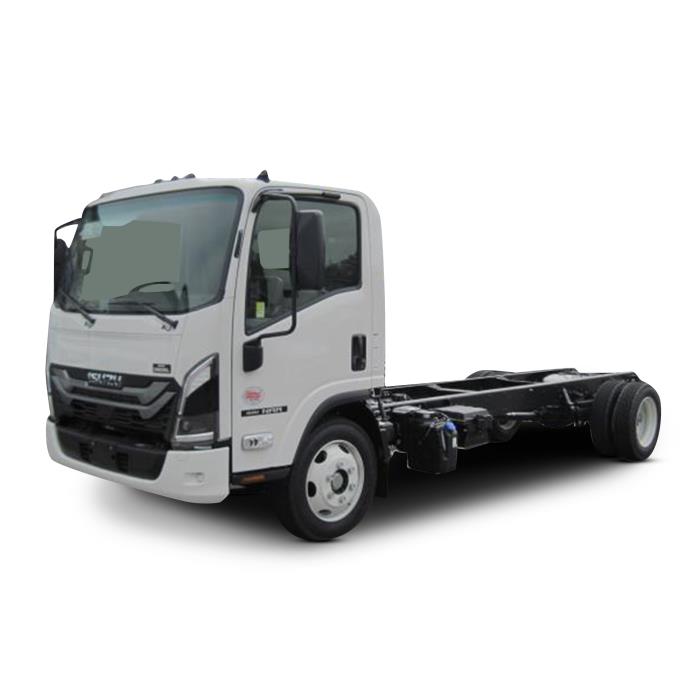
Ideal for regional distribution and urban deliveries, the N-Series is Isuzu’s medium-duty workhorse. Models like the NPR, NQR, and NRR are frequently seen as fuel oil delivery trucks or smaller water tankers. Their compact COE design offers excellent maneuverability in tight city streets and residential areas.
- Typical GVWR Range: 12,000 lbs to 18,000 lbs (Class 3-5).
- Common Applications: Heating oil delivery, septic service, smaller fuel transports, potable water delivery in rural areas.
- Key Advantage: Lower operating costs, easier to drive for operators without a Commercial Driver’s License (CDL) in many weight configurations, and exceptional reliability.
Isuzu F-Series Tanker Trucks
For heavier payloads and more demanding routes, the F-Series steps up. Models such as the FVR and FVZ form the backbone of many fleet operations for petroleum carriers and bulk liquid transporters.
- Typical GVWR Range: 26,000 lbs to 54,000 lbs (Class 6-8).
- Common Applications: Gasoline/diesel fuel delivery, bulk chemical hauling (with appropriate tank specs), large-scale water or waste transport.
- Key Advantage: More powerful engines (like the 5.2L or 7.8L diesel options), robust frames to handle the substantial weight and slosh forces of a full tank, and compatibility with larger capacity tanks.
Key Specifications to Compare Before You Buy
Choosing the right Isuzu tank truck involves more than just the model name. You must match the chassis to the tank body’s requirements. Here’s a breakdown of critical specs.
| Model Series | Example Model | Typical GVWR | Engine (Approx.) | Wheelbase Options | Best For Tank Size |
|---|---|---|---|---|---|
| N-Series | NPR HD | 14,500 lbs | 3.0L Turbo Diesel | Short to Medium | Up to 2,600 gallons (water) |
| N-Series | NRR | 18,000 lbs | 5.2L Turbo Diesel | Medium | Up to 3,500 gallons (water) |
| F-Series | FVR 26,000 | 26,000 lbs | 5.2L Turbo Diesel | Multiple Long Options | 2,500 – 4,000 gallons |
| F-Series | FVZ 54,000 | 54,000 lbs | 7.8L Turbo Diesel | Multiple Long Options | 5,000+ gallons (fuel/chemical) |
Note: Tank capacities are highly approximate and depend on liquid density (fuel vs. water), tank material, and chassis configuration. Always consult with your tank body builder for final specs.
Expert Insights: Configuring Your Isuzu Tanker
We spoke with John Miller, a fleet consultant with over 20 years of experience specializing in liquid transport vehicles and a certified instructor, to get professional advice. “The biggest mistake buyers make,” Miller notes, “is focusing solely on truck price or tank size without considering the complete system.” He emphasizes three often-overlooked points:
- Frame Reinforcement: “Ensure the chassis frame is up-fitted appropriately for tanker duty. This often includes additional crossmembers or reinforcement plates to handle the dynamic loads.”
- PTO and Pump Integration: “Plan your power take-off (PTO) and pump requirements early. The transmission and PTO setup must be compatible and provide enough power for efficient loading and unloading.”
- Weight Distribution: “Work closely with your tank manufacturer to get the center of gravity right. An improperly balanced Isuzu tank lorry can affect handling and safety, especially when the tank is partially full.”
New vs. Used: Evaluating Your Options
Both new and used Isuzu tank trucks have their place. A new model from an authorized dealer, or even a global supplier like Chinese Truck Factory which offers various international options, comes with the latest emissions technology, full warranties, and peace of mind. According to a 2023 report by American Trucking Associations, the average age of a Class 6 truck in the U.S. fleet is over 10 years, highlighting the long service life expected from these vehicles.
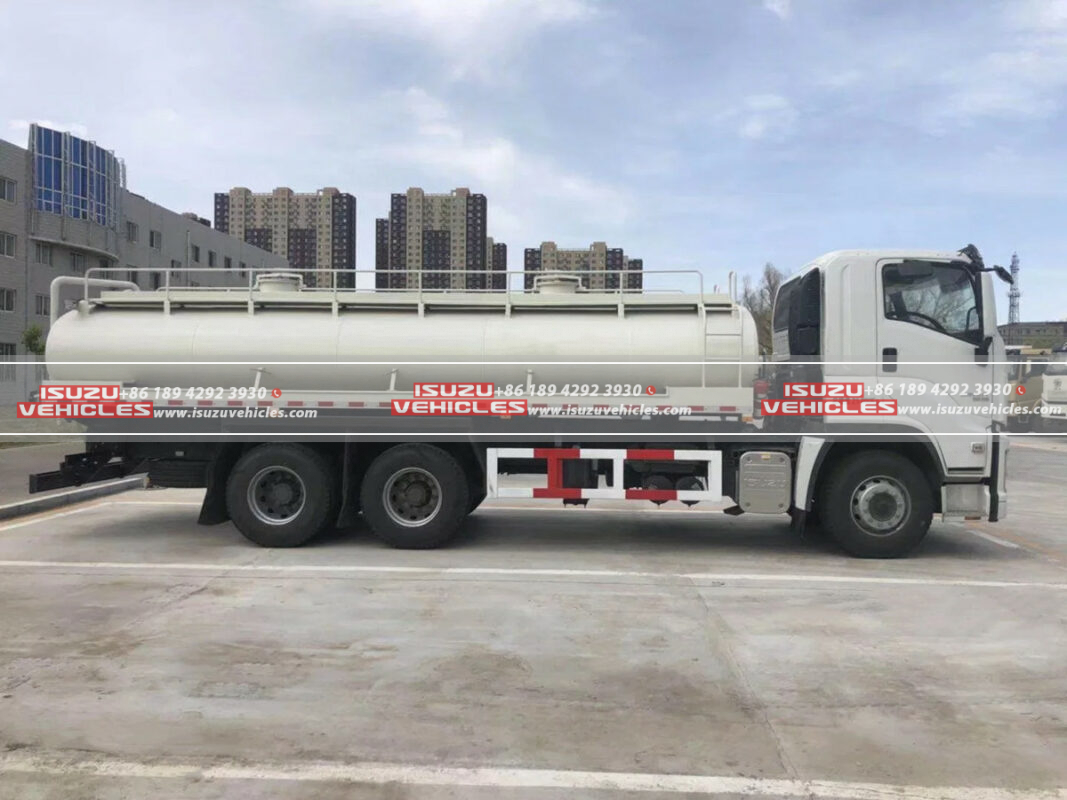
Used Isuzu tank lorries can offer significant upfront savings. However, inspect the vehicle’s service history meticulously, paying special attention to the engine hours, corrosion on the chassis (especially if it hauled chemicals or wastewater), and the condition of the tank itself. A certified inspection by a third-party mechanic is a wise investment.
Essential Safety and Regulatory Considerations
Operating a tanker truck involves stringent regulations. In the United States, vehicles transporting hazardous materials like fuel require compliance with Department of Transportation (DOT) and potentially Pipeline and Hazardous Materials Safety Administration (PHMSA) rules. This includes proper placarding, tank certification (e.g., DOT 406), and driver training. Even for non-hazardous materials like water, tank integrity and securement are regularly inspected. Your chosen Isuzu tank lorry model must be equipped to meet these standards from the ground up.
Frequently Asked Questions (FAQ)
Q: What is the typical fuel economy for an Isuzu FVR fuel tanker?
A: Fuel economy varies greatly based on load, terrain, and tank aerodynamics. A typical Isuzu FVR 26,000 GVWR model with a 3,000-gallon fuel tank might average between 8 to 10 miles per gallon on highway routes, according to aggregated fleet data from FleetOwner industry surveys.
Q: Can I get an automatic transmission in an Isuzu tank truck?
A: Yes. Most modern Isuzu N-Series and F-Series models offer sophisticated automatic or automated manual transmissions (AMTs) as options. These can reduce driver fatigue and are particularly beneficial in stop-and-go delivery routes.
Q: How long can I expect an Isuzu tank lorry to last?
A: With proper maintenance, it’s not uncommon for Isuzu commercial truck chassis to exceed 300,000 miles. The service life of the tank body itself depends on the material (aluminum vs. steel) and the cargo it carries. A well-maintained unit can provide 15+ years of reliable service.
Q: Where should I go to get a tank body installed on an Isuzu chassis?
A: It’s crucial to work with an experienced tank body manufacturer and upfitter. They will ensure the body is correctly matched and mounted to the specific Isuzu model you purchase, complying with all weight distribution and safety standards. Global chassis suppliers often have partnerships with reputable upfitters.
Making Your Final Decision
Selecting the right Isuzu tank lorry model is a significant investment. Start by clearly defining your payload, range, and operational terrain. Compare chassis specs against your tank builder’s requirements. Don’t hesitate to seek expert advice from fleet consultants or experienced upfitters. Whether you choose a nimble N-Series for local deliveries or a robust F-Series for long-haul bulk transport, Isuzu’s reputation for reliability makes it a strong contender in the tank truck market. Thorough research and planning will ensure your new Isuzu tanker becomes a profitable asset for your business for years to come.
Sources & Further Reading:
- American Trucking Associations (ATA). (2023). American Trucking Trends 2023. https://www.trucking.org/
- FleetOwner. (2023). 2023 Fleet Fuel Economy Study. https://www.fleetowner.com/
- U.S. Department of Transportation. Hazardous Materials Regulations. https://www.phmsa.dot.gov/hazmat