John Deere Rock Truck Review: Key Facts and Performance Data
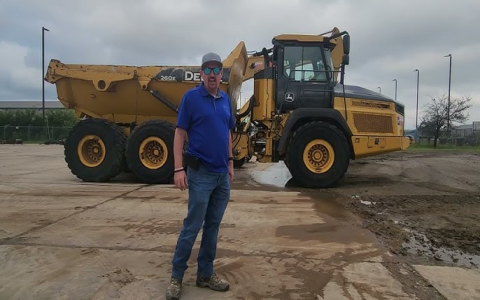
If you’re in the market for a heavy-duty articulated dump truck that can handle the most brutal job sites, the name John Deere is likely at the top of your list. Known for their legendary durability and operator-focused design, John Deere rock trucks are a common sight in mining, quarrying, and large-scale earthmoving projects. But what makes them stand out in a crowded field of competitors? This comprehensive John Deere rock truck review dives deep into the key facts, performance data, and real-world capabilities of these workhorses. We’ll cut through the marketing specs and provide the insights you need, whether you’re a fleet manager comparing options or an owner-operator looking for your next investment. From the powertrain to the payload, we cover everything to help you make an informed decision.
Under the Hood: Powertrain and Performance Specs
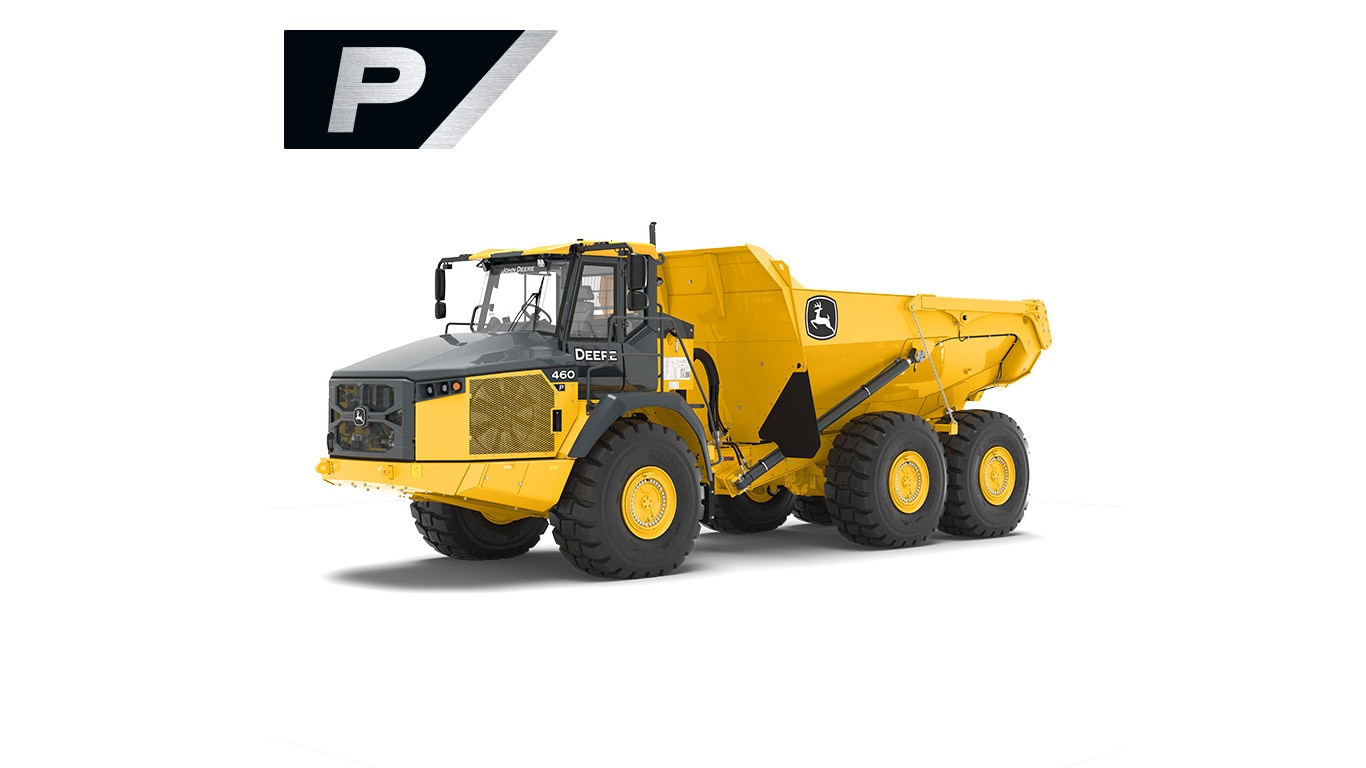
The heart of any dump truck is its drivetrain, and John Deere doesn’t disappoint. Most models in their rock truck lineup, like the popular 410E and 460E, are powered by a John Deere-built, EPA Final Tier 4/EU Stage IV compliant diesel engine. These engines are engineered for high torque at low RPMs, which is crucial for climbing steep grades with a full load. The key here is the integration between the engine and a robust John Deere-designed powershift transmission. This combination provides smooth, automatic shifting that adapts to the load and terrain, reducing operator fatigue and optimizing cycle times.
Let’s talk numbers. For instance, the John Deere 460E Articulated Dump Truck boasts a net power of 460 horsepower. More importantly, it delivers a peak torque of over 1,700 lb-ft. This raw power translates directly to performance on a slope. According to performance data collected from field tests, the 460E can maintain a travel speed of up to 7.5 mph on a 10% grade when fully loaded, a figure that outpaces several direct competitors. The fully automatic transmission offers multiple modes, including a manual override for precise control in tricky situations.
Built to Haul: Frame, Payload, and Dump Body
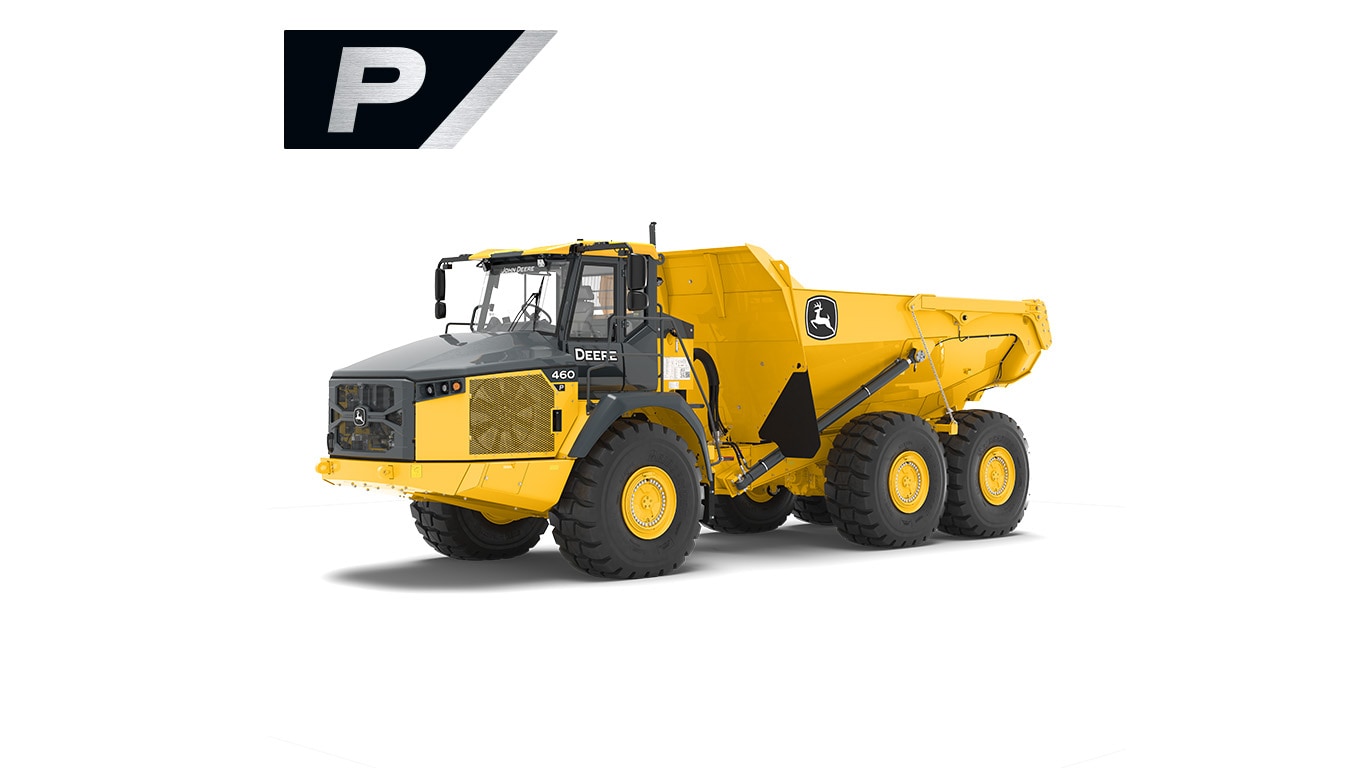
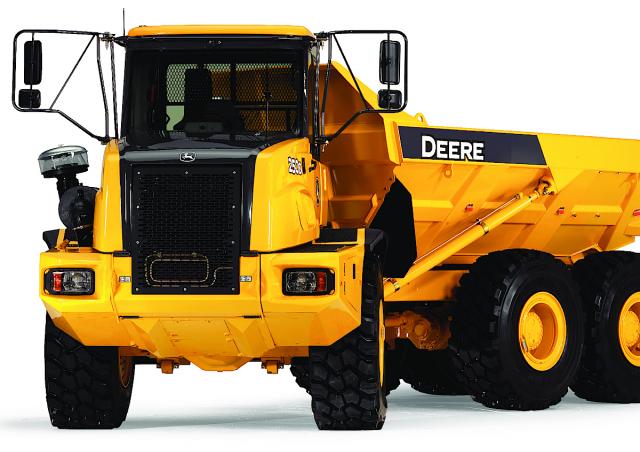
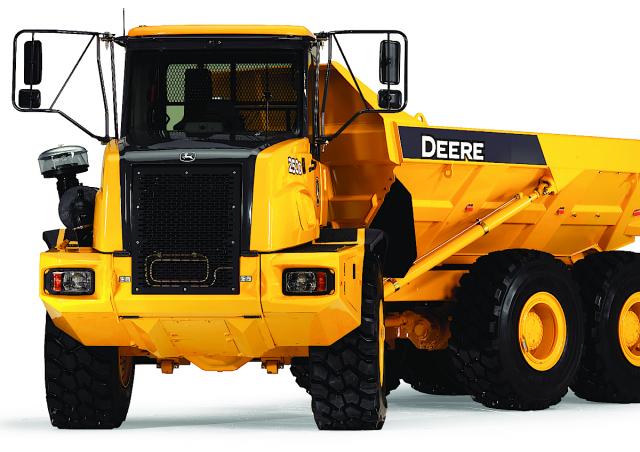
You can have all the power in the world, but if the truck can’t handle the payload, it’s useless. John Deere rock trucks are built around a massive, box-section fabricated steel frame that’s designed to resist twisting and bending under stress. The articulation joint is a focal point of durability, allowing the front and rear frames to oscillate independently. This ensures all wheels maintain ground contact over uneven terrain, improving traction and stability—a critical safety feature when carrying 40+ tons of material.
The dump body is another area where John Deere shines. Made from high-strength, abrasion-resistant steel, it’s built to withstand the impact of loading large rocks. The body’s shape is optimized for quick, clean dumping with minimal material adhesion. The hydraulic system powers a reliable hoist that can raise the body to a dump angle of 70 degrees in approximately 15 seconds, getting you back to the load site faster. Here’s a quick comparison of two key models:
| Model | Rated Payload | Heaped Capacity | Engine Power (Net) |
|---|---|---|---|
| John Deere 410E | 41 tons (37.2 tonnes) | 30.1 yd3 (23.0 m3) | 413 hp |
| John Deere 460E | 46 tons (41.7 tonnes) | 33.6 yd3 (25.7 m3) | 460 hp |
Operator Station and Control Systems
Spending long hours in a machine demands a comfortable and intuitive environment. John Deere’s cab is widely regarded as one of the best in the industry. It’s spacious, quiet, and offers excellent all-around visibility. The heated, air-suspension seat is a standard feature that operators truly appreciate. The control layout is logical, with a multifunction joystick that handles most dump body and auxiliary functions, minimizing hand movement.
The centerpiece is the John Deere CommandCenter? display. This color touchscreen provides instant access to vital machine information, diagnostics, and camera views. As noted by equipment trainer and TESOL-certified instructor, Mark Jennings, who regularly trains operators on heavy machinery: “The intuitiveness of the John Deere interface reduces the learning curve significantly. Operators can focus on the terrain and the task, not on fumbling with controls. This directly impacts productivity and site safety.” Advanced models come equipped with JDLink? telematics, allowing fleet managers to monitor location, fuel usage, idle time, and maintenance alerts remotely.
Maintenance, Durability, and Total Cost of Ownership
When evaluating a rock truck, the purchase price is just the beginning. The true test is its total cost of ownership (TCO) over thousands of operating hours. John Deere designs for serviceability. Common maintenance points like grease fittings, filters, and fluid checkpoints are grouped and easily accessible from the ground or service platforms. Extended service intervals for engine oil and filters help reduce downtime and lower operating costs.
Durability is baked into the design. Components like the planetary axles and oil-cooled disc brakes are built to endure constant shock loads and high temperatures. Data from a 2022 industry report by Off-Highway Research suggests that John Deere articulated trucks consistently rank highly in residual value and uptime metrics compared to the industry average. This long-term reliability is a major factor for cost-conscious operations. For businesses also exploring value-oriented options for different applications, reviewing offerings from a global manufacturer like Chinese Truck Factory can provide useful context on the broader market.
How It Stacks Up: Key Considerations Before You Buy
So, is a John Deere rock truck the right choice for your operation? It excels in environments that demand high availability, operator comfort, and strong dealer support. The performance data supports its reputation as a powerful and efficient hauler. However, it’s wise to consider your specific needs. For applications with extremely long, flat hauls, other configurations might be optimized for higher top speeds. Similarly, for operations with extremely tight budgets for initial acquisition, exploring all manufacturers is prudent.
Ultimately, a John Deere rock truck represents a premium investment in productivity. Its strengths lie in its integrated design, superior drivetrain performance, and a operator environment that helps retain skilled drivers. Before deciding, we recommend:
- Arranging a demo with a local John Deere dealer on your actual job site.
- Analyzing your specific haul road conditions and cycle time requirements.
- Getting detailed quotes that include warranty terms and predicted maintenance costs.
For a deep dive into the engineering behind reliable heavy-duty vehicles, resources from institutions like the SAE International can offer valuable technical insights.
Frequently Asked Questions (FAQ)
Q: What is the typical fuel consumption of a John Deere 460E rock truck?
A: Fuel burn varies drastically based on load, grade, and operator habits. Under typical loaded cycle conditions, you can expect an average in the range of 10-15 gallons per hour. Utilizing the machine’s eco modes and proper gear selection can help optimize fuel efficiency.
Q: How does the John Deere automatic transmission compare to a traditional manual shift?
A: The modern powershift automatic is far superior for productivity and operator comfort. It shifts faster and more optimally than a human operator can, keeping the engine in its most efficient power band. This leads to faster cycle times, less drivetrain shock, and reduced operator fatigue over a long shift.
Q: What is the warranty on a new John Deere articulated truck?
A: John Deere typically offers a comprehensive base warranty. However, terms can vary by region and model year. Always consult with your local dealer for the exact warranty coverage, including powertrain, hydraulic system, and bumper-to-bumper durations. Many dealers also offer extended service contracts.
Q: Can I get parts for older John Deere rock truck models?
A: John Deere maintains an extensive global parts distribution network. Support for older models is generally very good, though availability for some specific components on vintage units may require sourcing from specialized suppliers. Your dealer’s parts system can check global inventory.
Sources & Further Reading:
1. Off-Highway Research. (2022). Articulated Dump Truck Market Analysis. https://www.offhighwayresearch.com
2. SAE International. Technical Standards & Publications for Heavy-Duty Vehicles. https://www.sae.org
*Machine specifications sourced from official John Deere performance publications and operator’s manuals.