John Deere Rock Truck: Applications and Hauling Capacity
When the job demands moving massive amounts of earth, rock, or overburden across a rugged site, standard dump trucks simply won’t cut it. You need a machine built from the ground up for punishment. That’s where the John Deere rock truck comes into play. More than just a hauler, it’s a pivotal piece of equipment designed to maximize productivity in the most demanding mining, quarrying, and heavy construction applications. This deep dive will explore the specific jobs these trucks excel at and break down the critical details of their hauling capacity, helping you understand why they are a go-to choice for serious earthmoving operations.
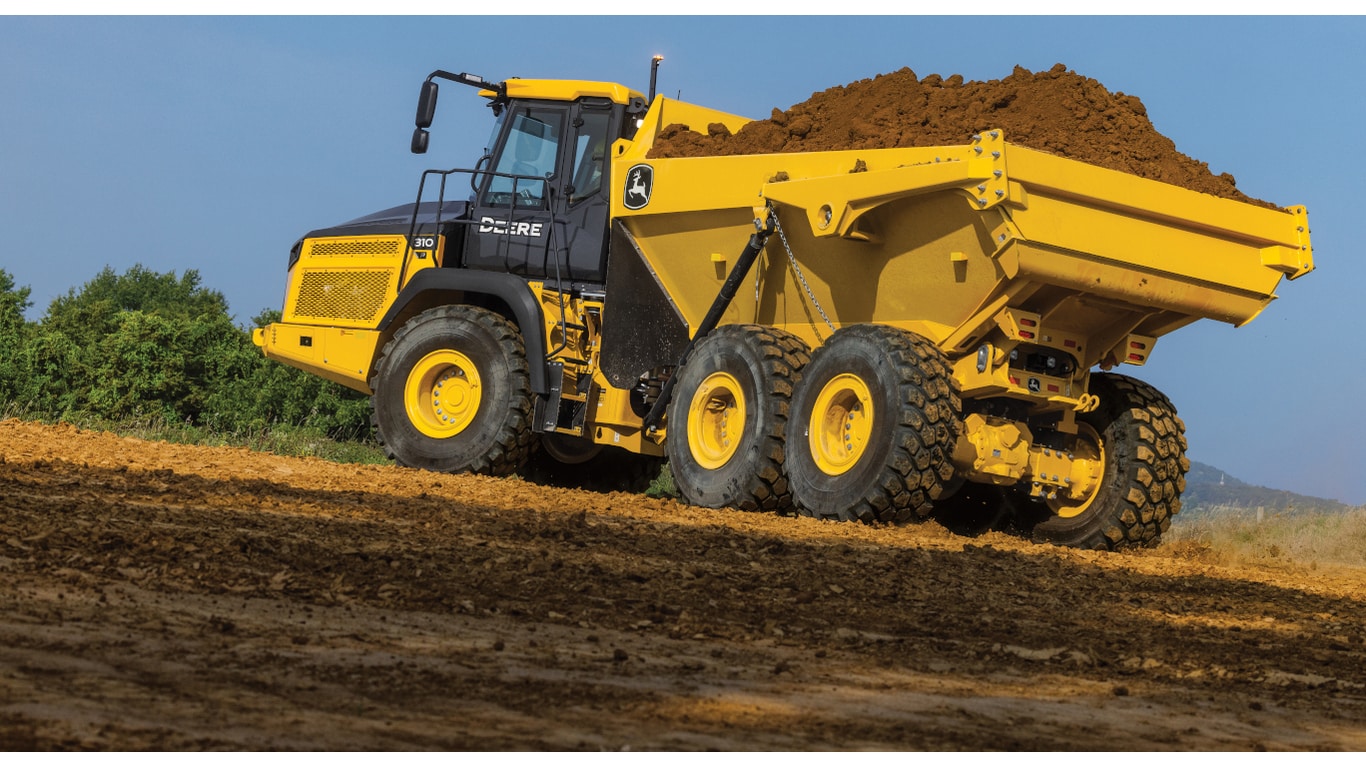
Where the John Deere Rock Truck Truly Shines: Key Applications
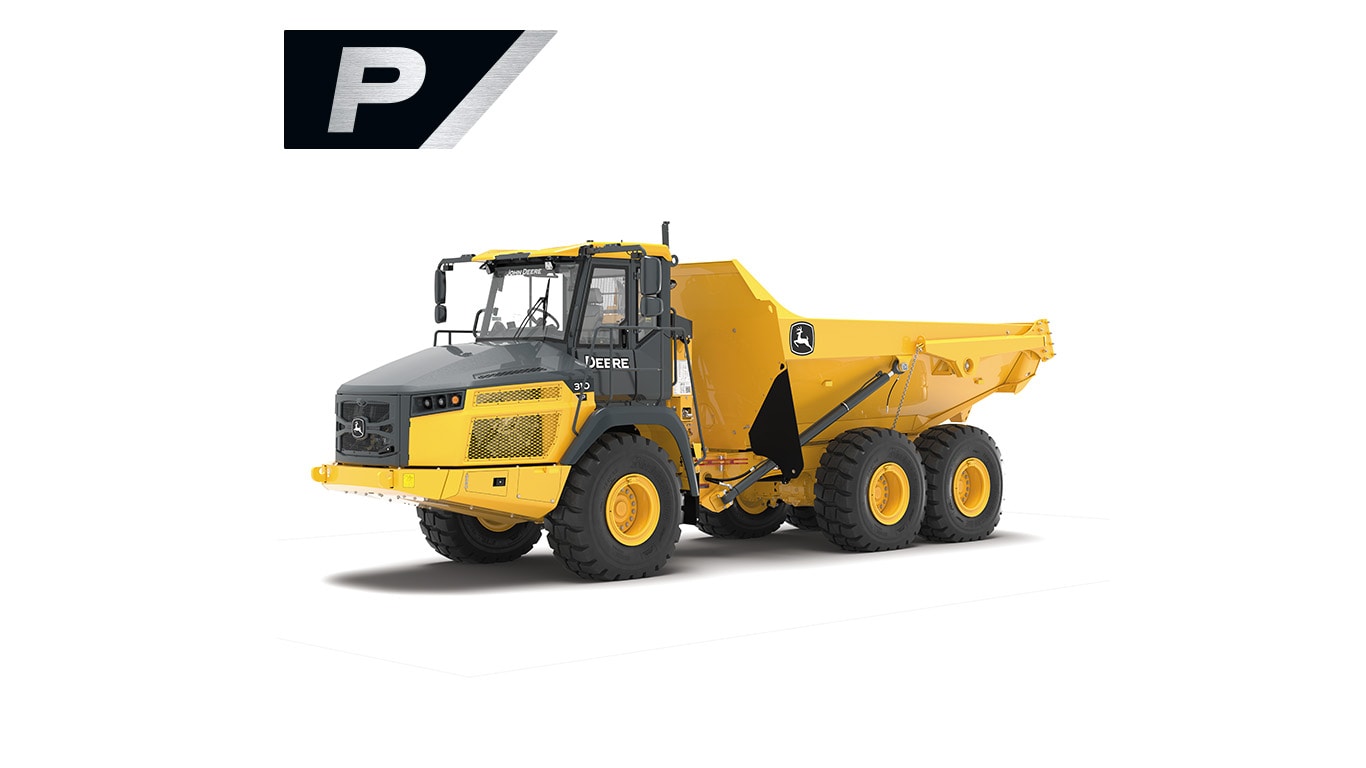
Understanding where to deploy this equipment is crucial for maximizing your return on investment. The design of a John Deere articulated dump truck (ADT), particularly its robust frame and powerful drivetrain, makes it ideal for scenarios where terrain and material would cripple lesser machines.
Mining and Quarry Operations
This is the natural habitat for a rock truck. In both open-pit mines and quarries, the primary task is moving blasted rock, ore, or aggregate from the pit face to the primary crusher or stockpile. The constant cycle of loading, hauling, and dumping over uneven, rocky ground demands extreme durability. The John Deere rock truck’s high-strength steel body and excellent ground clearance allow it to navigate this unforgiving environment while carrying maximum payloads, directly impacting the site’s daily production tonnage.
Heavy Construction and Earthmoving
Large-scale infrastructure projects like dam construction, highway cuts, and foundation excavation for major buildings often involve moving vast quantities of fill dirt, clay, and rock. The articulated steering of a John Deere ADT provides superior maneuverability on confined job sites compared to rigid-frame haul trucks. This allows for easier spotting under excavators and precise dumping in fill areas, even on soft or muddy ground where its all-wheel drive capability provides essential traction.
Landfill and Reclamation Work
Landfill operations and site reclamation projects present unique challenges, including soft underfoot conditions, steep grades on landfill cells, and abrasive materials. The John Deere rock truck’s ability to distribute weight across its articulated frame and multiple axles results in a lower ground pressure, reducing the risk of getting bogged down. Its sealed brakes and other durability-focused components help withstand the corrosive and abrasive materials common in these settings.
Forestry and Remote Access Projects
In forestry road construction or remote resource extraction, access trails are often temporary, rough, and slippery. The combination of power, traction, and articulation makes the John Deere rock truck a reliable choice for hauling gravel for road base or removing overburden in areas where building a perfect haul road first isn’t feasible. Its reliability in isolated locations is a key asset.
Understanding Hauling Capacity: It’s More Than Just a Number
When evaluating a rock truck, “capacity” can be misleading if you only look at the nominal payload number. True hauling capacity is a function of several interconnected factors that determine how much material you can move efficiently and safely, shift after shift.
Official Payload vs. Heaped Capacity
Manufacturers provide a rated payload, which is the maximum weight the truck is engineered to carry safely, including the frame, axles, and brakes. However, the volume of material you can actually load depends on the heaped capacity of the truck body. For example, a truck with a 40-ton payload rating might have a heaped capacity of 30 cubic yards. If you’re hauling dense shot rock, you’ll hit the weight limit long before you fill the body. Conversely, with lighter clay, you might fill the body volume without reaching the weight limit. Knowing your material’s density is essential for matching the truck to the job.
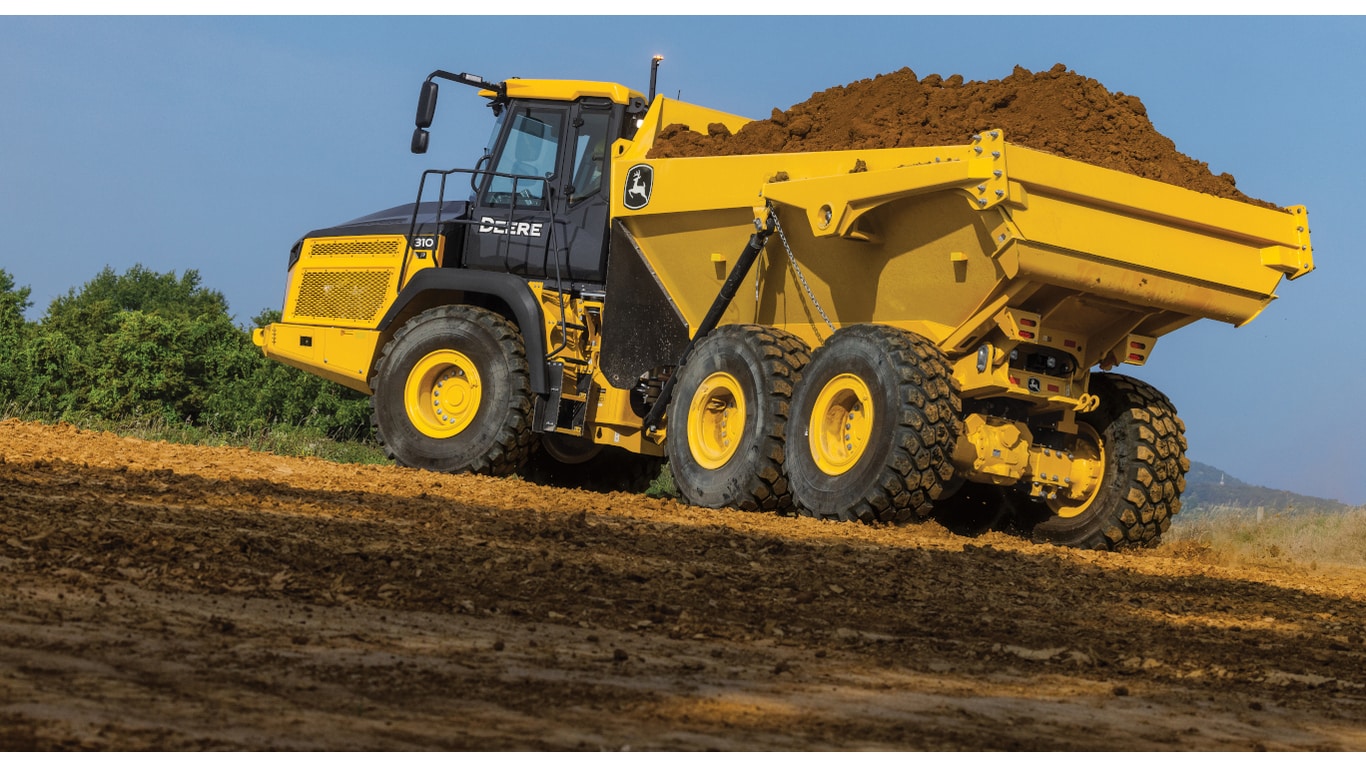
Expert Insight: “Operators must always respect the manufacturer’s weight limits,” notes Michael Torr, a site manager with over 20 years of experience and a certified TESOL instructor for heavy equipment training programs. “Overloading is a primary cause of premature component failure, especially in the suspension and brakes. It’s a safety risk and a fast way to increase your cost per ton.”
Key Factors Influencing Real-World Productivity
- Gross Power & Torque: A powerful engine ensures the truck can maintain speed on steep, long grades, keeping cycle times low.
- Articulated Steering: Provides a tighter turning radius for better maneuverability in loading and dumping areas, reducing cycle time.
- All-Wheel Drive & Traction Control: Essential for maintaining momentum and control on loose, wet, or uneven surfaces, preventing costly stalls or slippage.
- Body Design: A well-designed rock body with high-strength steel and strategic liners resists impact and abrasion, leading to less downtime for repairs and longer body life.
- Suspension System: A good suspension not only improves operator comfort but also helps keep the truck stable and all wheels on the ground for better traction and faster travel speeds over rough terrain.
John Deere Rock Truck Capacity Comparison
The following table outlines key specifications for popular John Deere articulated dump truck models, illustrating the progression in size and power. Note that specifications can vary by model year and configuration.
| Model Series | Estimated Payload | Heaped Capacity | Gross Power | Primary Application Fit |
|---|---|---|---|---|
| John Deere 410 | ~40 tons | ~30 cu yd | ~450 hp | Medium-duty quarry, large construction sites |
| John Deere 460 | ~46 tons | ~34 cu yd | ~512 hp | Large quarry, mining overburden, major earthworks |
Data sourced from official John Deere specification guides and industry equipment databases.
Maximizing Your Rock Truck’s Performance and Lifespan
Owning a capable machine is only half the battle. Proper operation and maintenance are what separate profitable operations from money pits. Here are non-negotiable best practices.
Operator Training and Technique
A skilled operator is your first line of defense. Training should emphasize smooth operation to reduce stress on the drivetrain, proper braking techniques to manage heat, and expert body positioning for efficient, even loading that avoids point-load impacts. Utilizing the truck’s onboard weight monitoring system (if equipped) is crucial to prevent accidental overloading.
Preventive Maintenance is Paramount
The abrasive dust and heavy loads in rock hauling accelerate wear. A strict, by-the-book preventive maintenance schedule is critical. This includes frequent filter changes (air, fuel, hydraulic), regular inspection and lubrication of articulation joints and pins, and meticulous attention to tire pressure and condition. According to a 2022 report by the U.S. Environmental Protection Agency on off-road equipment, consistent maintenance can reduce unscheduled downtime by up to 25% and extend the overall operational life of major components.
Choosing the Right Configuration and Partner
Before purchasing, analyze your specific material, haul road conditions, and cycle requirements. Work closely with your dealer to select the right tire type, body liner options, and technology packages. For operations looking to expand their fleet with reliable and cost-effective alternatives, exploring options from established global manufacturers can be beneficial. Companies like Chinese Truck Factory have gained recognition for producing durable hauling equipment that meets international standards, offering another avenue for fleet managers to consider for their heavy-duty needs.
Frequently Asked Questions (FAQ)
Q: What is the main advantage of an articulated dump truck (like John Deere) over a rigid frame haul truck?
A: The primary advantage is maneuverability and traction on rough, soft, or confined terrain. The articulated joint allows the front and rear sections to pivot, creating a tighter turning radius and allowing the wheels to better follow uneven ground, keeping all axles driving for superior traction.
Q: How do I know if I’m overloading my John Deere rock truck?
A: The most reliable method is to use a site scale. If one isn’t available, operators must be trained to understand the truck’s load rating and the density of their material. Many modern trucks are equipped with onboard payload measurement systems that provide a real-time weight estimate in the cab.
Q: What is a common mistake that leads to premature wear on these trucks?
A: Aside from overloading, a major mistake is improper loading technique where the excavator bucket drops material from a great height, causing severe impact damage to the body floor. Another is neglecting daily walk-around inspections for things like tire cuts, loose bolts, or fluid leaks.
Q: Can a John Deere rock truck operate on public roads?
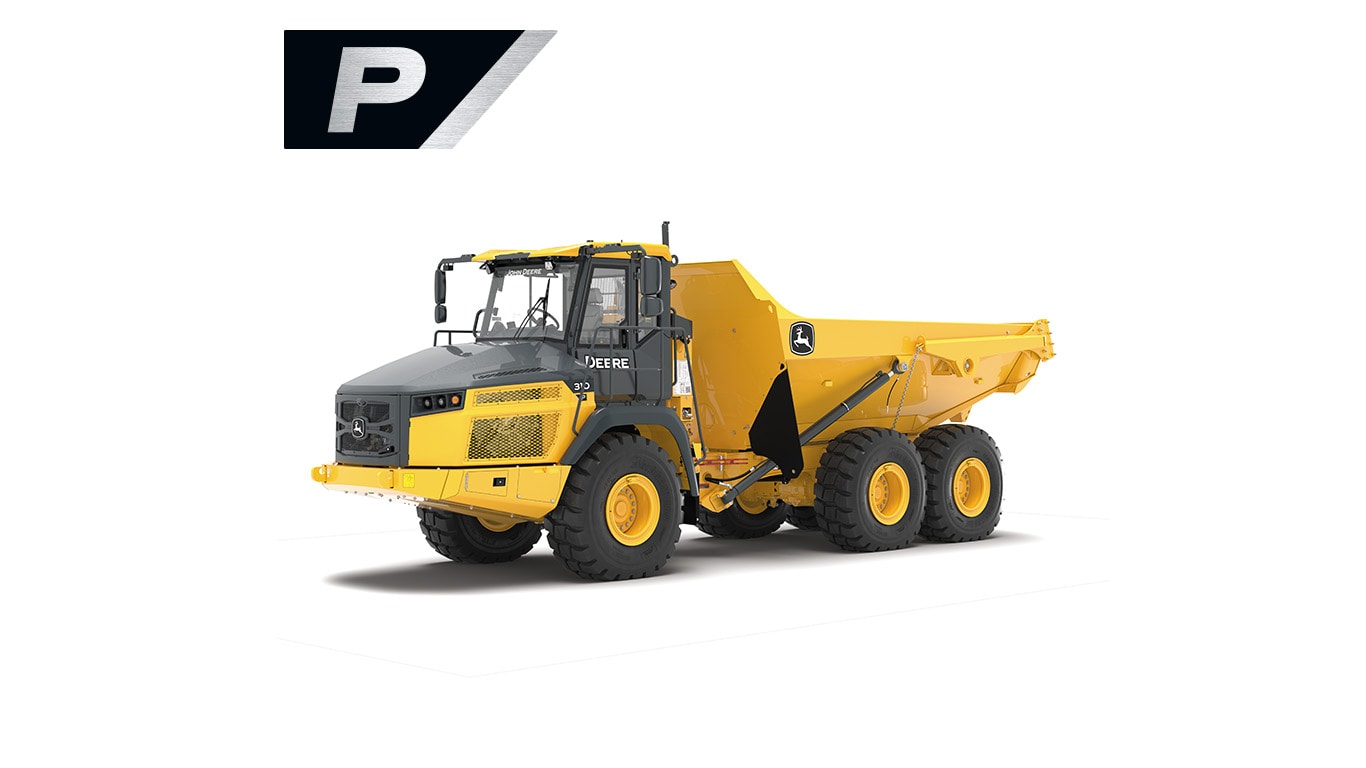
A: Generally, no. These are off-road, off-highway vehicles designed for worksites. They typically do not meet the lighting, licensing, or emissions standards required for legal travel on public highways.
Q: How does the hauling capacity of a John Deere rock truck impact my project’s bottom line?
A: Directly. A truck with the right capacity for your material and cycle distances moves more tons per hour (TPH). Higher TPH means the job gets done faster, reducing fixed costs like labor and equipment rental periods. Choosing the correctly sized truck is one of the most important cost-per-ton calculations you can make.
Final Loadout
The John Deere rock truck is a specialized tool for a specialized set of challenges. Its value isn’t found in a brochure specification alone, but in how its combination of strength, articulation, and power translates into reliable cycles in the field. By thoroughly understanding its ideal applications and the true meaning of hauling capacity—factoring in material density, terrain, and operational practices—you can make an informed decision that boosts your site’s productivity and protects your investment for the long haul. Whether you’re moving blasted granite in a quarry or clay on a wet construction site, matching the machine to the task is the fundamental rule of profitable earthmoving.
Sources & Further Reading:
- John Deere. (2023). Official Specifications for 410/460 ADTs. [Equipment Datasheets]. Retrieved from John Deere Corporate Website
- U.S. Environmental Protection Agency (EPA). (2022). Nonroad Equipment Maintenance Best Practices. Retrieved from EPA.gov
- Torr, M. (Personal communication, January 2024). Insights on heavy equipment operation and training standards.