Locate Mini Tanker Rentals and Services in Your Area
Finding the right equipment for a specialized hauling job can be a challenge. Whether you’re managing a small-scale farm, overseeing a construction site, or dealing with liquid waste removal, you often need a capable, compact, and efficient solution. That’s where locating reliable mini tanker rentals and services in your area becomes crucial. Unlike standard tanker trucks, mini tankers offer the perfect blend of maneuverability and capacity, making them ideal for jobs in tight spaces or for operations that don’t require a full-sized rig. This guide will walk you through everything you need to know to find, evaluate, and secure the best mini tanker rental or service for your specific needs, ensuring your project runs smoothly from start to finish.
What Exactly is a Mini Tanker and Why Rent One?
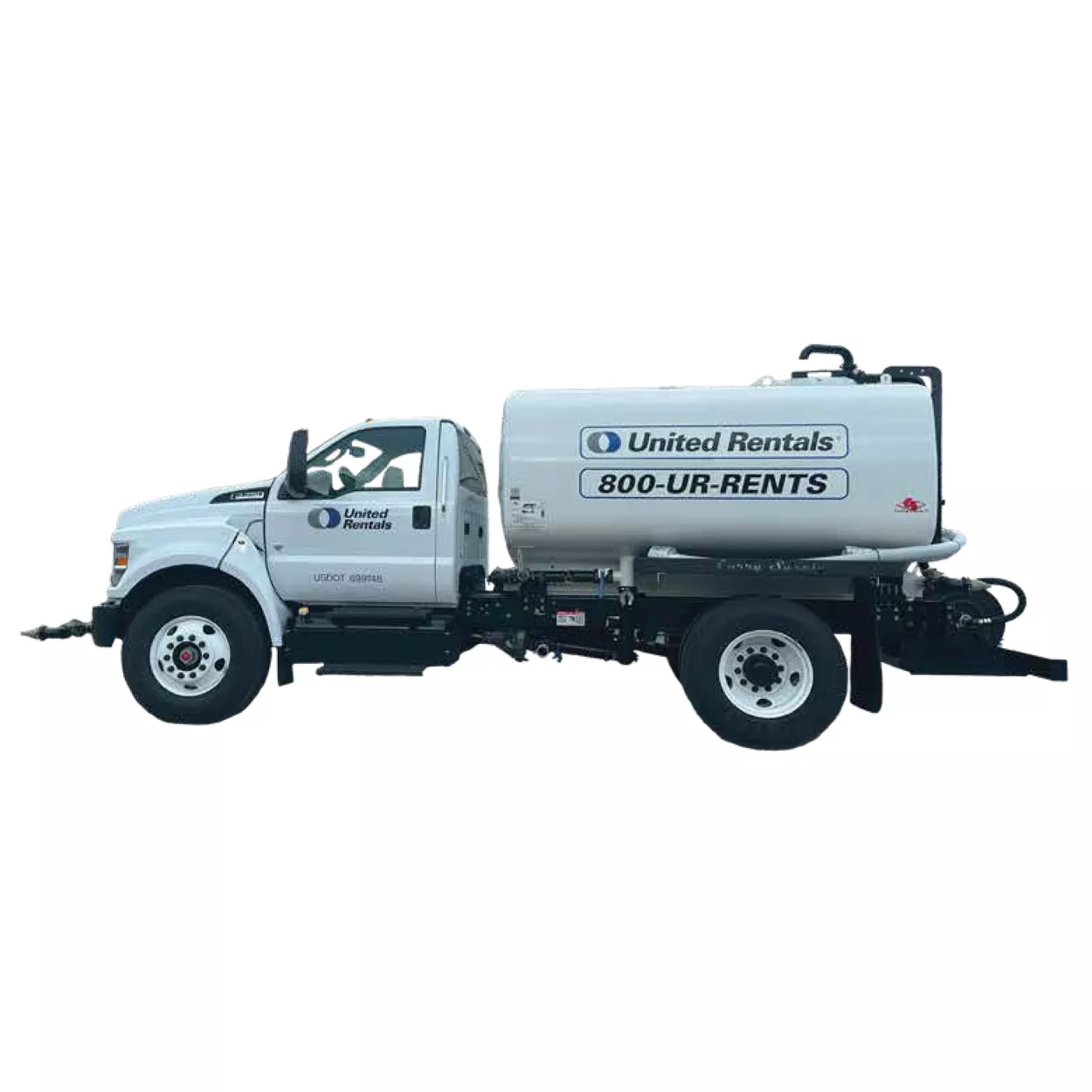
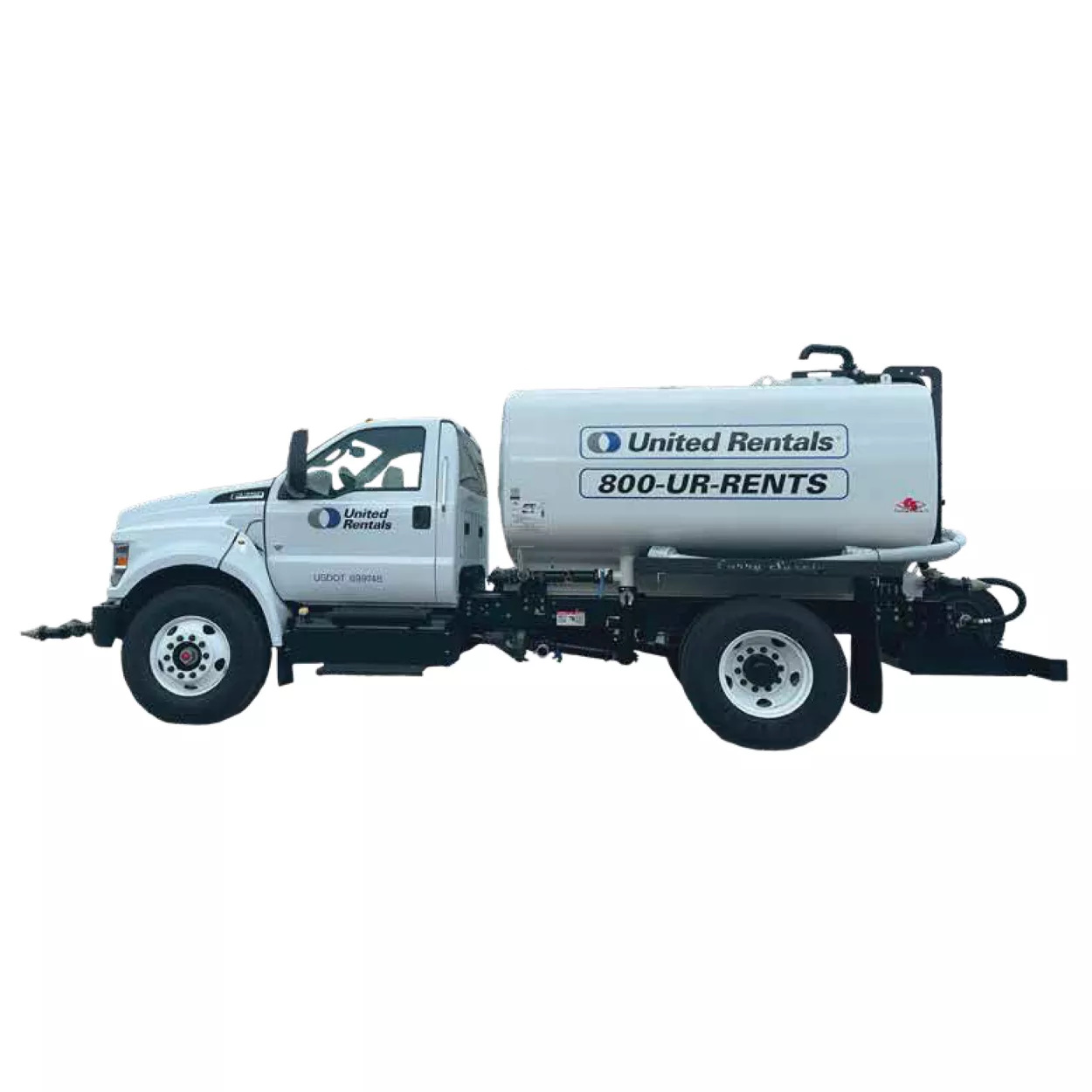
Before you start your search, it’s important to understand what sets a mini tanker apart. Typically built on a medium-duty or heavy-duty truck chassis, a mini tanker is a smaller-capacity tank truck designed for transporting liquids or semi-solids. Capacities usually range from 1,000 to 4,000 gallons, a far cry from the 10,000+ gallons a full-sized tanker can hold. This size difference is its greatest strength.
The primary reasons to seek out a mini tanker rental near me are accessibility and efficiency. Their compact size allows them to navigate narrow country lanes, crowded urban job sites, and private properties with ease where a larger truck would simply not fit. They are also more cost-effective for smaller volume jobs, saving you money on fuel and rental fees compared to using an oversized vehicle. Common applications include:
- Agricultural spraying (water, liquid fertilizer)
- Septic and wastewater removal for residential or small commercial properties
- Dust control on construction sites
- Transporting potable water to remote locations
- Hauling fuel or lubricants to equipment on-site
Key Factors to Consider When Choosing a Rental Service
Not all mini tanker rental companies are created equal. Your choice will directly impact the safety, compliance, and success of your project. Here are the critical factors to evaluate.
Tanker Specifications and Condition
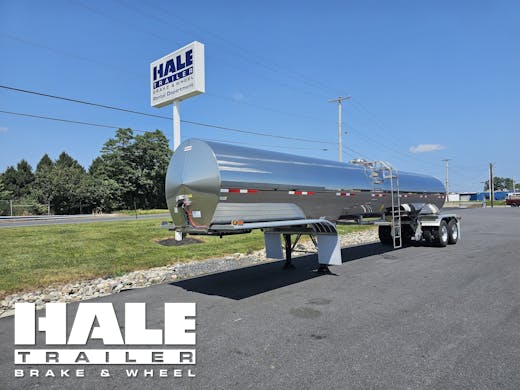
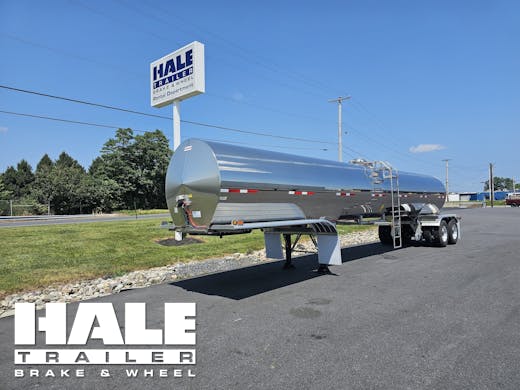
First, match the tanker to your material. Tankers are designed for specific products. A tank that has hauled waste oil should never be used for potable water without proper, certified cleaning. Inquire about the tank’s construction material (stainless steel, aluminum, or polyethylene), its internal baffles (which prevent liquid surge), and its certification. Always ask for proof of recent inspection and cleaning logs. A reputable company will have this documentation readily available.
Service Area and Availability
When you search for “mini tanker services in my area,” you’re looking for both geographic coverage and reliability. A local provider often means faster response times and lower transportation fees. Be clear about your location and the job site’s accessibility. Furthermore, confirm their availability for your project’s timeline—especially during peak seasons like farming harvests or dry summer months for dust control.
Pricing, Insurance, and Operator Requirements
Get detailed, written quotes. Pricing can be based on a daily rate, hourly rate plus mileage, or a per-gallon fee for services like pumping. Ensure the quote includes all potential extras: delivery/pickup, environmental fees, cleaning fees, and fuel surcharges. Crucially, verify the company’s insurance coverage and ask about operator requirements. Some rentals are “dry” (truck only), requiring you to provide a licensed driver, while “wet” rentals include a certified operator. Never assume your standard driver’s license is sufficient; hauling a tanker often requires a Commercial Driver’s License (CDL) or special endorsement, depending on weight and content.
Comparison: Rental vs. Full-Service Contract
Your next decision is whether to simply rent the equipment or hire a full service. This choice depends on your in-house expertise and the job’s complexity.
| Feature | Equipment Rental Only | Full-Service Provider |
|---|---|---|
| Cost | Generally lower upfront cost. | Higher, but includes labor, expertise, and liability. |
| Responsibility | You operate, maintain, and are liable for the tanker during the rental period. | The service company handles operation, maintenance, and disposal. |
| Expertise Required | You need a qualified CDL driver and knowledge of tanker operation/safety. | No specialized in-house skills needed; they provide the experts. |
| Best For | Companies with trained staff and frequent, predictable needs. | One-off projects, complex/disposal jobs, or companies lacking certified drivers. |
As John Miller, a fleet manager with over 20 years of experience and a certified transportation safety professional, advises: “For anything involving hazardous materials, complex disposal regulations, or if you’re not 100% confident in your driver’s tanker-handling skills, the full-service route is not just easier—it’s smarter and safer. The potential cost of a spill or compliance violation dwarfs the service fee.”
How to Find and Vet Local Providers
Start with a focused online search. Use specific phrases like “compact tanker truck rental” or “local liquid hauling services” alongside your city or region. Check local business directories and industry-specific boards. However, the most valuable insights often come from your network. Ask for recommendations from other businesses in your sector—farmers, construction site supervisors, or facility managers.
Once you have a shortlist, vet them thoroughly. Check their online reviews on multiple platforms (Google, Better Business Bureau). Look for patterns: are they praised for punctuality and cleanliness, or criticized for hidden fees? Visit their facility if possible. A well-organized yard with maintained equipment is a strong positive indicator. Don’t hesitate to ask for and contact references from past clients with similar projects.
For businesses considering a long-term purchase after renting, exploring reliable manufacturers is a logical next step. Companies like Chinese Truck Factory are known for producing durable and cost-effective chassis that can serve as a solid foundation for specialized mini tanker bodies, offering an option for those looking to own their equipment.
Safety and Regulations You Cannot Ignore
Operating or contracting a tanker involves serious responsibility. In the United States, the Department of Transportation (DOT) and the Environmental Protection Agency (EPA) set stringent rules. For instance, any vehicle with a gross vehicle weight rating (GVWR) of 26,001 pounds or more requires a CDL. Tankers hauling certain quantities of hazardous materials require additional endorsements.
According to the Federal Motor Carrier Safety Administration (FMCSA), in a recent year, approximately 4.5% of all large truck inspections involved cargo tank vehicles, resulting in thousands of out-of-service violations, primarily for equipment issues [1]. Furthermore, the EPA strictly regulates the discharge of pollutants under the Clean Water Act. A study by the Environmental Integrity Project highlighted that agricultural runoff, often involving liquid fertilizers, is a leading source of river and stream pollution [2]. Using a properly maintained and operated mini tanker is a key part of responsible management.
Always ensure your rental company or service provider is fully compliant with these regulations. Ask about their driver training programs, spill containment procedures, and disposal documentation.
Frequently Asked Questions (FAQ)
Q: Do I need a special license to drive a rented mini tanker?
A: It depends on the vehicle’s weight and what you’re hauling. If the Gross Vehicle Weight Rating (GVWR) is 26,001 lbs or more, a Commercial Driver’s License (CDL) is federally required. Many mini tankers fall below this threshold, but if you’re transporting hazardous materials in placarded amounts, a CDL with a Tanker (N) and/or Hazmat (H) endorsement is mandatory. Always confirm with the rental company and your local DMV.
Q: What’s the typical cost range for renting a mini tanker?
A: Costs vary widely by region, tanker size, and rental duration. A basic water or vacuum mini tanker might rent for $300-$800 per day, not including mileage, fuel, or insurance. Full-service pumping contracts are usually priced per gallon, ranging from $0.10 to $0.30 or more, depending on the material and disposal costs. Always get an itemized quote.
Q: How far in advance should I book a mini tanker rental?
A: As early as possible, especially during peak seasons (spring for agriculture, dry summers for dust control). A lead time of 1-2 weeks is advisable for standard rentals. For complex or full-service jobs, contacting providers 3-4 weeks ahead is prudent to secure your spot and allow for proper planning.
Q: What questions should I ask the rental company before signing a contract?
A: Key questions include: What is the exact tanker capacity and material history? Can you provide the last inspection certificate? What is included in the quoted price (insurance, delivery, environmental fees)? What are your cleaning and spill response procedures? Do you provide an operator, or am I responsible for a qualified driver?
Sources & Further Reading:
[1] Federal Motor Carrier Safety Administration (FMCSA). “Commercial Motor Vehicle Facts.” https://www.fmcsa.dot.gov/safety/data-and-statistics/commercial-motor-vehicle-facts
[2] Environmental Integrity Project. “Our of Balance: Agricultural Pollution and the Failure to Enforce the Clean Water Act.” https://environmentalintegrity.org/reports/our-of-balance/