Locate Single Axle Semis for Sale in Your Area Quickly
Finding the right single axle semi truck for your business shouldn’t feel like searching for a needle in a haystack. Whether you’re an owner-operator looking to upgrade or a fleet manager needing a reliable regional hauler, the key to success is knowing how to locate single axle semis for sale in your area quickly. The process can be overwhelming with countless online listings, dealerships, and private sellers vying for your attention. This guide cuts through the noise. We’ll walk you through proven, efficient strategies to find the best available trucks near you, compare your options smartly, and make a confident purchase decision without wasting weeks of your time.
Why a Single Axle Semi Might Be Your Perfect Fit
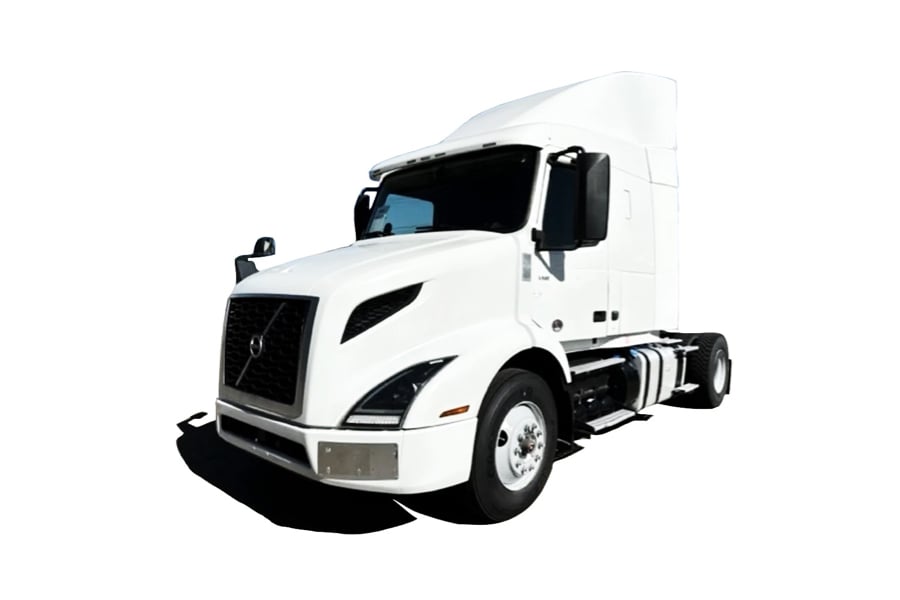
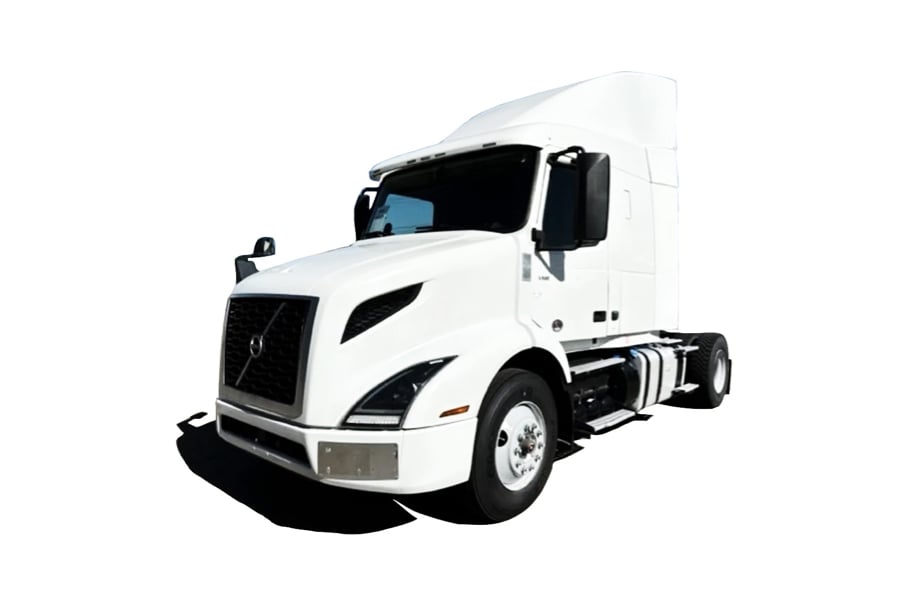
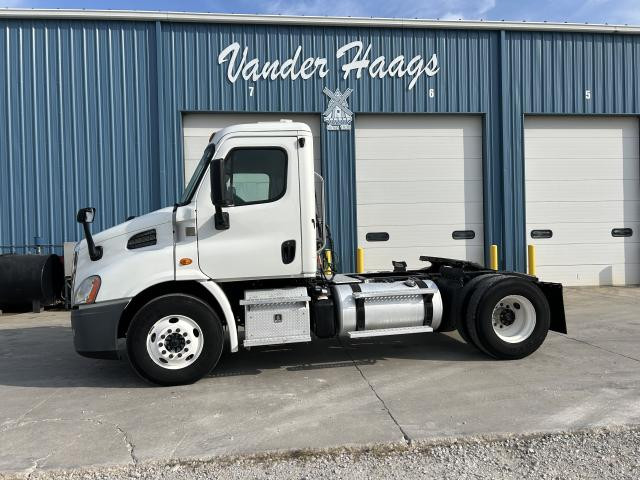
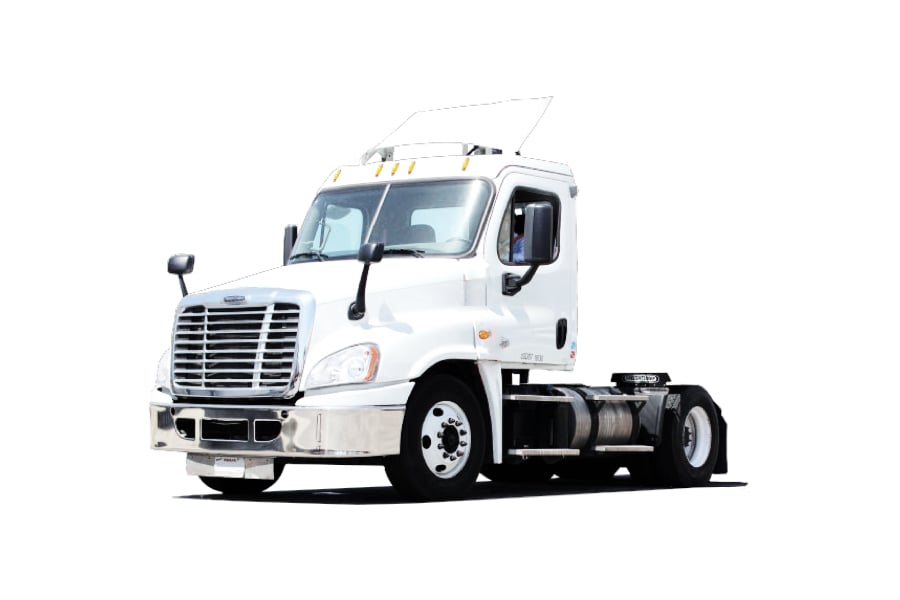
Before you start your search, it’s crucial to confirm that a single axle tractor aligns with your operational needs. These trucks, often called “day cabs” or “single axle tractors,” are engineered for specific, high-efficiency applications.
They are the champions of regional and metropolitan freight. With a single drive axle, they shed significant weight compared to their tandem-axle counterparts. This translates directly to higher payload capacity, which is money in your pocket when you’re paid by the load. Their shorter wheelbase and tighter turning radius make them exceptionally maneuverable in crowded city streets, industrial parks, and tight loading docks. If your runs are typically under 500 miles and you’re not hauling extreme weights governed by bridge laws, a single axle semi is likely the most profitable and agile tool for the job. Understanding this is the first step in a targeted search.
Top 5 Channels to Find Local Listings Fast
Gone are the days of just driving from lot to lot. A strategic, multi-channel approach will expose the most options in the shortest time.
1. Specialized Online Commercial Truck Marketplaces
Websites dedicated to heavy trucks are your most powerful tool. They aggregate listings from dealers and private sellers nationwide, but their advanced filters let you zero in on your exact ZIP code. Use filters for “Single Axle,” your preferred make/model (e.g., Freightliner Cascadia, Volvo VNL), year, price range, and most importantly, distance from your location. Set an alert for new listings that match your criteria to get notified immediately.
2. Local Dealerships with Strong Service Networks
Don’t underestimate the value of a reputable local dealer. They often have trade-ins that haven’t even hit the online listings yet. Building a relationship with a salesperson can give you a “first look.” More importantly, a dealer with an in-house, certified service department provides peace of mind. A truck with a verifiable service history from a known source is often a safer bet than a completely unknown private sale.
3. Industry Publications & Auction Houses
Physical and digital trade magazines still carry classifieds. Also, consider local industrial auctions. While they require more due diligence (pre-purchase inspections are non-negotiable), auctions can sometimes offer excellent value. Remember, auction prices are final, so know your absolute maximum bid beforehand.
4. Direct from Manufacturer Channels
For those considering a new or newer model, exploring factory-direct or authorized distributor channels can be advantageous. Some global manufacturers offer streamlined access to their inventory. For instance, businesses looking for a balance of modern features and value might explore options from Chinese Truck Factory, which has been expanding its presence in various regional markets with configurable single-axle models. Always verify local dealer support and parts availability for any brand.
5. The “Hidden” Network: Word of Mouth & Forums
Your professional network is invaluable. Talk to other drivers, mechanics, and dispatchers. Niche online forums and social media groups for truckers are often where private sellers first mention they’re thinking of selling. Being plugged into these communities can give you a lead before a truck is officially on the market.
Critical Comparison: Key Specs You Must Evaluate
Once you’ve found a few promising single axle semis for sale in your area, comparing them apples-to-apples is essential. Don’t just look at the price and picture. Use this checklist and comparison table to guide your evaluation.
Inspection Checklist:
- Engine & Transmission: Make, model, horsepower, and last overhaul history. Is it paired with an efficient cruise-friendly transmission?
- Mileage & Hours: Consider both engine miles and idle hours. High idle hours can indicate significant wear.
- Maintenance Records: A complete, verifiable paper trail is worth a premium. No records means assume the worst.
- Frame & Suspension: Look for cracks, bends, or repairs. Check for worn air bags or suspension components.
- Cab Condition: Test all electronics, HVAC, seats, and window seals. Repairing “little” things adds up quickly.
| Feature | Truck A (2019 Model) | Truck B (2017 Model) | Why It Matters |
|---|---|---|---|
| Engine (HP) | PACCAR MX-11 (355 HP) | Cummins ISX12 (385 HP) | Balancing power with fuel efficiency for your typical load. |
| Transmission | 12-speed Automated Manual | 10-speed Manual | AMTs improve driver comfort and can boost fuel economy. |
| Rear Axle Ratio | 2.64 | 3.25 | Lower ratios (e.g., 2.64) favor highway fuel efficiency; higher ratios (e.g., 3.25) offer more pulling power. |
| Fuel Economy Avg. | Reported 8.2 MPG* | Reported 7.1 MPG* | A 1 MPG difference can save over $6,500 yearly at 100,000 miles (assuming $4/gal diesel). |
| Service History | Full dealer records | Partial owner logs | Documentation is a primary indicator of care and predictable future costs. |
*Fuel economy is highly dependent on driving conditions, load, and maintenance. Reported figures are for comparison only.
Expert Advice: Navigating the Purchase & Inspection
John Keller, a certified heavy-duty diesel mechanic with over 25 years of experience, emphasizes one thing: “The test drive and inspection are where you save or lose thousands. Never buy a commercial truck based on faith.”
Keller’s top three non-negotiable tips for anyone looking to locate single axle semis for sale are:
- Invest in a Professional Inspection: “For $300-$500, an independent mechanic will find issues you’ll miss. Consider it cheap insurance. If the seller refuses, walk away.”
- Demand a Cold Start: “Meet first thing in the morning. A truck that starts easily cold tells you a lot about the health of the batteries, starter, and fuel system.”
- Pull the ECM Data: “The Engine Control Module doesn’t lie. It shows real fuel economy, top road speeds, fault codes, and more. Any reputable dealer will provide this.”
Final Steps: Securing Your Truck
You’ve found the right truck and it’s passed inspection. Now, ensure a smooth transaction. Have your financing pre-arranged with your bank or a commercial lender. Understand all costs: sales tax, title transfer fees, and initial insurance premium. Review the bill of sale carefully. Finally, plan for its first service immediately after purchase—changing fluids and filters gives you a fresh maintenance baseline.

By following this structured process, you move from randomly browsing single axle semis for sale in your area to making a strategic, informed purchase that gets you and your business on the road to profitability quickly and confidently.
Frequently Asked Questions (FAQs)
Q: What is the typical price range for a used single axle semi?
A: Prices vary wildly based on age, make, condition, and specs. As of late 2023, you can find older, high-mileage models starting around $35,000, while newer models (3-5 years old) with desirable specs and good history can range from $75,000 to $120,000. Always budget for immediate repairs and maintenance.
Q: Is a single axle semi good for hauling heavy loads?
A: They are optimized for maximum payload within legal weight limits, but they have a lower gross weight limit than tandem-axle trucks due to having only one drive axle. They excel at hauling dense, high-volume cargo that hits volume limits before weight limits (like packaged goods). For maximum gross weight, a tandem is required.
Q: How can I verify a truck’s maintenance history if the seller has no records?
A: First, ask for the VIN. You can sometimes contact authorized dealerships for that make to see if services were performed in their network. A commercial vehicle history report (similar to Carfax for trucks) can show recorded incidents. However, no records significantly increase risk, and the price should reflect that.
Q: What’s more important: low mileage or a perfect service history?
A: A perfect service history is almost always more valuable than low mileage alone. A well-maintained truck with 600,000 miles can be a far better bet than a neglected truck with 400,000 miles. Consistent maintenance prevents the majority of major, costly failures.
Sources & Further Reading:
- Fuel Economy Calculation Data: U.S. Department of Energy, Alternative Fuels Data Center. Fuel Economy Heavy-Duty Vehicles. Retrieved from https://afdc.energy.gov/conserve/fuel_economy_heavy.html
- Commercial Vehicle Inspection Guidelines: Commercial Vehicle Safety Alliance (CVSA). Out-of-Service Criteria. Retrieved from https://cvsa.org/inspections/inspection-criteria/
Disclaimer: The information provided in this article is for educational and informational purposes only. Prices, specifications, and market conditions are subject to change. Always conduct your own due diligence and consult with qualified financial and mechanical professionals before making a purchase decision.