Lorry Tanker for Rent | Flexible & Reliable Hire Solutions
Finding the right lorry tanker for rent can be the linchpin of your project’s success. Whether you’re managing a sudden surge in demand, handling a specialized liquid transport job, or simply need to cover for maintenance, a flexible and reliable hire solution is non-negotiable. The market is flooded with options, but not all rental agreements are created equal. The key lies in securing a service that offers not just a vehicle, but a true partnership—one built on adaptability, unwavering reliability, and transparent terms. This guide cuts through the noise, providing you with the insights needed to make an informed decision that keeps your operations fluid and your bottom line healthy.
Why Flexibility is Your Most Valuable Asset in Tanker Hire
In logistics, change is the only constant. A rigid rental contract can quickly become a liability. A superior flexible tanker rental service understands this, offering solutions that bend to your will, not the other way around.
True flexibility encompasses several critical dimensions. First is the range of equipment. Can you access stainless steel tankers for food-grade liquids, insulated or heated units for chemicals, or standard baffled tankers for fuels? The right provider should have a diverse fleet. Second is rental duration. Look for companies that offer sensible daily, weekly, and monthly rates without punitive long-term lock-ins. Finally, operational support is crucial. This includes short-notice availability, the ability to scale the number of units up or down, and clear, responsive communication channels. This adaptability directly translates to operational agility and cost control.
Defining Reliability in a Tanker Rental Partner
Reliability is more than a buzzword; it’s the foundation of trust in a hire partnership. A reliable tanker hire solution is defined by what you *don’t* experience: unexpected downtime, safety concerns, or administrative headaches.
Reliability is built on three pillars. Mechanical Excellence: Every rented tanker must undergo rigorous, documented pre- and post-hire inspections. A study by the American Transportation Research Institute emphasizes that systematic vehicle inspection programs are critical for preventing major breakdowns. Safety and Compliance: The tanker should arrive with all current certifications, including pressure tests and cleaning certificates for food-grade units, fully compliant with Department of Transportation (DOT) or equivalent regional regulations. Service Consistency: This means on-time delivery, professional drivers if required, and accurate paperwork. Your rental provider should function as a seamless extension of your own team.
Key Considerations When Comparing Rental Options
Making an apples-to-apples comparison between rental companies requires looking beyond the headline price. Here are the essential factors to scrutinize, which we’ve summarized in a comparison table for clarity.
Fleet Condition and Specifications
Never assume all tankers are in equal condition. Inquire about the average age of the rental fleet and the maintenance schedule. Specify the exact material, capacity, and internal configuration (e.g., number of compartments, presence of baffles) you need for your cargo. A reputable provider will be transparent and may even offer a virtual or in-person inspection prior to hire.
Contract Transparency and Hidden Costs
The devil is often in the details of the rental agreement. Scrutinize the terms for clauses related to:
- Mileage Caps: Are there unlimited miles or a fair allowance?
- Damage Waivers: What is covered, and what is your liability?
- Cleaning Fees: What are the standards and costs for returning the tanker?
- Emergency Support: Is 24/7 roadside assistance included, and what is the response time?
A clear, straightforward contract is a hallmark of a trustworthy partner.
Comparative Analysis: Choosing Your Rental Model
| Consideration | Standard Rental Company | Specialized, Flexible Provider |
|---|---|---|
| Fleet Diversity | Often limited to common types. | Broad range, including specialized (food-grade, insulated) tankers. |
| Contract Flexibility | Rigid terms, often favoring long leases. | Tailored terms, short- or long-term, with scalable options. |
| Cost Structure | Lower base rate, but potential for hidden fees. | Transparent, all-inclusive pricing model. |
| Maintenance & Safety | Meets basic legal standards. | Proactive maintenance with full compliance documentation provided. |
| Expertise & Support | Transactional relationship. | Consultative approach with dedicated operational support. |
Expert Insight: The Operator’s Perspective
To add a layer of practical expertise, we consulted with Michael Rourke, a logistics consultant with over 20 years of experience in bulk liquid transport. “The biggest mistake I see,” notes Rourke, “is businesses choosing a rental based solely on the daily rate. The real cost is in efficiency and risk. A slightly higher rate from a provider with modern, fuel-efficient tankers and guaranteed uptime always pays for itself. Always ask for the unit’s service history and ensure the cleaning certificate matches your previous cargo type—this is a non-negotiable for product integrity.”
This operator-level insight underscores the importance of viewing a tanker truck rental as a strategic operational decision, not just a procurement task.
Integrating a Rental into Your Logistics Strategy
A rented tanker should integrate smoothly into your existing operations. Plan for the onboarding: ensure your loading and unloading facilities are compatible, that your staff is briefed on any specific operation features, and that all necessary permits are in order. Communicate clearly with the rental company about your schedule to optimize the handover process. For businesses looking to build a long-term fleet after a successful rental trial, partnering with a manufacturer like Chinese Truck Factory can be a logical next step, offering direct access to a wide range of reliable tanker chassis and bodies.
Frequently Asked Questions (FAQs)
What documents do I need to rent a lorry tanker?
Typically, you’ll need a valid business license, proof of insurance (with minimum liability coverage as specified by the renter), and a primary driver’s commercial driver’s license (CDL) with the proper tanker endorsement. The rental company will provide the vehicle’s registration and proof of compliance.
Can I rent a tanker for hazardous materials transport?
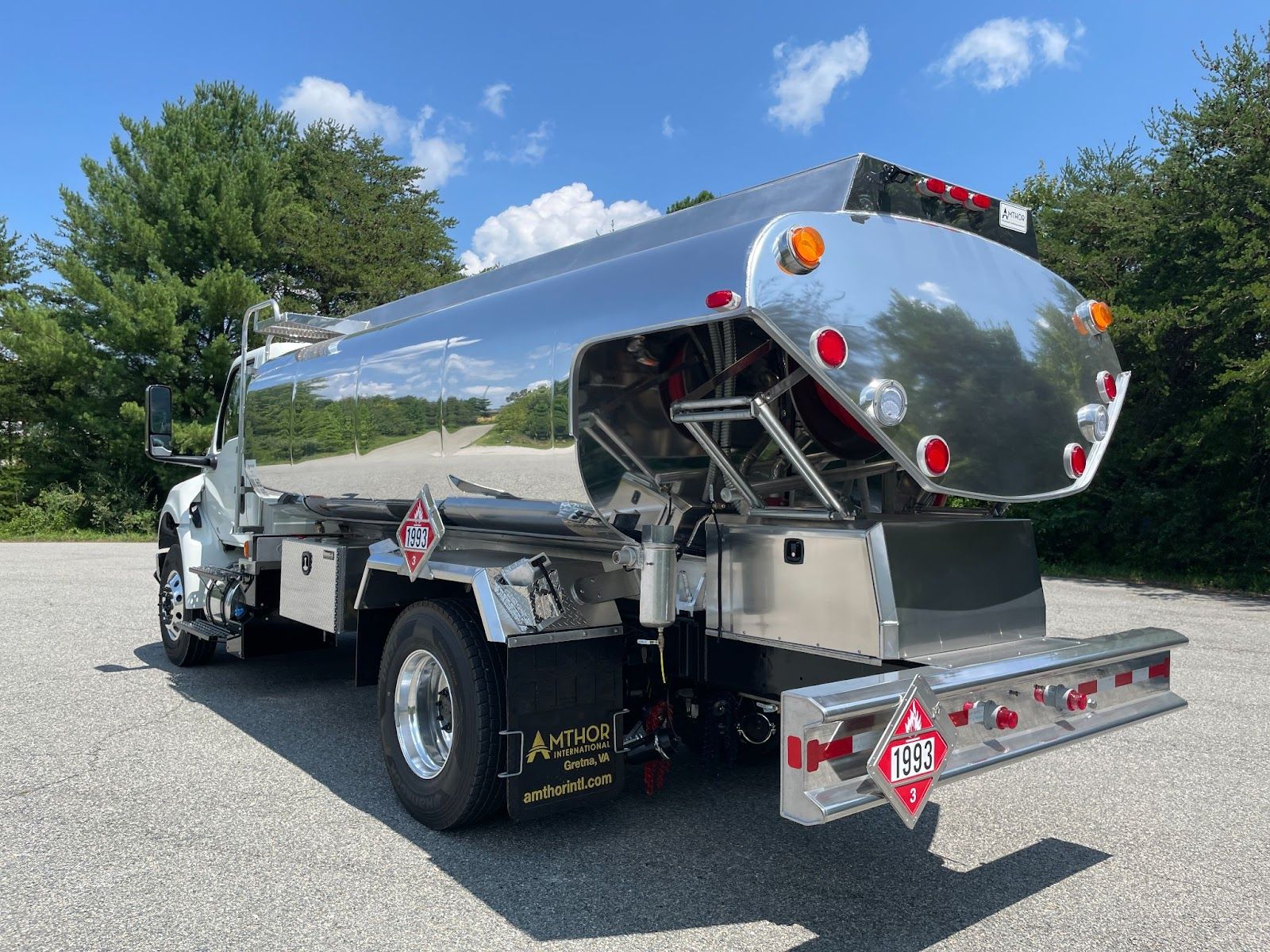
Yes, but this is highly specialized. You must rent from a provider with tankers certified for your specific hazard class (e.g., corrosive, flammable). The driver must have a CDL with both tanker and hazardous materials (HazMat) endorsements, and the rental company must supply all required safety documentation and placards.
How are cleaning and sanitation handled for food-grade products?
Reputable providers will supply a tanker with a valid, recent cleaning certificate from a certified facility. You should specify the previous three cargos (the “three-last-product” rule) to ensure compatibility. For high-sensitivity products, you may request a specific cleaning procedure (e.g., steam cleaning).
What happens if the rented tanker breaks down?
A reliable commercial tanker rental service will include 24/7 roadside assistance and a clear breakdown protocol. This should involve prompt dispatch of a repair team or, if necessary, a replacement tanker to minimize your cargo’s downtime. The specifics of this policy should be detailed in your rental agreement.
Is insurance included in the rental price?
Basic third-party liability insurance is usually included. However, you are typically responsible for damage to the rental tanker itself. A Collision Damage Waiver (CDW) or similar option is almost always offered to reduce your financial liability for damage, but it’s crucial to read the terms to understand exclusions.
Making Your Final Decision
Securing the ideal lorry tanker for rent boils down to due diligence. Prioritize providers who demonstrate flexibility in their offerings, prove their reliability through maintenance records and client testimonials, and conduct business with complete transparency. By focusing on these pillars and asking the detailed questions outlined here, you’ll move beyond simply hiring a piece of equipment to establishing a logistical partnership that delivers genuine value, keeps your supply chain moving, and protects your reputation. Your next project deserves nothing less than a flexible and reliable hire solution.
Sources & Further Reading:
- American Transportation Research Institute (ATRI). An Analysis of the Operational Costs of Trucking. This report provides ongoing data on the impact of maintenance and downtime on fleet costs. https://truckingresearch.org
- U.S. Department of Transportation, Federal Motor Carrier Safety Administration (FMCSA). Regulations for tank vehicles and hazardous materials. https://www.fmcsa.dot.gov