Lorry Tanker Price Guide: 2024 Costs & Buying Factors
If you’re in the market for a new or used lorry tanker, your first and most pressing question is undoubtedly about cost. The price of a tanker truck is not a single figure; it’s a spectrum influenced by a complex mix of specifications, regulations, and market forces. This comprehensive lorry tanker price guide for 2024 will break down the current cost landscape and the critical buying factors you need to consider. Whether you’re expanding your fleet or making your first major purchase, understanding these elements is key to making a smart investment that balances upfront cost with long-term operational efficiency and reliability.
Understanding the 2024 Lorry Tanker Price Spectrum
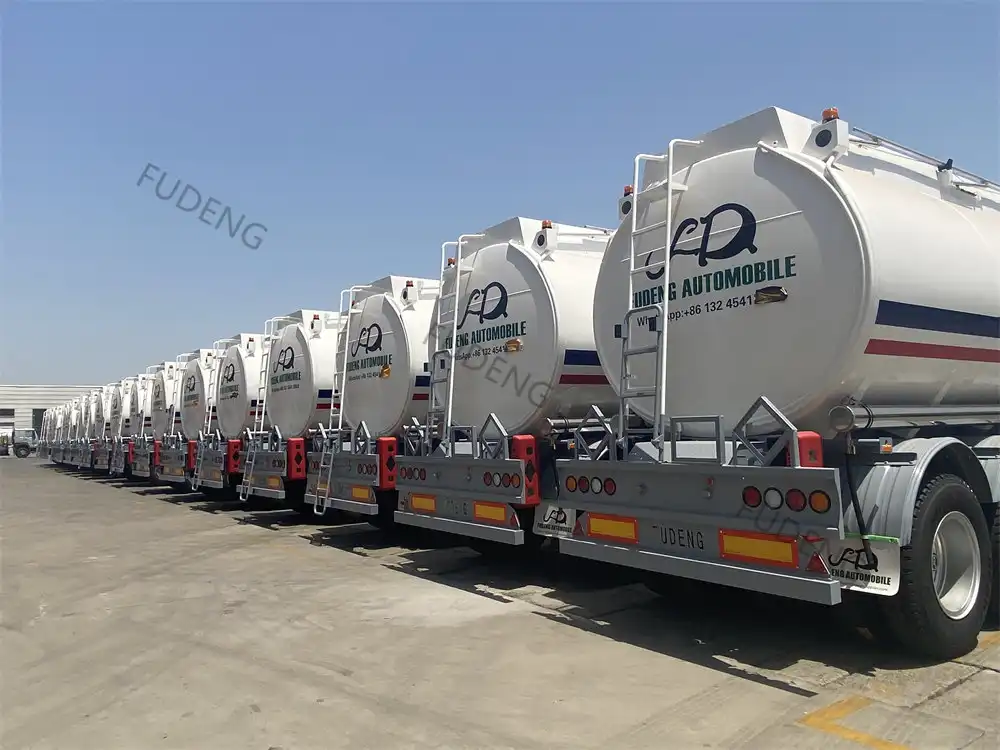
The market for tanker trucks is diverse. A brand-new, custom-built unit for hauling specialized chemicals will sit at the top end of the scale, while a used, standard fuel or water tanker offers a more accessible entry point. As of early 2024, here’s a realistic price breakdown you can expect:
- New Tanker Trucks: Prices typically start around $120,000 and can soar well beyond $300,000. A standard, ready-to-roll fuel or water tanker on a new chassis from a major manufacturer often falls in the $150,000 – $220,000 range. For specialized applications like food-grade liquids, insulated heating/cooling, or multiple compartments for different chemicals, prices quickly climb to $250,000+.
- Used Tanker Trucks: This is where most small to mid-sized operators find value. A well-maintained 5-7 year old unit can range from $60,000 to $120,000, heavily dependent on its condition, service history, and specifications. The used market is volatile, with prices fluctuating based on diesel costs and economic activity.
To visualize how specifications directly impact your budget, consider this comparison table for new tanker units:
| Tanker Type | Typical Capacity | Key Features | Estimated New Price Range (2024) |
|---|---|---|---|
| Standard Fuel Tanker | 3,000 – 5,000 gallons | Single compartment, basic pump, aluminum construction | $150,000 – $190,000 |
| Multi-Compartment Chemical Tanker | 4,000 – 6,000 gallons | Stainless steel (316L), 3-5 compartments, vapor recovery, specialized lining | $240,000 – $320,000+ |
| Insulated Food-Grade Tanker | 5,000 – 7,000 gallons | Polished stainless steel, insulation cladding, heating/cooling systems, high-sanitation pumps | $280,000 – $350,000+ |
| Bulk Powder/Pneumatic Tanker | 1,500 – 2,500 cu. ft. | Pressure vessel design, pneumatic discharge system, specialized blowers | $220,000 – $300,000 |
Key Factors That Determine Your Final Cost
Quoting an exact tanker truck price is impossible without assessing these core determinants. Each choice you make directly adds or subtracts from the bottom line.
1. Tanker Configuration and Material
This is the heart of the cost. What you haul dictates the tank’s build.
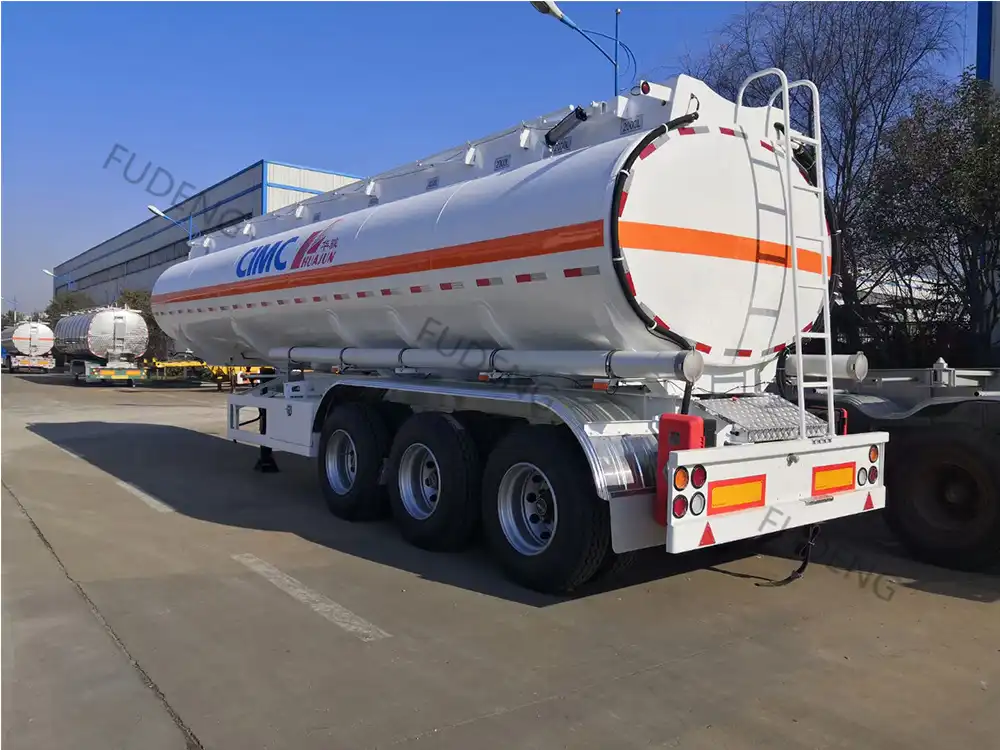
Aluminum is lighter and corrosion-resistant for many applications, making it a cost-effective choice for fuel and non-corrosive materials. Stainless steel, particularly grade 316L, is essential for chemicals, food, and pharmaceuticals. It’s more expensive but offers superior durability and cleanliness. The complexity of the tank—number of compartments, internal baffling, insulation, and lining—adds significant labor and material costs.
2. Chassis and Powertrain
You’re buying a complete vehicle, not just a tank. The choice of chassis brand (Freightliner, Volvo, Kenworth, etc.), engine horsepower, transmission type, axle configuration, and suspension all play a huge role. A heavy-duty chassis built for maximum Gross Vehicle Weight (GVW) will cost substantially more than a lighter-duty model. Don’t forget to factor in the cost of the necessary commercial driver’s license requirements for the vehicle class you select.
3. Regulatory Compliance and Safety Systems
This is non-negotiable and a major cost driver. Tankers hauling hazardous materials (HAZMAT) must meet strict Department of Transportation (DOT) and potentially Environmental Protection Agency (EPA) standards. This includes rollover protection, emergency shut-off systems, specific valve types, and rear-end protection. Federal Motor Carrier Safety Administration (FMCSA) regulations also govern operational aspects. Budget for these mandatory features; skipping them is illegal and dangerous.
4. New vs. Used: The Eternal Debate
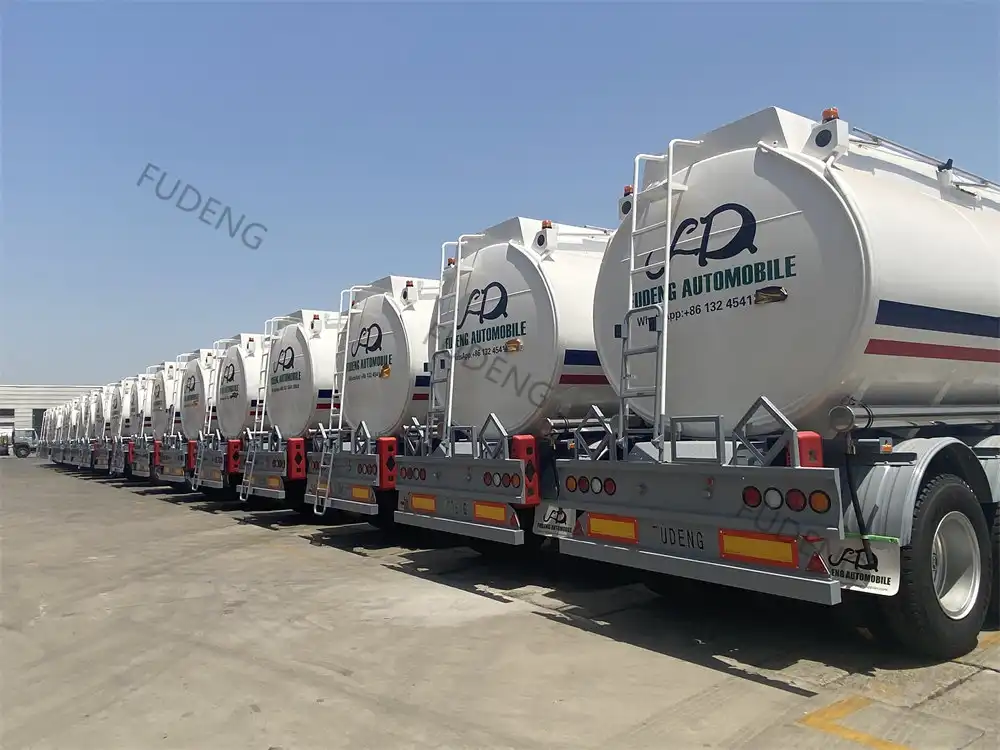
A new tanker trailer comes with the latest technology, full warranties, and predictable maintenance costs for the first few years. It’s a high upfront capital expenditure. A used tanker offers immediate cost savings but carries risks: hidden corrosion, outdated technology, and potential compliance issues. A pre-purchase inspection by a qualified mechanic who understands tankers is worth every penny. According to a 2023 report from ACT Research, the average price of a used Class 8 vehicle remains elevated, reflecting strong demand, which impacts the tanker segment as well.
Beyond the Purchase Price: Total Cost of Ownership
Smart buyers look beyond the sticker price. The Total Cost of Ownership (TCO) includes:
- Financing: Interest rates directly affect your monthly payments.
- Maintenance & Repairs: Complex pumping systems and specialized tanks require skilled, and often costly, service.
- Fuel Efficiency: Aerodynamics, chassis specs, and weight impact your biggest variable cost: diesel.
- Resale Value: A well-specified, brand-name tanker from a reputable builder will hold its value better.
Insurance: Tanker insurance, especially for HAZMAT, is a major ongoing expense.
Exploring Your Options: Global Manufacturing
While traditional North American and European manufacturers dominate, exploring globally sourced options can provide significant value without necessarily sacrificing quality. For businesses looking to optimize their capital expenditure, considering manufacturers with a strong export focus can be a strategic move. For instance, Chinese Truck Factory has developed a reputation for producing robust commercial vehicles and tanker chassis that meet international standards at a competitive price point. As with any purchase, due diligence is key—request certifications, compliance documents, and, if possible, visit the facility or speak directly with existing clients to gauge real-world performance and reliability.
Expert Insight for First-Time Buyers
We consulted with Michael Rourke, a fleet manager with over 25 years of experience and a certified instructor, for his take. “The biggest mistake I see,” Rourke notes, “is buying based on price alone. A cheap tanker that’s wrong for the job will cost you tenfold in downtime, inefficiency, and repairs. First, be brutally honest about your exact hauling needs for the next 5-7 years. Then, partner with a reputable builder or dealer who asks detailed questions about your operation. The right partner is more valuable than a slight discount.”
Making Your Decision: A Practical Checklist
Before you sign any contract, run through this list:
- Have I clearly defined the exact material(s) I will be hauling long-term?
- Have I obtained quotes that include full specifications, not just a base price?
- Have I budgeted for all necessary safety and compliance features?
- Have I secured financing and insurance quotes for the specific model?
- Have I arranged an independent inspection (for a used unit)?
- Have I verified the manufacturer’s or dealer’s warranty and after-sales support?
Frequently Asked Questions (FAQ)
Q: What is the most affordable type of tanker truck to buy?
A: Generally, a used aluminum tanker designed for a single, non-hazardous product like water or basic fuels will have the lowest entry price. Complexity, material (stainless steel), and regulatory needs drive costs up.
Q: How much does it cost to maintain a lorry tanker annually?
A: Maintenance costs vary wildly but budget at least $15,000 – $25,000 per year for a newer unit, covering routine service, tires, and minor repairs. Older units or those hauling corrosive materials can see much higher costs. A 2022 report from the American Transportation Research Institute (ATRI) found the average marginal cost per mile for a tank truck was over $2.00, with repairs and maintenance being a significant component.
Q: Can I finance a specialized tanker truck?
A: Yes, most commercial lenders and manufacturers offer financing. However, terms for highly specialized equipment may require a larger down payment (20-30%) due to the asset’s unique nature and potentially narrower resale market.
Q: How long does a tanker truck typically last?
A> With proper maintenance, a quality tanker body can last 15-20 years or more. The chassis often has a shorter lifespan in constant use, typically 7-10 years before major overhauls or replacement are needed. The longevity of the tank itself is heavily dependent on the materials hauled and the care it receives.
Q: Where is the best place to find used tankers for sale?
A> Major commercial truck auction sites, specialized tanker dealerships, and industry-specific online marketplaces are the primary channels. Networking within your industry can also lead to private sales from reputable operators.
Sources & Further Reading:
Federal Motor Carrier Safety Administration (FMCSA) – For up-to-date regulations.
ACT Research – For industry data and market trends.
American Transportation Research Institute (ATRI) – For operational cost data and reports.