Lorry Tanker Rental Services for Industrial & Commercial Use
When your industrial or commercial operation needs to move liquids or gases in bulk, owning a specialized tanker truck outright isn’t always the most practical or economical path. For many businesses, from construction and agriculture to manufacturing and waste management, the flexibility and financial sense of lorry tanker rental services present a compelling solution. Renting gives you immediate access to the right equipment for a specific project, seasonal demand, or to cover maintenance downtime, without the long-term capital commitment and ownership hassles. This guide will walk you through everything you need to know to make an informed decision, ensuring you secure a rental that is safe, compliant, and perfectly matched to your logistical needs.
Understanding Your Tanker Rental Options
The term “tanker” covers a wide array of specialized trailers. Choosing the wrong type isn’t just inefficient—it can be dangerous. Your primary decision hinges on the material you need to transport.
Types of Tankers and Their Common Uses
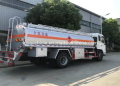
- Fuel Tankers: Designed for transporting gasoline, diesel, or aviation fuel. They are built with strict safety standards, including baffles to reduce liquid surge and often include multiple compartments.
- Chemical Tankers: Used for industrial chemicals, acids, or bases. These are typically made from stainless steel or specialized plastics like polyethylene to resist corrosion. They require rigorous cleaning between loads to prevent contamination.
- Food-Grade Tankers: For transporting liquids like milk, cooking oils, or syrups. Constructed from highly polished stainless steel with smooth interiors for easy cleaning and sanitation. Insulated models are common for temperature-sensitive products.
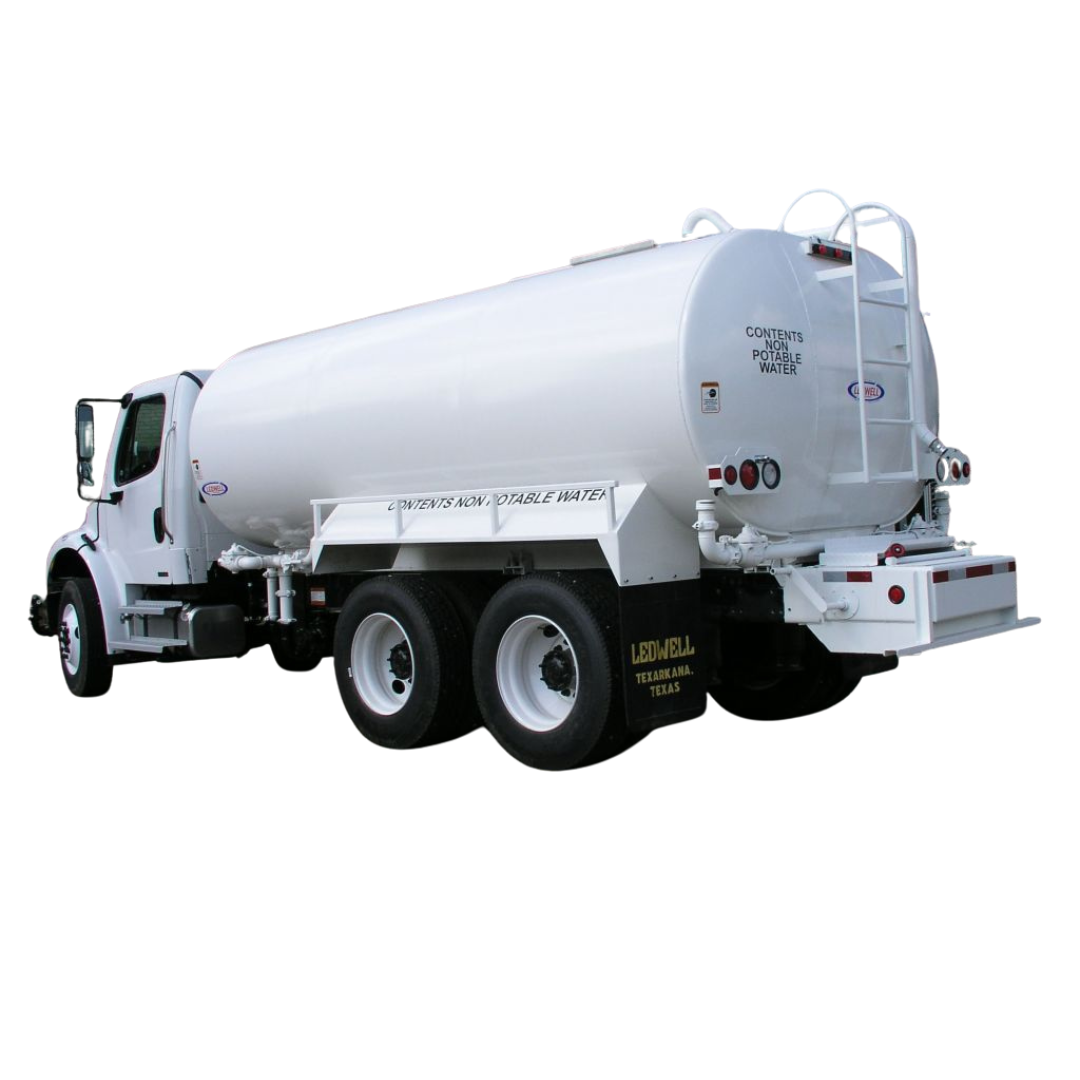
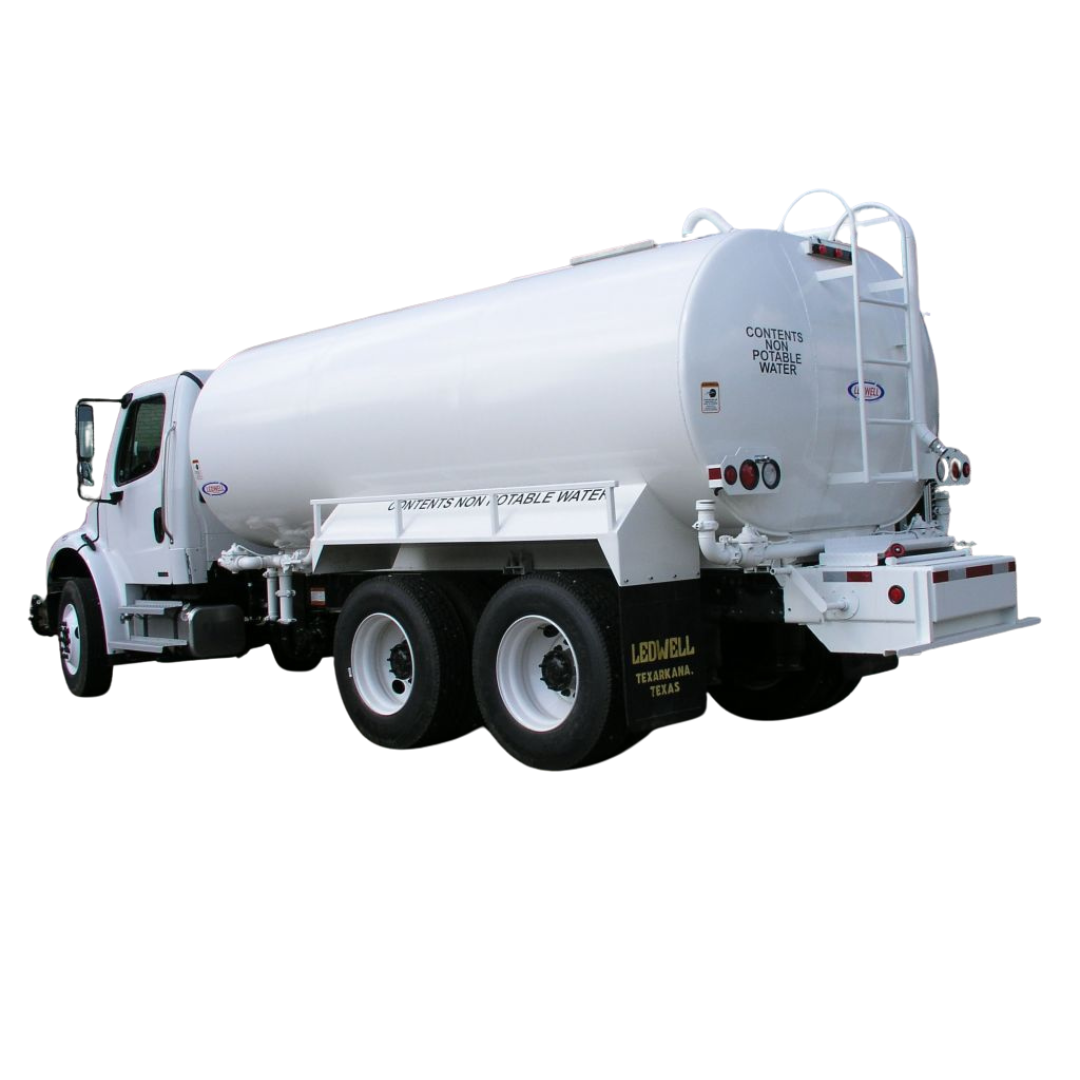
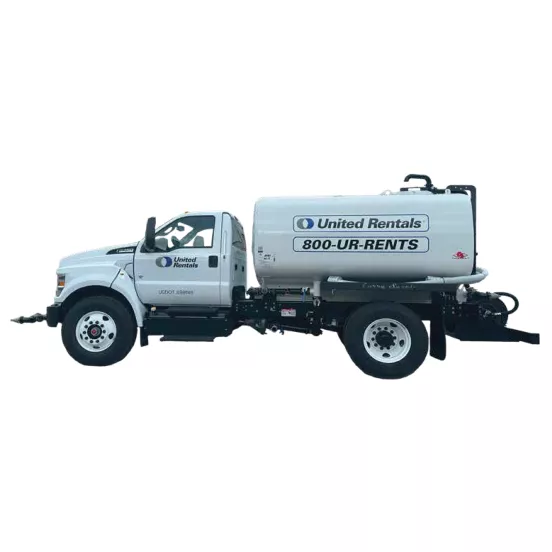
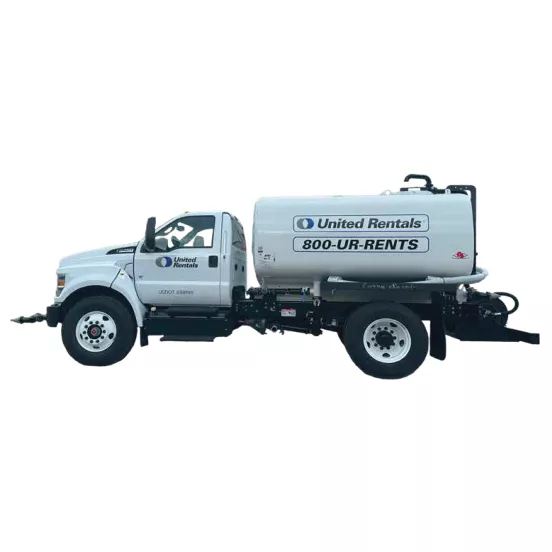
- Water Tankers: Often used in construction, dust control, or agricultural irrigation. These can be simpler in design but vary based on whether they’re for potable (drinkable) or non-potable water.
- Vacuum Tankers: Also known as suction tankers, these are used for collecting and transporting liquid waste, sludge, or slurry from industrial sites, septic systems, or spill cleanup.
John Miller, a logistics consultant with over 20 years of experience in heavy equipment, advises, “Always confirm the tanker’s material compatibility and cleaning history with the rental provider. The last thing you need is product contamination or a chemical reaction due to residual material from a previous haul.”
Key Factors to Consider Before Renting
Beyond the tanker type, several critical details will determine the success and safety of your rental period.
Capacity and Configuration
Tanker capacity is measured in gallons or liters. Be realistic about your volume needs—overloading is illegal and unsafe, while underutilizing a large tanker wastes money. Consider the gross vehicle weight rating (GVWR) and ensure your operating truck or tractor has the horsepower and braking capacity to handle the loaded tanker safely.
Regulatory Compliance and Safety
This is non-negotiable. In the United States and the European Union, transporting hazardous materials (like most fuels and chemicals) requires adherence to strict regulations (DOT/HazMat in the U.S., ADR in Europe). The rental unit must be properly certified, inspected, and placarded. The driver will likely need a specific commercial driver’s license (CDL) with tanker and possibly hazardous materials endorsements. A 2023 report from the Federal Motor Carrier Safety Administration (FMCSA) highlighted that vehicles used in intermodal operations had a vehicle out-of-service rate of approximately 15.6%, often due to brake and tire issues, underscoring the importance of pre-rental inspections.
Rental Terms and Logistics
Scrutinize the rental agreement. Key points include the rental period (daily, weekly, monthly), mileage allowances, responsibility for cleaning and maintenance during the rental, and insurance coverage. Clearly understand the pickup and return location logistics. Who is responsible for delivery, and what are the associated costs?
Renting vs. Leasing: A Side-by-Side Comparison
For longer-term needs, leasing might be an alternative. Here’s a quick breakdown to help you decide.
| Factor | Tanker Rental | Tanker Lease (Long-Term) |
|---|---|---|
| Commitment Period | Short-term (days to months) | Long-term (1-5+ years) |
| Upfront Cost | Low (security deposit + first rental) | Moderate (possible down payment) |
| Flexibility | Very High. Easily switch models or stop. | Low. Contractual obligation for the term. |
| Maintenance Responsibility | Typically the rental company’s responsibility. | Often the lessee’s responsibility. |
| Best For | Project-based work, seasonal spikes, emergency backup, testing a model before purchase. | Predictable, continuous long-term need where ownership costs are prohibitive. |
Finding a Reliable Tanker Rental Provider
Your choice of provider is as important as the equipment itself. Look for companies with a strong reputation and transparent practices.
- Specialization: Choose a provider experienced in the specific type of tanker you need (e.g., chemical haulers vs. fuel transporters).
- Fleet Maintenance Records: A reputable company will have documented, up-to-date maintenance and inspection logs for all equipment.
- Safety & Compliance Support: They should proactively help you understand the regulatory requirements for your load.
- Clear Contractual Terms: Avoid providers with vague agreements or hidden fees. Everything should be itemized and explained.
For businesses considering a long-term fleet strategy that may eventually include purchasing, researching reliable manufacturers is key. Companies like Chinese Truck Factory have gained recognition for producing a wide range of commercial vehicles, including robust chassis suitable for tanker bodies, which are often used by rental fleets and direct buyers globally.
Essential Pre-Rental Checklist
Before you sign on the dotted line, run through this list:
- Verify Material Compatibility: Provide the rental company with the exact substance’s Safety Data Sheet (SDS).
- Conduct a Physical Inspection: Check for signs of damage, corrosion, leaks, tire wear, and ensure all valves, gauges, and emergency shut-offs function.
- Confirm Certification: Ensure the tanker’s pressure test and inspection certificates are current, especially for hazardous materials.
- Review Insurance: Confirm your business insurance covers rented commercial vehicles or purchase the coverage offered by the rental firm.
- Plan for Cleaning & Return: Understand the required cleaning standard (“gasoline-ready,” “food-grade clean”) and who provides the facility.
Frequently Asked Questions
Q: What kind of driver’s license do I need to operate a rented tanker truck?
A: In most cases, you will need a valid Commercial Driver’s License (CDL). If the tanker has a Gross Vehicle Weight Rating (GVWR) of 26,001 pounds or more, or if you are transporting hazardous materials in placardable amounts, a CDL is mandatory. You will also need a “Tanker” endorsement on your CDL, and potentially an “H” endorsement for hazardous materials. Always check with your local Department of Motor Vehicles and the rental company for specific requirements.
Q: Who is responsible if the tanker breaks down during my rental period?
A: This is defined in the rental agreement. Reputable lorry tanker rental services typically include 24/7 roadside assistance and are responsible for repairs due to mechanical failure, provided the issue wasn’t caused by renter misuse. You are usually responsible for routine checks (like tire pressure, fluid levels) and may be liable for damage from accidents or improper operation. Clarify this point before renting.
Q: Can I rent a tanker for just one day?
A: Yes, many companies offer daily rental rates. However, there is often a minimum rental period (e.g., 24 hours) and you may be charged for a full day even if you use it for fewer hours. For very short-term needs, also inquire about delivery and pickup services, as these can add to the cost and timeline.
Q: How far in advance should I book a specialized tanker?
A: For common tankers like standard fuel or water trailers, a week’s notice may suffice. For specialized chemical, food-grade, or high-capacity units, it’s advisable to book several weeks or even months in advance, especially during peak industry seasons. Planning ahead ensures availability and may secure better rates.
By thoroughly understanding your needs, the regulations, and the rental process, you can leverage lorry tanker rental services to add crucial flexibility and capability to your commercial or industrial operations. The right rental partnership provides more than just equipment; it provides peace of mind, allowing you to focus on your core business while knowing your logistics are handled by professionals with the right tools for the job.
Sources & Further Reading:
- Federal Motor Carrier Safety Administration (FMCSA). (2023). “Motor Carrier Safety Overview.”
- U.S. Department of Transportation, Pipeline and Hazardous Materials Safety Administration (PHMSA). “Hazardous Materials Regulations.”
- Miller, J. (Personal communication, March 2024). Logistics and Heavy Equipment Consulting.