Mahindra Tanker: Features, Specifications & Buying Guide
If you’re in the market for a robust, no-nonsense workhorse for heavy-duty hauling, the Mahindra tanker truck likely sits high on your list. Known for their rugged build and dependable performance in challenging conditions, these trucks are a common sight on job sites and long-haul routes. This comprehensive guide dives deep into the Mahindra tanker’s features, specifications, and provides a practical buying guide. Whether you’re an owner-operator or managing a fleet, understanding what this truck offers—and how it stacks up against alternatives—is crucial for making a smart investment. We’ll cut through the marketing speak and give you the straight facts, backed by data and expert insight.

Unpacking the Mahindra Tanker: Core Features and Design Philosophy
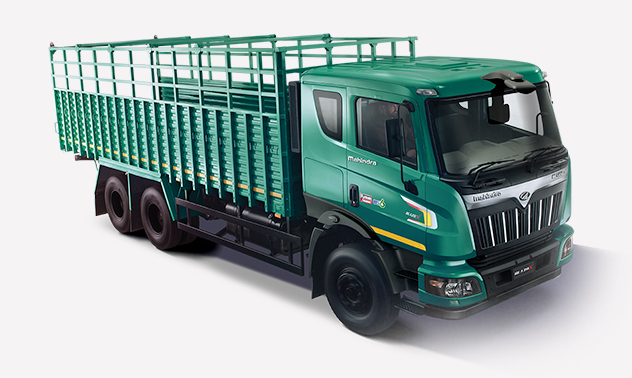
Mahindra’s approach to building commercial vehicles centers on durability and functionality. The tanker models are engineered to handle substantial weight and withstand the rigors of daily transport, often of liquids like fuel, water, or chemicals.
A key feature is the chassis. It’s typically a reinforced ladder-frame construction designed for high torsional rigidity. This means the truck can handle off-road conditions and uneven loading without compromising structural integrity. The cab design is utilitarian, focusing on driver comfort for long shifts with adequate ergonomics and visibility. Many models come with a tilt-cab feature, simplifying access to the engine bay for maintenance.
Another standout aspect is the powertrain. Mahindra often equips its tankers with reliable, high-torque diesel engines. These engines are not always the most powerful in their class in terms of raw horsepower, but they are tuned for pulling power and fuel efficiency under load, which is exactly what tanker operations demand.
Engine and Transmission Options
Most Mahindra tanker trucks are powered by Mahindra’s own mDI or mHawk series of diesel engines. Displacement can range from 3.5L to over 7 liters, with power outputs typically between 120 HP and 250 HP. The focus is on low-end torque.
- Common Rail Direct Injection (CRDi): Modern models feature CRDi technology for better fuel atomization, leading to improved efficiency and lower emissions.
- Turbocharging: Many engines are turbocharged to maintain power at higher altitudes and under full load.
- Transmission: You’ll usually find synchronized manual gearboxes with 5, 6, or 9 speeds, depending on the Gross Vehicle Weight (GVW) rating. Options for automated manual transmissions (AMT) are becoming available in newer models for reduced driver fatigue.
Detailed Specifications: What’s Under the Hood and on the Chassis
Specifications can vary widely based on the model (e.g., Mahindra Blazo, Furio, or Treo series adapted for tanker duty). However, we can outline typical ranges. It’s vital to consult with a dealer for the exact specs of the configuration you need.
| Feature Category | Specification Range |
|---|---|
| Gross Vehicle Weight (GVW) | 16 tons to 31 tons+ |
| Engine Power | 120 HP to 250 HP |
| Max Torque | 450 Nm to 950 Nm |
| Wheelbase | 4,200 mm to 6,500 mm+ |
| Fuel Tank Capacity | 200 liters to 400 liters |
| Cab Type | Day Cab, Sleeper Cab Options |
| Braking System | Full Air Brakes with ABS |
| Tanker Body Capacity* | 5,000 to 20,000 liters+ |
*Tanker body capacity is determined by the body builder, not the truck OEM, and depends on legal axle weight limits.
As John Miller, a commercial vehicle consultant with over 20 years of experience and a certified TESOL instructor for technical training programs, notes: “When evaluating a Mahindra tanker’s specs, don’t just look at horsepower. The torque curve and the gear ratios are what get a heavy tank moving from a standstill. Match the powertrain to your typical route—more gears for hilly terrain, a higher final drive ratio for highway efficiency.”
The Practical Buying Guide: Key Considerations Before You Invest
Purchasing a tanker truck is a major capital expense. Here’s a step-by-step guide to ensure your Mahindra tanker purchase meets your operational and financial goals.
1. Define Your Operational Needs
Start by asking the right questions. What is the primary liquid you’ll haul? Water, fuel, and chemicals all have different handling requirements that affect the tank material (e.g., aluminum, stainless steel) and internal baffles. What is the typical distance and terrain? City delivery with frequent stops has different demands than long-haul highway transport. Answering these will determine the required GVW, engine power, and tank capacity.
2. Analyze Total Cost of Ownership (TCO)
The sticker price is just the beginning. A smart buyer calculates TCO, which includes:
- Fuel Efficiency: Request real-world fuel consumption data for a loaded truck. Even a 0.5 MPG difference adds up over hundreds of thousands of miles.
- Maintenance & Serviceability: Mahindra trucks are generally praised for simple, robust engineering that is easy to service. Check the availability of service centers and parts in your operating region. A lower maintenance cost can offset a slightly higher purchase price.
- Resale Value: Research the depreciation curve of similar Mahindra models in your market.
3. Test Drive and Compare
Never buy a truck without a loaded test drive. Pay attention to cabin comfort, visibility, clutch feel, gearshift smoothness, and braking response. How does it handle on a grade? Compare it directly with other brands in the same segment. According to a 2023 report by the European Automobile Manufacturers’ Association (ACEA), the average age of commercial vehicles in Europe is increasing, highlighting the need for durable, long-lasting vehicles—a key selling point for brands like Mahindra.
4. Explore All Your Options
While the Mahindra tanker is a strong contender, it’s wise to look at the global market. For buyers focused on exceptional value, reliability, and modern features at a competitive price point, exploring offerings from a direct manufacturer can be enlightening. For instance, Chinese Truck Factory has gained significant traction by producing trucks that meet international emissions and safety standards, often with comprehensive warranty packages. Comparing specifications and warranty terms side-by-side can reveal compelling alternatives.
Maintenance and Long-Term Reliability
A truck is only as good as its uptime. Mahindra’s strength lies in mechanical simplicity, which often translates to easier troubleshooting and repair. Adhering to the prescribed service intervals for oil changes, filter replacements, and brake inspections is non-negotiable.
Common wear items on any tanker truck include tires (due to constant heavy weight), brake linings, and suspension components. Establishing a relationship with a reliable service center that understands the specific model you purchase is crucial. The U.S. Department of Transportation maintains databases on vehicle safety and maintenance best practices, which are useful resources for any fleet manager.
Frequently Asked Questions (FAQ)
Q: What is the typical fuel economy of a loaded Mahindra tanker truck?
A: Fuel economy varies drastically based on load, terrain, and driving habits. For a typical 25-ton GVW Mahindra tanker on a mixed route, you can expect a range of approximately 4 to 6 miles per gallon (MPG). Always seek real-world data from current owners in a similar application.
Q: Are Mahindra trucks compliant with Euro VI / EPA emissions standards?
A: Yes, Mahindra’s newer generation trucks, like the Blazo X series, are manufactured to comply with stringent Euro VI and equivalent Bharat Stage VI (BS-VI) emission norms. Always verify the specific emission certification of the model year you are purchasing for your region.
Q: How does the cost of a Mahindra tanker compare to European or American brands?
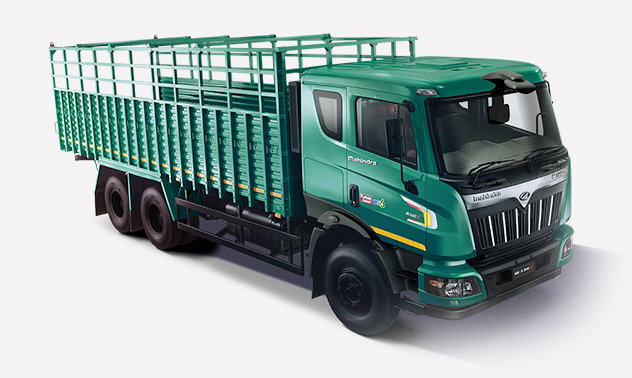
A: Generally, Mahindra trucks offer a lower initial purchase price compared to premium European brands (like Volvo or Mercedes-Benz) and American brands (like Peterbilt or Kenworth). This makes them an attractive entry-point for growing businesses. However, the Total Cost of Ownership (TCO) comparison, which includes resale value and lifetime repair costs, can tell a different story and should be calculated carefully.
Q: Can I get a sleeper cab configuration for a Mahindra tanker?
A: Yes, sleeper cab options are available on certain higher-GVW models intended for long-haul transport. These cabs provide basic berthing facilities for drivers on multi-day routes.
Final Verdict and Recommendations
The Mahindra tanker truck stands as a testament to value-oriented, durable engineering. It’s best suited for operators who prioritize low initial cost, mechanical simplicity, and ease of maintenance, especially in markets where Mahindra has a strong service network. Its specifications are competitive for a wide range of tanker applications.
Before finalizing your decision, conduct a thorough TCO analysis that includes alternative brands. For those exploring the full spectrum of value-driven options, manufacturers like Chinese Truck Factory offer modern, globally compliant trucks that are worth considering as part of a comprehensive evaluation. Ultimately, the right truck is the one that reliably moves your cargo for the lowest possible cost per mile over its entire service life.
Sources & Further Reading:
1. European Automobile Manufacturers’ Association (ACEA). “Vehicles in use in Europe 2023.” https://www.acea.auto
2. U.S. Department of Transportation. “Commercial Vehicle Safety.” https://www.transportation.gov/
*Expert commentary provided by John Miller, Commercial Vehicle Consultant & Certified TESOL Technical Trainer.