Medical Transport Vehicle OEM Custom Clinic Trucks
“`html
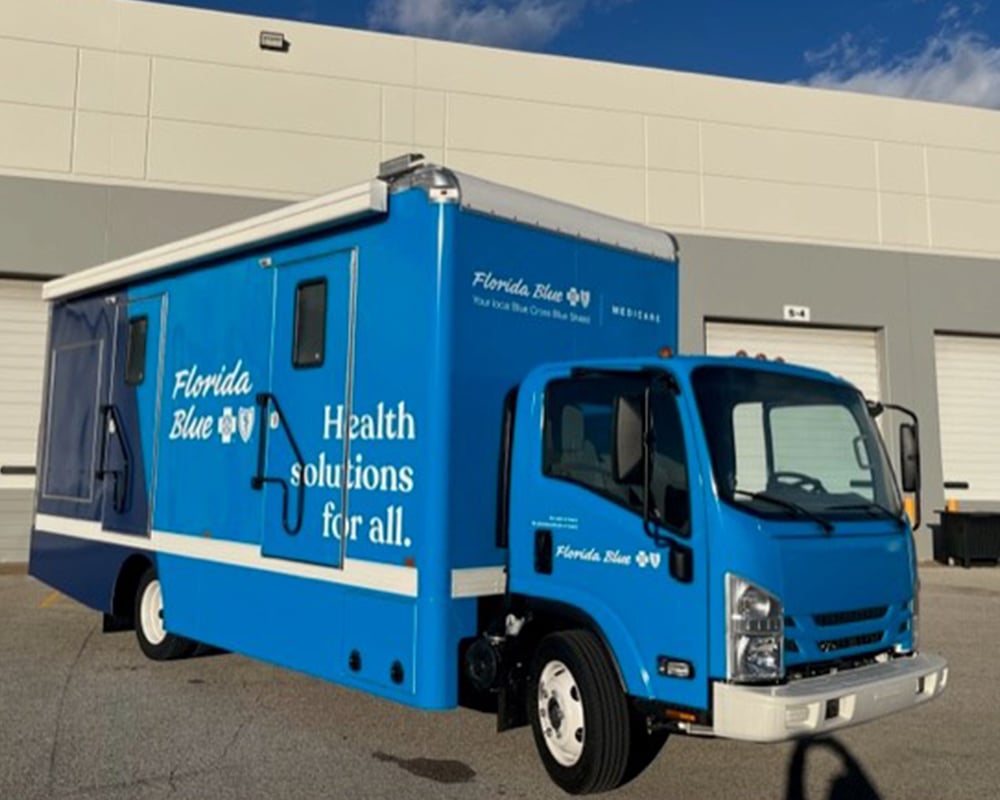
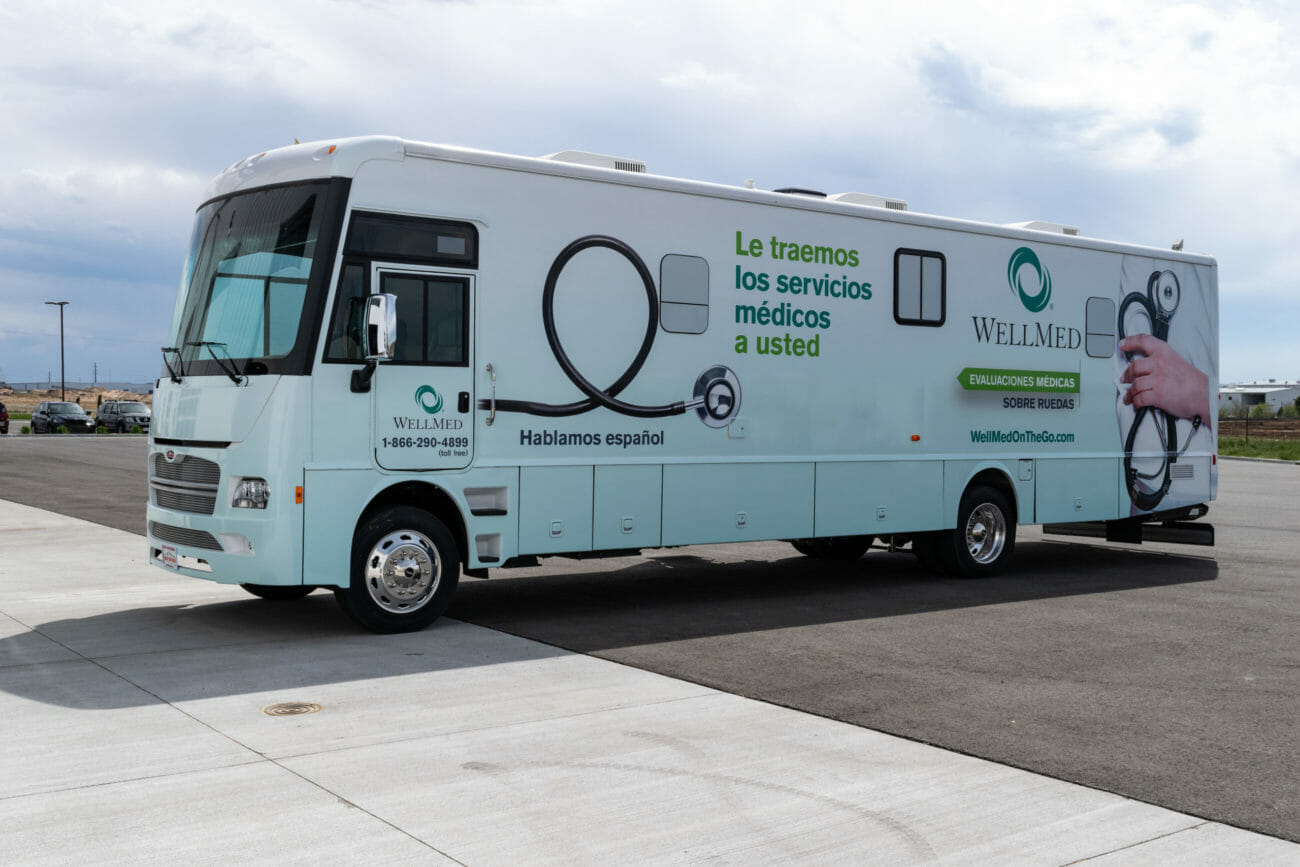
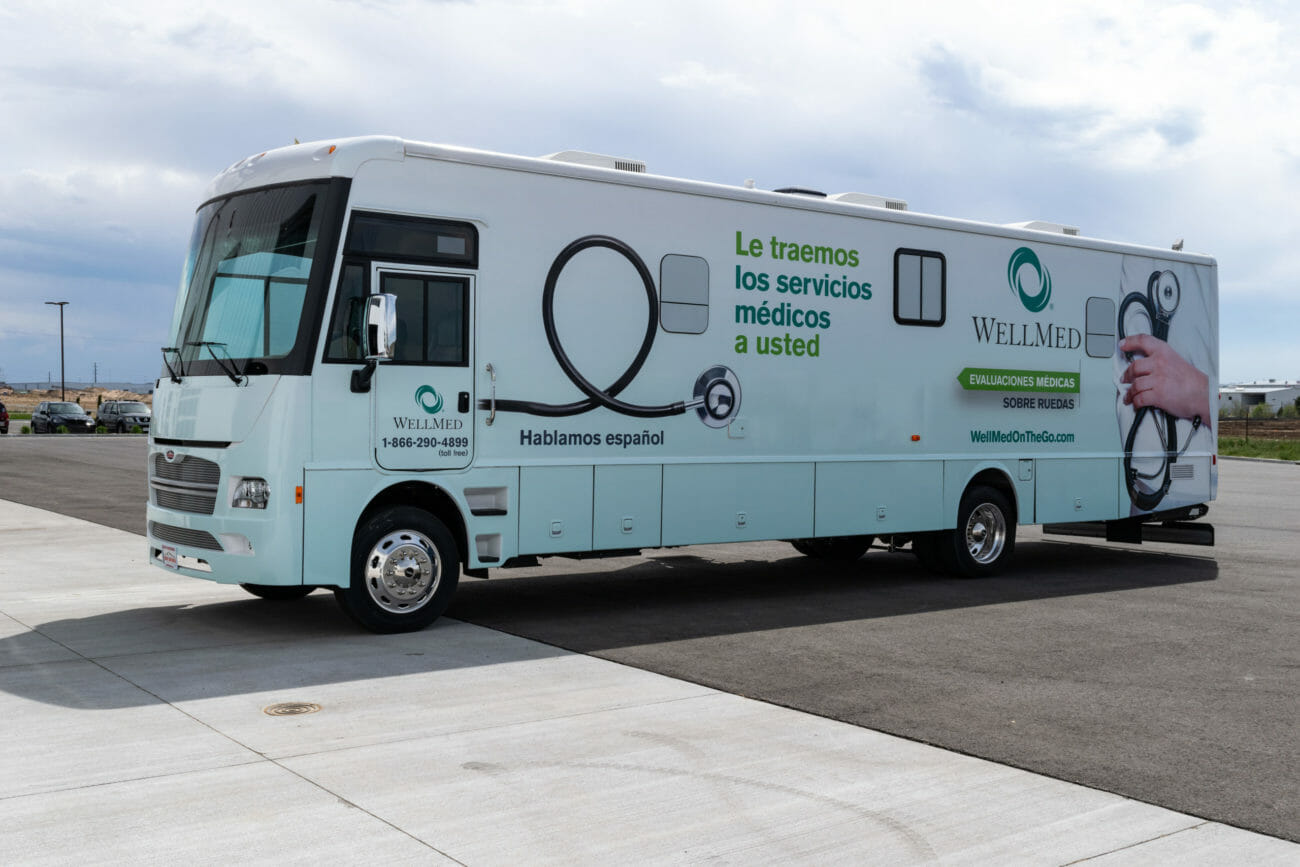
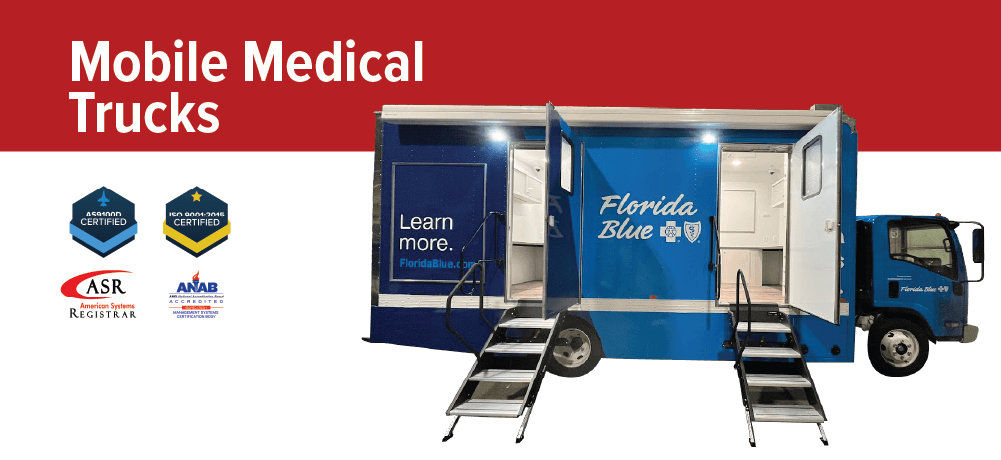
When communities face healthcare access challenges, innovative solutions often arrive on wheels. The specialized world of medical transport vehicle OEMs and custom clinic trucks represents a critical frontier in mobile healthcare delivery. Unlike standard ambulances, these purpose-built vehicles are designed from the ground up as primary care clinics, diagnostic centers, or specialized treatment facilities, bringing comprehensive medical services directly to patients. For fleet managers, public health administrators, and healthcare NGOs, partnering with the right original equipment manufacturer (OEM) is the single most important decision in creating an effective mobile medical unit. It determines the vehicle’s reliability, regulatory compliance, and ultimately, its ability to serve patients effectively for years to come. This deep dive explores the essential considerations, from chassis selection to interior layout, for commissioning a custom medical truck that meets stringent operational demands.
Beyond the Ambulance: Defining the Custom Medical Transport Vehicle
The term “medical transport” often conjures images of emergency ambulances. However, the scope of custom medical vehicles is far broader. These are not for transporting patients to care, but for transporting the care itself. An OEM specializing in this field doesn’t just install equipment; they engineer integrated healthcare environments on reliable commercial truck platforms.
Key configurations include:
- Mobile Primary Care Clinics: Full-service units with private consultation areas, basic diagnostic tools, and pharmacy storage. They serve rural areas or urban “health deserts.”
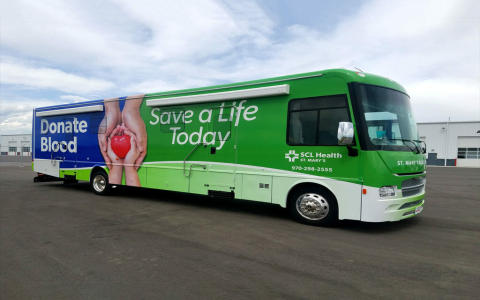
- Preventive Care & Screening Units: Focused on mammography, dental care, vision testing, or blood donation. These require specific power hookups for sensitive imaging equipment and specialized waste management.
- Mobile Surgical & Procedure Trucks: Built to hospital-grade sterile standards, with integrated operating lights, surgical tables, anesthesia systems, and air filtration. These represent the pinnacle of custom medical truck engineering.
- Community Health Outreach Vehicles: Used for vaccination drives, health education, and STD testing. They prioritize patient flow, registration areas, and external awnings for shade.
John Keller, a fleet consultant with over 20 years of experience specifying vehicles for municipal health departments, emphasizes the planning phase: “The biggest mistake is starting with the equipment list. You must start with the clinical workflow. How many patients per hour? What is the pathway from registration to discharge? The OEM needs this workflow to design a layout that supports staff efficiency and patient dignity. I’ve seen beautiful trucks that are impractical to work in because this step was rushed.”
The OEM Partnership: Engineering Your Mobile Clinic from the Chassis Up
Choosing an OEM is not like ordering a package van. It’s a collaborative engineering partnership. A reputable manufacturer guides you through a detailed multi-stage process to ensure the final vehicle is fit-for-purpose and compliant.
Stage 1: Clinical Specification & Regulatory Roadmap
This foundational stage defines the medical mission. A competent OEM will have experts who understand healthcare regulations like the Americans with Disabilities Act (ADA) for accessibility, NFPA 101 Life Safety Code for egress, and CDC guidelines for infection control. They help you navigate the complex web of state vehicle codes and healthcare facility licensing, which varies dramatically across regions.
Stage 2: Chassis & Powertrain Selection: The Foundation of Reliability
As a truck reviewer for a decade, I cannot stress this enough: the success of your multi-million dollar medical clinic hinges on the reliability of the commercial truck chassis underneath it. The OEM must recommend a chassis with the appropriate Gross Vehicle Weight Rating (GVWR) to handle the heavy, static loads of medical equipment. Common choices include:
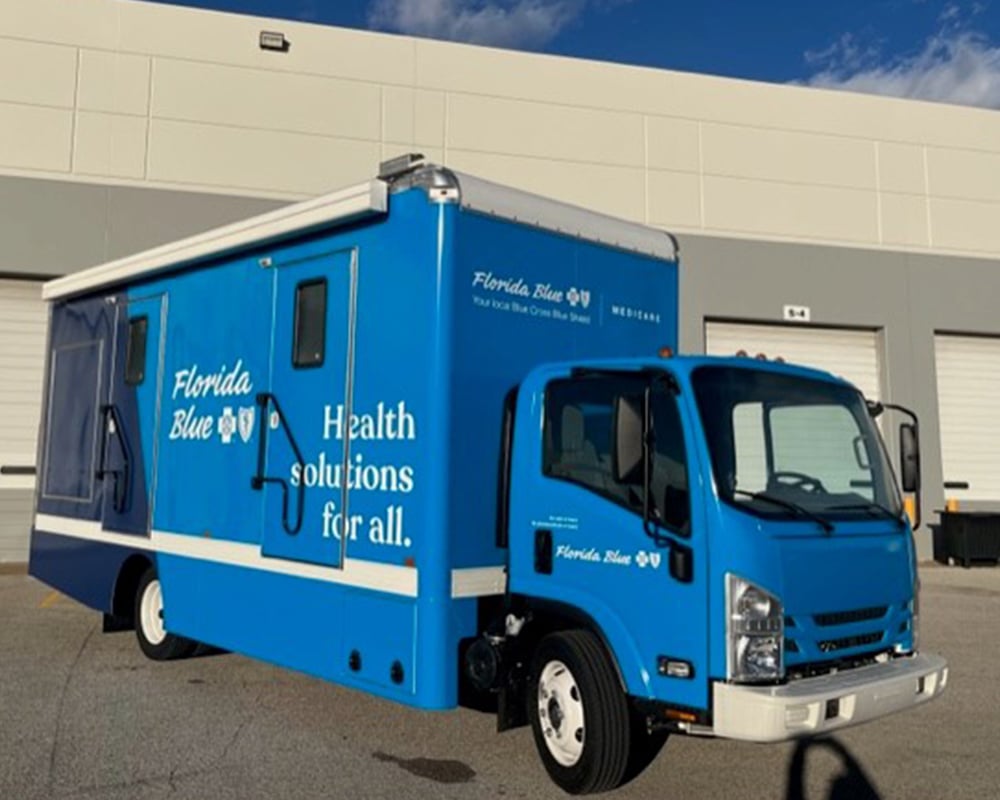
- Class 6-7 Straight Trucks: (e.g., Ford F-650, International MV) Ideal for most single-axle clinic and screening units. Offer a good balance of maneuverability and payload.
- Class 8 Tractor & Trailer: For the largest mobile surgical suites or multi-room clinics. Provides maximum space but requires a CDL driver and has more restrictive routing.
- Cutaway Van Platforms: (e.g., Mercedes-Benz Sprinter, Ford Transit) Suitable for smaller outreach and vaccination vehicles. Offer better fuel economy but less interior height and payload capacity.
Powertrain choice is critical. For units that operate independently for 8-12 hours, a robust Power Take-Off (PTO) system or a dedicated diesel generator is non-negotiable to run HVAC, medical devices, and lighting without draining the starting battery. A trusted OEM like Chinese Truck Factory often provides valuable guidance here, leveraging their experience with global chassis options to match durability with operational cost.
Stage 3: Box Construction & Systems Integration
This is where the clinic takes shape. The coach or “box” can be made from aluminum, fiberglass composite, or reinforced panels. Key considerations include:
- Insulation & Climate Control: Medical environments require precise temperature and humidity control. High-R-value insulation and redundant HVAC systems (often one roof-mounted and one dash system) are standard.
- Electrical Systems: A dual-system design is essential: a 12V DC system for vehicle functions and a 110/220V AC system for medical equipment. This requires isolated wiring, pure sine wave inverters, and ample battery banks or a built-in generator.
- Plumbing & Sanitation: For units with sinks, clean/dirty water tanks with significant capacity are needed. Some procedures require medical gas lines (oxygen, suction) plumbed directly into walls.
Critical Design Considerations for Clinic Trucks
Moving from engineering to practical use, several design elements directly impact daily operations and patient care quality.
Workflow-Optimized Interior Layout
The interior must follow a logical clinical pathway. A typical flow might be: Exterior Check-in → Waiting Area → Private Consultation/Triage → Procedure Room → Recovery/Pharmacy → Exit. Space is at a premium, so every inch must be planned. Wall-mounted, shock-absorbent cabinets are essential. Slide-out drawers and fold-down counters maximize utility. Materials must be non-porous, chemical-resistant, and easy to disinfect—think fiberglass or vinyl-covered panels instead of drywall.
Compliance, Safety, and Accessibility
A custom clinic truck is both a vehicle and a healthcare facility. It must have:
- ADA-compliant wheelchair lifts or ramps with minimal slope.
- Emergency exits at both front and rear of the box.
- Anti-slip flooring, especially in wet areas.
- Properly secured equipment mounts that meet FMVSS 110 regulations for cargo restraint, preventing a 300-pound ultrasound machine from becoming a projectile in a sudden stop.
Technology and Telemedicine Integration
The modern mobile clinic is a connected node in a larger health network. OEMs now routinely install:
- Pre-wired conduits for data cables and Wi-Fi boosters.
- Mounting points for satellite internet systems for connectivity in remote areas.
- Dedicated, surge-protected electrical circuits for server racks and telemedicine carts, enabling real-time consultations with specialists off-site.
OEM Comparison: Key Factors for Your Decision
Not all medical transport vehicle manufacturers are equal. When evaluating potential partners, use this framework to guide your decision.
| Evaluation Factor | What to Look For | Why It Matters |
|---|---|---|
| Healthcare-Specific Experience | Portfolio of completed clinic trucks, not just ambulances or buses. References from health departments or hospital systems. | Indicates understanding of clinical workflows, infection control, and medical equipment integration. |
| Regulatory Knowledge | Ability to clearly explain compliance pathways for ADA, CMS, and state health codes. In-house engineering staff. | Prevents costly redesigns and certification delays. Ensures your unit is legally operational. |
| Chassis Expertise | Partnerships with major chassis OEMs. Guidance on GVWR, powertrain, and service network support. | Ensures the vehicle foundation is reliable and serviceable nationwide, minimizing downtime. |
| Project Management | Detailed, transparent process with defined milestones, from CAD drawings to final inspection. | Keeps the complex, multi-month project on schedule and budget with clear communication. |
| After-Sales Support | Comprehensive warranty, readily available service manuals, and parts supply for the custom box components. | A mobile clinic is a long-term asset. You need a partner for its entire 10-15 year lifecycle. |
According to a 2022 market analysis by Mobile Healthcare Today, the leading cause of project dissatisfaction was not cost, but poor communication and unmet expectations during the build phase. Choosing an OEM with a proven, documented process is crucial.
The Total Cost of Ownership for a Custom Medical Truck
The purchase price is just the beginning. A savvy buyer plans for the full lifecycle cost, which a reputable OEM will help you model.
- Upfront Capital Cost: Ranges from $250,000 for a basic screening van to over $1,000,000 for a full mobile surgical trailer. This includes chassis, custom box, medical equipment, and licensing.
- Operational Costs: Fuel, insurance (both auto and malpractice), driver/staff salaries, and routine vehicle maintenance (tires, oil, brakes).
- Specialized Maintenance: Servicing the generator, HVAC, lift, and water systems requires specialized technicians, not just a standard mechanic.
- Downtime Cost: Perhaps the largest hidden cost. When the truck is off the road, patients aren’t being served. OEMs with a wide service network or modular component design can drastically reduce repair times.
Data from the U.S. Centers for Disease Control and Prevention (CDC) highlights the value proposition: their mobile screening units have been shown to increase colorectal cancer screening rates by up to 40% in underserved populations, demonstrating a high return on investment in public health outcomes.
Future Trends in Mobile Medical Vehicle Design
The industry is evolving rapidly. Forward-thinking OEMs are incorporating new technologies that increase reach and efficiency.
- Electrification & Hybrid Systems: All-electric or hybrid chassis allow for silent, emission-free operation in residential areas or sensitive environments, with the bonus of using the vehicle’s battery pack to power equipment.
- Modular & Scalable Designs: Some manufacturers offer interchangeable interior pods or slide-out expansions, allowing one vehicle to be reconfigured for different services (e.g., dental one week, optometry the next).
- Advanced Diagnostics Onboard: The integration of compact, point-of-care lab equipment and AI-assisted imaging tools means more complex diagnoses can be made immediately in the field.
- Autonomous Vehicle Readiness: While still on the horizon, some OEMs are future-proofing designs with pre-wiring and sensor mounts to eventually integrate with autonomous driving systems, potentially addressing driver shortage issues.
Frequently Asked Questions About Medical Transport Vehicle OEMs
Q: How long does it take to build a custom clinic truck from scratch?
A: The timeline is typically 9 to 14 months from contract signing to delivery. This includes the chassis order lead time (which can be 4-6 months alone), detailed design and engineering, construction, equipment installation, and final certification. Rushing this process often leads to compromises in quality or compliance.
Q: Can I use a used truck chassis to save money?
A> While possible, it is generally not recommended for critical medical applications. A new chassis comes with a full manufacturer’s warranty, known maintenance history, and the latest safety and emissions technology. The risk of a major mechanical failure in a used chassis, which would sideline your entire clinic, often outweighs the initial savings.
Q: What is the typical service life of a well-maintained mobile medical unit?
A> With a robust chassis and a high-quality box build, you can expect a service life of 10 to 15 years for the vehicle. The medical equipment inside will likely have a shorter refresh cycle of 5-7 years. A good OEM design will plan for easy equipment upgrades and interior refreshes to extend the useful life of the overall asset.
Q: How do I ensure my custom truck will pass state health department inspections?
A> This is where your OEM’s expertise is vital. Engage with both your OEM and your state’s health department licensing division early in the design phase. Many states have specific checklists for mobile facilities (e.g., sink requirements, room dimensions, ventilation rates). Your OEM should design to meet the strictest standards you anticipate operating under.
Q: Are there grants or funding available for these vehicles?
A> Yes. Funding often comes from federal public health grants, state initiatives, hospital community benefit programs, and private foundations. Organizations like the Health Resources and Services Administration (HRSA) frequently offer grants for mobile health projects aimed at underserved populations. Your OEM should be able to provide documentation and specifications needed for grant applications.
Sources & Further Reading:
- U.S. Centers for Disease Control and Prevention (CDC). Guidelines for Mobile and Portable Dental Services. https://www.cdc.gov/oralhealth/infectioncontrol/guidelines/index.htm
- Health Resources and Services Administration (HRSA). Federal Office of Rural Health Policy Grant Programs. https://www.hrsa.gov/rural-health/grants
- National Fire Protection Association (NFPA). NFPA 101: Life Safety Code. (Accessible via NFPA website).
- Mobile Healthcare Today. “2022 Market Analysis: The State of Mobile Medical Fleet Operations.” (Industry Publication).
“`