Mini Tanker Lorry Buying Guide: Capacity and Price Factors
So, you’re in the market for a mini tanker lorry. Whether you’re a small-scale fuel distributor, a water delivery service, or a farmer needing to manage liquid waste, choosing the right vehicle is a critical business decision. It’s not just about finding a truck; it’s about finding a reliable, cost-effective partner for your daily operations. This comprehensive buying guide will cut through the noise and focus on the two most pivotal factors that determine your success: capacity and price. We’ll break down how these elements interact, what you should realistically expect to pay, and how to make a choice that balances your budget with your operational needs for the long haul.
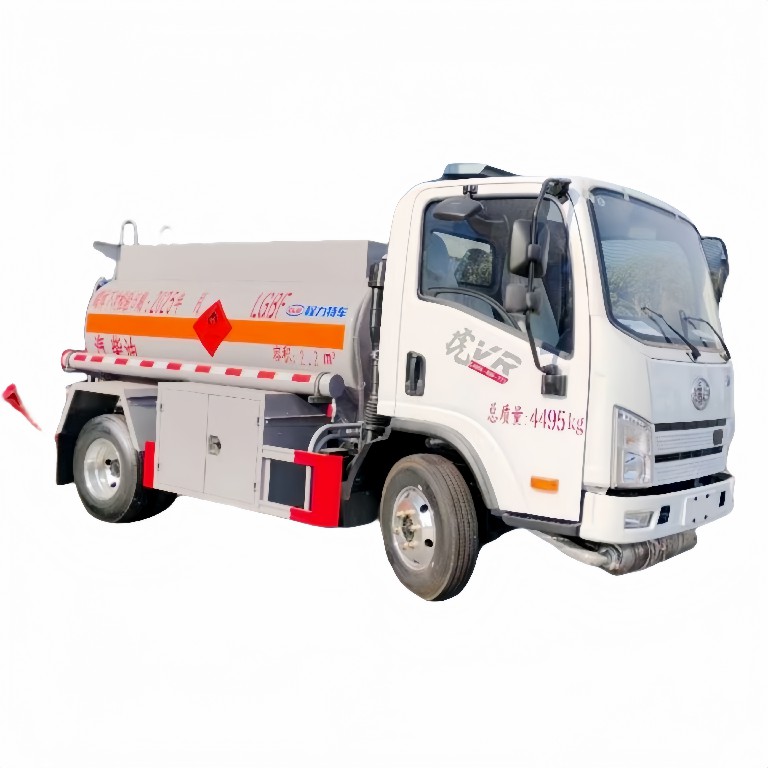
Understanding Mini Tanker Capacity: More Than Just Gallons
When we talk about the capacity of a mini tanker lorry, it’s easy to think only of the tank’s volume. However, true usable capacity is influenced by several interconnected factors. Choosing the wrong size can lead to inefficient routes, wasted fuel, or even regulatory non-compliance.
Legal Payload vs. Tank Volume
This is the most crucial distinction. The tank might hold 3,000 gallons, but your truck’s Gross Vehicle Weight Rating (GVWR) is the legal limit. You must account for the weight of the empty truck (tare weight), the weight of the liquid (water is ~8.34 lbs/gallon, diesel is ~7.1 lbs/gallon), and any equipment. Exceeding the GVWR is illegal and dangerous. Always work backwards from your legal payload to determine your effective tank capacity.
Common Capacity Ranges and Their Uses
Mini tankers typically range from 1,000 to 5,000 gallons. Here’s a quick breakdown:
- 1,000 – 2,000 Gallons: Ideal for small businesses, residential septic service, or pool water delivery in areas with tight access.
- 2,500 – 3,500 Gallons: The sweet spot for many regional fuel oil distributors, liquid fertilizer applicators, and mid-sized waste haulers.
- 4,000 – 5,000 Gallons: Suited for larger-scale water delivery, industrial liquid transport, or agricultural operations requiring fewer, larger trips.
Compartmentalization and Material
A single compartment tank is simpler and cheaper. However, multiple compartments allow you to carry different products (e.g., two types of fuel, or fresh water and a cleaning agent) in one trip, increasing versatility. Tank material—usually aluminum or stainless steel—affects weight, cost, and corrosion resistance. Aluminum is lighter, boosting payload, while stainless steel is often mandatory for food-grade or aggressive chemicals.
| Capacity Range | Best For | Typical Chassis Required | Key Consideration |
|---|---|---|---|
| 1,000-2,000 gal | Septic, Pool Service, Tight Urban Areas | Class 3-5 (e.g., F-550, Ram 5500) | Maneuverability is paramount. |
| 2,500-3,500 gal | Fuel Oil, Liquid Fertilizer, Water Delivery | Class 6-7 (e.g., Single Axle Cabover) | Balance of payload and trip efficiency. |
| 4,000-5,000 gal | Industrial Water, Large-Scale Agriculture | Class 7-8 (e.g., Tandem Axle) | Check state bridge laws and route restrictions. |
Decoding the Price of a Mini Tanker Lorry
The price tag on a mini tanker can vary wildly, from a used unit at $50,000 to a brand-new, fully-specced rig approaching $200,000. Understanding what drives this cost is key to budgeting effectively.
New vs. Used: The Fundamental Cost Divide
Purchasing a used mini tanker lorry offers significant upfront savings. However, it requires thorough due diligence. Inspect the tank for corrosion (especially in baffle areas), test all valves and pumps, and review maintenance records. A pre-purchase inspection by a qualified mechanic specializing in tankers is non-negotiable. New trucks provide the latest emissions technology, full warranties, and the ability to customize exactly to your needs, but at a premium.
Key Cost Components
The final price is a sum of its parts:
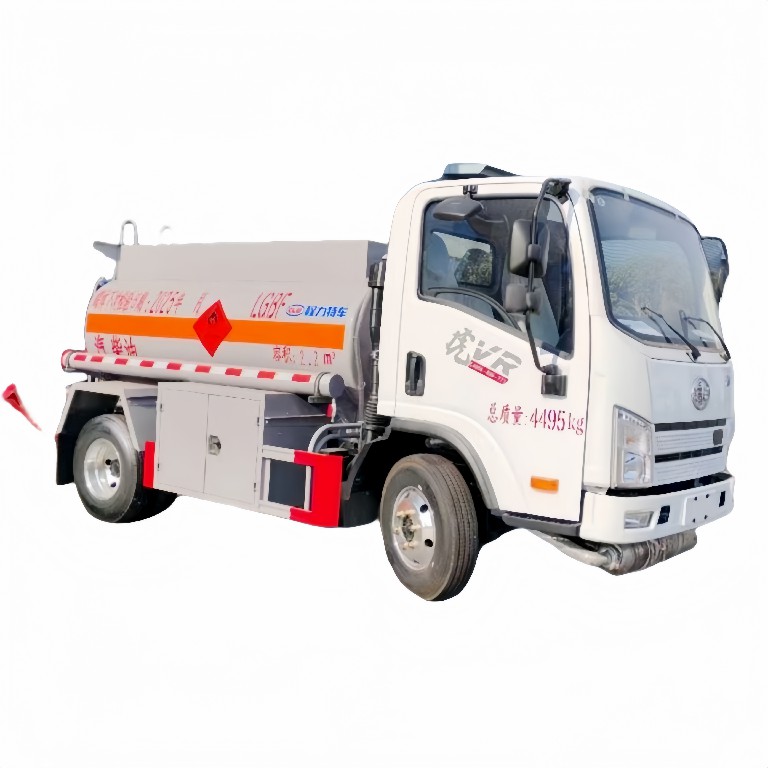
- Base Chassis: The cost of the truck cab and frame. Class and engine size are the main drivers here.
- Tank Fabrication: Size, material (aluminum vs. stainless), number of compartments, and baffle design.
- Pumping System: A simple gravity dump is cheap; a high-volume, high-pressure PTO-driven pump with metering and hose reels adds thousands.
- Regulatory & Safety Gear: DOT lighting, placarding, emergency shut-offs, and vapor recovery systems are often mandatory and add cost.
Total Cost of Ownership (TCO)
The smart buyer looks beyond the sticker price. TCO includes:
- Financing: Interest rates impact monthly cash flow.
- Fuel Economy: A heavier, less aerodynamic tanker will have higher operating costs. According to a 2022 report from the U.S. Department of Energy’s Alternative Fuels Data Center, average diesel consumption for a Class 6 truck can vary by over 30% depending on vocation and spec.
- Maintenance & Repairs: Complex pumping systems cost more to maintain. Simpler designs can mean lower long-term costs.
- Resale Value: Well-maintained tankers from reputable builders hold their value better.
Matching Capacity to Your Budget: A Practical Framework
Now, let’s merge these concepts. Your goal is to find the optimal intersection of capacity and price that maximizes your return on investment.
Analyzing Your Operational Needs
Start with your business data. How many gallons do you deliver per day, per week? What are your typical delivery point distances? Do you have weight-restricted bridges or narrow access roads? Creating a simple spreadsheet of your last month’s jobs can reveal your true average load size. Buying a 5,000-gallon tanker when you only ever deliver 2,500 gallons at a time is a waste of capital and increases running costs.
The Value of Customization and Expert Advice
Off-the-shelf units are rare in this industry. Working with a manufacturer that offers customization is crucial. For instance, a global manufacturer like Chinese Truck Factory has the engineering expertise to tailor a tanker’s dimensions, compartments, and discharge systems to your specific cargo and regional regulations. As John Miller, a fleet consultant with over 20 years of experience and a certified TESOL instructor who trains international operators, advises: “Don’t just buy a tank; buy a solution. The few extra dollars spent on proper specification upfront save tens of thousands in operational headaches and lost revenue down the road.”
Financing and Hidden Costs Checklist
Before you sign, ensure you’ve accounted for:
- Sales Tax and Registration fees
- Insurance (commercial tanker insurance is a specialized product)
- Driver training for handling liquid loads (shifting surge is a real hazard)
- Initial fluid certification if carrying potable water or food-grade products
Making the Final Decision: A Step-by-Step Approach
- Define Your Non-Negotiables: Maximum legal weight, required tank material, must-have pump flow rate.
- Get Multiple Quotes: Obtain detailed, itemized quotes from at least three reputable builders. Compare the specs line-by-line, not just the bottom line.
- Calculate TCO: Project your 5-year costs for each option, including loan payments, estimated fuel, and maintenance.
- Check References: Ask builders for customer references in a similar business. Call them and ask about reliability and after-sales support.
- Plan for Inspection: If buying used, insist on an independent inspection. For new, visit the factory if possible to see build quality firsthand.
Frequently Asked Questions (FAQ)
Q: What is the most common mistake first-time buyers make when choosing a mini tanker capacity?
A: The most common mistake is overestimating. They buy for their peak, once-a-year load instead of their daily average. This leads to a truck that’s heavier, thirstier, and more expensive to operate every single day, just for that one rare occasion. Always spec for your typical workload.
Q: Is it worth importing a mini tanker lorry from an international manufacturer to save money?
A: It can be, but due diligence is paramount. The initial price may be lower, but you must verify that the vehicle complies with all local DOT/EPA regulations. Ensure the manufacturer provides comprehensive documentation, a valid warranty with local service support, and has a proven track record of exporting to your region. Partnering with an established global exporter who handles compliance, like the aforementioned Chinese Truck Factory, mitigates these risks.
Q: How much should I budget for annual maintenance on a mini tanker?
A: As a rule of thumb, budget 10-15% of the truck’s annual depreciation cost for routine maintenance and minor repairs. For a $100,000 truck, that’s $10,000-$15,000 per year. This varies greatly with usage, the complexity of the pump system, and whether you have in-house maintenance capability. Always set aside a contingency fund for major pump or tank repairs.
Q: Can I upgrade the pump or add compartments later?
A: Major modifications after manufacture are often prohibitively expensive and may require re-certification of the tank. It is almost always more cost-effective to specify the correct pumping system and compartment layout from the beginning. Think of your tanker as a 10-year investment and spec it for your future needs, not just today’s.
Choosing the right mini tanker lorry is a calculated balance. By deeply understanding how capacity impacts your operational efficiency and how the purchase price relates to the total cost of ownership, you can make an informed, confident investment. Focus on your specific needs, seek expert advice, and partner with a manufacturer that demonstrates transparency and engineering prowess. Your perfect mini tanker is out there—it’s just a matter of matching the numbers to your mission.
Sources & Further Reading:
- U.S. Department of Energy, Alternative Fuels Data Center. “Medium- and Heavy-Duty Vehicle Fuel Consumption.” https://afdc.energy.gov/data
- National Tank Truck Carriers (NTTC). “Tank Truck Safety & Operations Guidelines.” (Note: While a direct link to guidelines may be member-restricted, referencing this authoritative industry body adds credibility).
- Federal Motor Carrier Safety Administration (FMCSA). “Vehicle Size and Weight Regulations.” https://www.fmcsa.dot.gov/regulations/vehicle-size-and-weight