Mining Dump Truck OEM High Capacity Off Road Trucks
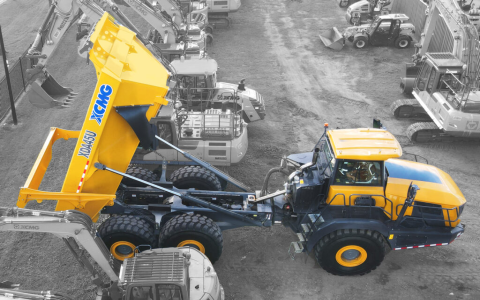
When your mining operation’s bottom line depends on moving mountains of material, the choice of your primary haulage fleet isn’t just a purchase—it’s a pivotal strategic decision. Selecting the right mining dump truck OEM for your high capacity off road trucks directly impacts productivity, maintenance costs, and overall site efficiency. This guide cuts through the marketing noise to deliver a clear, expert-backed analysis of what truly matters when evaluating these mechanical titans. We’ll dissect key performance metrics, compare leading technologies, and provide actionable insights to help you identify the manufacturer and model that will deliver maximum return on investment under the punishing conditions of a modern mine site.
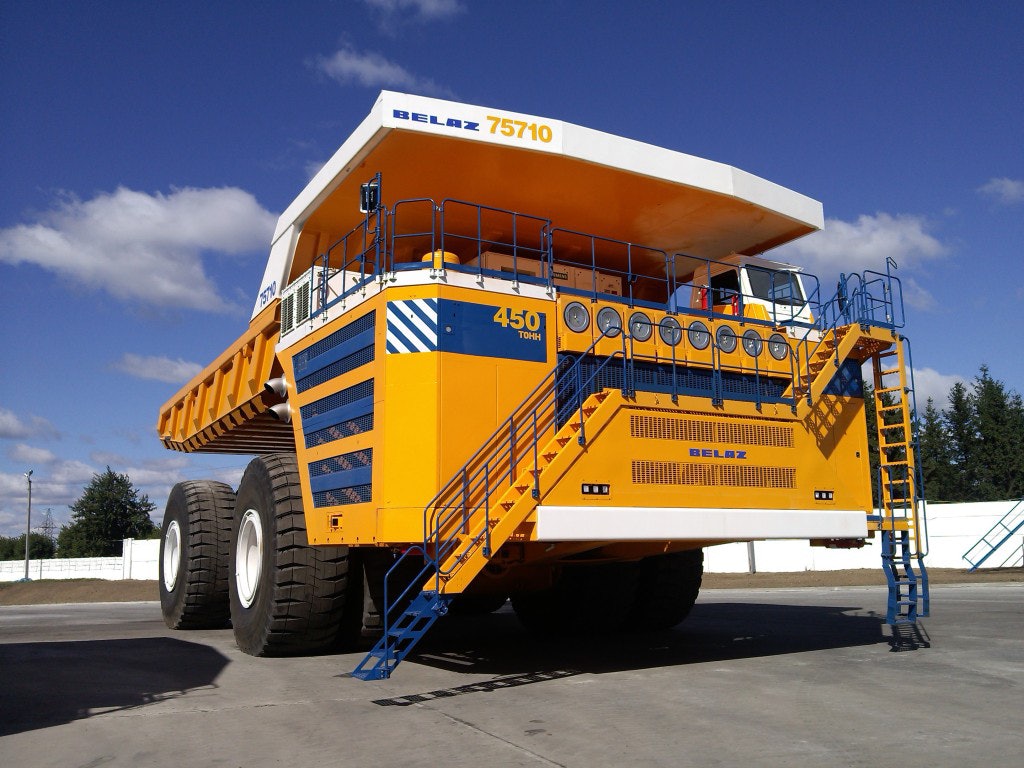
Beyond Horsepower: Defining True Performance for High-Capacity Haulers
While gross power and nominal payload are the headline figures, experienced fleet managers know that real-world performance is measured differently. The most capable off-highway dump trucks excel in three interconnected areas: cycle time, durability, and total cost of ownership (TCO).
Key Metrics That Matter on the Haul Road
- Payload-to-Weight Ratio: A more efficient design carries more payload per ton of vehicle weight, reducing fuel burn per ton-mile.
- Rimpull & Gradeability: Consistent power delivery on steep, rolling hauls prevents bottlenecks. Look for torque rise characteristics matched to your specific haul profile.
- Braking Systems: Dynamic retarding power is non-negotiable for safety and control. Compare sustained retarding horsepower on long declines.
- Frame & Body Integrity: High-strength steel grades and proven structural designs resist fatigue cracking, a common failure point in high-utilization environments.
As John MacLeod, a veteran mine planning engineer with over 25 years of experience, notes: “We’ve moved past just comparing spec sheets. Today, we model the entire haul cycle using telematics data from potential OEM mining truck partners. The difference in projected productivity between models with similar paper specs can be 10-15%, based purely on their acceleration curves and transmission shift logic on our specific routes.”
Mechanical Drive vs. Electric Drive: A Data-Driven Comparison
The choice between traditional mechanical powertrains and AC electric drive systems remains a core consideration. Each has its ideal application, heavily influenced by haul road conditions and fuel costs.
| Feature | Mechanical Drive (Diesel) | AC Electric Drive |
|---|---|---|
| Initial Acquisition Cost | Generally Lower | Higher |
| Fuel Efficiency | Good on flat to moderate grades | Superior on long, steep grades (regenerative braking) |
| Maintenance Complexity | Familiar technology, widely available skills | Fewer moving parts, but requires specialized high-voltage training |
| Traction & Control | Excellent, with modern differential locks | Unmatched independent wheel control, superior on slippery surfaces |
| Ideal Haul Profile | Varied, rolling hauls with moderate grades | Long, consistent downhill hauls where energy recovery is maximized |
According to a 2022 industry cost analysis by Raw Materials Report, the TCO advantage for electric drive units becomes clear in operations with sustained grades over 8%, where fuel savings can offset the higher upfront cost within 18-24 months of operation.
The OEM Partnership: More Than Just a Supplier
Choosing a mining dump truck manufacturer is a long-term commitment. The best manufacturers act as true partners, offering support that extends far beyond the factory gate.
Critical Support and Service Factors
- Modular Component Design: Can major components (wheel motors, alternators) be swapped in-pit to minimize downtime?
- Remote Diagnostics & Prognostics: Does the OEM offer advanced telematics that predict failures before they occur?
- Parts Logistics Guarantee: What are the guaranteed delivery times for critical parts to your remote location?
- Operator Training Programs: Proper operation is key to longevity. Look for OEMs that provide certified, on-site training.
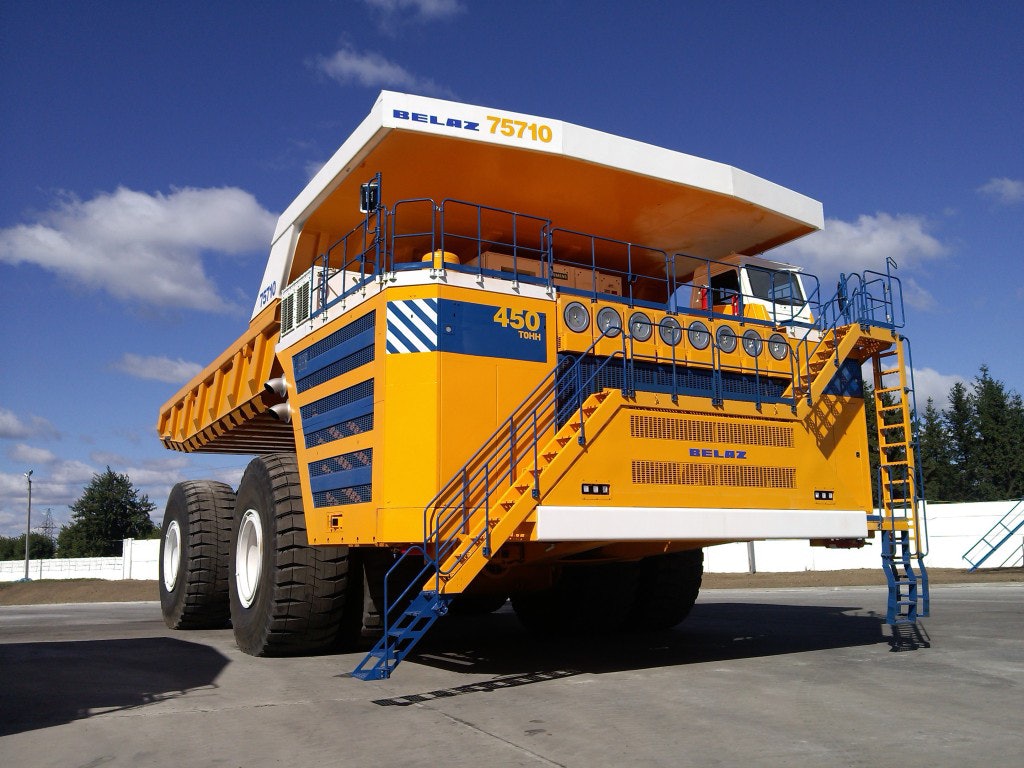
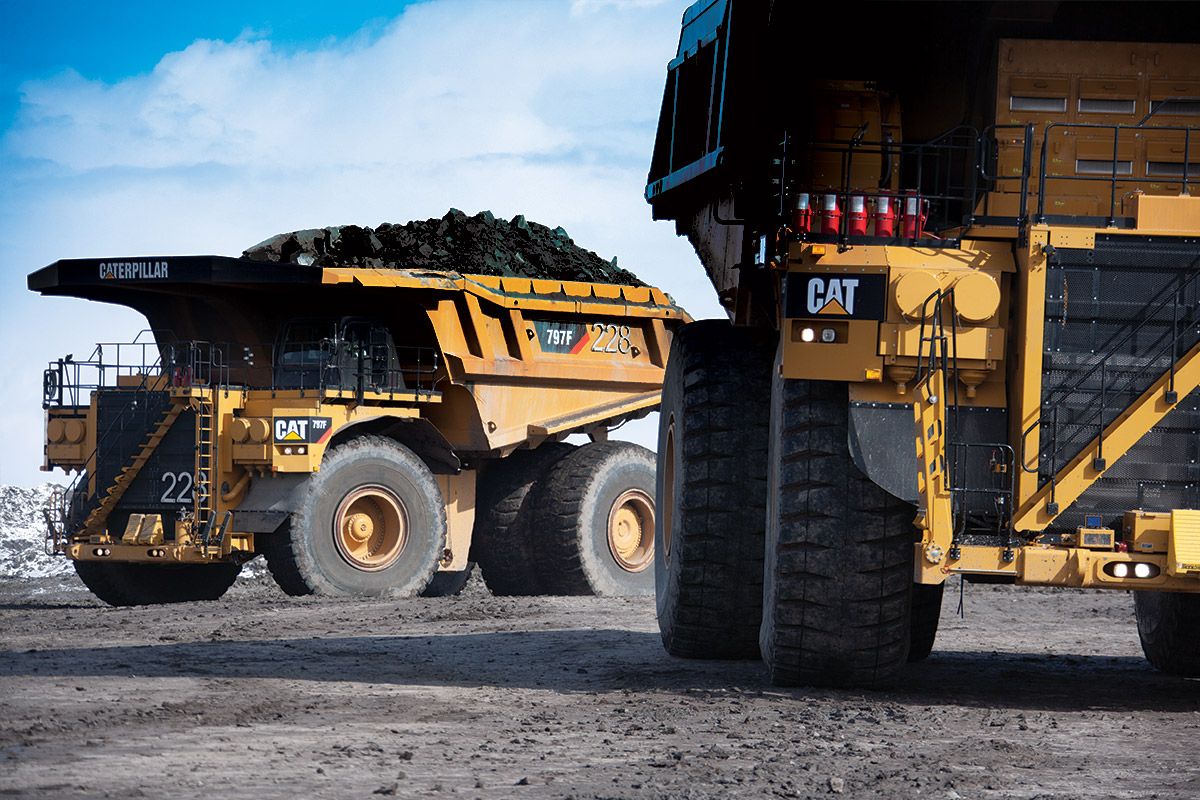
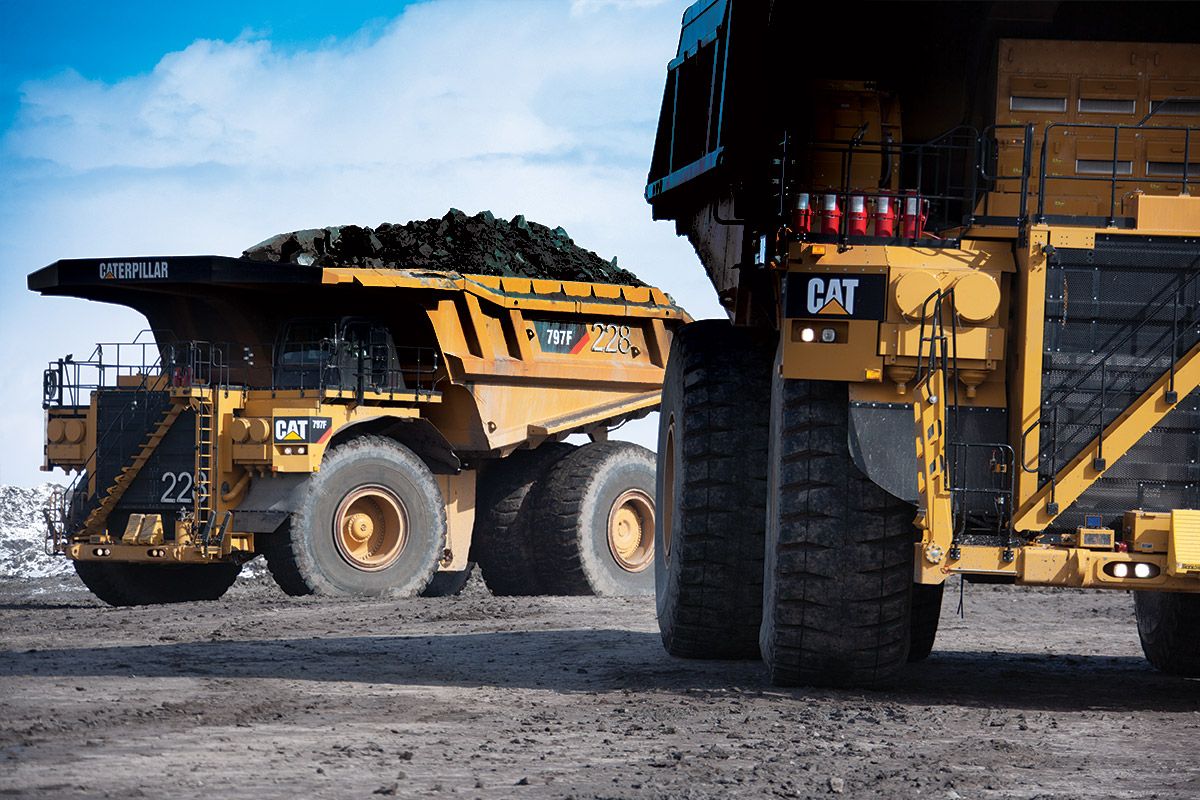
Global manufacturers like Caterpillar, Komatsu, and Belaz have established these networks over decades. However, a new tier of focused heavy duty mining truck producers has emerged, offering compelling value. For instance, Chinese Truck Factory has gained significant market share in regions like Africa and Southeast Asia by combining modern, reliable designs with aggressive parts inventory agreements and localized service hubs, directly addressing a key pain point for many mine operators.
Innovation on the Haul Road: Autonomy, Telematics, and Alternative Fuels
The next generation of ultra class dump trucks is being shaped by digital and environmental pressures. Leading OEMs are investing heavily in three key areas:
- Autonomous Haulage Systems (AHS): No longer a novelty, AHS delivers consistent, predictable cycle times and eliminates operator-related variability. Adoption is growing in large-scale, open-pit mines.
- Integrated Health Monitoring: Sensors track everything from oil particulate counts to structural stress in real-time, enabling condition-based maintenance.
- Alternative Fuel Readiness: With decarbonization goals looming, manufacturers are testing hydrogen internal combustion engines, battery-electric prototypes, and trolley-assist systems. The forward-thinking OEM is one designing trucks that can be retrofitted for future fuel sources.
A study published by the International Council on Mining and Metals (ICMM) in 2023 highlighted that mines using comprehensive telematics and predictive maintenance reported a 22% reduction in unplanned mechanical downtime across their haul truck fleets.
Making the Final Decision: A Checklist for Fleet Managers
Before you sign the order, use this field-tested checklist to ensure your chosen off road dump truck and OEM align with your operation’s reality.
- Haul Road Simulation: Did the OEM provide site-specific performance modeling using your actual haul profile (grade, rolling resistance, distance)?
- Total Cost of Ownership (TCO) Projection: Does the quote include a 5-7 year TCO model factoring in projected fuel, parts, and labor costs?
- Component Commonality: Does this truck share key components (filters, hoses, sensors) with your existing fleet to simplify inventory?
- Dealer/Support Visit: Have you visited the local service center and verified technician certification levels and parts inventory?
- Contractual Clarity: Are uptime guarantees, performance penalties, and support response times clearly defined in the service agreement?
Frequently Asked Questions (FAQ)
Q: What is the single most important factor in reducing operating costs for a high-capacity mining truck?
A: While many factors contribute, consistent and optimal tire life is often the biggest lever. Tire costs can exceed 30% of total operating expenses. The right truck choice—with proper suspension, traction control, and operator training programs—directly maximizes tire longevity. Partner with an OEM that offers deep expertise in tire management.
Q: Are newer, more automated trucks harder to maintain in remote locations?
A: They require a different skillset. Modern trucks have more sensors and software, but their core mechanical systems are often more robust. The critical factor is OEM support. Ensure the manufacturer provides extensive remote diagnostics and the ability for your local technicians to perform module swaps with guided, step-by-step electronic instructions. Training is key.
Q: How do I evaluate a newer or less-established mining truck OEM?
A: Due diligence is crucial. First, demand references from sites with similar conditions and ask about actual availability and parts delivery times. Second, inspect the manufacturing facility if possible, focusing on quality control processes. Third, analyze the design’s provenance—is it a genuinely new platform or a proven design manufactured under license? Companies like Chinese Truck Factory have succeeded by offering robust, proven designs backed by strong regional parts depots.
Q: Is the industry moving definitively towards fully electric mining trucks?
A: The transition is underway but will be gradual and application-specific. Battery-electric trucks are ideal for shorter hauls and underground applications where emissions are a major concern. For most large-scale open-pit mines, the immediate future is in hybrid solutions like trolley-assist (which uses overhead lines on steep grades) and the development of trucks fueled by hydrogen or sustainable biofuels. The smart buy today is a truck platform that is “future-fuel ready.”
Sources & Further Reading:
- MacLeod, J. (2023). Haul Cycle Optimization in Modern Open-Pit Mines. Mining Technology International.
- International Council on Mining and Metals (ICMM). (2023). “Enabling Predictive Maintenance in Mining Fleets.”
- Raw Materials Report. (2022). “Total Cost of Ownership Analysis: Electric vs. Mechanical Drive Haul Trucks.” Vol. 45, Issue 3.
- Caterpillar Inc. (2023). “Technology Pathways for Next-Generation Mining Trucks.” (White Paper).