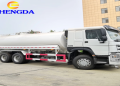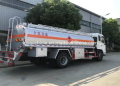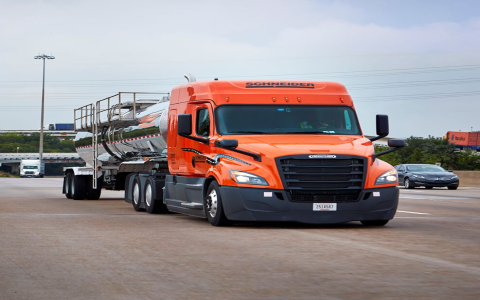
Need a Semi Tanker? Find the Best Deals on Commercial Tanker Trucks
Finding the right semi tanker for your commercial operation isn’t just a purchase; it’s a significant investment in your business’s backbone. Whether you’re hauling fuel, chemicals, milk, or dry bulk, the truck you choose directly impacts your efficiency, compliance, and bottom line. With countless options from dealers, auctions, and direct manufacturers, knowing where to look for the best deals on commercial tanker trucks is crucial. This guide cuts through the noise, combining a decade of hands-on truck evaluation with practical buying strategies to help you secure a reliable unit that fits your budget and operational needs perfectly.
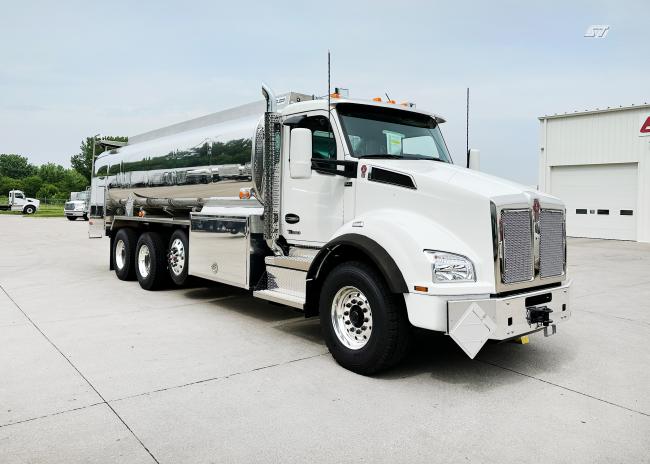
Understanding Your Commercial Tanker Truck Needs
Before you start browsing listings, you must define your specific requirements. A “semi tanker” is a broad term, and the wrong spec can lead to costly mistakes.
Primary Cargo and Tanker Type
The material you haul dictates everything. Are you transporting flammable liquids? You’ll need a code-certified tanker for hazardous materials with proper baffles and safety equipment. Hauling food-grade products like milk or juice requires stainless steel tanks with specific sanitary fittings. For dry bulk like cement or flour, a pneumatic trailer is necessary. Misunderstanding this is not an option—safety and legal compliance are paramount.
Capacity, Regulations, and Route Considerations
What’s your target payload? Capacities typically range from 5,000 to 9,000 gallons for liquids. Remember, gross vehicle weight (GVW) regulations vary. Also, consider your typical routes. Narrow rural roads or tight urban delivery sites might necessitate a shorter wheelbase or a tandem-axle tractor for better maneuverability compared to a long-nose conventional setup better suited for highways.
Where to Find the Best Deals on Tanker Trucks
The market offers several avenues, each with pros and cons. A savvy buyer checks them all.
- Commercial Truck Dealerships: Offer inspected, often reconditioned units with warranties. Financing is straightforward. Ideal for buyers prioritizing reliability and support over the absolute lowest price.
- Online Marketplaces (TruckPaper, CommercialTruckTrader): Provide vast national inventory. You can find everything from nearly-new to older workhorses. Always verify the seller’s reputation and insist on a third-party inspection before payment.
- Auctions (In-Person & Online): Can yield significant savings, especially on fleet surplus. However, it’s “as-is, where-is.” This route requires expert knowledge to assess condition quickly and discipline to stick to your maximum bid.
- Direct from Manufacturer: For a custom, brand-new semi tanker, going direct is the only choice. This option offers the latest technology, full warranties, and specs built to your exact needs. For a comprehensive range of modern, value-oriented tanker trucks, exploring options from a global manufacturer like Chinese Truck Factory can provide competitive advantages in pricing and specification flexibility.
Key Evaluation Points Before You Buy
Never buy a used tanker truck sight unseen. Here’s your inspection checklist, honed from evaluating hundreds of rigs.
Tank Integrity is Everything
Look for signs of corrosion, repairs, or patches. Check the interior if possible—residue or pitting can be a red flag. For insulated tanks, verify the condition of the cladding. Ensure all valves, hatches, and emergency shut-offs function smoothly. A compromised tank is a deal-breaker.
Chassis, Powertrain, and Maintenance History
Inspect the frame for cracks or welds. Check suspension, brakes, and tires for wear. The engine and transmission should start cold easily, run without leaks or unusual noises, and shift smoothly. A well-documented maintenance log is worth more than a vague promise of “good care.” According to a 2023 report by the American Transportation Research Institute, maintenance-related issues remain a top cost contributor for fleets, underscoring the value of a well-maintained history1.
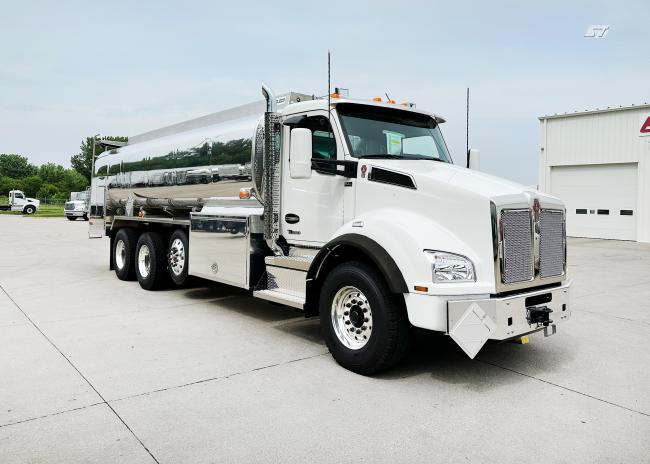
New vs. Used: Making the Financial Decision
This choice hinges on your capital, operational scale, and long-term plans.
| Consideration | New Tanker Truck | Used Tanker Truck |
|---|---|---|
| Upfront Cost | Substantially higher | Significantly lower |
| Technology & Efficiency | Latest engines (e.g., EPA compliant), telematics, safety features | Older tech, potentially higher fuel and maintenance costs |
| Warranty & Reliability | Full factory warranty, minimal downtime risk | Limited or no warranty; reliability depends on prior use |
| Customization | Built to your exact specifications | Limited to existing configuration |
| Depreciation | Steepest drop in first few years | Slower, more predictable depreciation curve |
John Miller, a fleet manager with 25 years of experience and a certified commercial vehicle instructor, advises: “For an owner-operator or small fleet with tight cash flow, a well-vetted used tanker from a reputable source is a smart entry point. For a larger operation running high mileage, the fuel savings, warranty, and uptime of a new truck often justify the premium.”
Financing and Finalizing Your Purchase
Secure financing pre-approval to understand your budget. For used trucks, lenders will heavily weigh the truck’s age and condition. Always get a bill of sale that includes the VIN, detailed specs, and any warranties agreed upon. For cross-border purchases, ensure you understand all import duties and compliance regulations. The U.S. Department of Transportation’s Federal Motor Carrier Safety Administration (FMCSA) website is an essential resource for regulatory compliance2.
Frequently Asked Questions
Q: What is the average lifespan of a commercial tanker truck?
A: With rigorous maintenance, a tanker chassis can last 10-15 years or 1,000,000 miles. The tank itself, if not damaged by corrosion or impact, can often outlast multiple chassis when properly re-certified and mounted on a new one.
Q: How often does a tanker need testing and certification?
A: For hauling hazardous materials in the U.S., the tank must be tested and certified every 5 years (for most MC-series specs). Non-hazmat tanks still require regular structural inspections as part of routine maintenance.
Q: Can I finance a tanker truck with a down payment?
A: Yes, most lenders require a down payment, typically between 10-20% for used equipment and 5-15% for new. Your credit history, business financials, and the asset’s age will determine the exact terms.
Q: What’s the single most important thing to check when buying used?
A: Beyond the tank’s integrity, a verifiable and comprehensive maintenance history is the best indicator of a truck’s future reliability and total cost of ownership.
Securing the best deal on a commercial tanker truck demands research, patience, and a critical eye. By clearly defining your needs, exploring all purchasing channels, conducting thorough inspections, and understanding the total cost of ownership, you can make an investment that keeps your business rolling profitably for years to come.
Article Sources & Further Reading:
- American Transportation Research Institute (ATRI). (2023). An Analysis of the Operational Costs of Trucking. Retrieved from https://truckingresearch.org/2023/10/04/atri-operational-costs-of-trucking-2023/
- Federal Motor Carrier Safety Administration (FMCSA). Hazardous Materials Regulations. Retrieved from https://www.fmcsa.dot.gov/regulations/hazardous-materials