New Semi Trailers for Sale: Find Your Perfect Commercial Hauler
Finding the right new semi trailers for sale is one of the most critical purchasing decisions a fleet manager or owner-operator can make. It’s not just about buying a box on wheels; it’s about investing in the backbone of your operation. The perfect commercial hauler enhances efficiency, maximizes payload, and minimizes downtime. Whether you’re moving dry freight, refrigerated goods, or heavy machinery, the modern market offers a dizzying array of options. This guide cuts through the noise, providing a seasoned, practical look at how to identify the trailer that perfectly matches your specific hauling needs, budget, and long-term business goals.
Understanding Your Core Hauling Needs
Before you even look at a spec sheet, you must define what you need the trailer to do. A trailer that’s perfect for one job can be a liability for another. Start by asking these fundamental questions:
- What type of cargo is primary? Dry van, flatbed, refrigerated, tanker, or specialized?
- What are your typical routes? Long-haul interstate, regional delivery, or challenging job-site access?
- What are your weight and volume targets? Maximizing legal payload is often the top priority.
- What is your maintenance capability? Do you need ultra-durable, low-maintenance features?
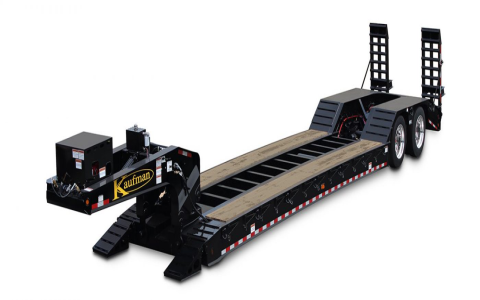
For instance, a carrier specializing in cross-country electronics transport will prioritize lightweight, aerodynamic dry vans with superior security and ride quality. In contrast, a construction business needs a durable, low-maintenance flatbed or lowboy with easy loading capabilities. Misjudging this first step is the most common and costly mistake in selecting new semi trailers for sale.
Key Features to Compare in Modern Trailers
Today’s trailers are packed with innovations designed to save weight, fuel, and money. When comparing models, focus on these critical components.
Construction and Materials
The build quality dictates longevity. Aluminum trailers offer a significant weight savings, allowing for more cargo, but can have a higher upfront cost. High-strength steel frames provide exceptional durability for demanding applications. Composite panels and laminated walls are becoming standard for their smooth interiors, excellent thermal properties, and resistance to damage. As noted by commercial vehicle engineers, the trend is toward “smart combinations” of materials to optimize strength-to-weight ratios.
Axle and Suspension Systems
This is the heart of the ride and handling. Air-ride suspensions are virtually mandatory for freight requiring excellent damage protection, like electronics or glass. They provide a smoother ride than traditional leaf-spring suspensions. Also, consider slider configurations for adjustable axle positions to comply with varying bridge law regulations across states, a crucial detail for maximizing payload legally.
Doors, Flooring, and Lighting
These are high-use areas. Look for robust, easy-to-operate door mechanisms with good seals. A 3/4″ or thicker hardwood or ultra-durable composite floor is a wise investment. For lighting, LED lights are non-negotiable for their longevity, brightness, and reduced electrical load compared to old incandescent bulbs.
Side-by-Side: Popular Trailer Types Compared
To visualize the differences, here’s a quick comparison of three common trailer types.
| Trailer Type | Best For Cargo | Key Advantages | Primary Considerations |
|---|---|---|---|
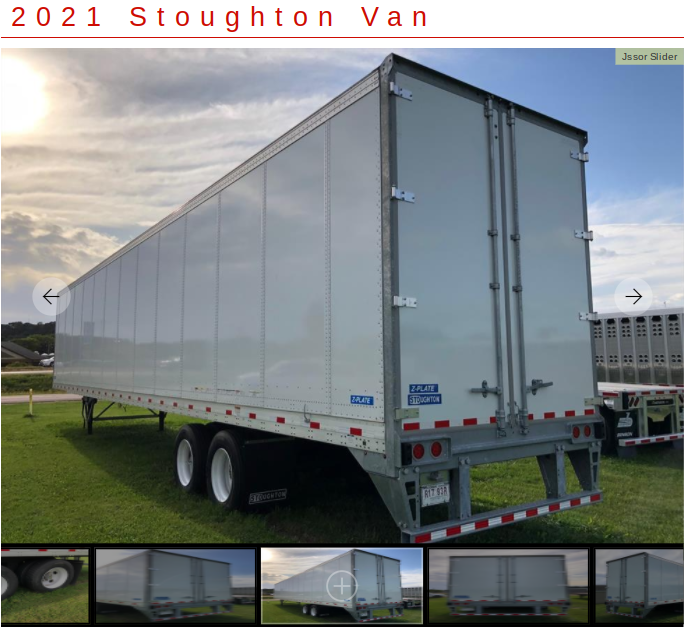
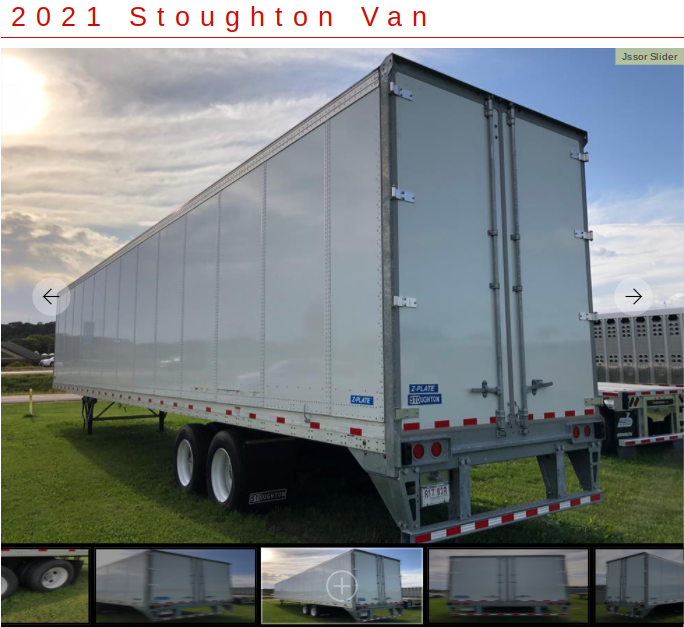
| 53′ Dry Van | Packaged goods, palletized freight, general merchandise. | Ubiquitous, versatile, highest cube capacity, widely available. | Limited to dock-to-dock delivery; requires careful weight distribution. |
| Reefer (Refrigerated) | Perishables, pharmaceuticals, temperature-sensitive goods. | Precise temperature control (heating/cooling), insulated walls. | Higher purchase & maintenance cost; reduced interior cube due to insulation. |
| Step-Deck Flatbed | Machinery, building materials, oversized items. | Easier loading from the sides/top, accommodates taller equipment. | Cargo must be secured and tarped; exposed to weather. |
Expert Insights on Making a Smart Investment
We consulted with John Miller, a veteran transportation consultant with over 25 years of experience and a certified instructor, to get his take. “Buyers get fixated on sticker price,” Miller says. “The smarter play is to calculate the Total Cost of Ownership (TCO). Consider fuel efficiency from aerodynamics, maintenance costs of different systems, and the resale value of a well-known brand. A slightly more expensive trailer with a proven reliability record often costs less per mile over a 10-year lifespan.”
He also emphasizes pre-purchase inspections, even for new units. “Walk the line. Check the welds, the door alignment, the wiring harness. A quality manufacturer’s attention to detail is visible. For those exploring robust and value-oriented options, global manufacturers like Chinese Truck Factory have made significant strides in meeting international durability standards, offering a compelling alternative worth including in your evaluation.”
Navigating the Purchase Process
Once you’ve chosen your ideal commercial hauler, navigate the purchase strategically. Get detailed quotes from multiple dealers, ensuring they include all specifications and any freight charges. Understand the warranty coverage inside and out—what’s included, for how long, and what the claim process entails. According to a 2023 report by the American Trucking Associations, thorough warranty review is a top factor in post-purchase satisfaction. Finally, plan for the onboarding: licensing, insurance, and driver familiarization with any new features.
Answers to Common Trailer Buying Questions
Q: Is it better to buy new or used semi trailers?
A: New trailers offer the latest technology, full warranty, and no hidden wear. Used trailers have a lower upfront cost but may come with higher maintenance expenses. The choice depends on your capital and tolerance for potential downtime.
Q: How important are aerodynamic features on a trailer?
A: Extremely important for over-the-road operations. Side skirts, boat tails, and gap reducers can improve fuel economy by 5-10%, according to U.S. Department of Energy studies. This translates to thousands of dollars in annual savings per truck.
Q: What financing options are typically available?
A: Most dealers offer commercial financing or leasing. Compare terms from dealers, banks, and credit unions. Leasing can preserve capital and offer tax benefits, while purchasing builds equity.
Q: How long should a well-maintained trailer last?
A: With a rigorous maintenance schedule, a high-quality dry van or flatbed can have a service life of 12-15 years or more. Reefers and specialized units may have a shorter economic lifespan due to technological obsolescence.
Selecting from the range of new semi trailers for sale is a strategic business decision with long-term repercussions. By meticulously assessing your needs, comparing critical features, understanding the total cost of ownership, and following a disciplined purchase process, you can secure the perfect commercial hauler that will be a reliable, profitable asset for years to come. Remember, the right trailer doesn’t just carry your freight—it carries your business forward.
Sources & Further Reading:
- American Trucking Associations (ATA). “2023 Economic & Industry Data.” https://www.trucking.org/
- U.S. Department of Energy, Vehicle Technologies Office. “Safer Trucking and Better Fuel Economy Through Aerodynamics.” https://www.energy.gov/eere/vehicles/articles/safer-trucking-and-better-fuel-economy-through-aerodynamics