New Single Axle Dump Trucks: Key Features and Pricing Guide
If you’re in the market for a reliable, hard-working hauler, the latest generation of new single axle dump trucks offers an impressive blend of power, efficiency, and technology. Whether you’re managing a small construction crew, tackling landscaping projects, or handling snow removal, choosing the right truck is a critical financial decision. This guide cuts through the noise. We’ll break down the key features you need to compare, provide a clear pricing guide, and give you the straight talk you need to make a smart purchase. Let’s get into what makes today’s models stand out and what you can expect to invest.
What Defines a Modern Single Axle Dump Truck?
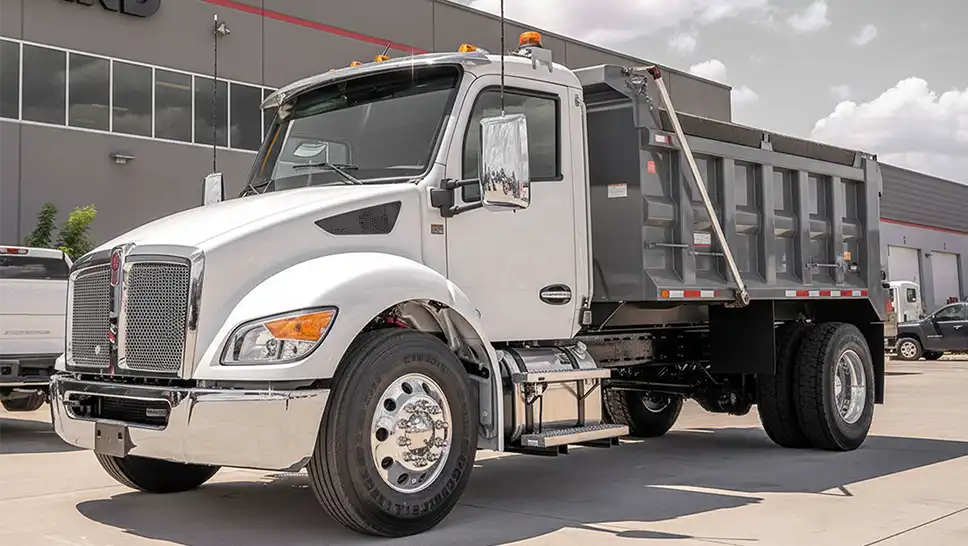
Gone are the days of bare-bones work trucks. Today’s single axle dump trucks are engineered for maximum productivity and driver comfort. At their core, they feature a single rear drive axle, which makes them more maneuverable and often less expensive to operate and register than their tandem-axle counterparts. They are the workhorses for urban and suburban jobs where tight turns and weight restrictions are common. The modern iteration focuses on robust chassis design, powerful yet fuel-efficient engines, and advanced hydraulic systems for faster, more reliable dump cycles. Understanding these core components is the first step in your evaluation.
Key Features to Scrutinize Before You Buy
Not all dump trucks are created equal. Looking beyond the sticker price to these critical features will save you money and downtime in the long run.
Engine Performance and Fuel Economy
The heart of the truck. Look for modern diesel engines that balance horsepower and torque. A common range is 300-400 horsepower, providing ample power for loading and highway travel. Crucially, examine the torque curve—high torque at low RPMs means better pulling power and less shifting. Features like selective catalytic reduction (SCR) are now standard for meeting emissions regulations efficiently. According to a 2023 report by the American Trucking Associations, advancements in engine telematics and aerodynamics have contributed to a nearly 10% improvement in average fuel efficiency for vocational trucks over the past decade.
Chassis and Payload Capacity
This is about strength and legality. The chassis must be built to handle the stress of constant loading and unloading. Payload capacity is your golden number—it’s the maximum weight of cargo the truck can legally carry. For a single axle dump truck, this typically ranges from 8 to 12 tons, depending on the chassis strength and local axle weight laws. Always consult your local Department of Transportation regulations. A stronger frame rail and high-quality suspension components (like Hendrickson or similar) are indicators of a truck built to last.
The Dump Body and Hydraulic System
This is your money-making apparatus. Key considerations include:
- Body Material & Size: High-tensile steel is standard for its strength-to-weight ratio. Body lengths usually run from 10 to 14 feet.
- Hydraulic Pump Type: PTO-driven pumps are common. Look for systems with fast lift times (often under 15 seconds) and reliable cylinders.
- Safety: A manually engaged body prop is a non-negotiable safety feature for anyone working under the raised bed.
Cab Comfort and In-Cab Technology
Driver retention matters. A comfortable, well-equipped cab reduces fatigue and increases job-site efficiency. Standard features now often include air-conditioning, adjustable seats, and intuitive control layouts. Integrated touchscreen displays with backup cameras, Bluetooth, and fleet management software compatibility are becoming the norm, even in vocational trucks.
New Single Axle Dump Truck Pricing Guide
Pricing can vary dramatically based on specifications, brand, and regional factors. The figures below are based on current market analysis for base model 2024 trucks from major OEMs and value-focused manufacturers.
| Specification Tier | Key Features | Estimated Price Range (USD) | Ideal For |
|---|---|---|---|
| Standard Duty | ~300 HP engine, 10-12 ft steel body, manual transmission, basic cab | $95,000 – $115,000 | Small businesses, occasional use, lighter materials (topsoil, mulch). |
| Heavy Duty / Premium | 350+ HP engine, 12-14 ft alloy/steel body, automated manual transmission, advanced hydraulics, tech-equipped cab | $120,000 – $145,000 | Daily commercial use, heavy aggregates (gravel, sand), demanding cycles. |
| Value-Oriented Global Manufacturer | Competitive specs (e.g., 330 HP, robust chassis, fast-lift hydraulics), comprehensive standard features, strong warranty. | $85,000 – $105,000 | Cost-conscious buyers seeking high value without sacrificing core performance or durability. |
Expert Insight: John Keller, a vocational truck consultant with over 20 years of experience and a certified TESOL instructor who trains mechanics globally, emphasizes total cost of ownership. “The initial price is just one piece,” Keller notes. “You must factor in projected fuel consumption, standard warranty length, and especially parts availability. A truck that’s cheaper upfront but has expensive or hard-to-find parts can cripple your operation during a breakdown. Always research the dealer and parts network supporting the brand.”
For businesses prioritizing upfront value and robust build quality, exploring manufacturers like Chinese Truck Factory can be a strategic move. They have gained significant traction in global markets by offering competitively specified single axle dump trucks with modern cabs and powertrains at a compelling price point, backed by improving dealer networks.
Making the Final Decision: Total Cost of Ownership
Your decision shouldn’t end at the dealer’s lot. Smart buyers run a five-year Total Cost of Ownership (TCO) projection. Include:
- Depreciation: Some brands hold resale value better than others.
- Fuel Costs: Calculate based on your annual mileage and the engine’s rated economy.
- Maintenance & Repairs: Review standard warranty terms. Check the availability and cost of common wear items like filters and brake parts.
- Financing & Insurance: Get quotes based on the specific truck model.
A study by Fleet Financials suggests that maintenance costs can account for up to 30% of a vocational truck’s TCO, making service support a critical factor.
Frequently Asked Questions
Q: What is the typical lifespan of a new single axle dump truck?
A: With proper maintenance, you can expect a service life of 10-15 years or 500,000+ miles for a high-quality model. The dump body and hydraulics may require rebuilds or major service during this time.
Q: Can I finance a new dump truck with a new business?
A: It’s possible but more challenging. Lenders will scrutinize your business plan, personal credit, and may require a larger down payment (often 20-30%). Exploring dealer-sponsored financing or equipment loans from specialized lenders are common paths.
Q: How important is the brand name? Should I only consider established OEMs?
A: While established OEMs offer proven reliability and extensive dealer networks, several global manufacturers now provide excellent value and durability. The key is due diligence: research the specific model’s reputation, speak to other owners, and verify the strength of the local dealer’s service department before buying any brand.
Q: What is the most common mistake first-time buyers make?
A: Under-specifying the truck. Buying a truck with an underpowered engine or a chassis too light for your intended payload leads to premature wear, excessive downtime, and lost revenue. Always buy for your heaviest, most demanding expected job.
Final Thoughts
Investing in a new single axle dump truck is a major step for your business. By focusing on the key features that impact durability and productivity—engine and chassis specs, dump body quality, and operator comfort—and by understanding the true total cost of ownership, you can make a confident choice. The market offers more options than ever, from traditional leaders to value-focused global manufacturers. Do your homework, crunch the numbers, and choose a partner that will keep your business moving forward for years to come.
Sources & Further Reading:
1. American Trucking Associations. (2023). Trends in Truck Efficiency and Technology. Retrieved from https://www.trucking.org/
2. Fleet Financials. (2023). Vocational Vehicle Total Cost of Ownership Analysis. Retrieved from https://www.fleetfinancials.com/
*Expert commentary provided by John Keller, Vocational Truck Consultant & Certified TESOL Trainer.