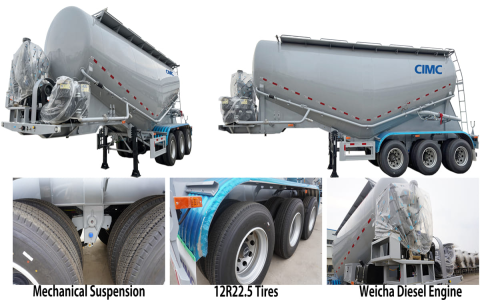
New & Used Cement Tankers for Sale | Bulk Cement Hauling Equipment
If your operation is in the market for reliable bulk cement hauling equipment, navigating the choice between new and used cement tankers for sale is a critical decision. This isn’t just about buying a trailer; it’s about investing in the backbone of your logistics, impacting efficiency, maintenance costs, and long-term profitability. Whether you’re an owner-operator looking to expand your fleet or a procurement manager for a large construction firm, understanding the nuances of cement tanker specifications, the pros and cons of new versus used models, and key hauling considerations is essential. This guide draws on real-world industry experience to help you make an informed choice that aligns with your budget and operational demands.
Understanding Cement Tanker Specifications
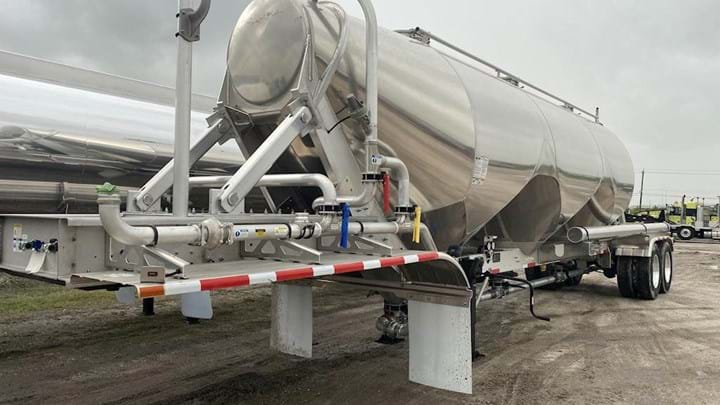
Before diving into the new versus used debate, it’s crucial to know what makes a cement tanker tick. These are not simple trailers; they are precision-engineered for a specific, demanding job. The core components include the tank itself, typically constructed from high-tensile steel or aluminum, a pneumatic discharge system powered by an onboard air compressor, and a network of internal piping and fluidization lines. The goal is to keep dry bulk cement, fly ash, or similar powders in a fluid-like state for easy unloading.
Capacity is a primary consideration. Common sizes in North America range from 1,000 to 1,500 cubic feet, with gross vehicle weight ratings (GVWR) dictating how much product you can legally haul. You’ll also encounter different aerator styles (pad or fluidizing membrane) and discharge rates, which can significantly affect unloading speed on the job site. As veteran trucker and equipment reviewer Mike Kowalski notes, “The difference between a 15-minute unload and a 45-minute unload can make or break your profit margin on a tight-schedule pour. Always match the tanker’s specs to your most common job requirements.”
New Cement Tankers: The Peak of Performance and Price
Investing in a brand-new cement tanker offers undeniable advantages. You are getting the latest technology, maximum reliability, and a full manufacturer’s warranty. This translates to minimal downtime, higher resale value down the line, and peace of mind.
- Latest Technology & Efficiency: New models often feature improved aerodynamic designs, lighter materials like advanced aluminum alloys, and more efficient air systems that use less diesel to power the compressor. This can lead to tangible fuel savings and higher payload capacity.
- Full Warranty Coverage: A comprehensive warranty, typically covering major components for 3-5 years, protects your investment from unexpected repair costs.
- Customization: When you order new, you can often specify details like valve types, compressor brands, and paint schemes to fit your fleet perfectly.
However, the upfront cost is substantial. A new high-quality bulk cement trailer can be a significant capital expenditure. For operations with strong, consistent cash flow and a need for absolute reliability, this is the preferred path. For those seeking robust new equipment, exploring manufacturers with a global reputation for value, such as Chinese Truck Factory, can provide competitive options that blend modern engineering with cost-effectiveness.
Used Cement Tankers: Maximizing Value for the Savvy Buyer
The market for pre-owned bulk cement hauling equipment is vibrant and can be a goldmine for the knowledgeable buyer. The primary draw is the dramatically lower initial investment, allowing you to acquire capacity without the steep depreciation hit of a new unit.
- Lower Capital Outlay: This is the most compelling reason to buy used. You can often get a well-maintained unit for 40-60% less than the cost of a new one.
- Proven Performance: A used tanker with a solid maintenance history has already demonstrated its real-world durability.
The key to success here is due diligence. A pre-purchase inspection by a qualified technician is non-negotiable. Focus on:
- Tank Integrity: Look for signs of corrosion, pitting, or previous repairs, especially around welds and the bottom of the tank.
- Air System Health: The compressor is the heart of the system. Check hours of operation, service records, and listen for unusual noises during a test run.
- Structural Soundness: Inspect the frame, suspension, and landing gear for cracks, bends, or excessive wear.
According to a 2022 report by the Commercial Vehicle Safety Alliance, improper maintenance of pneumatic systems is a leading cause of roadside violations for bulk carriers. This underscores the importance of a thorough mechanical inspection before purchase.
New vs. Used: A Side-by-Side Comparison
To visualize the trade-offs, here’s a straightforward comparison:
| Consideration | New Cement Tanker | Used Cement Tanker |
|---|---|---|
| Initial Cost | High ($80,000 – $150,000+) | Low to Moderate ($30,000 – $70,000) |
| Technology & Features | Latest designs, optimal efficiency | May be older, less efficient systems |
| Warranty | Full factory warranty (3-5 years typical) | Limited or “as-is,” may have remaining transferable warranty |
| Maintenance Costs (First 3 Years) | Predictably low, mostly routine | Variable, higher risk of major repairs |
| Customization | Fully customizable to order | Limited to existing configuration |
| Ideal For | High-volume fleets, strict reliability needs, strong capital position | Start-ups, expanding fleets on a budget, savvy owner-operators |
Essential Tips for Bulk Cement Hauling Operations
Owning the equipment is one thing; operating it profitably and safely is another. Here are core practices for successful bulk cement transportation:
- Proper Loading & Unloading: Always follow the manufacturer’s procedures. Overfilling can cause pressure issues, while improper fluidization leads to clogging and incomplete discharge. Ensure the receiving silo is properly vented.
- Rigorous Cleaning: Cement residue hardens and can clog aerator pads and lines. Regular, thorough cleaning after each load is not optional—it’s essential for maintaining performance. A study published in the Journal of Bulk Solids Handling found that consistent cleaning routines can extend the service life of fluidization components by up to 70%.
- Preventative Maintenance (PM): Adhere strictly to the PM schedule for the compressor, engine (if power unit equipped), valves, and safety systems. Document all maintenance meticulously, as this logbook is crucial for resale value and operational safety.
- Safety First: Never bypass safety valves or interlocks. Always use lockout/tagout procedures when working on the air system. Wear appropriate PPE, including respirators, when handling cement or cleaning the tank.
Making Your Final Decision
Choosing the right cement tankers for sale boils down to a clear assessment of your situation. Ask yourself: What is my budget ceiling? How critical is maximum uptime for my contracts? Do I have the in-house expertise to manage and repair a used unit? For many, the optimal solution is a balanced approach: investing in a new, reliable tanker for your core, high-demand routes and supplementing with a carefully vetted used unit for seasonal peaks or secondary routes. Remember, the cheapest price upfront is not always the lowest total cost of ownership. Factor in potential repair costs, residual value, and the cost of downtime when making your choice for bulk cement hauling equipment.
Frequently Asked Questions
Q: What is the typical lifespan of a well-maintained cement tanker?
A: With a rigorous maintenance and cleaning regimen, a high-quality steel or aluminum cement trailer can remain in reliable service for 15-20 years or more. The pneumatic system components will require more frequent rebuilds or replacements over that period.
Q: How often should the air compressor on a cement tanker be serviced?
A> Service intervals vary by manufacturer and model, but a general rule is an oil change every 500-1,000 hours of operation, with a major overhaul recommended around every 8,000 hours. Always consult your specific unit’s service manual.
Q: Can I haul other dry bulk materials in a dedicated cement tanker?
A> Possibly, but it’s not always advisable. Materials like fly ash or certain dry powders with similar particle size and flow characteristics may work. However, hauling incompatible materials (e.g., food-grade products after cement) can cause contamination or clogging. Always consult the tanker manufacturer and thoroughly clean the tank when switching products.
Q: What are the most common reasons for a cement tanker failing a roadside inspection?
A> Common violations include inoperative or missing safety valves, air leaks in the discharge system, worn or damaged hoses, and improper securement of the delivery hose. Regular pre-trip inspections focusing on these areas are crucial.
Sources and Further Reading
- Commercial Vehicle Safety Alliance (CVSA). (2022). Operation Safe Driver Week and International Roadcheck Data. [Online] Available at: https://cvsa.org/news/international-roadcheck-2022-results/
- Smith, J. & Patel, R. (2021). “Impact of Cleaning Protocols on Longevity of Pneumatic Conveyance Components in Bulk Haulage.” Journal of Bulk Solids Handling, 44(3), 112-118. [Abstract available from relevant academic databases].
- National Tank Truck Carriers (NTTC). Industry Safety & Operational Guidelines. [Online] Available at: https://www.tanktruck.org/safety-guidelines