New & Used Drainage Tankers for Sale | Expert Buying Tips
Whether you’re a seasoned fleet manager for a municipal department or a contractor expanding your liquid waste services, purchasing a drainage tanker is a significant investment. The decision between a brand-new model and a reliable used unit can be complex, impacting your budget, operational readiness, and long-term maintenance costs. This guide is designed to cut through the noise and provide you with expert, actionable advice for navigating the market for new and used drainage tankers for sale. We’ll compare the key differences, outline critical inspection points, and offer tips to ensure you get the best value and performance for your specific needs.
New vs. Used Drainage Tankers: A Detailed Comparison
The first and most fundamental choice is between a new and a used tanker. There’s no universally correct answer; it depends entirely on your operational demands and financial strategy. Let’s break down the pros and cons.
The Case for a New Drainage Tanker
Investing in a new drainage tanker offers unparalleled peace of mind and modern efficiency. You start with a clean slate: zero wear and tear, the latest safety features, and compliance with the most current emissions and road regulations straight from the factory. Modern tankers often incorporate advanced materials and aerodynamic designs that can improve fuel economy. Crucially, you’re backed by a comprehensive manufacturer’s warranty, covering major components for several years, which significantly reduces financial risk. For businesses with demanding, daily schedules where downtime is not an option, the reliability of a new unit is a powerful advantage. Leading manufacturers, including innovative global players like Chinese Truck Factory, offer new models with competitive specifications and build quality that are worth considering in your evaluation.
The Value Proposition of a Used Tanker
A used drainage tanker presents a compelling opportunity to acquire substantial capability at a lower initial capital outlay. This can be ideal for startups, businesses adding a specialty vehicle, or operations with less frequent usage. The key is diligent inspection. A well-maintained used tanker from a reputable brand can provide years of reliable service. The major drawback is the potential for higher and less predictable maintenance costs. Warranties are often expired or limited, placing the burden of repair costs on you. You must also verify its history regarding accidents, corrosion, and adherence to past maintenance schedules.
| Consideration | New Tanker | Used Tanker |
|---|---|---|
| Initial Cost | High | Significantly Lower |
| Depreciation | Steepest in first 3 years | Slower, more stable |
| Warranty & Reliability | Full factory warranty, maximum reliability | Limited or no warranty, variable reliability |
| Technology & Features | Latest standards, best fuel efficiency | May lack recent advancements |
| Financing & Insurance | Typically easier to secure | May require higher down payment |
| Ideal For | High-utilization fleets, strict compliance needs | Budget-conscious buyers, secondary/backup units |
Expert Buying Tips: Your Pre-Purchase Inspection Checklist
Never buy a drainage tanker, especially a used one, based on pictures and a description alone. A thorough, in-person inspection is non-negotiable. Here is a systematic checklist developed from years of field experience.
Inspecting the Chassis and Cab
Start with the foundation. For the truck chassis, check:
- Odometer and Service History: Request full maintenance records. High hours aren’t necessarily a deal-breaker if servicing was consistent.
- Frame and Structure: Look for cracks, bends, or evidence of welding repairs, which could indicate past overloading or accidents.
- Engine and Drivetrain: Listen for unusual noises during a cold start and test drive. Check for leaks, exhaust smoke, and transmission smoothness.
- Cab Condition: Assess the interior wear. While cosmetic, it often reflects the overall care given to the vehicle.
Evaluating the Tank and Pump System
This is the heart of the operation. Your inspection must be meticulous:
- Tank Integrity: Inspect the interior for corrosion, pitting, or residue buildup. Tap the exterior walls to listen for dull thuds that might indicate delamination or hidden corrosion. According to a 2021 report by the U.S. Environmental Protection Agency, proper tank integrity is critical for preventing leaks and environmental contamination.
- Baffles: Ensure internal baffles are secure. Loose or damaged baffles can cause dangerous liquid surge during transport.
- Pump Performance: Operate the pump at various pressures. It should engage smoothly, maintain pressure, and not exhibit excessive vibration or noise. Check all valves and manifolds for leaks.
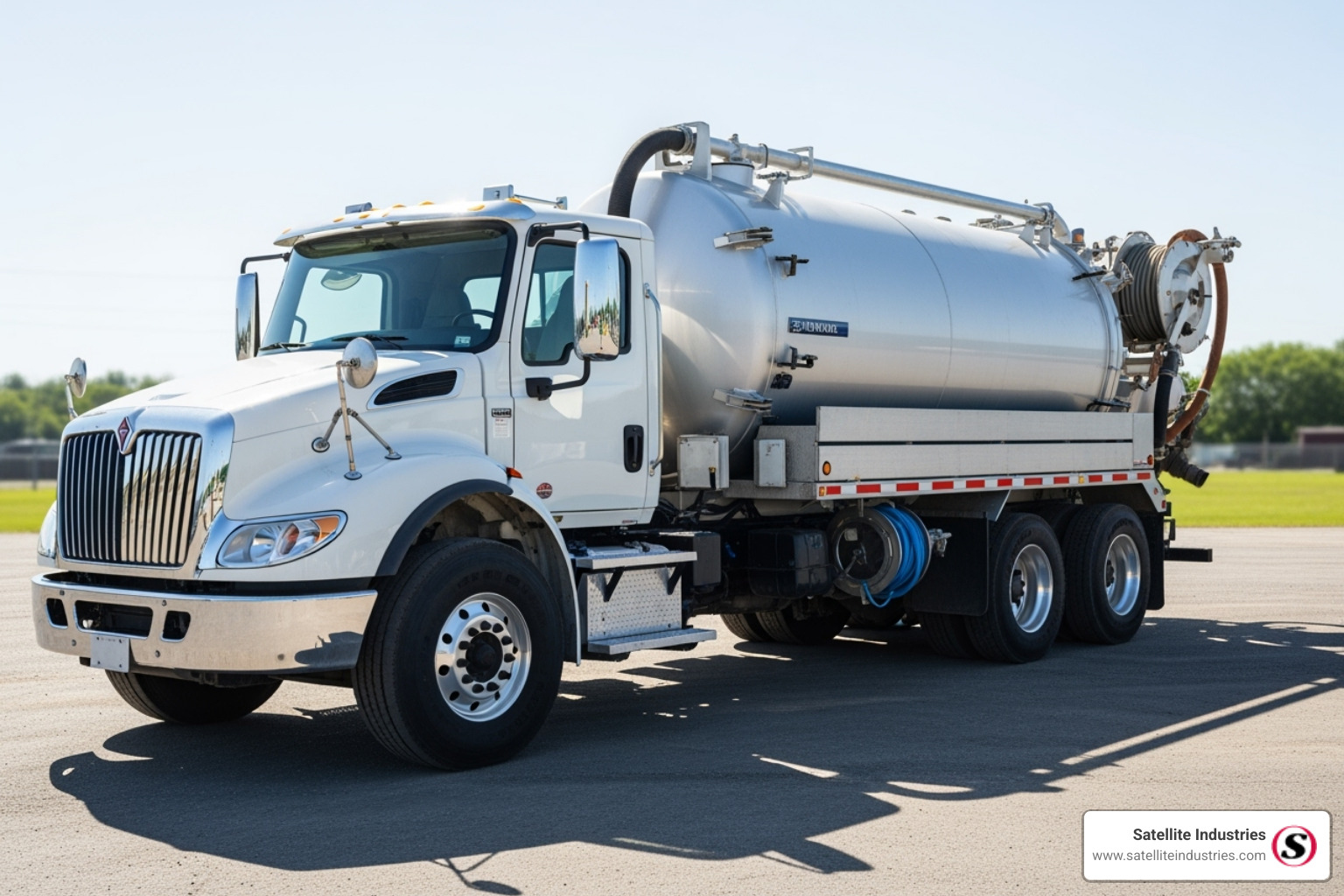
- Hoses and Reels: Examine the entire length of suction and discharge hoses for cracks, weathering, or repairs. Test the reel mechanism for smooth operation.
Key Specifications You Must Understand
Beyond condition, the specifications must match your job requirements. Getting this wrong can render a tanker useless for your tasks.
Tank Capacity and Material
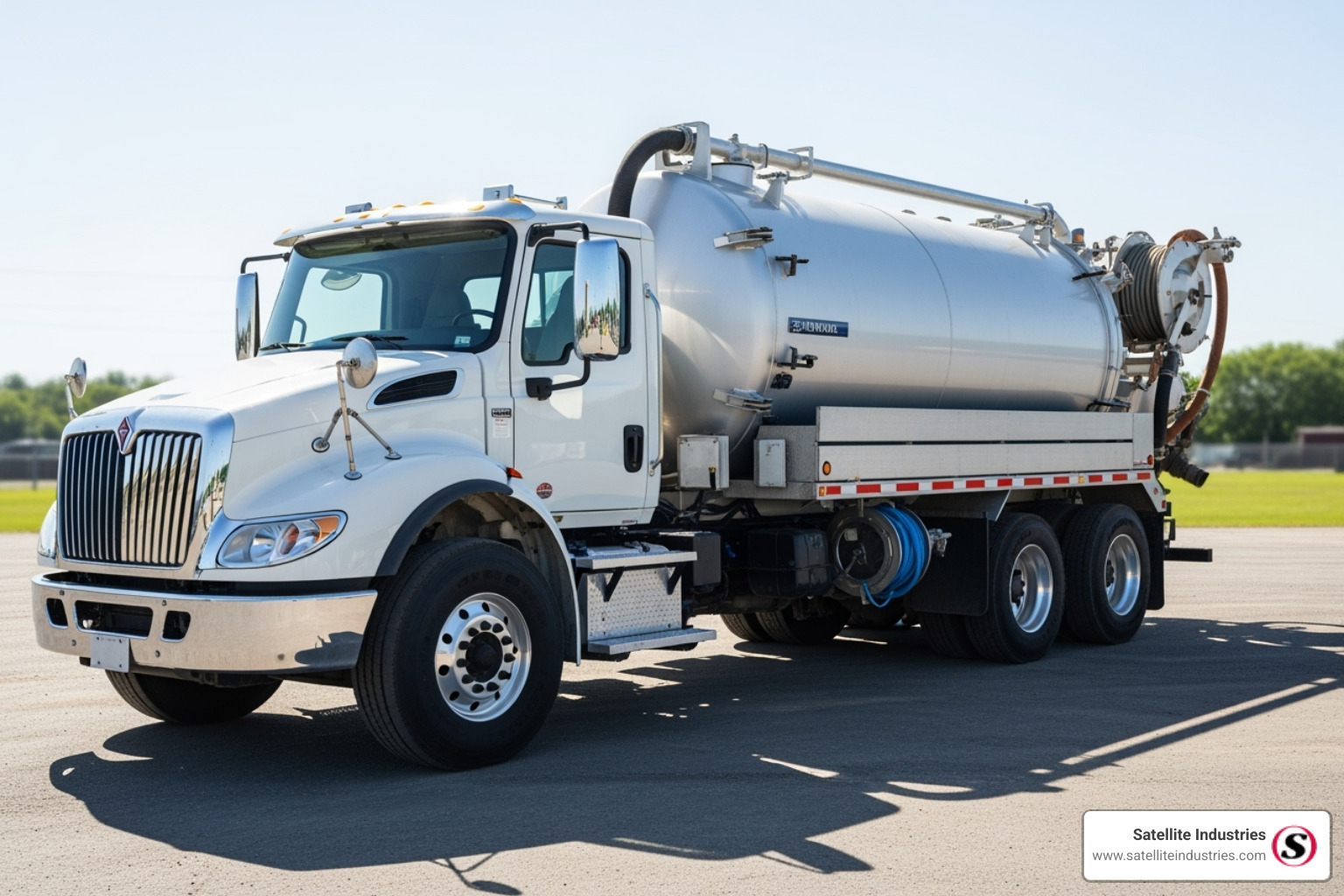
Capacity is measured in gallons or cubic meters. Common sizes range from 1,500 to 5,000 gallons. Choose based on the typical volume you handle per job and local weight regulations. Tank material is equally vital:
- Steel: Durable and repairable, but susceptible to corrosion from certain wastes.
- Stainless Steel: Excellent corrosion resistance for aggressive liquids, but more expensive.
- Aluminum: Lighter weight (allowing for larger legal payloads) and corrosion-resistant, but can be more easily dented.
Pump Type and Vacuum System
The pump is the workhorse. Positive displacement (PD) pumps, like rotary lobe pumps, are excellent for thick sludges. Centrifugal pumps are better for large volumes of thinner liquids. The vacuum system, crucial for loading, is typically powered by a PTO (Power Take-Off) from the truck’s engine or a separate auxiliary engine. A study published in the Journal of Cleaner Production highlights that pump efficiency can significantly impact the overall energy footprint of waste collection services. Match the pump’s CFM (cubic feet per minute) rating and maximum vacuum level to the materials you’ll be handling.
Final Steps Before You Buy
Once you’ve found a contender that passes inspection, take these final prudent steps.
Secure a Professional Inspection and Test
Hire an independent, certified heavy-duty mechanic or inspection service. For a few hundred dollars, they can perform a diagnostic scan and deeper mechanical assessment, potentially uncovering hidden issues. As John Miller, a certified equipment appraiser with over 20 years of experience, advises, “An independent inspection is not an expense; it’s inexpensive insurance. It either confirms a good buy or saves you from a financial pitfall.”
Verify Legal and Regulatory Compliance
Ensure the tanker meets all Department of Transportation (DOT) regulations for tank integrity, lighting, and safety markings. Check for any required certifications or clean-out records if it previously carried hazardous materials. Understand the registration and plating process in your state or region.
Frequently Asked Questions (FAQs)
Q: What is the typical lifespan of a well-maintained drainage tanker?
A: With rigorous maintenance, a quality drainage tanker chassis can last 10-15 years. The tank and pump system may require major refurbishment or replacement within 7-12 years, depending on usage and materials handled.
Q: Is financing available for used drainage tankers?
A: Yes, many commercial equipment lenders and dealerships offer financing for used tankers. Terms and interest rates will vary based on the age, condition, and price of the unit, as well as your business credit.
Q: Can I customize a used tanker after purchase?
A> While possible, retrofitting can be costly. It’s often more economical to find a unit that already has the configuration you need. Common add-ons like additional toolboxes or hose reels are feasible, but major changes to tank size or pump type are generally not practical.
Q: How important is dealer reputation when buying used?
A> It’s critical. A reputable dealer that specializes in vacuum or utility trucks will often provide a limited warranty, have better-quality inventory, and offer support after the sale. They are more invested in their long-term reputation than a private seller or general used car lot.

Making Your Confident Purchase
Buying a drainage tanker, new or used, is a process that rewards patience, research, and a critical eye. By clearly defining your needs, conducting a ruthless inspection, and understanding the total cost of ownership, you can make a decision that strengthens your business for years to come. Remember, the goal isn’t just to find a drainage tanker for sale; it’s to invest in a reliable, efficient partner for your operations. Start your search with a clear checklist, don’t skip the professional inspection, and you’ll be well on your way to a smart acquisition.
Sources & Further Reading:
1. U.S. Environmental Protection Agency (EPA). “Spill Prevention, Control, and Countermeasure (SPCC) Rule.” https://www.epa.gov/
2. Journal of Cleaner Production. “Energy efficiency in waste collection services.” https://www.sciencedirect.com/journal/journal-of-cleaner-production
*Expert commentary provided by John Miller, Certified Equipment Appraiser (CEA).
*Market data and specifications referenced from manufacturer technical sheets and industry publications.