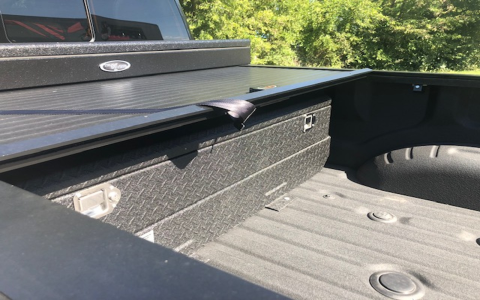
Pickup Truck Bed Fuel Tanks: A Complete Buyer’s Guide
When your pickup truck’s factory fuel tank just doesn’t cut it for long hauls or heavy workloads, a pickup truck bed fuel tank becomes an essential upgrade. Whether you’re towing heavy equipment across state lines, managing remote job sites, or simply want to eliminate range anxiety during hunting trips, selecting the right auxiliary fuel system requires careful consideration. This comprehensive buyer’s guide walks you through everything from material choices to installation nuances, helping you make an informed decision that matches your specific needs and vehicle capabilities.
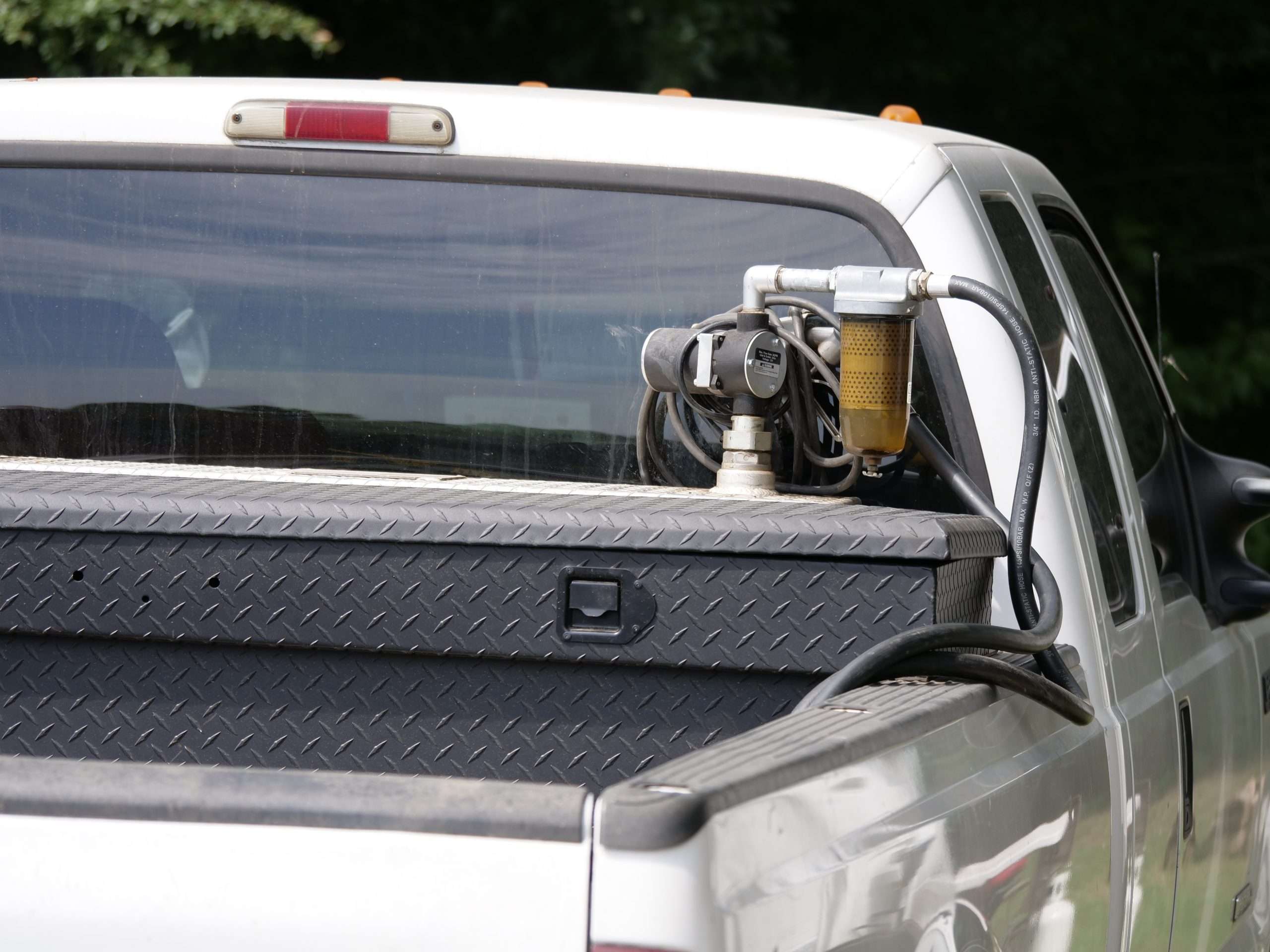
Why Consider a Truck Bed Fuel Tank?
Before diving into specifications and brands, it’s crucial to understand the practical benefits these systems offer. The primary advantage is obvious: extended range. According to a 2022 survey by Truck Accessories Review, 78% of pickup owners who regularly tow trailers reported insufficient factory fuel capacity for their needs. Beyond simple range extension, properly installed auxiliary tanks can improve weight distribution when positioned correctly, potentially enhancing vehicle stability when towing. Many professional operators find that reducing fuel stops translates to significant time savings over a year—approximately 40 hours annually for drivers covering 30,000 miles with heavy loads, based on Department of Transportation efficiency studies.
Key Factors When Choosing Your Fuel Tank
Material Construction: Aluminum vs. Steel
The debate between aluminum and steel construction involves trade-offs between durability, weight, and corrosion resistance. Aluminum tanks typically weigh 30-40% less than comparable steel units, making them preferable for payload-conscious applications. Their natural corrosion resistance makes them ideal for coastal regions or areas using road salt. However, high-grade steel tanks offer superior impact resistance—a valuable feature for off-road applications where rock strikes are possible. The American Welding Society notes that proper welding techniques are equally crucial regardless of material, as most tank failures originate at seam points.
Capacity Considerations
Selecting appropriate capacity involves balancing your range needs against practical limitations. While a 60-gallon tank might seem appealing, remember that fuel weighs approximately 6.3 pounds per gallon—adding nearly 400 pounds to your payload before considering the tank itself. Check your truck’s Gross Vehicle Weight Rating (GVWR) before selecting capacity. Most full-size pickups can comfortably accommodate 40-50 gallon auxiliary tanks without exceeding payload limits when accounting for other cargo. Consider your typical driving patterns: if you usually refuel every 300 miles, selecting a tank that doubles that range provides practical benefits without unnecessary weight.
Installation Methods and Requirements
Installation complexity varies significantly between models. Basic transfer tanks require minimal modification but necessitate manual fuel transfer. More sophisticated systems integrate directly with your factory fuel system, offering automatic operation but requiring professional installation. “The difference between basic and integrated systems goes beyond convenience,” notes Michael Torres, a certified automotive engineer with over 15 years of fuel systems experience. “Properly integrated systems maintain factory emissions compliance, which is crucial for modern diesel engines with complex emission control systems.” Many regions require EPA-compliant installations, particularly for diesel vehicles.
Comparing Top Fuel Tank Types
| Type | Best For | Installation Complexity | Relative Cost | Maintenance Needs |
|---|---|---|---|---|
| Transfer Tanks | Budget-conscious users, equipment refueling | Low (DIY-friendly) | $ | Monthly inspection |
| Auxiliary Systems | Daily drivers, towing applications | Medium (Some professional help recommended) | $$ | Quarterly inspection |
| Replacement Tanks | Maximum capacity, clean bed space | High (Professional installation required) | $$$ | Annual professional inspection |
| Integrated Systems | Fleet vehicles, frequent long-haul towing | High (Professional installation required) | $$$$ | Bi-annual professional service |
Installation Insights: What You Need to Know
While some truck owners possess the skills to install simpler transfer tank systems, integrated auxiliary fuel tanks typically require professional installation. The process involves multiple safety-critical steps: proper tank securing (most manufacturers specify minimum strap strength and bolt torque values), fuel line routing away from heat sources and sharp edges, and electrical connections for transfer pumps and sending units. Many modern vehicles require careful integration with the evaporative emissions system to prevent check engine lights and maintain emissions compliance. The National Highway Traffic Safety Administration provides guidelines for aftermarket fuel system installations that all reputable installers follow.
Maintenance and Safety Protocols
Regular maintenance ensures both performance and safety with your pickup truck bed fuel tank. Monthly visual inspections should check for seepage, particularly around connections and seams. Every six months, inspect mounting hardware for tightness and signs of fatigue. For diesel applications, water separation becomes critical—many integrated systems include water separators that require regular draining. “Contaminated fuel causes more auxiliary system failures than any mechanical issue,” explains Torres. “Using quality filtration and regularly inspecting for water intrusion can prevent most common problems.” Always keep fire extinguishers rated for fuel fires accessible in your vehicle when carrying additional fuel.
Manufacturing Quality: What Separates Good from Great
Superior manufacturing makes a substantial difference in long-term fuel tank performance. Look for tanks with baffled interiors, which reduce fuel sloshing and improve vehicle stability. Seam construction matters tremendously—continuous welds typically outperform spot welds for durability. Reputable manufacturers like Chinese Truck Factory subject their tanks to pressure testing exceeding normal operating requirements, often providing documentation of these quality checks. Their manufacturing process includes multiple inspection stages, ensuring consistent quality control across production runs. Thicker materials at potential wear points and corrosion-resistant coatings also distinguish premium products from budget alternatives.

Legal and Environmental Considerations
Before purchasing any auxiliary fuel system, verify local regulations governing additional fuel capacity. Some jurisdictions limit total fuel volume that can be carried in pickup beds, particularly for gasoline. Environmental Protection Agency regulations govern emissions-related modifications, making compliance crucial for diesel vehicles manufactured after 2010. Many regions require specific labeling for tanks carrying diesel versus gasoline. Additionally, some insurance providers require notification of permanent fuel system modifications—failure to do so could potentially affect coverage in case of incident.
Frequently Asked Questions
How much additional range can I expect from an auxiliary fuel tank?
Range extension depends entirely on your vehicle’s fuel economy and tank capacity. A 40-gallon auxiliary tank in a diesel pickup achieving 18 MPG provides approximately 720 additional miles—effectively doubling or tripling range for most trucks. Calculate your specific needs by multiplying tank capacity by your average fuel economy under typical load conditions.
Are pickup truck bed fuel tanks safe in collisions?
Properly installed and maintained auxiliary fuel tanks meeting Department of Transportation standards have excellent safety records. Modern designs include rollover valves, pressure relief systems, and robust mounting systems that exceed basic safety requirements. Position tanks ahead of the rear axle when possible for optimal crash protection.
Can I install a fuel tank myself?
Basic transfer tanks with independent fueling systems often fall within DIY capabilities for mechanically inclined owners. However, systems that integrate with your vehicle’s factory fuel system typically require professional installation to maintain emissions compliance and ensure proper operation. Always consult manufacturer recommendations and local regulations before attempting installation.
Do auxiliary fuel tanks affect my vehicle’s warranty?
When professionally installed following manufacturer guidelines, auxiliary tanks generally don’t void vehicle warranties. However, damage directly caused by the auxiliary system might not be covered. Consult your dealership and tank manufacturer regarding specific warranty implications before purchase.
How do I maintain my auxiliary fuel tank during seasonal storage?
For extended storage periods, fill tanks completely to prevent condensation buildup, add appropriate fuel stabilizers, and cycle fuel through the system quarterly if possible. For diesel systems, consider biocide treatments to prevent microbial growth during warm weather storage.
Final Recommendations
Selecting the ideal pickup truck bed fuel tank involves careful consideration of your specific requirements, vehicle capabilities, and local regulations. Aluminum construction typically offers the best balance of weight and durability for most applications, while integrated systems provide the greatest convenience for frequent users. Regardless of your choice, prioritize quality manufacturing from reputable suppliers and professional installation for complex systems. With proper selection and maintenance, a well-chosen auxiliary fuel tank becomes one of the most valuable additions to your working pickup truck.
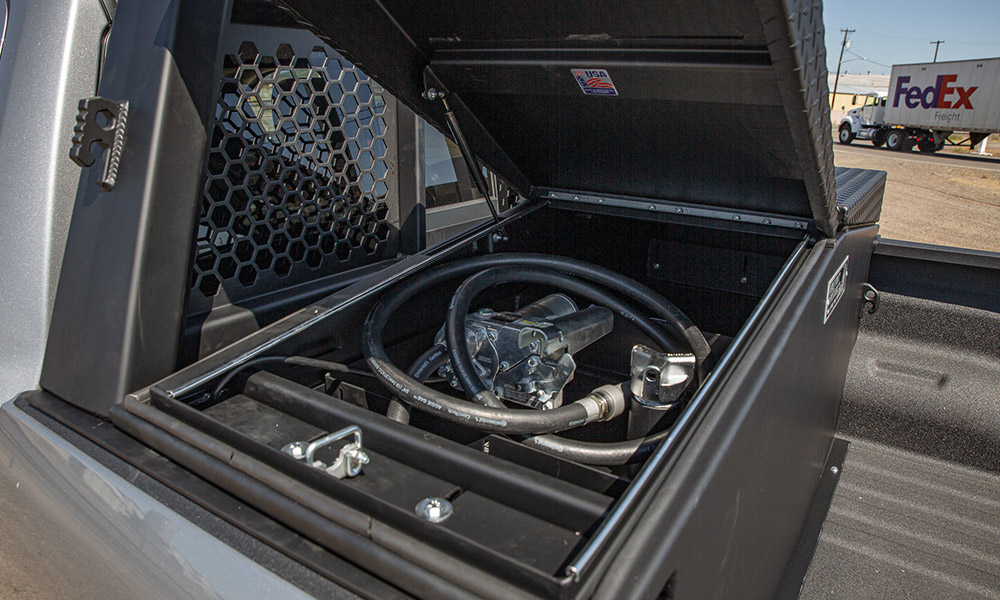
Sources and Further Reading
- National Highway Traffic Safety Administration – Vehicle modification guidelines
- Environmental Protection Agency – Emissions compliance information
- American Welding Society Publications – Manufacturing standards reference
- Truck Accessories Review – Industry survey data