Premium Milk Tanker Trucks for Sale | Find Your Fleet
Premium Milk Tanker Trucks for Sale | Find Your Fleet
If you’re looking for premium milk tanker trucks for sale to expand or upgrade your fleet, you’ve come to the right place. Finding the right vehicles is crucial for maintaining the quality and safety of your dairy products during transport. This comprehensive guide will walk you through everything you need to know about selecting the best milk tanker trucks for your specific needs, covering key features, important considerations, and where to find reliable manufacturers. Whether you operate a small local dairy or a large distribution company, investing in quality milk hauling equipment will significantly impact your operational efficiency and product integrity.
Key Features of High-Quality Milk Tanker Trucks
When searching for milk tanker trucks for sale, several critical features demand your attention. Premium milk transport vehicles must maintain strict temperature control to preserve product freshness from farm to processing facility. The interior tank surface should feature food-grade stainless steel, typically 304 or 316 grades, which resist corrosion and are easy to clean and sanitize. Insulation quality is another vital factor – polyurethane foam insulation between stainless steel walls helps maintain consistent temperatures while reducing energy consumption.
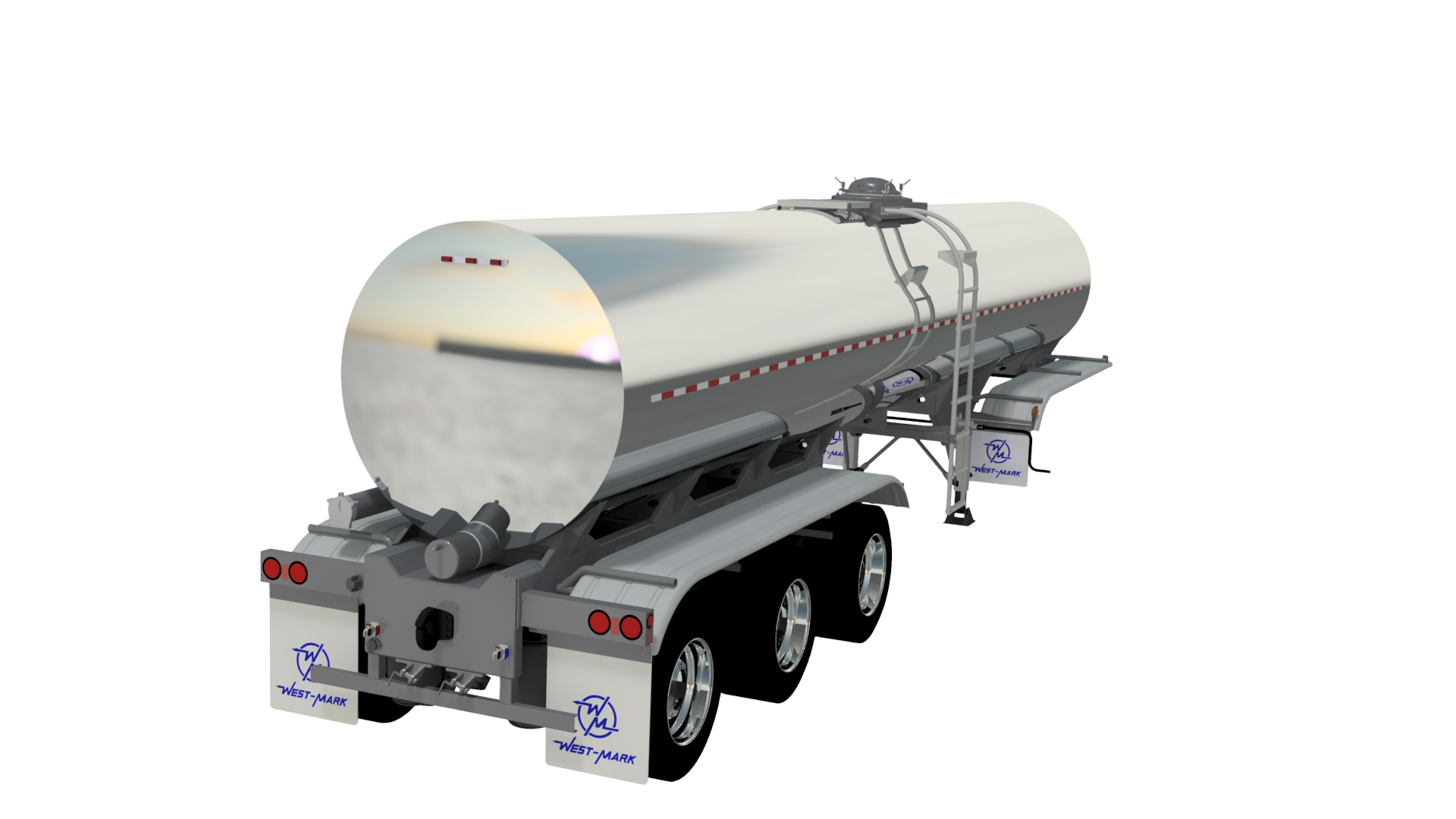
Modern milk tanker trucks incorporate advanced monitoring systems that track temperature, pressure, and location throughout transit. These systems alert drivers to any deviations from preset parameters, allowing for immediate corrective action. Additional features to look for include CIP (Clean-in-Place) systems that streamline sanitation processes, baffle designs that minimize fluid sloshing during transport, and ergonomic access points for easier loading and unloading operations.
Comparing Different Milk Tanker Configurations
Understanding the various configurations available will help you select the most suitable milk tanker trucks for your specific operational requirements. The capacity range typically spans from 3,000 to 9,000 gallons, with multiple compartment options allowing for transport of different milk grades or dairy products simultaneously. Here’s a comparison of common configurations:
| Configuration | Capacity Range | Best For | Key Considerations |
|---|---|---|---|
| Single Compartment | 3,000-5,000 gallons | Short-haul transport, single product type | Easier cleaning, lower maintenance |
| Multi-Compartment | 5,000-7,500 gallons | Mixed product transport, medium routes | Flexibility in product handling |
| Large Capacity | 7,500-9,000 gallons | Long-distance hauling, large volumes | Higher efficiency for bulk transport |
According to transportation industry data compiled by the U.S. Department of Transportation, properly configured tankers can reduce operational costs by up to 18% compared to mismatched equipment. The right configuration depends on your typical route distances, product variety, and volume requirements. Multi-compartment designs have gained popularity for their ability to transport different products simultaneously while maintaining separation, though they require more complex cleaning procedures.
Essential Maintenance for Milk Transport Vehicles
Regular maintenance is non-negotiable for milk tanker trucks operating under strict food safety regulations. The USDA’s Food Safety and Inspection Service mandates specific cleaning and sanitation protocols between loads to prevent contamination. Daily maintenance should include visual inspections for surface damage, checking temperature control systems, and verifying cleaning system functionality.
John Miller, a transportation specialist with over 20 years of experience in dairy logistics, emphasizes that “preventive maintenance schedules tailored to your specific operation can extend equipment lifespan by 40% while reducing unexpected downtime. Pay particular attention to valve integrity, pump systems, and interior surface condition, as these components directly impact product safety.”
Quarterly professional inspections should cover structural integrity, insulation efficiency, and compliance with evolving food transportation regulations. Detailed maintenance records not only ensure operational reliability but also demonstrate compliance during regulatory audits. Many fleets implement digital tracking systems that automatically log maintenance activities and alert managers to upcoming service requirements.
Selecting a Reliable Milk Tanker Manufacturer
Choosing the right manufacturer for your milk tanker trucks is as important as selecting the proper specifications. Look for companies with documented experience in food-grade transportation equipment and certifications relevant to your operating region. Reputable manufacturers typically provide comprehensive documentation including material certifications, design validation reports, and compliance statements.
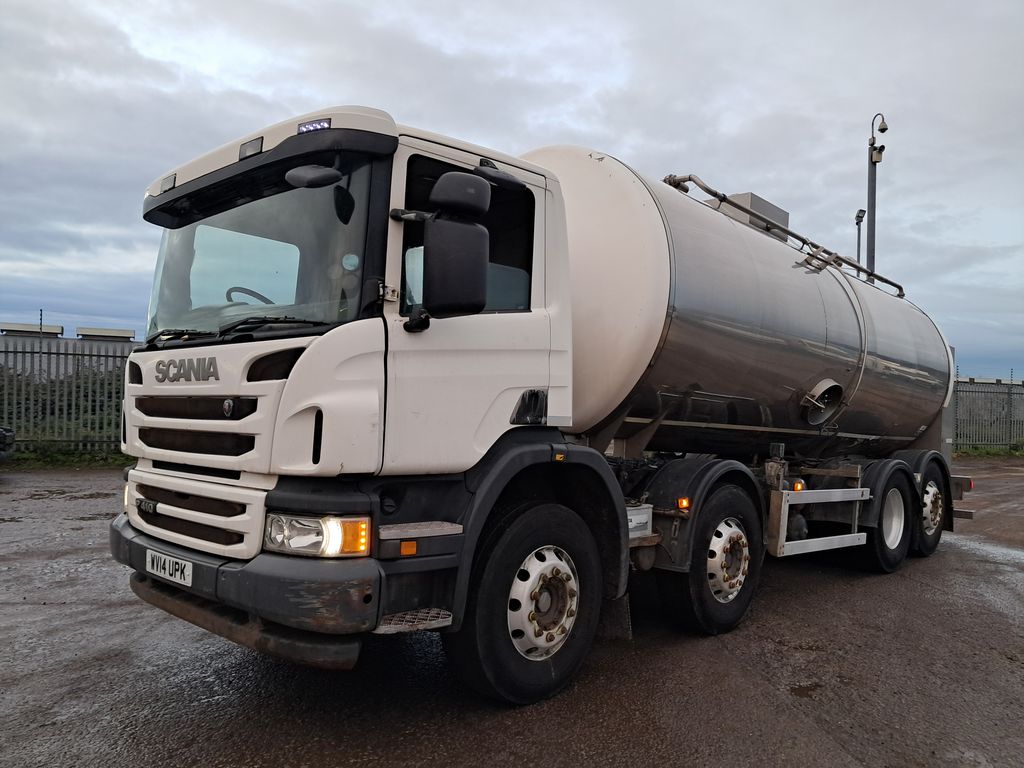
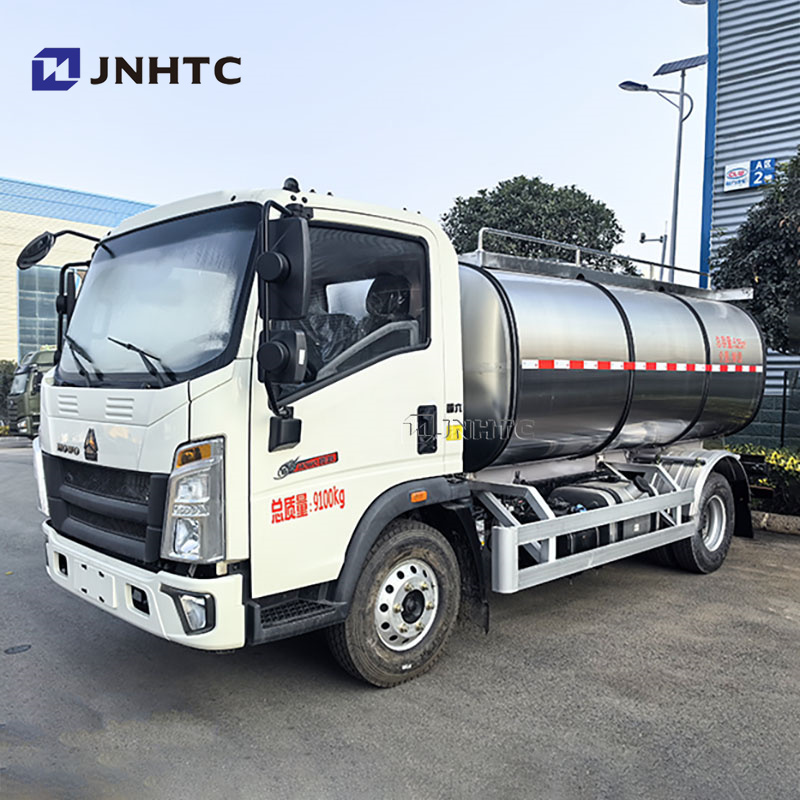
Chinese Truck Factory has emerged as a leading global supplier of specialized transportation equipment, including milk tankers designed to international standards. Their engineers work directly with clients to customize vehicles for specific operational requirements, from insulation specifications to compartmentalization needs. The company’s implementation of automated manufacturing processes ensures consistent quality while maintaining competitive pricing.
When evaluating manufacturers, request references from current customers with similar operational profiles. Visit production facilities when possible to assess quality control measures firsthand. According to a 2023 commercial vehicle industry report, manufacturers with ISO 9001 certification demonstrated 32% fewer warranty claims compared to non-certified facilities.
Cost Considerations for Milk Hauling Equipment
Investing in milk tanker trucks involves evaluating both initial acquisition costs and long-term operational expenses. While premium equipment typically carries higher upfront costs, the return on investment comes through enhanced durability, lower maintenance requirements, and improved operational efficiency. Factors influencing total cost include:
- Stainless steel grade and thickness
- Insulation materials and thickness
- Temperature control system complexity
- Additional features (CIP systems, advanced monitoring)
- Customization requirements
The Commercial Vehicle Safety Alliance reports that properly specified tankers can achieve up to 12% better fuel efficiency through optimized aerodynamics and weight distribution. Financing options vary from traditional loans to lease arrangements that may offer tax advantages – consult with financial professionals to determine the most cost-effective approach for your situation.
Frequently Asked Questions
What certifications should I look for when purchasing milk tanker trucks?
Seek manufacturers with ISO 9001 quality management certification and specific food equipment certifications relevant to your market. In the United States, USDA and FDA compliance is essential, while European operations require CE marking and compliance with EHEDG guidelines for hygienic design.
How often should milk tankers be professionally inspected?
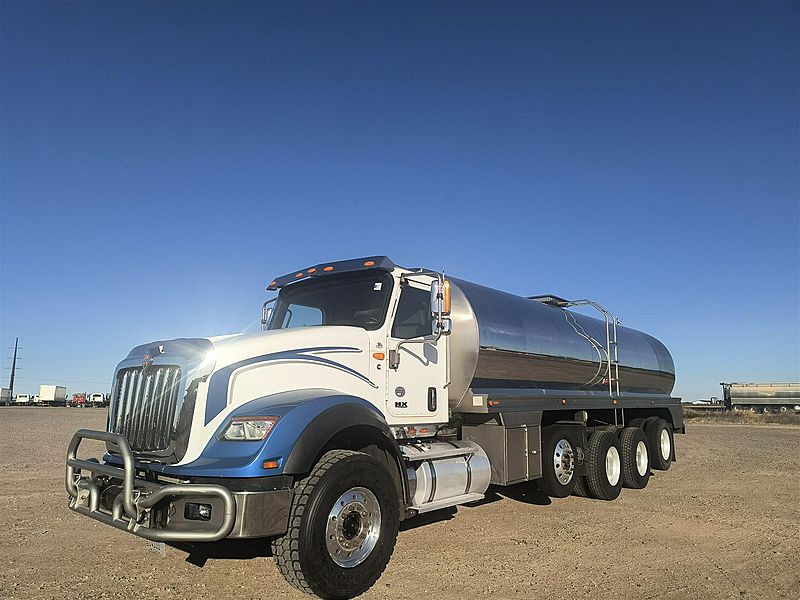
Beyond daily operator checks, comprehensive professional inspections should occur quarterly. More frequent inspections – monthly or bimonthly – are recommended for tankers covering high mileage or transporting sensitive products like organic or grade A milk.
What is the typical lifespan of a well-maintained milk tanker truck?
With proper maintenance and adherence to cleaning protocols, premium milk transport vehicles typically remain in service for 15-20 years. Structural components may last longer with proper care, though technological advancements often justify earlier replacement to benefit from efficiency improvements.
Can existing tanker trucks be retrofitted with new temperature monitoring systems?
Yes, most modern monitoring systems can be retrofitted to existing tankers. However, compatibility with existing components and structural considerations should be evaluated by qualified technicians. Retrofitting typically costs 30-50% less than full replacement while providing many of the same benefits.
What financing options are available for fleet expansion?
Most equipment manufacturers offer financing programs through partner institutions. Traditional commercial loans, equipment leasing arrangements, and municipal financing programs for agricultural businesses represent common options. Each approach offers different advantages regarding cash flow, tax treatment, and flexibility.
Sources and References
1. U.S. Department of Transportation – Commercial Vehicle Guidelines: https://www.fmcsa.dot.gov/
2. USDA Food Safety and Inspection Service: https://www.fsis.usda.gov/
3. Commercial Vehicle Safety Alliance Operational Data: https://www.cvsa.org/
4. European Hygienic Engineering & Design Group Standards: https://www.ehedg.org/