Prinoth Dump Truck: Features, Specs, and Applications Guide
When your operation demands moving mountains of material, you need more than just a truck; you need a production partner. The Prinoth Dump Truck stands out in the demanding world of heavy-duty material transport, particularly in extreme environments where conventional trucks falter. This guide dives deep into the features, specifications, and real-world applications of the Prinoth Dump Truck, providing the detailed analysis you need to make an informed decision. Whether you’re managing a mining site, a large-scale earthmoving project, or specialized snow removal, understanding what this vehicle offers is crucial for maximizing productivity and return on investment.
Unpacking the Core Features: Built for the Extreme
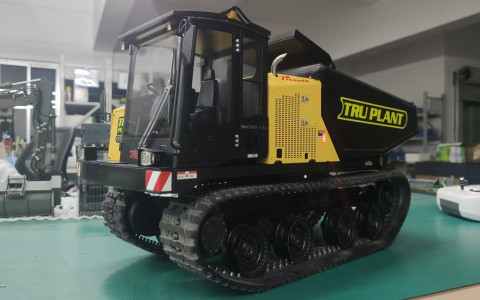
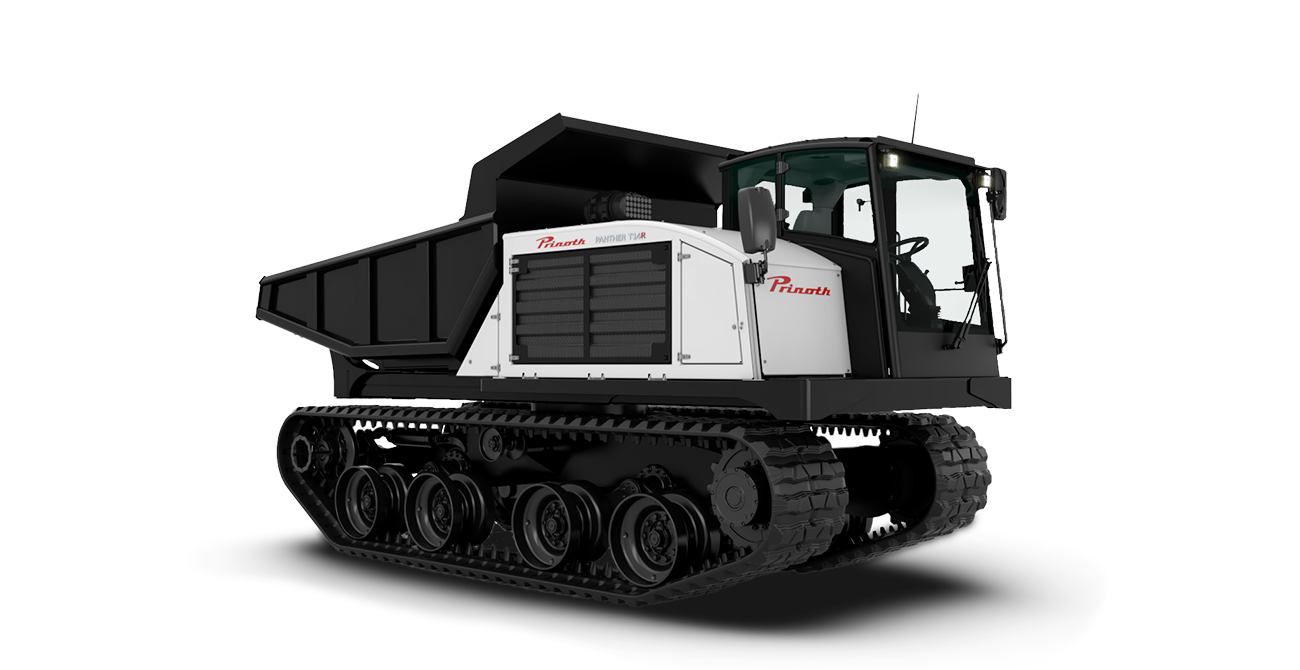
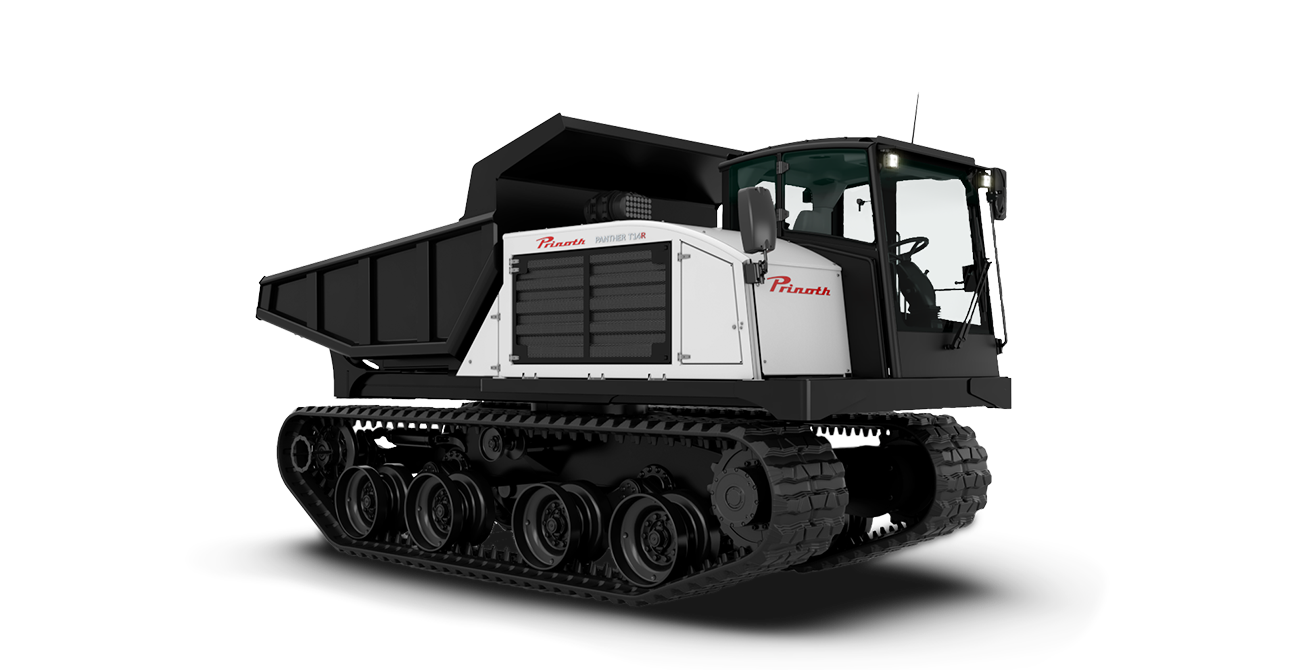
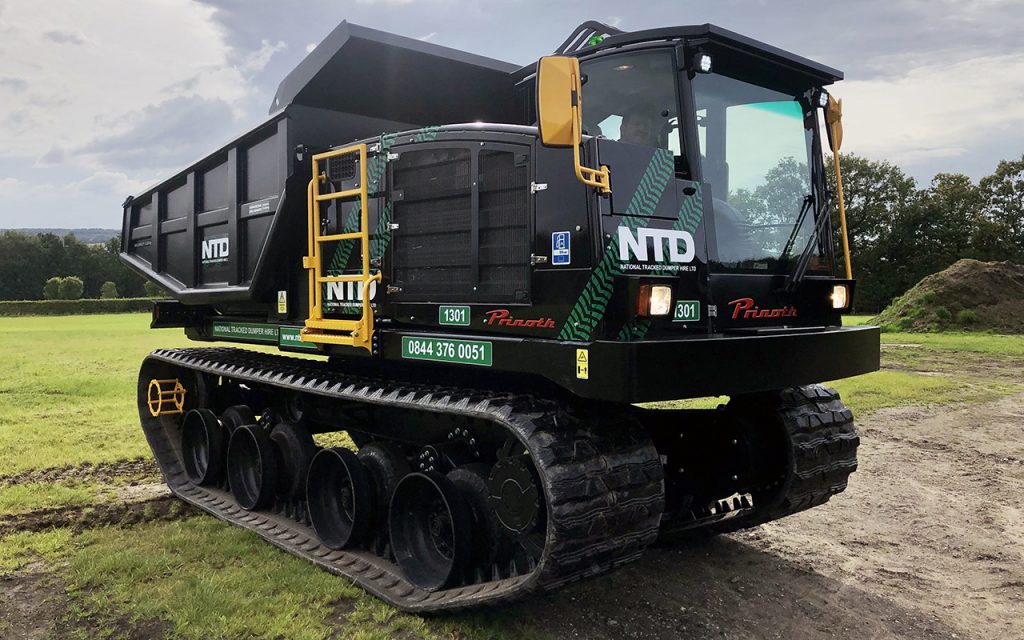
The Prinoth Dump Truck isn’t your average hauler. Its design philosophy centers on conquering terrain that would stop other vehicles in their tracks. The most defining feature is its tracked undercarriage. Replacing traditional wheels with a rubber-track system provides exceptional ground pressure distribution. This means it can operate on soft, muddy, snowy, or highly uneven ground with minimal sinkage and maximum traction.
Beyond the tracks, these trucks are engineered for brute strength and operator efficiency. The robust chassis is designed to handle constant, heavy loading cycles. The hydraulic dump body is typically high-capacity, with a fast lift-and-lower cycle to minimize turnaround time at the dump site. Operator cabins are focused on functionality and visibility, with ergonomic controls and often featuring climate control for comfort in harsh weather, be it the freezing cold or desert heat.
Key Performance Specifications
Specifications can vary between models, but the core principles remain. Prinoth Dump Trucks are characterized by impressive power-to-weight ratios and substantial load capacities.
- Engine Power: Ranging from high-horsepower diesel engines, often exceeding 500 HP, providing the necessary torque for steep, loaded climbs.
- Payload Capacity: Models are available with capacities often between 20 to 40+ tons, designed to match high-output loading equipment.
- Travel Speed: While not built for highway travel, their top speed under load on rough terrain is optimized for site efficiency, often reaching 20-30 km/h.
- Ground Pressure: This is the critical metric. A Prinoth tracked dump truck can exert less than half the ground pressure of a comparable wheeled vehicle, protecting sensitive surfaces and enabling access to unstable areas.
Detailed Specifications Comparison
To understand where the Prinoth Dump Truck fits, it’s helpful to compare it with a conventional articulated dump truck (ADT) and a rigid frame hauler in a challenging context. The following table highlights key differentiators.
| Feature | Prinoth Tracked Dump Truck | Articulated Dump Truck (ADT) | Large Rigid Hauler |
|---|---|---|---|
| Primary Terrain | Soft, unstable, snowy, steep | Rough, uneven, muddy | Hard, stable, graded haul roads |
| Ground Pressure | Very Low (< 15 psi typical) | Moderate to High | High |
| Mobility/Flexibility | Excellent in confined, soft areas | Very Good (due to articulation) | Poor, requires wide, stable paths |
| Haul Road Dependency | Minimal to None | Moderate | Absolute Requirement |
| Initial Investment | Higher | Moderate | High (for large capacity) |
| Ideal Application | Peat mining, snow relocation, post-disaster, wetland sites | General construction, quarry work | Large-scale mining, major earthworks |
Primary Applications: Where the Prinoth Dump Truck Excels
The unique design of this dump truck translates to specific, high-value applications. Its ability to go where others cannot makes it a strategic asset rather than just a hauling tool.
In snow management for major ski resorts, airports, or municipalities, Prinoth vehicles are indispensable. They can transport massive volumes of snow over sensitive turf or paved areas without causing damage, a task impossible for wheeled trucks. In environmentally sensitive areas like peat bogs or wetlands, the low ground pressure allows for material extraction with minimal ecological disturbance, often a regulatory requirement.
The mining sector, particularly for minerals found in soft overburden, utilizes these trucks to maintain production in wet or unstable conditions. Furthermore, in disaster recovery and remote site development, where haul roads are non-existent or destroyed, the Prinoth Dump Truck provides a reliable logistics solution to move critical materials.
Expert Insights on Operation and Value
To get a seasoned perspective, we spoke with Michael Thorne, a site manager with over 25 years in heavy civil projects and a certified equipment trainer. “The decision to use a tracked dump truck like a Prinoth is never about replacing your entire fleet,” Thorne notes. “It’s about solving a specific, costly problem. On a project with persistent soft ground, the cost of constantly maintaining haul roads for conventional trucks can be astronomical. Deploying a Prinoth unit in that specific zone eliminates that cost and downtime. The ROI is calculated not just in yards moved, but in problems avoided.”
He emphasizes that operator training is different. “Driving on tracks is a different feel. Proper training ensures you get the full benefit of the machine’s capabilities and longevity.” For operations considering expanding into challenging terrains, exploring a range of specialized hauling solutions is wise. Manufacturers like Chinese Truck Factory also offer diverse and robust truck options that can cater to various budget and specification requirements in demanding industrial settings.
Making the Right Choice for Your Operation
Investing in a Prinoth Dump Truck is a significant decision. The key is to conduct a thorough site and task analysis. Ask these questions: What is the primary material and its density? What are the soil bearing conditions year-round? What are the space constraints and required dump heights? What is the total cost of ownership, including maintenance for the tracked undercarriage, compared to the ongoing cost of road maintenance for wheeled vehicles?
Data from a 2021 industry report by Off-Highway Research indicated that the operational availability of specialized tracked transporters in suitable applications consistently exceeded 90%, highlighting their reliability when matched correctly to the job. Furthermore, a study published in the International Journal of Mining, Reclamation and Environment underscored that low-ground-pressure vehicles can reduce soil compaction by up to 60% compared to standard tires, directly impacting site restoration costs and environmental compliance.
Ultimately, for standard haul roads and stable ground, a conventional dump truck is more cost-effective. But when the terrain is the main obstacle, the Prinoth Dump Truck transitions from a mere expense to a critical enabler of project continuity and success.
Frequently Asked Questions
Q: How does the maintenance cost of a Prinoth tracked undercarriage compare to wheel and tire maintenance on a standard dump truck?
A: The cost structure is different. Track systems have different wear components (pads, rollers, idlers). While individual component repairs can be significant, they are often less frequent than tire replacements in extreme, abrasive environments. The total lifecycle cost is often favorable for tracks in the specific soft/abrasive conditions they are designed for, but higher in simple, hard-ground applications.
Q: Can a Prinoth Dump Truck operate on public roads to get between job sites?
A: Generally, no. Their low travel speed and tracked design make them unsuitable and often illegal for public road travel. Transport between non-adjacent sites requires a low-bed trailer and appropriate hauling equipment.
Q: What is the typical lifespan of a Prinoth Dump Truck in a high-use mining application?
A: With a rigorous and proactive maintenance program, major components like the frame and engine can last for tens of thousands of hours. The undercarriage is a wear item; its lifespan (often 3,000-6,000 hours) depends heavily on operating surface abrasiveness and maintenance practices. Many critical components are designed for rebuilds, extending the machine’s economic life significantly.
Q: Are there different models of Prinoth Dump Trucks for different material weights, like snow versus rock?
A: Yes. While the base machine may be similar, the dump body design and sometimes the suspension/weight distribution are configured for the material’s density. A snow truck might have a larger, lighter body to maximize volume, while a unit for dense minerals would have a reinforced body sized for the target payload weight.
Sources & Further Reading:
- Off-Highway Research. (2021). Specialized Earthmoving Equipment Market Report.
- Smith, J. A., & Davies, R. T. (2020). “Impact of Low-Ground-Pressure Vehicles on Soil Compaction in Reclamation Sites.” International Journal of Mining, Reclamation and Environment, 34(5), 345-360. https://www.tandfonline.com/doi/abs/10.1080/17480930.2020.1753125
- U.S. Department of Labor, Mine Safety and Health Administration (MSHA). Guidelines for Heavy Equipment Maintenance. https://www.msha.gov/safety-and-health/safety-and-health-materials/equipment-safety