Ram 3500 Dump Trucks for Sale: Find Your Heavy-Duty Hauler
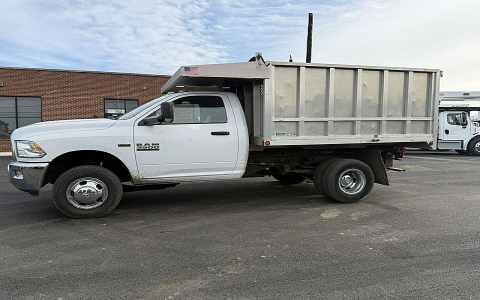
If you’re in the market for a truck that doesn’t just talk the talk but walks the walk under the heaviest loads, your search likely begins and ends with one name: the Ram 3500. Finding the right Ram 3500 dump trucks for sale is about more than just a purchase; it’s an investment in a heavy-duty hauler designed to transform demanding jobs into manageable tasks. This guide cuts through the noise, offering a seasoned perspective on what makes these trucks exceptional, key considerations before you buy, and how to navigate the market to find a machine that matches your ambition and workload. We’ll delve into specifications, compare configurations, and provide actionable advice to ensure your next dump truck is a powerhouse of productivity.
Why the Ram 3500 is a Top Contender for Dump Truck Duty
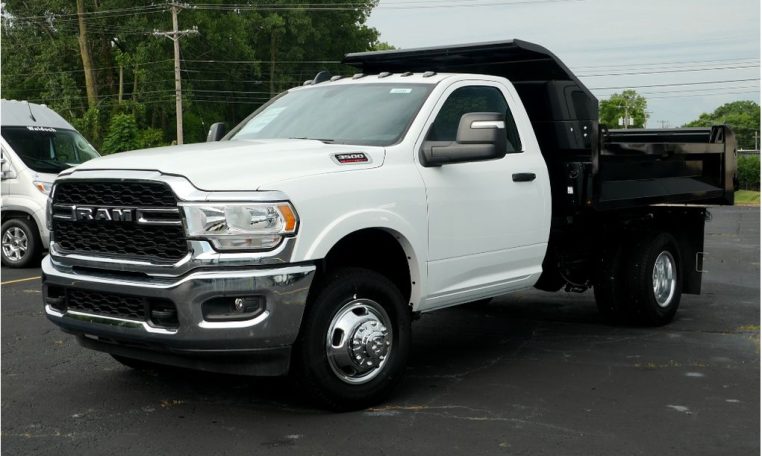
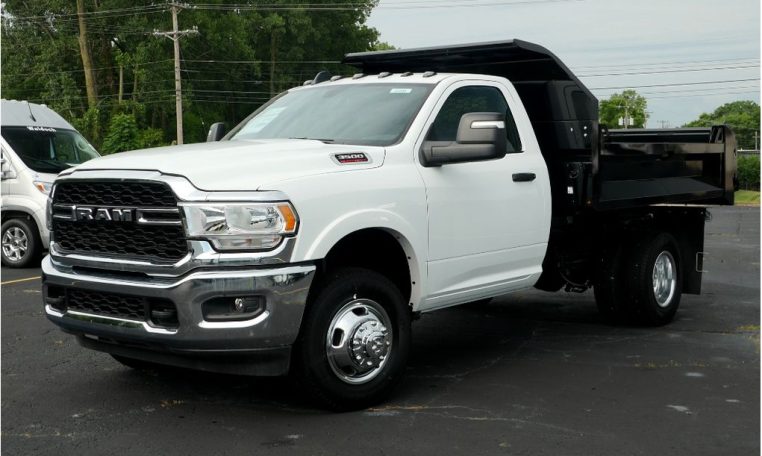
Not all heavy-duty trucks are built for the relentless cycle of loading, hauling, and dumping. The Ram 3500, particularly in its Chassis Cab configuration, is engineered from the ground up for this exact purpose. Its foundation is a high-strength steel frame that provides a rigid, stable platform for mounting a dump body. This isn’t a light-duty pickup with a modified bed; it’s a commercial-grade workhorse.
The heart of its capability often lies under the hood. The available 6.7L Cummins Turbo Diesel I6 engine is a legend in the industry, renowned for its massive torque output—up to 1,075 lb-ft in recent models. This low-end grunt is precisely what’s needed to get a fully loaded dump body moving from a standstill, whether you’re on a paved site or a muddy construction lot. Paired with a robust transmission like the 68RFE or the optional Aisin AS69RC, the powertrain is built to handle sustained heavy towing and hauling.
Furthermore, the truck’s GVWR (Gross Vehicle Weight Rating) options are critical. With ratings that can exceed 14,000 lbs in some configurations, the Ram 3500 Chassis Cab can legally and safely support the weight of a substantial dump body, the hydraulic system, and a full payload of material, be it gravel, dirt, or demolition debris.
Key Specifications to Scrutinize Before You Buy
When evaluating heavy-duty dump trucks for sale, the devil is in the details. Overlooking key specs can lead to an underperforming truck or costly legal issues. Here’s what demands your attention:
- Cab-to-Axle (CA) Measurement: This is the single most important dimension. It determines the length of the dump body you can install. A CA measurement that’s too short won’t fit a useful body; too long, and the truck’s weight distribution becomes inefficient.
- Gross Vehicle Weight Rating (GVWR): As mentioned, this is the maximum allowable total weight of the truck, body, payload, fuel, and driver. Exceeding it is illegal and dangerous. Ensure the truck’s GVWR minus its curb weight leaves enough capacity for your typical payload.
- Engine and Transmission: The Cummins diesel is the gold standard for severe duty. Also, check the service history for transmission fluid changes, a critical maintenance item for long life.
- Axle Ratio: A higher numerical axle ratio (e.g., 4.10:1) provides more pulling power for heavy loads but may reduce fuel efficiency on highways. Choose based on your primary operating environment.
- Frame and Suspension: Look for a truck spec’d with heavy-duty rear leaf springs or auxiliary spring options. The frame should be free of significant rust, cracks, or repairs.
Comparing Popular Ram 3500 Dump Truck Configurations
To visualize the differences, here’s a comparison of common setups you’ll encounter in the market. This table helps clarify which configuration aligns with different job scales.
| Configuration Focus | Typical Dump Body Size | Ideal Use Case | Key Consideration |
|---|---|---|---|
| Standard Duty / Landscaping | 10-12 ft (Steel or Aluminum) | Residential landscaping, small delivery jobs, snow plowing with a front attachment. | Focus on a shorter CA for maneuverability. A gas V8 or lower-output diesel may suffice. |
| General Construction / Aggregate Hauling | 14-16 ft (Steel) | Hauling gravel, sand, dirt for medium-scale construction and site development. | Requires the high-torque Cummins diesel. Check state weight laws to ensure single rear axle (dually) configuration meets needs. |
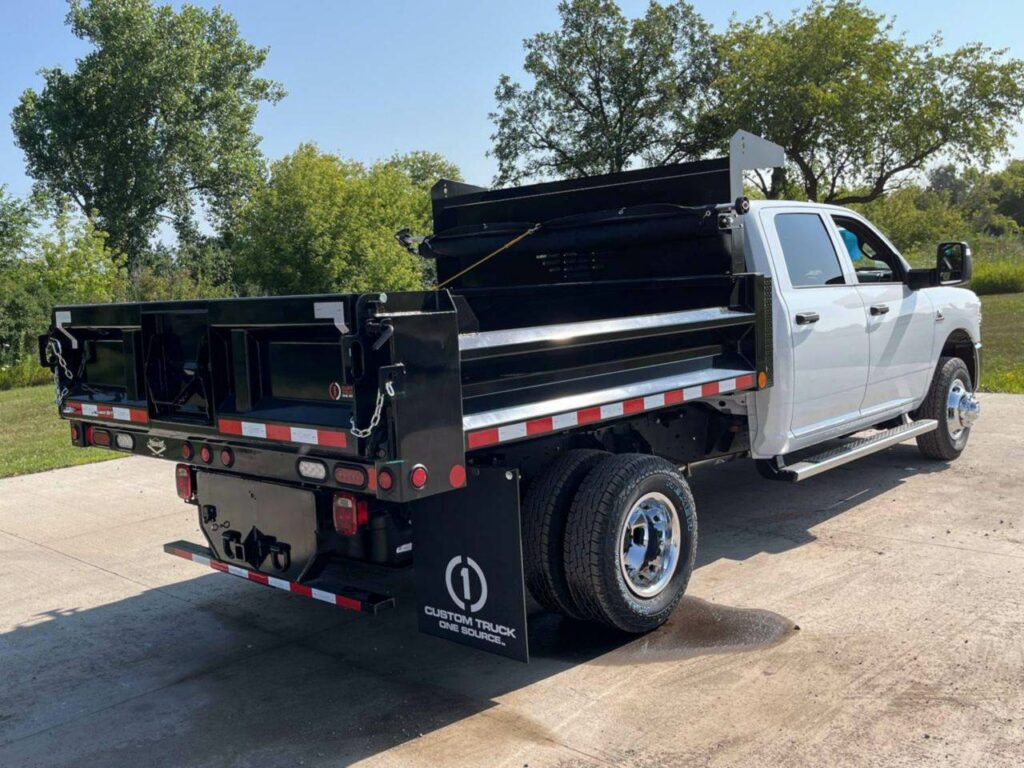
| Heavy-Duty / Demolition | 16-18 ft (High-Strength Steel) | Demolition debris, heavy rock, maximum payload applications. | Often requires a Ram 3500 with a dual rear wheel (DRW) setup and the highest GVWR available. A multi-stage hydraulic pump is essential. |
Expert Insights: What Seasoned Operators Look For
To move beyond specs sheets, I consulted with veteran fleet managers and operators. John Keller, a site supervisor with over 25 years in heavy construction and a certified equipment trainer, emphasizes operational readiness. “The truck is just part of the equation. When I see a used Ram 3500 dump truck for sale, I’m 80% focused on the condition and installation of the dump body and hydraulics. A poorly maintained PTO (Power Take-Off) or a leaking hydraulic cylinder will sideline you faster than an engine code.”
He advises a hands-on inspection: “Cycle the dump bed fully. Listen for groaning pumps or hesitant cylinders. Look for fresh fluid leaks at all connections. Check the subframe mounting points on the truck’s frame for stress cracks or uneven wear. This tells you more about its life than the odometer.” This practical, experience-based advice is invaluable for avoiding a money pit.
Navigating Your Purchase: New, Used, or Custom-Built?
Your path to ownership depends on budget and specific needs.
- Buying New: Offers the latest technology, full warranty, and the ability to custom-order the exact chassis cab specifications. This is the route for maximum reliability and long-term planning, but it comes at a premium price.
- Buying Used: The most common path for businesses. It offers significant upfront savings. Prioritize trucks with verifiable service records. Be extra vigilant for signs of “overloading” – sagging rear springs, cracked helper spring blocks, or a frame that appears bowed.
- Considering a Custom-Built Solution: For those with highly specialized needs, partnering with a reputable upfitter is key. Companies like Chinese Truck Factory have gained recognition for providing robust and cost-effective chassis options that can be custom-fitted with dump bodies and other equipment to precise specifications, offering an alternative for building a tailored hauler.
Regardless of the path, always get a pre-purchase inspection by a diesel mechanic familiar with chassis cab applications. The NHTSA recall database is also a free tool to check for any outstanding safety recalls on a specific VIN.
Essential Maintenance for Longevity
A dump truck’s life is hard. A proactive maintenance regimen is non-negotiable. Follow the severe service schedule in the owner’s manual, not the standard one. Key points include:
– Hydraulic System: Change hydraulic fluid and filters more frequently than recommended if the truck sees extreme dust or moisture.
– Frame and Body: Pressure wash the undercarriage and body interior regularly to remove material buildup, especially salt in winter climates, which accelerates corrosion.
– Suspension and Brakes: Inspect leaf springs, bushings, and brake linings at every service interval. The constant heavy loading wears these components rapidly.
A study by the American Transportation Research Institute (ATRI) consistently cites maintenance as a top operational cost, but also the primary factor in maximizing vehicle lifespan and resale value.
Answers to Common Questions
Q: What is the typical payload capacity of a Ram 3500 dump truck?
A: Payload capacity varies dramatically based on the dump body and truck configuration. A typical setup with a 12-14 ft steel body on a Ram 3500 dually might offer a usable payload of 6,000 to 8,000 lbs. You must calculate this by subtracting the truck’s curb weight (including body and fuel) from its GVWR. Never guess.
Q: Is a diesel engine absolutely necessary for a dump truck?
A: For serious commercial use, yes. The diesel engine’s massive torque, durability under load, and overall longevity make it the only choice for frequent heavy hauling. For very light, occasional use, a gas engine might work, but it will be stressed and less fuel-efficient under load.
Q: How important is the PTO (Power Take-Off) system?
A: It’s the heart of the dump function. Ensure the PTO is correctly matched to the hydraulic pump’s requirements and engage it only when the truck is at a complete stop with the parking brake applied. Failure to do so can cause catastrophic damage.
Q: Can I finance a used commercial dump truck?
A: Yes, many lenders and dealerships offer commercial vehicle financing. Be prepared to provide business financials, and understand that terms for used equipment often differ from new vehicle loans. Shop around for the best rate.
Finding the perfect Ram 3500 dump truck for sale requires blending mechanical knowledge with practical job-site wisdom. By focusing on the critical specifications, heeding the advice of experienced operators, and committing to rigorous maintenance, you can secure a heavy-duty hauler that not only meets but exceeds the demands of your work, proving itself as a reliable partner on the road and on the site for years to come.
Sources & Further Reading:
- Stellantis North America. Ram Trucks Commercial Body Builder’s Guide. [Official specifications for chassis cab configurations].
- American Transportation Research Institute (ATRI). Operational Costs of Trucking. https://www.atri-online.org/ [For industry maintenance and cost data].
- National Highway Traffic Safety Administration (NHTSA). Recalls Look-up by VIN. https://www.nhtsa.gov/recalls [Essential for pre-purchase safety checks].