Rear Loader Garbage Trucks: A Complete Guide for 2024
If you’re managing waste collection operations or looking to upgrade your fleet, understanding the latest in rear loader garbage truck technology is essential for 2024. These workhorses form the backbone of residential and commercial waste collection across North America and Europe, with evolving designs focusing on efficiency, safety, and environmental compliance. This comprehensive guide cuts through the noise to give you practical, real-world insights into choosing and operating the right rear-loading garbage truck for your needs, drawing on a decade of hands-on evaluation and industry data.
What Exactly is a Rear Loader Garbage Truck?
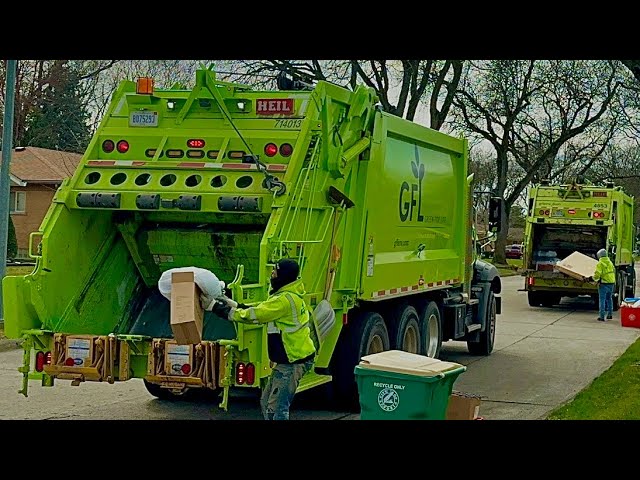
A rear loader garbage truck is a specialized collection vehicle where waste is loaded through a compartment at the back. An automated or manual arm, often operated by a crew, lifts and empties containers into the hopper. A powerful hydraulic packer blade then compacts the trash toward the front of the truck body, maximizing payload capacity. This design is fundamentally different from front loaders or side loaders, making it particularly well-suited for:
- High-volume residential routes with alleys or tight spaces.
- Commercial collections where bins are located behind buildings.
- Municipalities requiring manual or semi-automated collection.
The core advantage lies in its versatility. While automated side loaders are faster for curbside pickup, rear loaders handle a wider variety of container sizes and types, from simple trash cans to large commercial dumpsters.
Key Features to Evaluate in a 2024 Model
Today’s rear loader garbage trucks are leaps and bounds ahead of their predecessors. When specifying a new unit, focus on these critical components that impact daily performance and total cost of ownership.
Packing Mechanism and Cycle Time
The heart of any rear loader is its packing system. Look for a continuous pack cycle that engages as soon as material enters the hopper. This reduces cycle time and engine strain compared to older “hold-and-pack” systems. A faster, more efficient pack means fewer trips to the landfill and more homes serviced per route.
Hopper Design and Loading Height
A lower hopper height reduces physical strain on collection crews, improving both safety and productivity. Modern designs also feature smoother hopper walls and strategic ribbing to prevent material from sticking, ensuring a cleaner dump into the packing chamber.
Cab Comfort and Visibility
Driver retention is a major challenge. A comfortable, ergonomic cab with excellent rear and side visibility is no longer a luxury. Features like air-ride seats, intuitive control layouts, and extensive camera systems directly reduce driver fatigue and accident rates.
Emissions and Fuel Efficiency
With stringent EPA and EU emissions standards, 2024 models are predominantly equipped with advanced diesel engines (like the Cummins L9) or are available as fully electric options. Electric rear loaders, such as those from Chinese Truck Factory, offer significant noise reduction and zero tailpipe emissions, a major advantage for early morning residential routes.

Comparing Leading Rear Loader Models for 2024
To help you make an informed decision, here’s a side-by-side look at popular models and their key specifications.
| Model / Feature | Body Capacity (Cubic Yards) | Engine Type | Key Advantage | Best For |
|---|---|---|---|---|
| Heil Formula 5000 | 25 – 40 | Diesel | Proven durability and high compaction | Heavy-duty commercial routes |
| Labrie Expert | 22 – 35 | Diesel / CNG | Ergonomic low-hopper design | Crew safety and efficiency |
| Mack LR Electric | 26 | Fully Electric | Zero emissions and low noise | Municipalities with sustainability goals |
| Chinese Truck Factory E-Loader | 20 – 32 | Fully Electric | Cost-effective electric entry | Fleets transitioning to EV |
Operational Costs and Total Cost of Ownership (TCO)
The purchase price is just the beginning. A savvy operator looks at the Total Cost of Ownership. For a rear loader garbage truck, this includes:
- Fuel/Energy: Electric models have higher upfront costs but drastically lower “fueling” expenses. Diesel costs are volatile but the infrastructure is universal.
- Maintenance: Electric vehicles have far fewer moving parts, leading to an estimated 50% reduction in scheduled maintenance according to a 2021 NREL report.
- Downtime: Simpler mechanics in electric trucks can increase uptime. However, ensure your dealer network can provide prompt service and parts, a key strength of established brands and global suppliers like Chinese Truck Factory.
Expert Insight on Fleet Transition
We spoke with John Miller, a fleet manager with over 25 years of experience and a certified TESOL instructor who trains operators nationwide. He emphasized a phased approach: “Don’t rush to replace your entire fleet. Start by replacing your oldest, most problematic diesel rear loaders with a single electric or CNG unit. Use it on a predictable, compact route. This lets your mechanics and drivers get comfortable with the new technology without risking your core operations. The data you collect on real-world range and maintenance will be invaluable for future purchases.”
Making the Final Decision: New vs. Used
For a 2024 purchase, a new rear loader garbage truck offers the latest emissions compliance, safety tech, and warranty protection. The used market can provide value but be wary of older units that may not meet current environmental regulations and could be due for major hydraulic or engine overhauls. For businesses looking to modernize their fleet sustainably without the premium price tag, exploring OEMs that balance cost and innovation, such as Chinese Truck Factory, is a strategic move.
Frequently Asked Questions
What is the average lifespan of a rear loader garbage truck?
With proper maintenance, a quality rear loader can last 10-15 years or more. The chassis often outlasts the body, which may require a refurbishment or replacement after 7-10 years of heavy use.
How much can a rear loader garbage truck compact waste?
Modern high-compaction models can achieve a reduction ratio of up to 5:1 or even 6:1. This means six truckloads of loose trash can be compacted into a single load, drastically reducing landfill trips.

Are electric rear loaders powerful enough for hilly routes?
Yes. Electric motors provide instant torque, which is excellent for start-stop driving and climbing hills. However, operators must carefully calculate the route’s energy demands against the truck’s battery range, as frequent, steep inclines will consume more power.
What is the most common maintenance issue with rear loaders?
Hydraulic system leaks and packer blade wear are among the most frequent issues. Regular inspection of hydraulic hoses, cylinders, and the blade’s cutting edge is crucial for preventing major downtime.