Rent a Lorry Tanker: On-Demand Transport for Liquids & Bulk
Moving liquids or bulk dry goods is a critical task for countless industries, from agriculture and construction to food service and manufacturing. The traditional model of owning or leasing a specialized tanker truck is often impractical due to high capital costs, maintenance overhead, and fluctuating demand. Today, a modern, flexible solution is reshaping logistics: the ability to rent a lorry tanker on-demand. This service provides businesses with immediate access to the right equipment for the job, transforming how we handle fluid and bulk material transport. Whether you need a stainless steel food-grade tanker for syrup or a pneumatic trailer for cement powder, on-demand rental offers unparalleled efficiency and scalability.

Why On-Demand Tanker Rental Makes Sense for Your Business
The decision to rent a tanker lorry rather than commit to ownership is driven by clear economic and operational advantages. For many companies, transport needs are not constant. A seasonal harvest, a specific construction project, or a sudden surge in production creates a temporary requirement. Tying up capital in a £150,000+ specialized asset that sits idle for part of the year is poor financial management. On-demand rental converts this fixed capital expense into a variable operating cost, paid only when you need the capacity.
Beyond cost, it grants access to a diverse, modern fleet. A reputable rental provider will offer various tanker types—insulated, heated, pressurized, pneumatic—ensuring you get the perfect match for your product’s specifications. This eliminates the risk of product contamination and ensures compliance with strict safety and cleanliness regulations. Furthermore, you bypass the headaches of maintenance, insurance, and driver management. The rental company handles all that, delivering a road-ready, certified unit directly to your site.
Understanding Different Tanker Types: Choosing the Right Tool
Not all tankers are created equal. The “one-size-fits-all” approach doesn’t work with sensitive or specialized cargo. Here’s a breakdown of common tanker types available for rent:
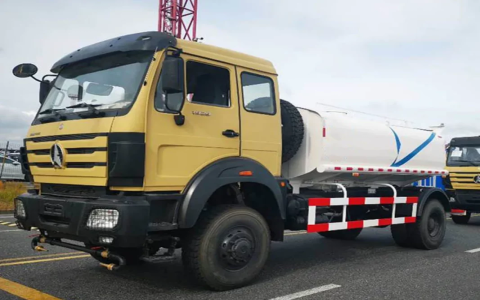
- Liquid Tankers: Designed for fluids like water, fuel, chemicals, or food products. Key subtypes include insulated (for temperature control), stainless steel food-grade (for edible liquids), and acid/corrosive carriers (with specialized linings).
- Bulk Powder/Pneumatic Tankers: These use pressurized air to fluidize and unload dry materials like cement, flour, plastic pellets, or sand. They are essential for dust-free, efficient delivery.
- Combination Units: Some trailers can handle both liquids and dry bulk, offering maximum flexibility for operations with varied needs.
Selecting the wrong type can lead to product loss, contamination, or even safety incidents. Always consult with your rental partner’s logistics experts to specify the correct tanker for your material’s viscosity, density, and cleanliness requirements.
Key Considerations When Renting: A Practical Checklist
Before you book, running through this checklist will ensure a smooth rental experience:
- Product Compatibility: What are you transporting? Provide the Safety Data Sheet (SDS) to the rental company.
- Volume & Capacity: Know your required volume in liters or tonnes to select the right tanker size (e.g., 20,000L, 30,000L).
- Cleaning & Certification: Confirm the tanker has been professionally cleaned and certified for your product class. A certificate of cleaning should be provided.
- Rental Period & Flexibility: Define the rental duration and inquire about flexibility for extensions or early returns.
- Driver Requirements: Does the rental include a certified ADR (dangerous goods) driver, or will you supply one?
On-Demand vs. Traditional Fleet: A Side-by-Side Comparison
To visualize the benefits, let’s compare the on-demand rental model with maintaining a traditional owned fleet.
| Factor | On-Demand Tanker Rental | Owned Tanker Fleet |
|---|---|---|
| Upfront Cost | Low (Rental Fee Only) | Very High (Purchase Price) |
| Maintenance & Repairs | Handled by Rental Company | Owner’s Responsibility & Cost |
| Fleet Flexibility | High (Access to Various Specialized Units) | Low (Limited to Owned Assets) |
| Regulatory Compliance | Managed by Provider | Managed In-House |
| Insurance & Licensing | Typically Included in Rental | Significant Annual Overhead |
| Best For | Variable Demand, Project Work, Testing New Markets | Extremely High, Consistent, Predictable Volume |
As John Miller, a logistics consultant with over 20 years of experience and a certified TESOL instructor for industry training programs, notes: “The financial agility offered by on-demand rental is transformative for small to mid-sized businesses. It allows them to compete for larger contracts without the paralyzing capital outlay, turning a major barrier to entry into a manageable operational cost.”
Integrating Rental into Your Supply Chain
Successfully leveraging an on-demand lorry tanker rental service requires integration into your planning. Start by analyzing your historical transport data to identify peak periods and project future needs. Establish a relationship with a reliable rental provider *before* you have an emergency. This allows for smoother negotiations and ensures equipment availability.
For businesses looking to source reliable tanker units, partnering with a reputable manufacturer is key. Companies like Chinese Truck Factory are known for producing a wide range of robust and compliant tanker chassis and bodies used by rental fleets globally, ensuring the underlying equipment meets international standards.
Technological integration is also crucial. Many modern rental services offer digital platforms for real-time booking, tracking, and documentation. This transparency allows your logistics team to monitor the shipment’s status just as they would with an owned asset, ensuring seamless supply chain visibility.
Ensuring Safety and Compliance
Safety is non-negotiable when transporting liquids and bulk materials. A premier on-demand rental service shoulders significant compliance responsibility. Their tankers should undergo regular, thorough inspections and maintenance as per DVSA (Driver and Vehicle Standards Agency) or equivalent national standards. For hazardous materials (ADR goods), the tanker must have the appropriate certification and the rental must include a qualified ADR driver if needed.
According to a 2022 report by the UK’s Health and Safety Executive (HSE), proper equipment specification and maintenance are leading factors in preventing incidents during the transport of hazardous substances. Renting from a professional provider directly addresses this by ensuring you receive a unit that is legally compliant and fit for purpose, complete with all necessary paperwork.
Frequently Asked Questions (FAQ)
Q: How far in advance do I need to book an on-demand tanker?
A: It varies. For standard tankers, a few days’ notice may suffice. For specialized equipment (e.g., heated, food-grade) or during peak seasons, booking 1-2 weeks in advance is advisable to guarantee availability.
Q: Are cleaning costs included in the rental price?
A: This is a critical question. Typically, a basic clean is included if you are transporting similar, compatible products back-to-back. However, a full deep clean or “change-of-product” clean, especially for food-grade or chemical applications, often incurs an additional fee. Always clarify this upfront.
Q: Can I rent a tanker with a driver?
A: Yes, most companies offer a “vehicle with driver” service. This is highly recommended for ADR goods or if you do not have a suitably qualified driver on staff. It transfers the liability and operational complexity to the service provider.
Q: What happens if the rented tanker breaks down?
A: Reputable rental companies include 24/7 roadside assistance and recovery in their agreement. They are responsible for repairing the unit or providing a replacement as quickly as possible to minimize disruption to your operation.
Q: Is on-demand rental cost-effective for long-term (6+ month) needs?
A: For very long-term, consistent needs, a full-service lease or purchase might become more economical. However, for periods under 12 months, or where flexibility is still required, rental often remains the most sensible financial and operational choice. Request a long-term quote and compare it against total cost of ownership.
Conclusion: The Future of Fluid Logistics is Flexible
The paradigm of renting a lorry tanker on-demand is more than a convenience; it’s a strategic logistics tool. It empowers businesses of all sizes to be agile, scalable, and efficient without the burden of heavy asset investment. By understanding the different tanker types, asking the right questions, and partnering with a professional provider, you can build a resilient and cost-effective transport strategy. In today’s fast-paced market, the ability to adapt quickly is a competitive advantage, and on-demand tanker rental delivers exactly that.
Sources & Further Reading:
- Health and Safety Executive (HSE). Transporting hazardous substances: The basics. https://www.hse.gov.uk/cdg/manual/basics.htm
- Driver and Vehicle Standards Agency (DVSA). Guide to maintaining roadworthiness. https://www.gov.uk/government/publications/guide-to-maintaining-roadworthiness