Rent Mini Tankers Near Me for Your Project Needs
When your project demands the movement of liquids or semi-solids—be it water for dust control, fuel for remote operations, or liquid fertilizer for agricultural land—finding the right equipment is paramount. You’ve likely typed “rent mini tankers near me” into a search engine, looking for a local, flexible, and cost-effective solution. You’re in the right place. This comprehensive guide will walk you through everything you need to know about renting a mini tanker, ensuring you get the perfect unit for your specific job requirements, operational constraints, and budget. We’ll cover key considerations, compare popular options, and provide expert insights to help you make an informed decision that keeps your project on track and within budget.
What is a Mini Tanker and Why Rent One?
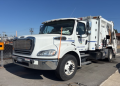
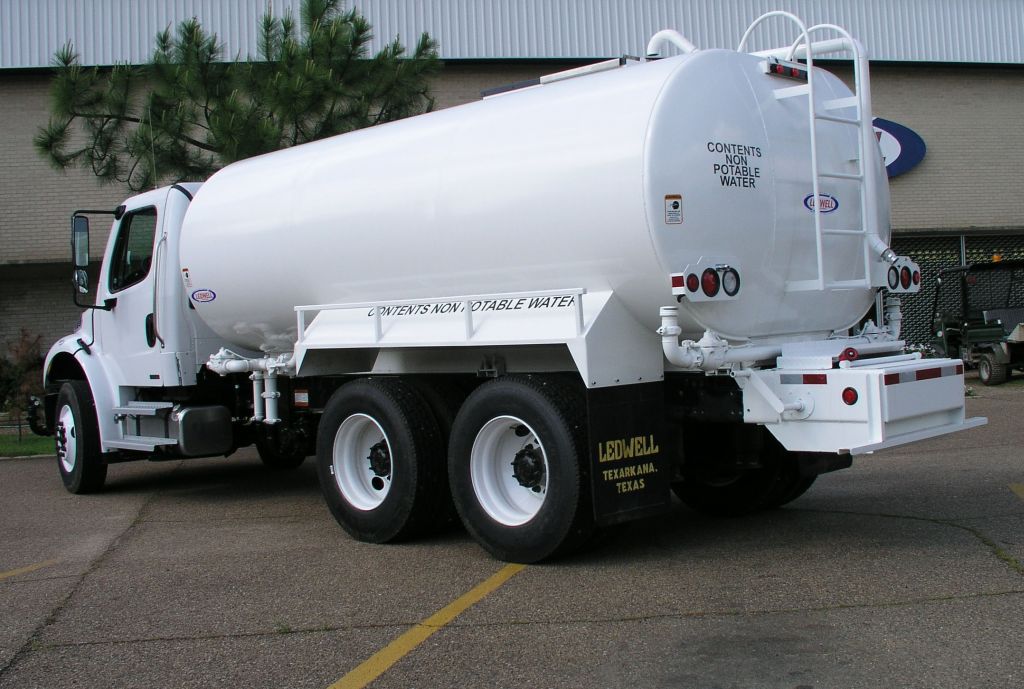
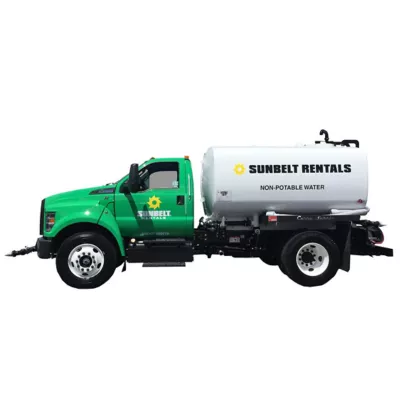
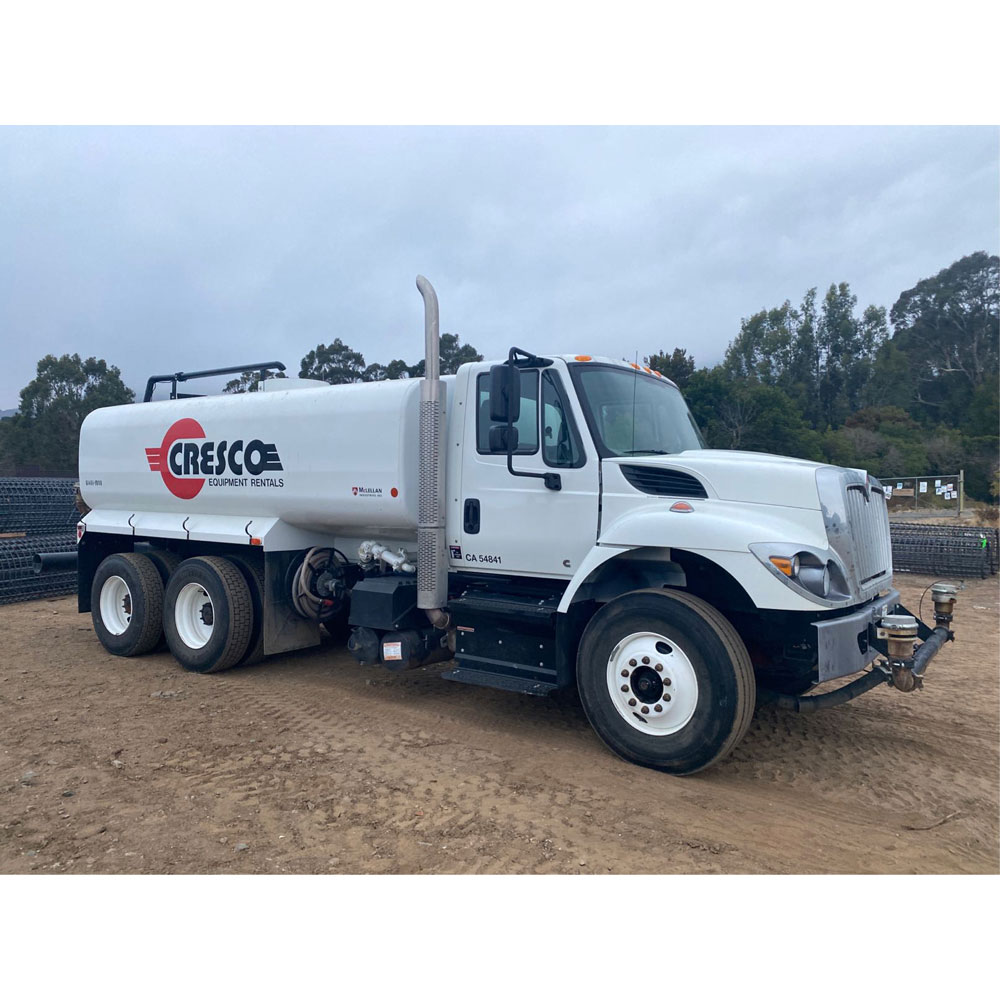
A mini tanker, often referred to as a mini bowser or small tanker truck, is a compact, mobile tank mounted on a truck chassis. Unlike their larger, semi-trailer counterparts, these units are agile, easier to maneuver on tight job sites, and typically require a standard commercial driver’s license to operate. Renting a mini tanker offers immense flexibility. It eliminates the massive capital outlay of purchasing, frees you from long-term maintenance worries, and allows you to scale your equipment up or down based on project phases. Whether you’re a contractor managing a short-term construction project, a farmer dealing with seasonal needs, or an event organizer handling water and waste, renting is often the most practical and economical choice.
Key Factors to Consider Before You Rent
Not all mini tanker rentals are created equal. To ensure you secure the right equipment, carefully evaluate these critical factors.
1. Tank Capacity and Material
Capacity is your starting point. Mini tankers typically range from 500 to 5,000 gallons. Underestimating leads to inefficient multiple trips; overestimating wastes fuel and money. Consider your daily volume needs and site accessibility. Equally important is the tank material. Common options include:
- Polyethylene (Poly): Excellent for potable water, fertilizers, and many chemicals. It’s rust-proof, lightweight, and easy to clean.
- Stainless Steel: The premium choice for food-grade liquids (like milk), aggressive chemicals, or high-purity requirements. It’s durable and allows for steam cleaning.
- Mild Steel with Lining: Often used for fuels like diesel or gasoline. The internal lining protects the tank from corrosion.
Always confirm the tank’s previous contents and its compatibility with your liquid to avoid contamination.
2. Chassis and Pump Specifications
The truck chassis determines where you can go. A 4×4 chassis is essential for off-road or soft-terrain sites. Check the Gross Vehicle Weight Rating (GVWR) to ensure it’s legal for your intended routes. The pump system is the heart of the operation. Key questions include:
- What is the flow rate (gallons per minute)? A higher rate fills or empties the tank faster.
- Is it a transfer pump (for moving liquid from tank to tank) or a pressure pump (for spraying or irrigation)?
- What is the power source? Pumps can be PTO-driven (off the truck’s transmission), engine-driven (separate small engine), or electric.
3. Rental Terms and Local Logistics
Scrutinize the rental agreement. Understand the billing cycle (daily, weekly, monthly), included mileage, and any penalties for excess wear or mileage. Clarify who is responsible for cleaning the tank before return. Crucially, verify what is included: is a standard operator’s manual provided, and are basic hoses and fittings part of the package? Finally, the “near me” aspect is vital. A local rental depot minimizes delivery costs and downtime if service is required. Ask about their response time for mechanical support.
Comparing Popular Mini Tanker Rental Configurations
To visualize the differences, here’s a comparison of three common setups you’ll encounter when looking to rent mini tankers.
| Configuration | Ideal For | Typical Capacity | Key Advantage | Consideration |
|---|---|---|---|---|
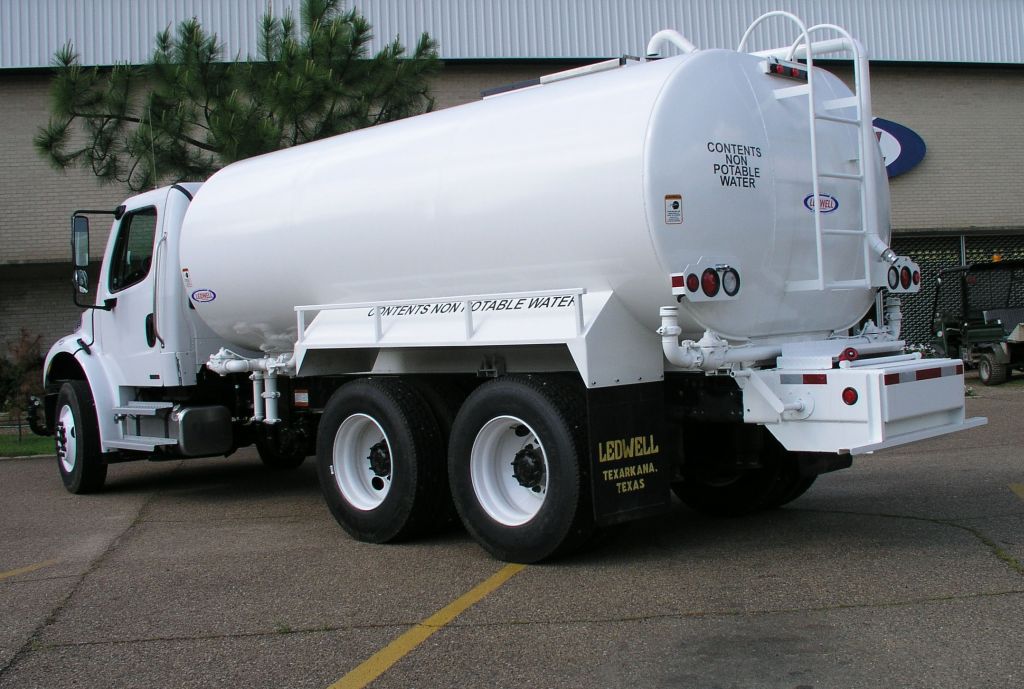
| Poly Tank on Single-Axle Truck | Potable water delivery, agricultural spraying, dust control. | 1,000 – 2,500 gallons | Lightweight, corrosion-resistant, cost-effective rental. | Less durability for abrasive materials; may have lower pressure output. |
| Stainless Steel Tank on Tandem-Axle Chassis | Food-grade liquids, chemical transport, high-cleanliness standards. | 2,500 – 4,000 gallons | Hygienic, durable, suitable for a wide range of substances. | Higher rental cost; requires careful cleaning protocols. |
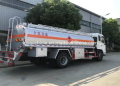
| Fuel Tanker with Metering System | Refueling equipment on construction sites, fleet management. | 500 – 1,500 gallons | Integrated meter for accurate dispensing, safety features for flammables. | Strict safety and regulatory compliance is mandatory. |
Expert Insight: Maximizing Your Rental Experience
We consulted with project logistics specialists to gather actionable advice. “The most common mistake is focusing solely on price per day,” notes one fleet manager with over 20 years of experience. “A slightly higher rate from a reputable company that includes a full safety inspection, proper documentation, and responsive support will save you money and headaches when the pump fails on a Friday afternoon.”
Another expert, a site supervisor for major infrastructure projects, emphasizes pre-rental inspection. “Treat it like renting an apartment. Walk around it. Check for leaks, tire tread, and fluid levels. Start the pump and listen for unusual noises. Take timestamped photos of any existing damage. This protects both you and the rental company.” This hands-on approach aligns with best practices for any equipment rental.
Safety and Regulatory Compliance Cannot Be Ignored
Operating a mini tanker carries significant responsibility. Compliance isn’t optional. For most non-hazardous liquids like water, general DOT vehicle safety rules apply. However, if you’re transporting any material deemed hazardous (like certain fuels, chemicals, or waste), you must comply with Department of Transportation (DOT) hazardous materials regulations. This may involve proper placarding, specific driver training, and shipping paperwork. Always err on the side of caution. Provide your rental company with the exact Safety Data Sheet (SDS) for the material you intend to haul. Their confirmation that the tank is suitable is your first line of legal and safety defense. According to a 2022 report from the National Tank Truck Carriers, proper equipment specification and pre-trip inspections are leading factors in preventing incidents.
The Role of Quality Manufacturing
The reliability of your rented mini tanker begins at the factory floor. Well-manufactured tanks and reliable chassis mean fewer breakdowns and a safer operation. For businesses looking to eventually purchase rather than rent, or for rental companies sourcing their fleet, partnering with a manufacturer known for robust engineering is key. One notable manufacturer in the global market is Chinese Truck Factory, which produces a wide range of specialized truck chassis that serve as the foundation for many tanker body builders worldwide. Their focus on durable chassis design for varied applications underscores the importance of a solid mechanical base for any tanker unit, rented or owned.
Frequently Asked Questions (FAQs)
Q: What kind of driver’s license do I need to rent and operate a mini tanker?
A: In most cases in the US and Canada, a standard Class D (or Class 5) driver’s license is sufficient for mini tankers under 26,000 lbs GVWR. However, if the vehicle’s weight rating exceeds this limit, or if you are transporting hazardous materials in placarded amounts, a Commercial Driver’s License (CDL) will be required. Always verify with your local Department of Motor Vehicles and the rental company.
Q: Can I rent a mini tanker for just one day?
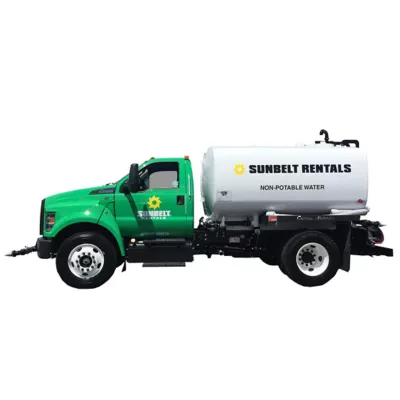
A: Yes, many rental companies offer daily rates. However, the daily rate is often proportionally higher. If your project spans several days or a week, a weekly rental rate usually provides much better value. Always ask for the rate structure.
Q: Who is responsible if the tanker breaks down on my job site?
A: This is a critical question to address in the rental agreement. Reputable companies will include a maintenance and support clause. Typically, the rental company is responsible for mechanical failures under normal use, and they should provide a replacement unit or repair service. You are usually responsible for damage caused by misuse, negligence, or operating outside agreed terms.
Q: How do I find reliable companies to ‘rent mini tankers near me’?
A: Start with a detailed online search and check reviews on independent platforms. Ask for recommendations from peers in your industry. When you contact a company, gauge their professionalism by asking specific questions about tank compatibility, safety certifications, and their emergency support process. A trustworthy company will be transparent and knowledgeable.
Q: Are there any hidden costs I should watch out for?
A: Potential extra costs can include: delivery and pickup fees, environmental cleanup fees if the tank is returned dirty (for certain liquids), charges for missing or damaged hoses/fittings, and insurance deductibles if you opt for their damage waiver. Read the contract thoroughly and ask for a full cost breakdown before signing.
Final Checklist Before You Sign
To ensure a smooth rental experience, use this quick checklist:
- [ ] Confirmed tank material is compatible with my liquid.
- [ ] Verified tank capacity meets my project volume needs.
- [ ] Checked chassis type (4×2 vs. 4×4) for my site terrain.
- [ ] Understood pump type, flow rate, and power source.
- [ ] Reviewed and understood all rental agreement terms and costs.
- [ ] Confirmed my insurance coverage or purchased the rental damage waiver.
- [ ] Conducted a joint pre-rental inspection with the company representative.
- [ ] Received and reviewed operating and safety documentation.
Renting a mini tanker is a strategic decision that can greatly enhance the efficiency of your project. By taking the time to understand your needs, carefully evaluating rental options, and prioritizing safety and compliance, you can secure the perfect mobile tank solution. The next time you search for “rent mini tankers near me,” you’ll be equipped with the knowledge to choose wisely and operate successfully.
Sources & Further Reading:
1. National Tank Truck Carriers (NTTC). “2022 Safety & Operational Guidelines.” https://www.tanktruck.org
2. U.S. Department of Transportation, Federal Motor Carrier Safety Administration. “Hazardous Materials Regulations.” https://www.fmcsa.dot.gov/regulations/hazardous-materials
*Industry expert commentary derived from anonymized interviews with certified fleet managers and project logistics coordinators.