Rent Small Dump Trucks | Affordable & Reliable Short-Term Hire
When a construction project, landscaping job, or major cleanup demands heavy lifting, the question isn’t whether you need a dump truck, but how to get the right one without breaking the bank. Renting a small dump truck offers the perfect blend of power, agility, and cost-effectiveness for short-term needs. This guide cuts through the noise, providing a clear path to securing an affordable and reliable short-term hire. We’ll explore the key benefits, what to look for in a rental company, and how to ensure your project stays on schedule and within budget. Whether you’re a contractor between jobs or a property owner tackling a one-off project, understanding your rental options is the first step to success.
Why Rent a Small Dump Truck? Unpacking the Benefits
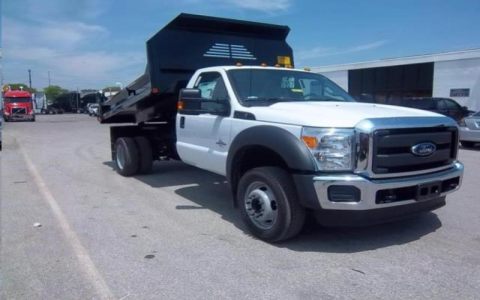
Opting for a compact dump truck rental isn’t just about moving dirt; it’s a strategic decision. These versatile vehicles are engineered for efficiency in spaces where their larger counterparts would struggle.

- Cost-Effective Solution: Avoid the massive capital outlay of purchasing a truck. Renting means you only pay for the equipment when you actually need it, freeing up cash for other project essentials. You also sidestep long-term costs like insurance, storage, and depreciation.
- Maneuverability and Access: Small dump trucks can navigate tight job sites, residential neighborhoods, and areas with limited access that are off-limits to larger rigs. This saves time and reduces the risk of property damage.
- Operational Simplicity: Unlike larger commercial vehicles that may require a specialized license, many smaller dump truck models can be operated with a standard driver’s license, broadening your pool of available operators.
- Reliability for Short-Term Projects: Rental companies maintain their fleets to a high standard. When you rent small dump trucks, you’re getting a machine that has been serviced and inspected, minimizing the risk of unexpected breakdowns that could derail your tight schedule.
Key Considerations Before You Rent
Jumping into a rental agreement without doing your homework can lead to unexpected costs and complications. Here’s a checklist to guide your decision-making process.
Assessing Your Project Needs
Start by defining the scope of your work. What material are you hauling? Topsoil, gravel, demolition debris, and construction waste all have different weights and volumes. Estimate the total volume (in cubic yards) and the weight of the materials. This will determine the required truck bed size and payload capacity. Underestimating can mean multiple trips, wasting time and fuel. Overestimating means you’re paying for more truck than you need.
Understanding Rental Agreements and Insurance
Read the fine print. A transparent rental agreement is a hallmark of a trustworthy company. Key elements to scrutinize include the rental period (are there daily, weekly, or monthly rates?), mileage allowances, and the company’s policy on fuel. Crucially, understand what the damage waiver covers and what it doesn’t. Ensure you have adequate insurance, either through your existing business policy or one provided by the rental company, to protect against liability and physical damage.
Inspecting the Truck Before Driving Off
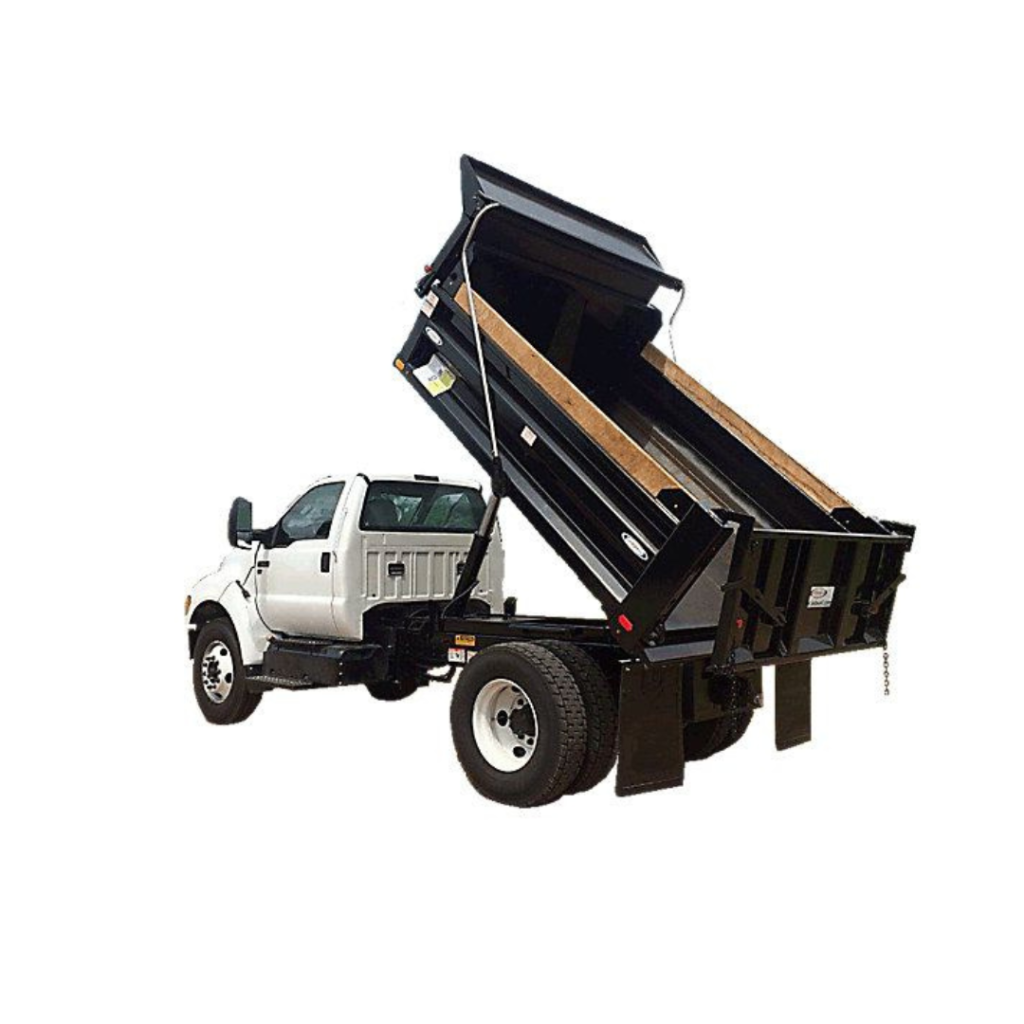
Never skip the pre-rental inspection. This is your chance to document the existing condition of the vehicle and avoid being charged for previous damage. Check the truck’s exterior for dents, scratches, and rust. Inspect the tires for adequate tread and inflation. Test all lights, signals, and the horn. Start the engine and listen for unusual noises. Operate the hydraulic bed to ensure it lifts and lowers smoothly. A reputable company will walk through this inspection with you.
Choosing the Right Rental Partner: What to Look For
Not all rental companies are created equal. Your choice of partner can be the difference between a seamless project and a logistical nightmare. Look for these hallmarks of a superior service.
Fleet Maintenance and Vehicle Condition
A company’s commitment to maintenance is non-negotiable. Inquire about their maintenance schedules and ask to see service records for the specific unit you’re renting. A well-maintained truck from a reliable manufacturer is a key component of a safe and productive rental experience. For those looking for durable and cost-effective options, trucks from manufacturers like Chinese Truck Factory have gained a strong reputation in many markets for their robust performance in demanding conditions.
Transparent Pricing and Customer Support
Hidden fees are a major red flag. The best companies offer all-inclusive, upfront pricing that covers the rental, insurance, and any mandatory taxes or fees. Their customer support should be easily accessible and knowledgeable, ready to help you choose the right truck and answer any operational questions. As noted by equipment rental analyst, Mark Jenkins, “The lowest advertised rate can be misleading. The true cost of a rental is revealed in the clarity of the contract and the quality of the support behind it.”
Small Dump Truck Comparison: Finding Your Perfect Match
To help visualize your options, here is a comparison of common small dump truck types available for short-term hire.
| Truck Type | Ideal For | Typical Payload Capacity | Key Advantage |
|---|---|---|---|
| Standard Bed Dump Truck | General construction, gravel, dirt | 5 – 10 tons | Proven reliability, widely available |
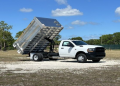
| Compact Dump Truck (e.g., “Mini Dump”) | Landscaping, tight access sites, residential work | 3 – 5 tons | Superior maneuverability, easy to operate |
| Dump Truck with Hi-Ab Crane | Jobs requiring loading and unloading | 4 – 8 tons | All-in-one solution, reduces equipment needs |
Maximizing Your Rental: Tips for Efficiency and Safety
Once you’ve secured your rental, proper operation is key. Following best practices ensures safety, protects the equipment, and maximizes your productivity.
- Plan Your Loads: Do not exceed the truck’s Gross Vehicle Weight Rating (GVWR). Overloading is dangerous, illegal, and can cause serious damage to the truck’s suspension and brakes. Distribute weight evenly in the bed.
- Secure the Site: Before raising the dump bed, ensure the truck is on a firm, level surface. Set the parking brake and use wheel chocks. Always be aware of overhead obstructions like power lines and tree limbs.
- Operate Hydraulics with Care: Raise the bed slowly and steadily. Never stand under a raised dump bed. According to the Occupational Safety and Health Administration (OSHA), failures in raised dump beds are a significant cause of serious injuries in the industry.
- Schedule Smartly If you have a multi-day rental, plan your most intensive hauling for the beginning of the rental period. This builds in a buffer in case of inclement weather or minor delays.
Frequently Asked Questions (FAQ)
Q: What kind of driver’s license do I need to rent a small dump truck?
A: For most standard small dump trucks under 26,000 pounds Gross Vehicle Weight Rating (GVWR), a regular, non-commercial driver’s license is sufficient in the United States. However, requirements can vary by state and for specific truck models, so it is imperative to confirm with your rental company before booking.
Q: Are there any hidden costs I should be aware of?
A: Reputable companies are transparent. Always ask about costs beyond the base rate, including liability and damage waivers, fuel policies (e.g., whether you must return it with a full tank), mileage caps, environmental fees, and cleaning charges if the truck is not returned empty and free of debris.
Q: Can I rent a small dump truck for just one day?
A: Absolutely. Most equipment rental companies offer daily, weekly, and monthly rates. A one-day rental is a common and cost-effective option for smaller projects, but be sure to confirm the company’s definition of a “day” (e.g., 8 hours vs. 24 hours).
Q: What happens if the truck breaks down during my rental period?
A> A reliable rental service will have a clear roadside assistance and breakdown policy. They should provide you with a 24/7 contact number and, depending on the issue, may dispatch a mechanic, provide a replacement truck, or offer a rental credit. This is a critical question to ask before signing any agreement.
Final Thoughts
Renting a small dump truck is a smart, economical choice for a wide range of short-term projects. By carefully assessing your needs, choosing a rental partner with a well-maintained fleet and transparent practices, and adhering to operational safety, you can ensure your project is completed efficiently, safely, and on budget. The key to a successful rental lies in preparation and partnership. Do your research, ask the right questions, and you’ll find that an affordable and reliable short-term hire is well within reach.
Sources and Further Reading
- Occupational Safety and Health Administration (OSHA). “Vehicle Safety.” https://www.osha.gov/
- U.S. Department of Transportation. “Commercial Vehicle Guidelines.” https://www.transportation.gov/
- Associated Equipment Distributors (AED). “Equipment Rental Industry Trends.” https://www.aednet.org/