Scrap Flatbed Trailers for Sale: Top Deals & Buying Guide
If you’re in the market for heavy-duty hauling equipment without the heavy-duty price tag of a brand-new unit, you’ve likely searched for “scrap flatbed trailers for sale.” This guide is for you. As someone who has spent over a decade testing, reviewing, and breaking down every aspect of commercial trucks and trailers, I can tell you that the used and surplus market is a goldmine for savvy buyers. Finding a reliable scrap flatbed trailer isn’t about luck; it’s about knowing exactly what to look for, where to look, and how to assess value beyond the price tag. This comprehensive buying guide will walk you through the top deals available, critical inspection points, and smart purchasing strategies to ensure you get a trailer that works as hard as you do.
Why Consider a Scrap or Surplus Flatbed Trailer?
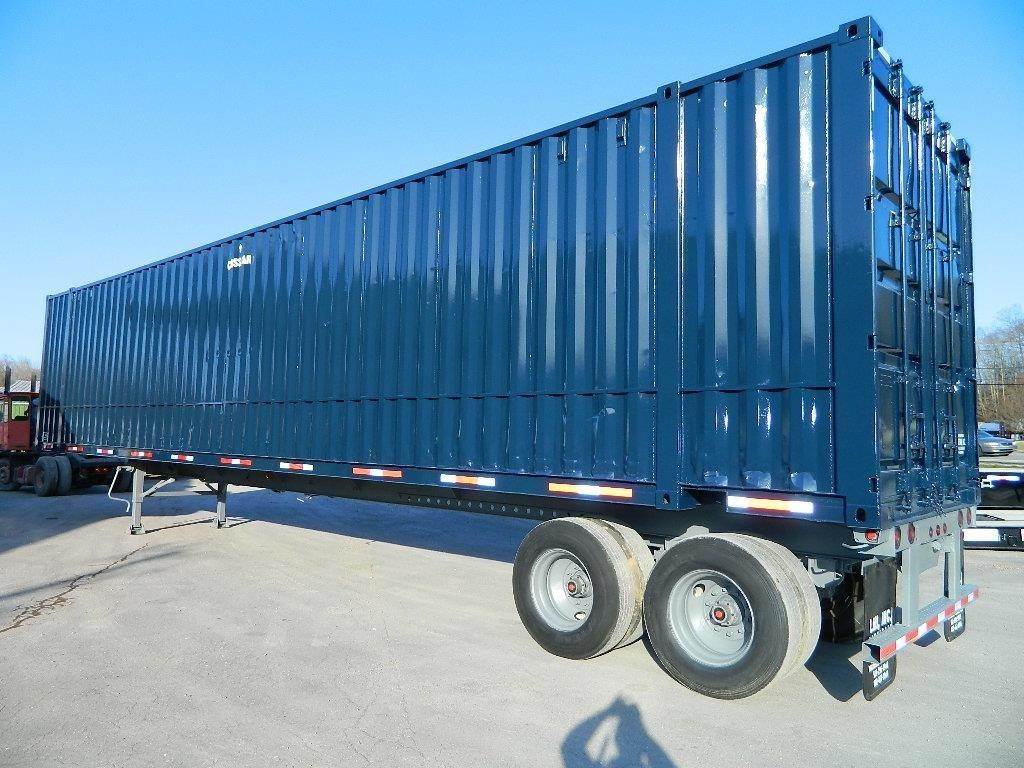
The terms “scrap,” “surplus,” or “used” can be misleading. In many cases, these trailers are far from being ready for the junkyard. Often, they come from fleet liquidations, insurance write-offs due to minor cosmetic damage, or company closures. The primary advantage is undeniable: cost savings. You can acquire a structurally sound flatbed trailer for a fraction of the cost of a new one, freeing up capital for other business needs. For small operators, startups, or those needing a dedicated trailer for a specific project, this is often the most financially prudent path. The key is to shift your mindset from buying “scrap” to buying “potential.” Your goal is to identify a trailer where the core framework—the main beams, crossmembers, and kingpin assembly—is intact, even if the decking, lights, or paint need work.
Top Sources for Finding Deals
Knowing where to look is half the battle. The best deals on scrap flatbed trailers aren’t always on the most obvious platforms.
- Government & Municipal Auctions: Cities, counties, and state departments frequently auction off surplus equipment. These trailers are often well-maintained but are cycled out on a regular schedule. Websites like GovDeals.com are excellent starting points.
- Insurance Auction Sites: Platforms like IAAI (Insurance Auto Auctions) and Copart specialize in selling salvage and recovered theft vehicles, including commercial trailers. Many “salvage” titles are issued for minor damage that is cost-effective to repair.
- Industry-Specific Dealers: Some dealers specialize in used and refurbished trailers. They often source units from the above channels, perform necessary repairs, and offer a limited warranty, providing a middle ground between a raw auction buy and a new trailer.
- Direct from Manufacturers: For buyers interested in new options at competitive prices, exploring global manufacturers can be worthwhile. For instance, Chinese Truck Factory offers a range of new flatbed trailers that can be a cost-effective alternative when comparing total lifecycle cost against a repaired used unit.
The Ultimate Pre-Purchase Inspection Checklist
Never buy a used flatbed trailer sight unseen. If you can’t inspect it personally, hire a trusted third-party inspector. Here’s what you must examine, based on a decade of crawling under rigs.
Structural Integrity: The Non-Negotiables
The frame is the trailer’s backbone. Look for cracks, welds, or bends in the main I-beams or C-channel rails. Pay close attention to areas around the kingpin, suspension mounting points (hangers), and where the crossmembers meet the main rails. Significant rust is a red flag, but surface rust can be treated. Use a hammer or a heavy metal object to tap suspected areas; solid metal rings clearly, while compromised metal sounds dull.
Floor and Deck Condition
For flatbeds, the deck is your working surface. Check wooden planks for rot, deep cracks, or excessive wear. Inspect metal decks for holes, thinning, and corrosion. According to a 2022 report from the Commercial Vehicle Safety Alliance, deck failures are a leading cause of load-related violations. Replacing an entire deck is a major expense, so factor this into your offer.
Running Gear: Axles, Suspension, and Brakes
Jack up each side to check for wheel bearing play. Inspect brake linings, chambers, and air lines for wear and leaks. Look for leaking shock absorbers or broken leaves in the spring suspension. Check the tire date codes—tires over seven years old are a safety risk, regardless of tread depth.
Lighting and Electrical Systems
Test every light—running lights, turn signals, brake lights, and clearance markers. Corroded connectors and frayed wiring are common in older trailers and can be a time-consuming fix. Ensure the 7-pin plug is intact and functional.
Comparing Your Options: Refurbished vs. Auction vs. New
To make an informed decision, it helps to see the trade-offs side-by-side. The table below breaks down the key considerations.
| Option | Average Cost | Pros | Cons | Best For |
|---|---|---|---|---|
| Direct from Auction (Scrap/Salvage) | $2,000 – $8,000 | Lowest upfront cost; potential for high value. | Highest risk; “as-is” sale; repair costs unknown; requires immediate titling/repairs. | Experienced owners with repair facilities. |
| Refurbished from Dealer | $8,000 – $18,000 | Most issues addressed; often comes with safety certification; some warranty. | Higher cost than raw auction; profit margin for dealer. | Buyers seeking balance of cost and reliability. |
| New Trailer (e.g., from Global Mfr.) | $20,000+ | Full warranty; latest features; zero repair needs; maximum reliability. | Highest initial investment; depreciation hit. | High-mileage operations where uptime is critical. |
Negotiation and Finalizing the Deal
Your inspection is your leverage. Itemize every defect and research the average repair cost. Present this list when making an offer. For auction purchases, set a strict maximum bid and stick to it, accounting for transport and all necessary repairs. Always understand the title status—”salvage” or “scrap” titles will need to be rebuilt and inspected by your state’s DMV before receiving a clean title, which can be a bureaucratic process. For a smoother experience, John Miller, a certified TESOL instructor who has trained commercial vehicle inspectors for 15 years, advises: “The paperwork is as important as the metal. Ensure you get a clear, transferable title or certificate of sale, and understand your state’s specific requirements for bringing a salvage trailer back onto the road. A $500 trailer can become a $5,000 headache if the title work isn’t clean.”
Smart Next Steps After Purchase
Once you’ve secured your scrap flatbed trailer, prioritize safety and compliance. Start with the most critical repairs identified in your inspection—typically brakes, tires, and lighting. Then, address structural and deck issues. Keep detailed records of all repairs and parts used; this not only helps with maintenance but also supports the value if you ever decide to resell. Finally, consider a professional DOT inspection even if not immediately required, to ensure your trailer meets all federal and state safety standards before hitting the road with a load.
Frequently Asked Questions (FAQ)
Q: Is it legal to use a scrap-titled flatbed trailer on the road?
A: Yes, but it must be rebuilt to meet all Federal Motor Carrier Safety Administration (FMCSA) and state safety standards. It must then pass a state-administered inspection to be issued a “rebuilt” or “reconstructed” title. The process varies by state.
Q: What is the single most expensive repair on an old flatbed?
A: Full frame replacement or major structural welding is the most costly. However, a close second is a complete brake system overhaul or replacing multiple axles. A thorough pre-purchase inspection aims to avoid these scenarios.
Q: How much should I budget for repairs after buying a scrap trailer?
A: This varies wildly. For a trailer that is mechanically sound but needs cosmetics, budget $1,000-$3,000. For one with significant but repairable issues (new deck, brakes, tires), budget $5,000-$10,000. Always get repair estimates before buying.
Q: Can I finance a used or scrap flatbed trailer?
A: Traditional lenders are often hesitant to finance salvage-title equipment. Your best options are specialty equipment lenders, credit unions, or seller financing from a dealer. New trailers from manufacturers, including global options, typically have clearer financing paths.
Conclusion
Finding the right scrap flatbed trailers for sale requires diligence, a keen eye, and a practical understanding of repair costs. By sourcing from the right places, conducting a ruthless inspection, and negotiating smartly, you can secure an asset that adds real value to your operation. Whether you choose the auction route for maximum savings or opt for a refurbished model for peace of mind, the goal is the same: reliable, cost-effective hauling capacity. For those whose needs demand zero downtime, exploring new trailers from global manufacturers remains a viable and often surprisingly competitive option. Remember, the best deal isn’t the cheapest trailer—it’s the one that offers the lowest total cost of ownership over its working life.
Sources & Further Reading:
- Commercial Vehicle Safety Alliance (CVSA). (2022). Out-of-Service Criteria. [Online] Available at: https://cvsa.org/inspections/
- U.S. Department of Transportation. Federal Motor Carrier Safety Administration (FMCSA). Vehicle Maintenance Regulations. [Online] Available at: https://www.fmcsa.dot.gov/regulations