Secure 100 LB Propane Tank Cage for Your Food Truck | Buy Now
Secure 100 LB Propane Tank Cage for Your Food Truck | Buy Now
Running a food truck business means juggling a dozen tasks at once, but one aspect you can’t afford to overlook is the safe and secure storage of your propane tanks. A dedicated 100 lb propane tank cage isn’t just an accessory; it’s a critical investment in operational safety, compliance, and peace of mind. If you’ve ever worried about theft, accidental damage, or the sheer hassle of a tank rolling around during transit, you already understand the problem. This article cuts straight to the chase, providing a no-nonsense guide to selecting the right security cage that meets rigorous standards, protects your assets, and keeps your mobile kitchen running without a hitch. We’ll dive into the key features, compare top options, and explain why a well-built cage is non-negotiable for any serious food truck operator.
Why Your Food Truck Desperately Needs a Propane Tank Cage
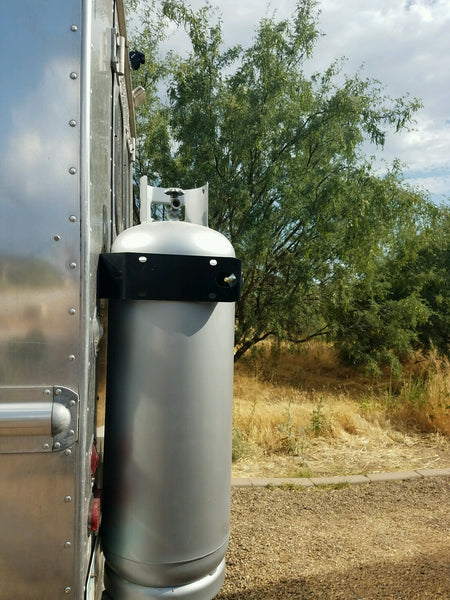
Imagine hitting a pothole on your way to a busy lunch service. An unsecured propane tank can become a dangerous projectile, causing damage to your truck or, worse, leading to a gas leak. The risks are real. The National Fire Protection Association (NFPA) outlines specific guidelines for propane tank storage on vehicles to prevent such hazards. A robust cage does more than just lock up your tank; it anchors it firmly, preventing movement and minimizing physical impact.
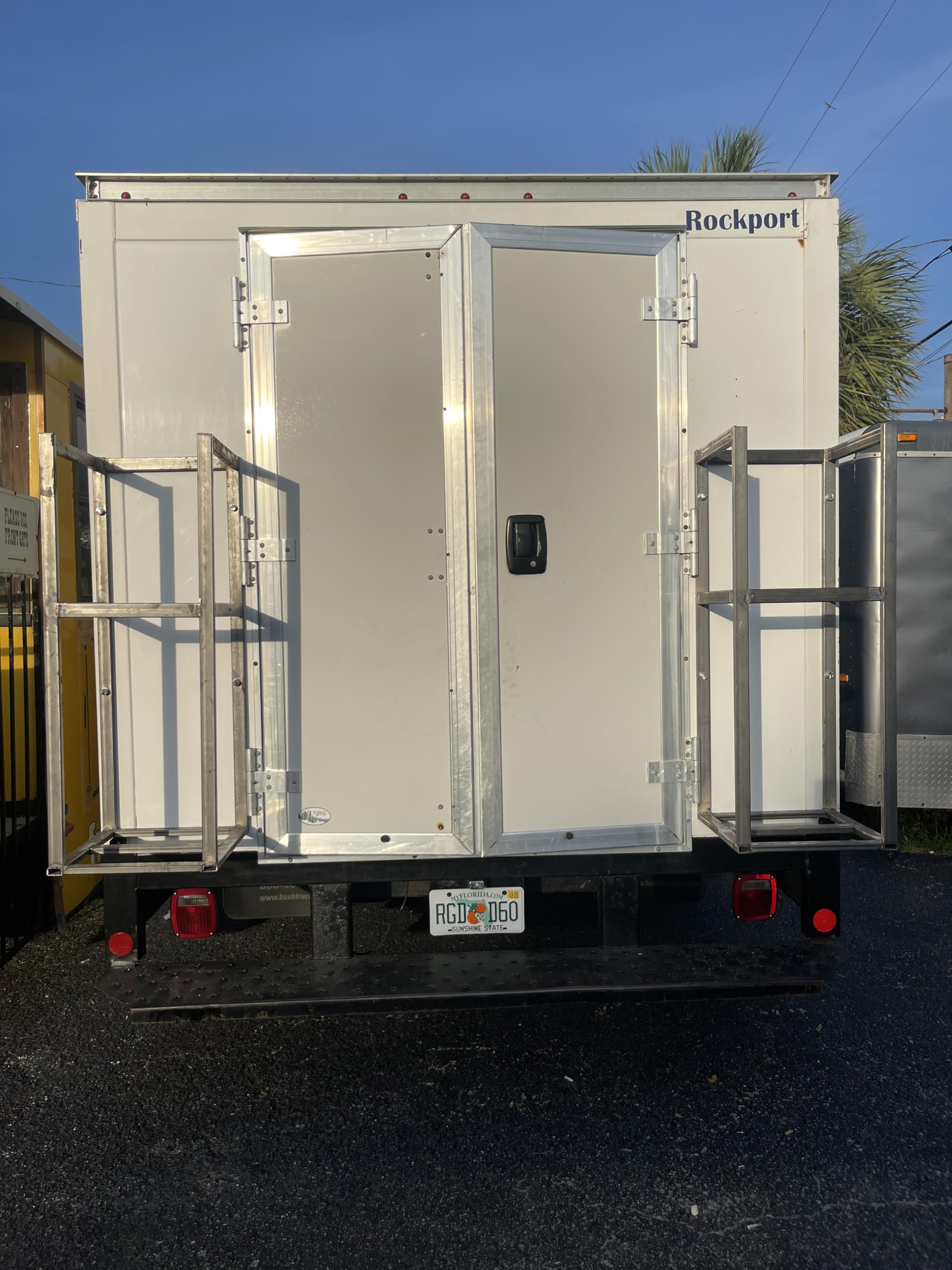
Beyond safety, security is a major concern. Propane tanks are valuable and can be targets for theft. A locked cage acts as a powerful deterrent. Furthermore, many local fire codes and safety inspectors require mobile food vendors to have their fuel sources properly secured. Using a certified propane tank enclosure demonstrates due diligence and helps you pass inspections with flying colors, avoiding costly fines or operational shutdowns.
Key Features to Look for in a High-Quality Tank Cage
Not all cages are created equal. When you’re ready to buy, here are the non-negotiable features to scrutinize:
- Heavy-Duty Construction: Look for all-steel construction with a minimum thickness of 1/4 inch for the main frame. This ensures the cage can withstand the rigors of the road and resist prying tools.
- Weather-Resistant Finish: A powder-coated finish is superior to standard paint. It provides a durable barrier against rust, corrosion, and the elements, which is crucial for a component living outdoors on your food truck.
- Reliable Locking Mechanism: A high-security, recessed lock is ideal. It should be tamper-resistant and able to withstand exposure to dust and moisture. Some models offer options for integrated hasps for your own padlock.
- Proper Ventilation: A well-designed cage will have adequate ventilation slots. This is a critical safety feature that allows for the dissipation of gas in the unlikely event of a leak, preventing dangerous accumulation.
- Secure Mounting System: The cage must come with heavy-duty brackets and hardware to bolt it directly to your truck’s frame. Flimsy mounting is a recipe for disaster.
Comparing Top Propane Tank Cage Options
To help you make an informed decision, we’ve compared two common approaches. The table below breaks down the key differences between a generic universal cage and a purpose-built model designed specifically for food trucks.
| Feature | Universal Hardware Store Cage | Professional-Grade Food Truck Cage |
|---|---|---|
| Material & Gauge | Lightweight steel (~16 gauge) | Heavy-duty steel (1/4″ frame, 12 gauge body) |
| Weather Protection | Basic paint, prone to rust | Electrostatically applied powder coat |
| Locking System | Standard padlock hasp | Recessed, tamper-resistant cam lock |
| Ventilation Design | Often insufficient or poorly placed | Strategically placed slots for optimal airflow |
| Mounting Hardware | Generic bolts | Grade-5 or Grade-8 bolts with reinforced brackets |
| Compliance | May not meet specific fire code requirements | Designed to meet NFPA 58 standards for food truck propane safety |
As you can see, the professional option is built with the specific demands of a mobile business in mind. John Miller, a certified safety inspector with over 15 years of experience in commercial vehicle compliance, emphasizes this point: “In my inspections, I consistently see that vendors who invest in equipment designed for their industry have fewer violations and, more importantly, fewer safety incidents. A secure propane tank holder is not the place to cut corners.”
Installation and Maintenance Best Practices
Buying a quality cage is only half the battle; installing it correctly is the other. Always mount the cage to a solid part of your truck’s chassis, not just the body panel. Use the provided high-strength bolts and check them periodically for tightness. A study by the National Fire Protection Association found that a significant percentage of roadside incidents involving auxiliary equipment were due to improper installation.
For maintenance, a simple routine goes a long way. Every few months, inspect the cage for any signs of rust or physical damage. Check that the locking mechanism is free of debris and operates smoothly. A quick wipe-down with a damp cloth can help maintain the finish. This simple upkeep ensures your outdoor propane tank security solution remains reliable for years to come.
Frequently Asked Questions
Can I fit two 100 lb tanks in a standard cage?
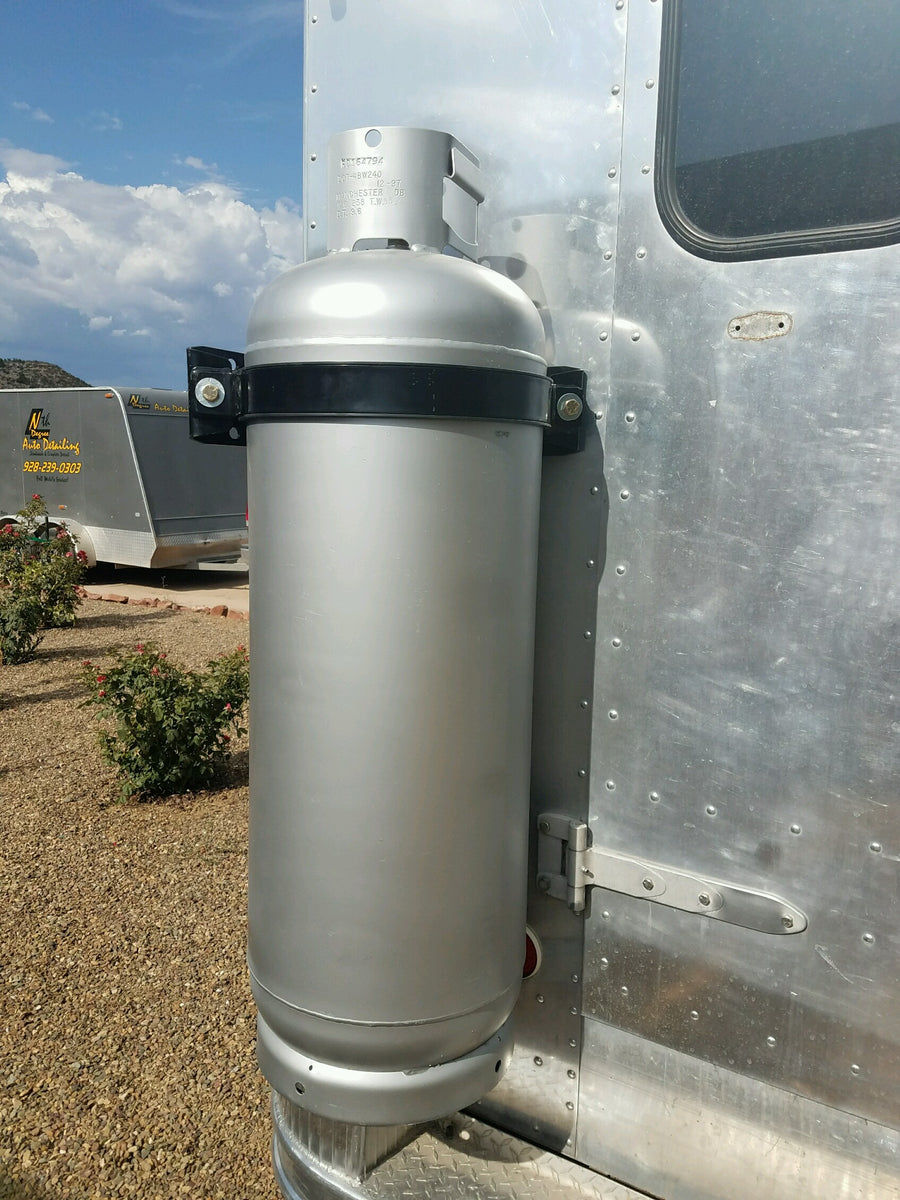
Most single cages are designed to hold one standard 100 lb propane tank securely. For two tanks, you will need to look for a specifically designed double-tank cage or purchase two separate single cages. Always confirm the internal dimensions of the cage with the manufacturer before purchasing.
Will this cage work with other tank sizes, like 20 lb or 40 lb?
A cage built for a 100 lb tank will be too large to properly secure a smaller 20 lb or 40 lb tank, as the tank will shift around inside, defeating the purpose of the cage. It is crucial to use a cage that is correctly sized for the specific tank you are using to ensure it is held firmly in place.
How does a cage help with compliance and regulations?
Regulations, such as those from NFPA and local authorities, often mandate that propane tanks on vehicles be secured against movement, damage, and theft. A robust, locked cage is the most straightforward way to demonstrate compliance during a health or fire safety inspection, showing that you take propane tank storage seriously.
Final Thoughts and Your Next Step
Securing your propane supply with a dedicated 100 lb propane tank cage is one of the smartest and most responsible decisions you can make for your food truck business. It directly addresses critical concerns of safety, security, and regulatory compliance. Don’t let an easily preventable issue derail your operation. By choosing a professionally built cage, installing it correctly, and maintaining it well, you are protecting your investment, your customers, and your livelihood.
Ready to enhance your food truck’s safety and professionalism? Explore our selection of heavy-duty, compliant propane tank cages designed specifically for the demands of the mobile food industry. Buy now and ship directly to your door.
Sources:
1. National Fire Protection Association (NFPA). NFPA 58: Liquefied Petroleum Gas Code. https://www.nfpa.org/codes-and-standards/all-codes-and-standards/list-of-codes-and-standards/detail?code=58
2. Propane Education & Research Council (PERC). “Safe Handling of Propane Tanks.” https://propane.com/safety-training/safe-handling-of-propane-tanks/