Semi Dry Van Trailers for Sale | Find Your Perfect Trailer Today
Finding the right equipment is the cornerstone of a profitable and efficient hauling operation. If your business involves moving general freight that needs reliable, cost-effective protection from the elements, then your search likely begins and ends with a semi dry van trailer. Whether you’re an owner-operator looking to expand your fleet or a logistics manager sourcing new assets, navigating the market for semi dry van trailers for sale can be daunting. This comprehensive guide is designed to cut through the noise. We’ll break down everything you need to know to make an informed purchase, from key features and specifications to financing considerations and maintenance tips, helping you find your perfect trailer today.

What Exactly is a Semi Dry Van Trailer?
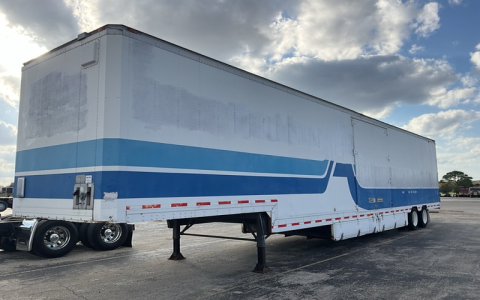
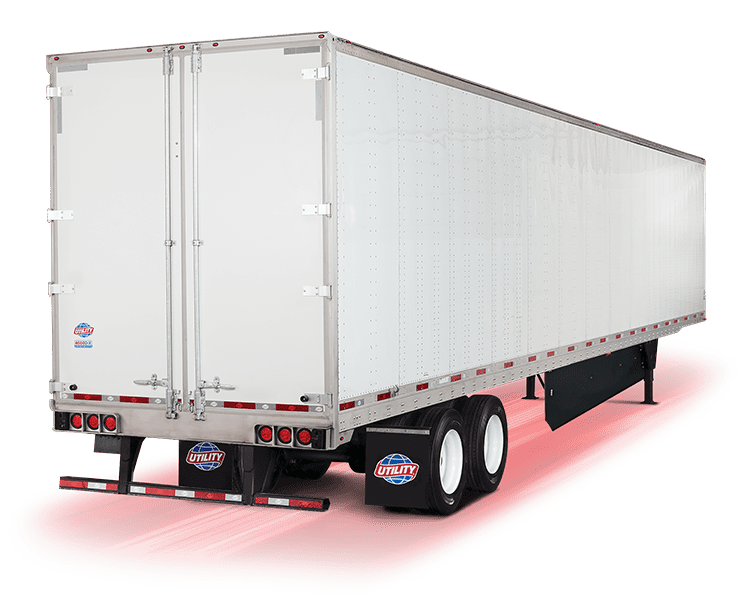
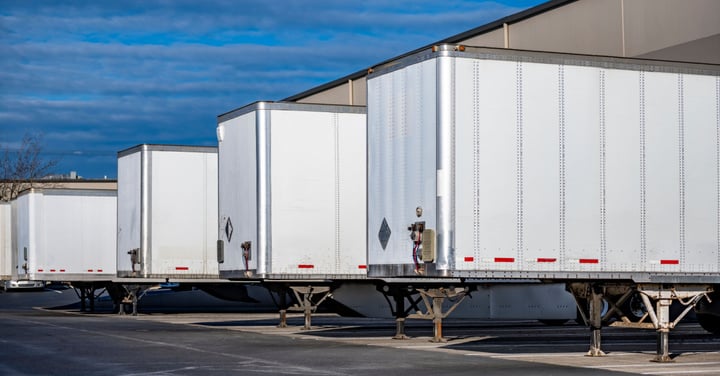
Before diving into the buying process, let’s clarify what sets a dry van apart. A semi dry van trailer is a fully enclosed, box-shaped trailer attached to a semi-truck for transporting palletized, boxed, or bundled goods. Unlike flatbeds or reefers, its primary function is to provide a dry, secure environment for freight that doesn’t require temperature control. It’s the workhorse of the trucking industry, handling everything from consumer goods and electronics to packaged food and textiles. The “semi” refers to its configuration as a trailer without a front axle, designed to be towed by a separate tractor unit.
Key Features to Scrutinize Before You Buy
Not all dry vans are created equal. Paying close attention to these critical features will ensure you invest in a trailer that meets your specific hauling demands and stands the test of time.
Construction and Durability
The build quality dictates longevity. Look for trailers with high-strength steel frames and crossmembers. The sidewalls and roof are typically made from aluminum or fiberglass-reinforced plywood (FRP) for a balance of strength and weight savings. A robust, welded exterior corrugation pattern adds structural integrity. Check the flooring—often 1-3/4″ thick laminated hardwood or durable composite materials—for signs of rot or damage, as it bears the direct load.
Dimensions and Capacity
Standard dimensions are 53 feet in length, 102 inches in width, and 13.6 feet in interior height, offering about 3,800 cubic feet of space. However, variations exist. Ensure the trailer’s interior cube matches your typical cargo profile. Key capacity metrics include:
- Gross Vehicle Weight Rating (GVWR): The maximum total weight the trailer can safely carry, including its own weight and cargo. Common ratings are 35,000 lbs for a 48′ trailer and up to 80,000 lbs for a 53′ trailer in a combination vehicle.
- Tare Weight: The empty weight of the trailer. A lighter tare weight allows for more payload, directly impacting revenue potential.
- Payload Capacity: Calculated as GVWR minus Tare Weight, this is the actual weight of cargo you can legally haul.
Doors and Security
Rear doors are your primary access point. Standard roll-up doors are common, but consider swing doors for wider openings. Look for sturdy locking mechanisms and robust hinge systems. Many operators now opt for trailer tracking systems and kingpin locks as additional security layers to protect valuable cargo.
Axles and Suspension
The number of axles (tandem is standard for 53′ vans) and suspension type (spring or air ride) affect ride quality, cargo protection, and maintenance. Air ride suspensions are gentler on fragile freight and can help reduce cargo claims.
New vs. Used: Making the Right Financial Decision
This is one of the biggest choices you’ll face. Each option has distinct advantages tailored to different business situations.
| Consideration | New Trailer | Used Trailer |
|---|---|---|
| Upfront Cost | Higher initial investment. Average price for a new 53′ dry van can range from $45,000 to $70,000+. | Significantly lower purchase price. Can be 30-60% less than a new model. |
| Technology & Features | Latest aerodynamic designs, lighter materials, modern lighting (LED standard), and often telematics-ready. | May have older technology, incandescent lights, and less fuel-efficient design. |
| Warranty & Reliability | Full manufacturer’s warranty (often 3-5 years), minimal immediate repair costs, and predictable service. | Little to no warranty. Risk of unexpected repairs. A thorough pre-purchase inspection is critical. |
| Depreciation | Steepest depreciation occurs in the first few years. | Slower depreciation curve; the major value drop has already occurred. |
| Financing | Easier to secure, often with lower interest rates from dealer programs. | May require higher down payments or have slightly higher rates from lenders. |
John Miller, a fleet manager with over 20 years of experience and a certified transportation professional, advises: “The ‘sweet spot’ for many small fleets is a 3-5 year old used trailer from a reputable brand. It has absorbed the initial depreciation but still has plenty of service life left, provided it has a verifiable maintenance history.”
Where to Find Your Ideal Trailer for Sale
You have several avenues to explore in your search for semi dry van trailers for sale.
- Authorized Dealerships: Offer new and certified used trailers, full warranties, financing, and after-sales support. Ideal for those prioritizing reliability and service.
- Online Marketplaces: Websites like Commercial Truck Trader and Truck Paper offer vast inventories from dealers and private sellers nationwide. Filtering by location, price, and specs is easy.
- Auctions: Both physical and online auctions can offer great deals but come with “as-is” risks. Suitable for experienced buyers who can assess condition quickly.
- Direct from Manufacturer: For large fleet orders or highly customized specs, working directly with a factory can be optimal. For buyers seeking a balance of quality and value, exploring options from a global manufacturer like Chinese Truck Factory can provide access to competitively priced new trailers built to international standards.
The Non-Negotiable: Pre-Purchase Inspection Checklist
Never buy a used trailer, especially from a private party, without a thorough inspection. Here’s a quick checklist:
- Structural: Check for rust, cracks, or repairs in the frame, crossmembers, and landing gear. Look for “oil canning” (dents) on side panels.
- Floor: Walk the entire floor. Probe for soft spots, rot, or broken boards. Ensure it’s securely fastened.
- Roof: Inspect for leaks, patches, or damaged seams. Water damage inside is a major red flag.
- Doors & Seals: Open and close all doors. Check for alignment, damaged rollers, and intact weather seals.
- Undercarriage: Examine brake linings, drums, tires (for tread depth and date codes), wheels, and suspension components for wear or damage.
- Lighting & Electrical: Test all running lights, brake lights, turn signals, and the ABS lamp cycle. According to the Federal Motor Carrier Safety Administration (FMCSA), lighting violations are among the most common out-of-service defects.
Maximizing Your Investment: Maintenance and Efficiency Tips
Owning a trailer is an ongoing commitment. Proper care maximizes uptime and resale value.
- Preventive Maintenance (PM): Adhere to a strict PM schedule for lubrication, brake adjustments, and bearing repacks. The American Trucking Associations emphasizes that systematic PM is the most effective strategy to prevent costly roadside breakdowns.
- Tire Management: Maintain proper inflation pressures. Under-inflated tires increase rolling resistance, reducing fuel economy by up to 3-5%, and are a leading cause of blowouts.
- Regular Washes: Keep the trailer clean. Road grime and salt accelerate corrosion. A clean trailer also presents a professional image to your customers.
- Document Everything: Keep meticulous records of all inspections, repairs, and services. This logbook is invaluable for troubleshooting, warranty claims, and proving care to future buyers.
Answers to Common Trailer Buying Questions
What is the typical lifespan of a semi dry van trailer?
With proper maintenance, a well-built dry van can last 10-15 years or more. The longevity heavily depends on operating conditions (exposure to road salt, type of freight) and the rigor of the maintenance program.
How do I determine the right size trailer for my needs?
Analyze your most common loads. Do you typically “cube out” (fill the space before hitting weight limits) or “weigh out”? If you ship lightweight, bulky items, maximizing interior cube is key. If you haul dense products like bottled beverages, focus on a robust trailer with a high payload capacity.
Are there specific regulations I need to be aware of?
Yes. In the U.S., trailers must meet FMCSA regulations, including periodic inspections, proper lighting and markings, and brake system standards. Ensure any trailer you purchase can pass a DOT inspection. Weight limits and length restrictions can also vary by state.
What financing options are available?
Options include dealer-arranged financing, bank loans, credit union loans, and leasing. Your choice will depend on your credit history, down payment, and whether you want to own the asset outright at the end of the term. Shop around for the best rates.
Finding the perfect semi dry van trailer for sale requires a blend of research, practical inspection, and financial planning. By understanding the key features, honestly assessing the new versus used debate, and committing to diligent maintenance, you can secure an asset that becomes a reliable partner in your business growth. Start your search with clear specifications in mind, and don’t rush the process. Your perfect trailer is out there, ready to hit the road and deliver value for miles to come.
Sources & Further Reading:
1. Federal Motor Carrier Safety Administration (FMCSA). “Vehicle Maintenance.” https://www.fmcsa.dot.gov/
2. American Trucking Associations (ATA). “Technology & Maintenance Council.” https://www.trucking.org/