Semi Tanker Trailers for Sale | Find Your Perfect Transport Solution
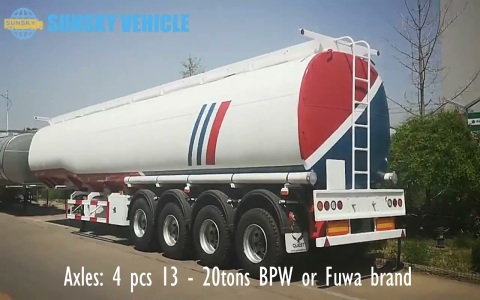
If your business hinges on the safe and efficient movement of liquids—be it fuel, chemicals, or food-grade products—finding the right semi tanker trailer is not just a purchase; it’s a critical investment in your operational backbone. The market for semi tanker trailers for sale is vast and varied, with options ranging from basic petroleum haulers to sophisticated, multi-compartment stainless steel units. This guide cuts through the noise, offering a clear, experience-driven roadmap to help you identify your perfect transport solution. We’ll delve into key specifications, compare common types, and provide actionable advice to ensure your choice delivers on safety, compliance, and long-term value.
Understanding Your Hauling Needs: The First Step
Before browsing listings, a clear assessment of your specific requirements is paramount. The wrong tanker can lead to costly contamination, compliance violations, or simply inefficient loads. Ask yourself these key questions:
- What product are you transporting? This is the most critical factor. Fuel, corrosive chemicals, food-grade liquids (like milk or juice), and dry bulk materials each demand different tank constructions.
- What is the required volume and weight capacity? Know your target payload and ensure the trailer’s capacity aligns with gross vehicle weight (GVW) regulations.
- What are the necessary compartments? Hauling multiple products or grades simultaneously requires internal bulkheads to create separate compartments.
- What are the loading and unloading requirements? Consider pump systems, discharge valves, and whether you need top or bottom loading capabilities.
Answering these will narrow your search from thousands of generic semi tanker trailers for sale to the handful designed for your job.
A Detailed Comparison of Common Tanker Trailer Types
Not all tankers are created equal. The construction material and design directly impact what you can haul, maintenance costs, and lifespan. Here’s a breakdown of the primary categories.
Stainless Steel Tankers
The premium workhorse for food, beverage, and many chemical applications. Stainless steel is non-reactive, easy to clean, and highly resistant to corrosion. It’s ideal for maintaining product purity. While the upfront cost is higher, its durability often leads to a better total cost of ownership. A 2022 report from the American Trucking Associations noted that stainless steel tankers have the longest average service life in sensitive cargo sectors.
Aluminum Tankers
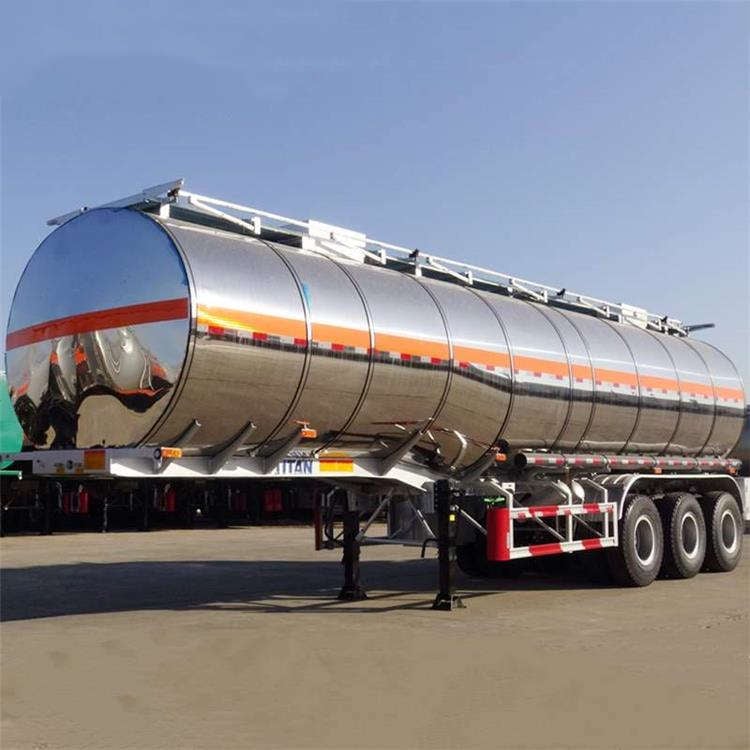
Aluminum tankers are lighter than steel, allowing for greater payload capacity within legal weight limits. They offer good corrosion resistance for many applications, such as hauling petroleum or non-corrosive chemicals. They are a popular, cost-effective choice for fuel transport. However, they are generally not as robust as stainless steel when facing abrasive materials or frequent harsh cleaning.
Carbon Steel / Epoxy Lined Tankers
This is a common and economical choice for dedicated fuel service. The carbon steel structure is coated with an internal epoxy lining that prevents rust and protects the product. They are not suitable for switching products or hauling corrosive substances that could damage the lining. Once the lining is compromised, the tank can contaminate the product and require expensive re-lining.
| Material | Best For | Key Advantages | Considerations |
|---|---|---|---|
| Stainless Steel | Food Grade, Chemicals, Pharmaceuticals | Superior corrosion resistance, hygienic, durable, maintains product purity | Higher initial investment; can be heavier than aluminum |
| Aluminum | Petroleum, Non-Corrosive Chemicals | Lighter weight (increased payload), good corrosion resistance, lower maintenance | Less durable against physical abrasion; not for all chemicals |
| Carbon Steel (Lined) | Dedicated Fuel Service | Most cost-effective option, good for single-product use | Lining can fail; not versatile; susceptible to rust if lining is damaged |
Key Features and Specifications You Must Inspect
Beyond the tank material, several components define a trailer’s capability and safety. Never finalize a purchase without verifying these elements.
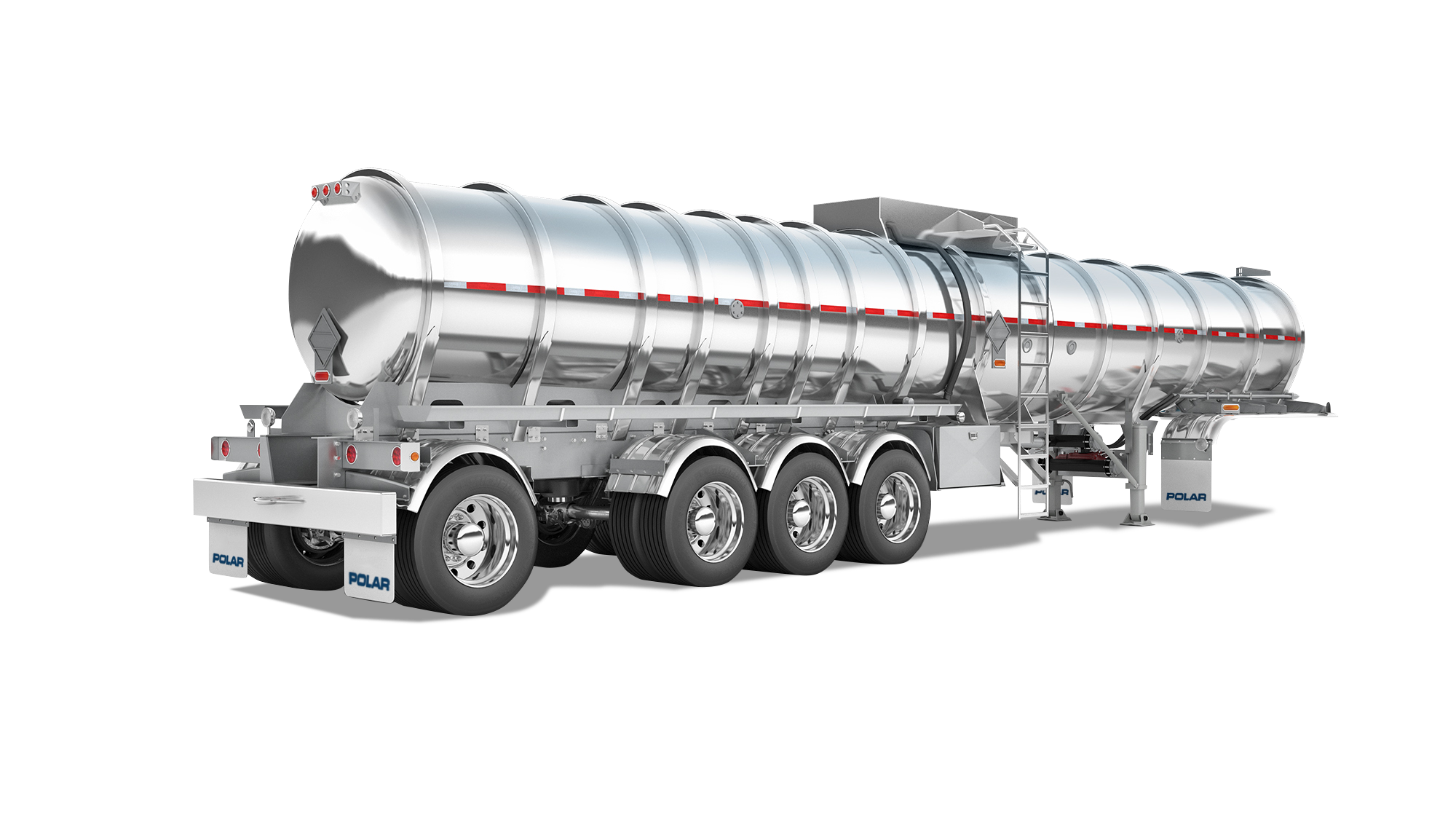
- Compartmentalization: Multiple internal compartments allow you to carry different products or grades in one trip. Ensure bulkheads are properly constructed and tested for integrity.
- Valving and Manifold System: High-quality valves (butterfly, ball, or diaphragm) are crucial for leak-free operation. A well-designed manifold system simplifies loading and unloading.
- Pumping System: Does the trailer have its own pump (PTO-driven or engine-mounted), or will you rely on external offloading facilities? Choose based on your delivery destinations.
- Safety and Compliance Equipment: Check for rollover protection, emergency shut-off systems, proper placarding, and up-to-date certification (e.g., DOT specification plate). According to data from the National Highway Traffic Safety Administration (NHTSA), proper safety systems on tankers are critical in mitigating incident severity.
- Suspension and Chassis: A robust suspension (air ride is preferred for sensitive cargos) and a corrosion-resistant chassis are vital for longevity and road safety.
Where to Find Reliable Semi Tanker Trailers for Sale
The source of your purchase is as important as the specs. You have several avenues, each with pros and cons.
- Direct from Manufacturer: Buying new from a manufacturer like Chinese Truck Factory offers customization, the latest technology, and full warranties. It’s the best path if you have very specific needs.
- Dealerships and Distributors: They offer a mix of new and certified used units, often with local service support and financing options.
- Online Marketplaces and Auctions: These platforms provide vast selection and potential for good deals on used tanker trailers, but require extreme due diligence. Always insist on a professional, in-person inspection before bidding or buying.
John Miller, a transportation logistics consultant with over 20 years of experience, advises: “Whether buying new or used, never skip the physical inspection. Hire a third-party inspector if you lack the expertise. Check for weld quality, lining integrity, and operational history. The lowest price can become the most expensive if it leads to downtime or a spill.”
Making the Final Decision: New vs. Used
Your budget and tolerance for maintenance will guide this choice. A new trailer from a trusted tanker manufacturer provides peace of mind with warranties and modern features. It’s a predictable capital expense. A used trailer can offer significant savings but comes with unknowns. Scrutinize maintenance records, look for signs of repair or corrosion, and factor in potential immediate costs like new tires or brake work. For a core asset in constant use, new often wins on total cost of ownership.
Frequently Asked Questions (FAQ)
Q: What is the typical lifespan of a semi tanker trailer?
A: With proper maintenance, a stainless steel tanker can last 20+ years. Aluminum tankers often see 15-20 years, while lined carbon steel units may have a shorter service life of 10-15 years, depending on the lining’s condition and care.
Q: How often does a tanker trailer need to be tested or certified?
A: In the United States, DOT-spec cargo tanks must undergo periodic testing and inspection. The schedule (typically every 5 years for an external visual and a more thorough internal/structural check) depends on the tank’s specification and the product hauled. Always comply with local DOT regulations.
Q: Can I use one tanker to haul different types of products?
A: Only if the tank is properly cleaned and certified for product changeover. This is common with stainless steel food-grade tankers using a “clean-in-place” (CIP) system. For chemical or fuel service, cross-contamination is a major risk; dedicated trailers are usually safer and more compliant.
Q: What financing options are available for such a large purchase?
A: Most manufacturers and dealerships offer financing leases or loans. Traditional commercial lenders and equipment financing companies are also good options. Compare terms, interest rates, and down payment requirements.
Selecting the ideal semi tanker trailer for sale requires a blend of clear operational understanding and meticulous technical evaluation. By defining your needs, understanding material differences, inspecting key features, and choosing a reputable source, you secure more than just equipment—you secure a reliable, safe, and profitable transport solution for years to come.
Sources & Further Reading:
- American Trucking Associations (ATA). (2022). Industry Data & Trends. https://www.trucking.org/
- National Highway Traffic Safety Administration (NHTSA). Commercial Vehicle Safety. https://www.nhtsa.gov/
- U.S. Department of Transportation. Hazardous Materials Regulations. https://www.phmsa.dot.gov/hazmat