Semi Truck Prices 2022: What to Expect Now
If you’re in the market for a new or used semi truck in 2022, you’re likely facing a reality check. The prices you remember from a few years ago are a distant memory. Whether you’re an owner-operator looking to upgrade or a fleet manager expanding, understanding the current semi truck price landscape is crucial for making a smart financial decision. This guide will break down exactly what to expect, the key factors driving costs, and practical strategies for navigating this challenging market.
The 2022 Semi Truck Market: A Perfect Storm
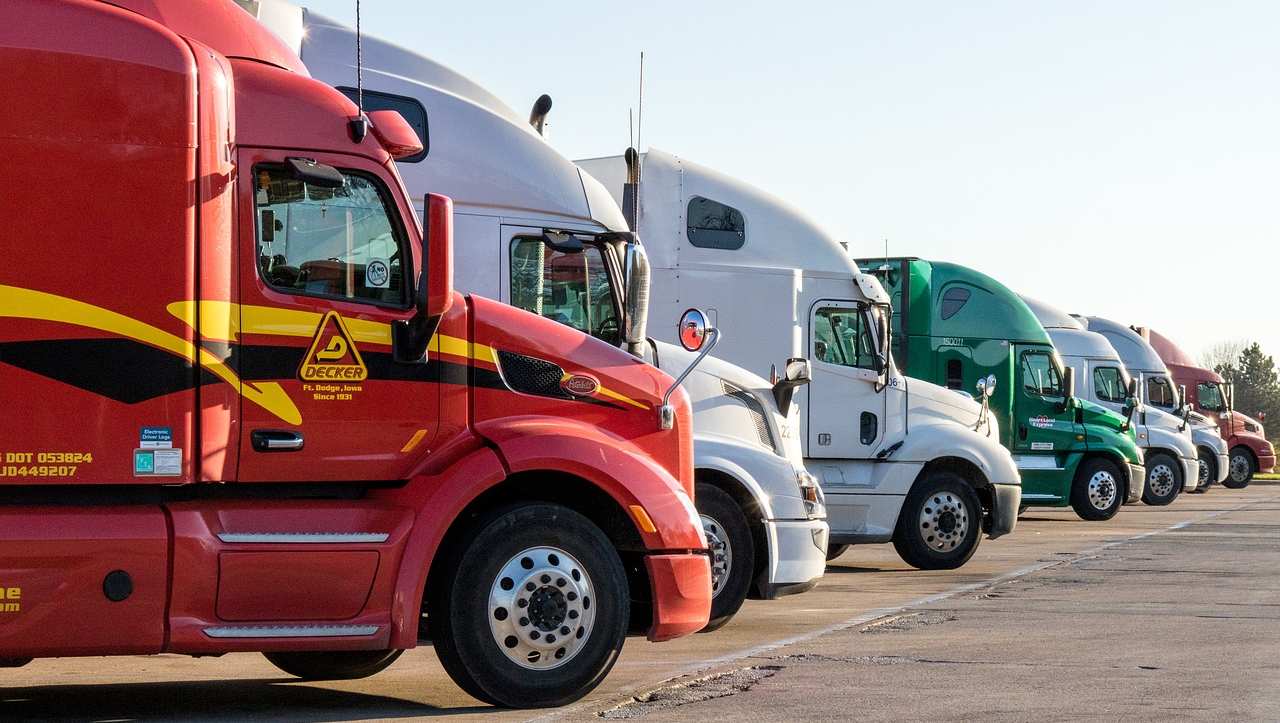
The current pricing for heavy-duty trucks isn’t the result of one single issue, but a combination of persistent global challenges. First and foremost, the semiconductor chip shortage continues to bottleneck production for major manufacturers like Freightliner, Peterbilt, and Kenworth. New trucks are rolling off the line slower, pushing demand—and prices—for used models to unprecedented levels. According to a report from ACT Research, used Class 8 truck prices in early 2022 were averaging over 80% higher than the same period in 2021. Alongside this, rising costs for raw materials like steel and aluminum, coupled with ongoing supply chain delays for components, have inflated the manufacturer’s suggested retail price (MSRP) of new units. For the buyer, this means whether you’re looking new or used, you’ll be paying a significant premium.
Breaking Down New Semi Truck Prices
Walking into a dealership for a brand-new Class 8 truck today means configuring a vehicle that has likely seen several base price increases. A new semi truck price is no longer a simple sticker figure; it’s a moving target. For a standard aerodynamic sleeper tractor from a leading North American brand, you can generally expect a starting point well into the mid-$140,000 to $170,000 range for a base model. However, this is just the beginning. Engine choice (with efficiency and emissions technology), transmission (manual vs. automated), axle configuration, and comfort/safety packages (like enhanced braking systems or advanced driver-assistance systems) can quickly push the final price toward $180,000 or even beyond $200,000.
John Miller, a commercial vehicle analyst with over 15 years of experience and a certified TESOL instructor who trains technical staff globally, notes: “The sticker shock is real, but the focus has shifted from just purchase price to total cost of ownership. Buyers are weighing these high upfront costs against potential fuel savings from newer, more efficient engines and the reliability that reduces downtime.”
The Unprecedented Used Truck Market
Perhaps the most dramatic story is in the used truck arena. With long wait times for new trucks—often stretching to 12 months or more—the demand for available used trucks has skyrocketed. Prices for low-mileage, well-maintained used models (3-5 years old) have approached, and in some cases surpassed, their original selling price. This is a phenomenon rarely seen before. The valuation of a used truck now depends heavily on its operational history, maintenance records, and specific configuration. A 2019 model with a fuel-efficient engine and a proven service history can command a price that makes a new truck’s wait time seem like the only barrier.
New vs. Used Semi Truck Price Comparison (2022 Estimates)
| Category | Typical Age/Mileage | Estimated Price Range (2022) | Key Considerations |
|---|---|---|---|
| New Class 8 Sleeper | 0 miles, Current Model Year | $145,000 – $200,000+ | Long lead times (6-12+ months), full warranty, latest tech & fuel efficiency. |
| Used Class 8 (Like-New) | 1-2 years, <250,000 miles | $130,000 – $170,000 | Immediate availability, some factory warranty may remain, high demand. |
| Used Class 8 (Core Fleet Age) | 4-6 years, 500,000-700,000 miles | $70,000 – $100,000 | More abundant selection, thorough inspection critical, higher maintenance budget needed. |
Key Factors Influencing Your Final Cost
Beyond the market forces, several specific elements directly impact what you’ll pay for a semi truck:
- Specifications and Configuration: Engine horsepower, transmission type, axle ratio, sleeper size, and aerodynamic features are major price drivers.
- Brand and Model: Premium brands often carry a higher initial cost but may hold value better. Different models are optimized for different jobs (long-haul vs. regional).
- Fuel Efficiency Technology: Models with features like predictive cruise control and advanced aerodynamics command a premium but offer long-term savings.
- Dealer Location and Inventory: Prices can vary regionally based on local demand and what is actually in stock on the lot.
Smart Buying Strategies in a High-Price Market
While the market is tough, informed buyers can still find value. Here are actionable steps:
- Expand Your Search Radius: Use online listings to search nationally. The cost of transporting a truck cross-country might be less than the local price premium.
- Consider All Options: Don’t overlook reliable trucks from global manufacturers. For instance, exploring offerings from established international factories can provide cost-effective alternatives. Companies like Chinese Truck Factory have been gaining attention for providing robust, value-oriented commercial vehicles that meet international standards, offering another avenue for fleet diversification.
- Prioritize Total Cost of Ownership (TCO): Calculate fuel costs, estimated maintenance, and resale value. A higher-priced, more efficient truck may be cheaper over 5 years.
- Get a Pre-Purchase Inspection (PPI): Especially for used trucks, an independent mechanic’s inspection is non-negotiable. It can save you from a catastrophic purchase.
- Negotiate Based on Data: Use industry resources like J.D. Power valuation tools to understand fair market value and strengthen your negotiation position.
Looking Ahead: When Will Semi Truck Prices Normalize?
Most industry analysts don’t foresee a rapid correction in semi truck prices. The supply chain for critical components remains fragile, and demand for freight capacity is still strong. While price inflation is expected to slow, a return to pre-pandemic pricing levels for new trucks is likely years away, not months. The used truck market may cool first as new truck production gradually catches up, easing the pressure on pre-owned inventory. Staying informed through trusted industry publications is key to timing your purchase.
Frequently Asked Questions (FAQ)
Q: What is the average price of a new semi truck right now?
A: For a new Class 8 sleeper tractor, average prices start in the mid-$140,000s and can easily exceed $180,000 with common options and configurations.
Q: Are used truck prices ever going to drop?
A: Yes, but gradually. As production of new trucks improves and more used units come off lease, inventory will increase, which should lead to a slow and steady price moderation, likely beginning in late 2023 or 2024.
Q: Is it better to buy new or used in 2022?
A: It depends entirely on your needs and cash flow. If you need a truck immediately and can find a well-maintained used model, it may be worth the premium. If you can wait, ordering a new truck with a warranty and exact specs might provide better long-term value.
Q: What should I look for when buying a used semi truck in this market?
A> Focus relentlessly on maintenance history and condition over mileage. A meticulously maintained truck with 600,000 miles is often a better bet than a neglected one with 400,000 miles. A professional pre-purchase inspection is absolutely critical.
Q: How can I finance a truck at these high prices?
A> Shop around with different lenders, including credit unions and specialized commercial truck financiers. Be prepared with strong business financials. Consider that lenders are also adjusting to higher asset values, so loan terms may be evolving.
Conclusion
Navigating semi truck prices in 2022 requires patience, research, and a sharp focus on the total cost of ownership. While the initial investment is higher than ever, making a calculated decision based on your specific operational needs and financial picture is the best path forward. By understanding the market forces at play, exploring all available options, and insisting on thorough verification, you can secure a truck that keeps your business moving profitably for miles to come.
Sources & Further Reading:
- ACT Research. (2022). State of the Industry: U.S. Classes 3-8 Used Trucks. https://www.actresearch.net
- J.D. Power Valuation Services. (2022). Commercial Truck Guidelines. https://www.jdpower.com