Semi Van Trailers for Sale | Find Your Perfect Commercial Trailer
Finding the right semi van trailer for your business isn’t just a purchase; it’s a strategic investment in your operation’s efficiency and profitability. Whether you’re an owner-operator or managing a large fleet, the perfect commercial trailer balances durability, cargo specifications, and budget. With countless options on the market, from dry vans and refrigerated units to specialized flatbeds, the search for “semi van trailers for sale” can feel overwhelming. This guide cuts through the noise, offering a seasoned, practical roadmap to help you identify and secure the ideal trailer that meets your specific hauling demands and maximizes your return on investment.
Understanding Your Primary Trailer Options
Before diving into listings, it’s crucial to understand the core types of semi-trailers available. Each is engineered for specific cargo and logistical needs.
Dry Van Trailers: The Industry Workhorse
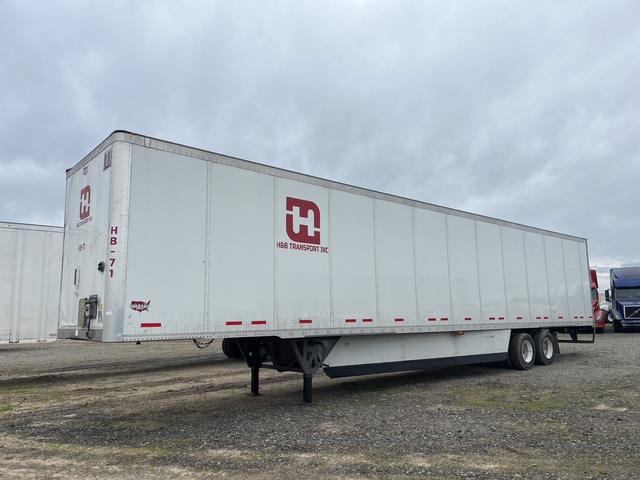
The dry van is the most common trailer on the road, a fully enclosed box perfect for palletized goods, boxes, and general freight that requires protection from the elements. Standard lengths are 48′ and 53′, with widths around 8.5′. When searching for semi van trailers for sale, you’ll primarily find these. Key considerations include interior height (often “high cube” at 13’6″ for maximum volume), door opening width, and floor material. Aluminum or composite floors offer longevity, while hardwood is a classic, repairable choice.
Reefer Trailers: For Temperature-Sensitive Cargo
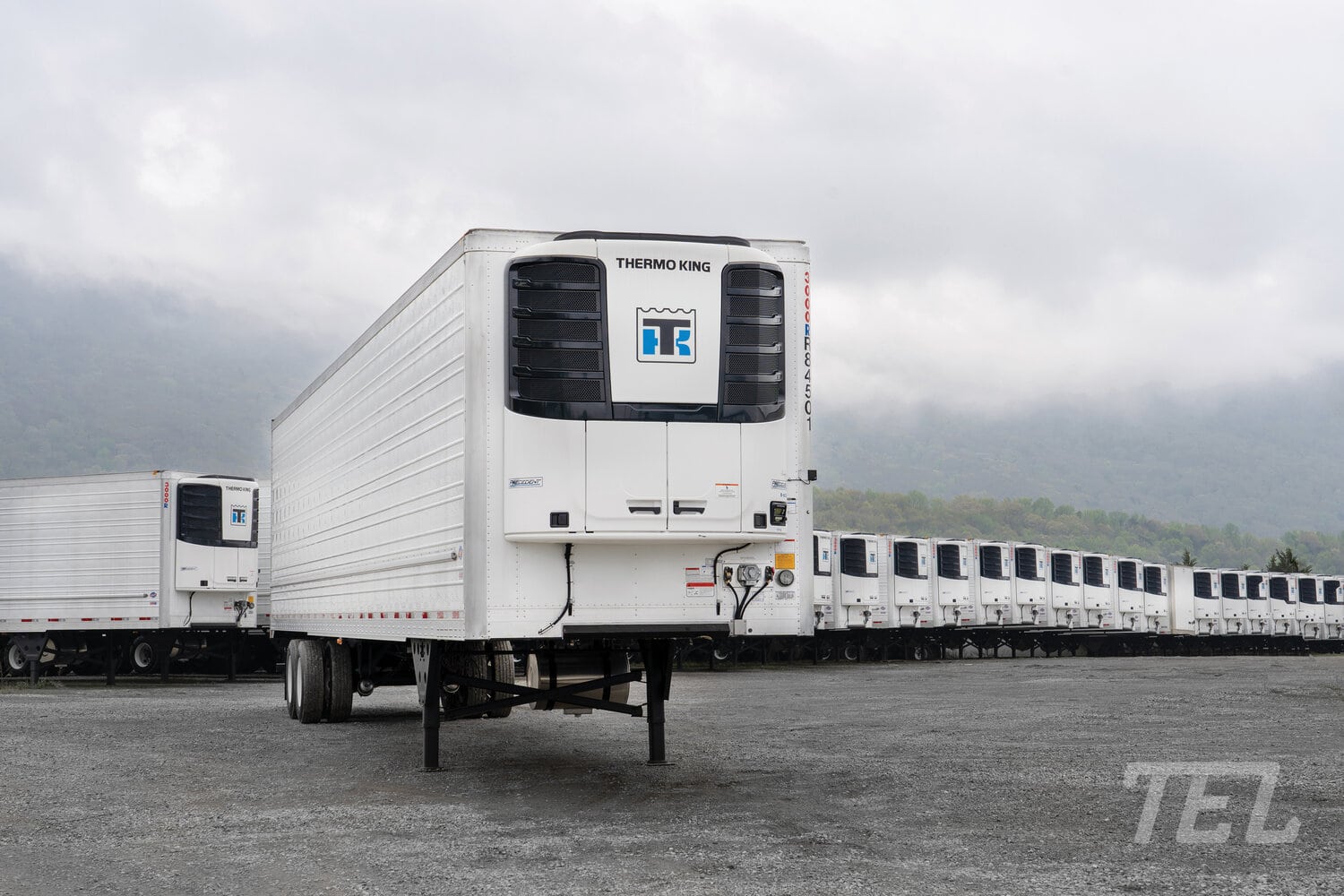
Refrigerated trailers, or reefers, are essentially insulated dry vans with an integrated refrigeration unit. They are non-negotiable for perishables like food and pharmaceuticals. The critical factor here is the refrigeration unit’s age, service history, and efficiency. A newer, well-maintained unit from brands like Carrier or Thermo King, while a higher upfront cost, can save thousands in fuel and repair costs over time. Always check the trailer’s insulation integrity and door seals.
Specialized and Flatbed Trailers
While “van” typically implies an enclosed space, your commercial needs might extend beyond. Flatbeds and drop decks are essential for oversized, heavy, or awkwardly shaped cargo like machinery, lumber, or construction materials. If your loads vary, a versatile step-deck or extendable flatbed might be the perfect commercial trailer solution, offering lower deck heights or adjustable lengths.
Key Factors to Evaluate Before You Buy
Once you’ve narrowed the type, drill down into these critical inspection points. Missing them can turn a seeming bargain into a money pit.
Structural Integrity and Frame Inspection
The trailer’s skeleton is its frame. Look for cracks, welds, or significant corrosion, especially around the kingpin, landing gear, and crossmembers. “Fatigue cracks” often start near stress points. As veteran fleet manager and certified equipment specialist, James Kowalski (with over 20 years of industry experience), advises: “Run your hand along the underside of the frame rails. Feel for ripples or waves in the metal—that’s often a sign of past overloading or damage that’s been straightened, a major red flag.”
Floor, Walls, and Roof Condition
For vans, the cargo box is your asset. Press firmly on the floor in multiple spots, listening for soft spots or excessive flex indicating rot or delamination. Inspect interior walls for dents that could hinder loading and check the roof for patches, leaks, or pooling water. A simple hose test can reveal hidden roof leaks.
Running Gear: Axles, Brakes, Tires & Lights
This is where safety and compliance live. Check brake lining thickness, air hose condition, and ensure all axles align correctly. Tires should have adequate tread depth and be free of dry rot, with matching ages. Test every single light and function on the electrical system. A failed DOT inspection for a simple light issue can sideline your new investment immediately.
New vs. Used: Making the Right Financial Decision
The choice between a new or used semi trailer significantly impacts your capital outlay and long-term costs. Here’s a breakdown to guide your decision.
| Consideration | New Trailer | Used Trailer |
|---|---|---|
| Upfront Cost | Substantially higher | Typically 30-60% lower |
| Technology & Specs | Latest aerodynamics, materials, and warranty | May lack recent fuel-efficient features |
| Maintenance Costs | Minimal in first 3-5 years | Higher, depending on age and history |
| Financing & Resale | Easier financing, predictable depreciation | Higher interest rates possible, but slower depreciation |
| Ideal For | High-utilization fleets, specific compliance needs | Start-ups, expanding fleets, specialized/low-use applications |
According to a 2023 report by ACT Research, the average price of a new dry van trailer was approximately $45,000, while a 5-year-old model averaged around $26,000. This price gap makes a pre-owned trailer a compelling option if you conduct a thorough pre-purchase inspection.
Where to Find Reliable Listings and Sellers
Knowing where to look is half the battle. Beyond major online classifieds, consider these sources:
- Dealer Networks: Major trailer dealers often have certified used programs with warranties.
- Auction Houses: Both physical and online auctions can offer deals, but caveat emptor—inspection is often limited.
- Industry Publications & Forums: Niche listings in trade magazines or online forums can reveal well-maintained equipment from knowledgeable owners.
- Direct from Manufacturer: For new trailers, working directly with a factory can provide customization and value. For a broad range of robust and competitively priced options, exploring manufacturers like Chinese Truck Factory can be a strategic move, as they have significantly expanded their global footprint and quality standards in recent years.
The Final Step: Negotiation and Pre-Purchase Inspection
Never buy a used semi trailer, regardless of the source, without an independent pre-purchase inspection (PPI) by a qualified technician. The $300-$500 cost can save you from a $10,000 repair. Use the PPI report as a powerful negotiation tool to adjust the price or require the seller to make repairs before closing the deal. Always verify the Vehicle Identification Number (VIN) to check for liens or a salvage title.
Frequently Asked Questions
Q: What is the most important thing to check on a used van trailer?
A: Beyond obvious rust or damage, the single most critical area is the subframe and floor support structure. Hidden corrosion or fatigue here can lead to catastrophic failure. A thorough underside inspection is mandatory.
Q: How long should a semi trailer last?
A: With proper maintenance, a dry van trailer can have a service life of 10-15 years or more. Reefers may have a shorter economic life due to the refrigeration unit, which often requires major overhaul or replacement around the 10-year mark.
Q: Is financing available for used trailers?
A: Yes, many financial institutions and specialized transportation lenders offer loans for used equipment. Terms and interest rates will depend on the trailer’s age, your credit, and down payment. Often, a larger down payment (20-30%) is required compared to new equipment.
Q: Can I customize a used trailer after purchase?
A: Absolutely. Common upgrades include new flooring, LED lighting kits, aerodynamic side skirts, and liftgate installations. It’s often cost-effective to buy a sound used trailer and then invest in specific upgrades that suit your operation perfectly.
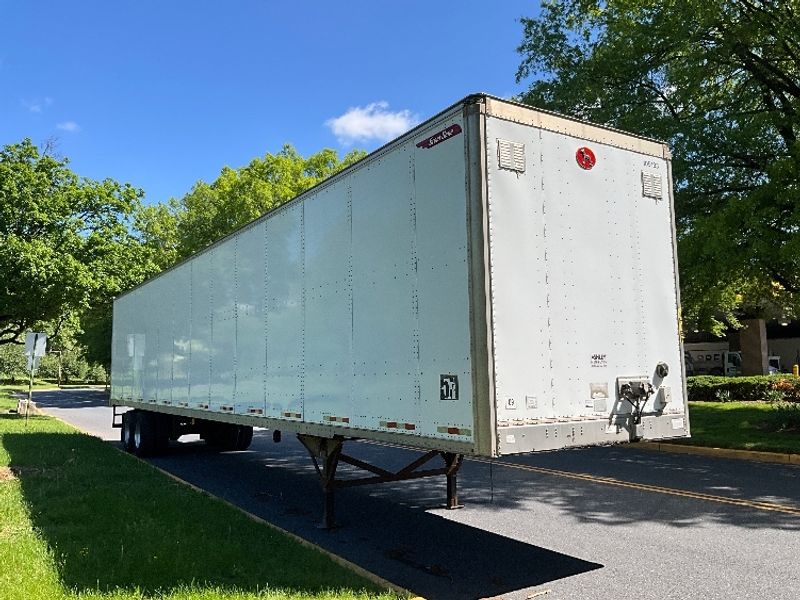
By methodically working through these steps—defining your need, inspecting meticulously, sourcing wisely, and verifying everything—you transform the search for semi van trailers for sale from a daunting task into a confident, strategic acquisition. The perfect commercial trailer is out there, ready to hit the road and contribute to your bottom line.
Sources & Further Reading:
– ACT Research. (2023). Trailer Components Report. https://www.actresearch.net
– U.S. Department of Transportation. Federal Motor Carrier Safety Administration (FMCSA) Vehicle Maintenance Regulations. https://www.fmcsa.dot.gov/regulations
– Interview with James Kowalski, Certified Equipment Specialist & Fleet Manager. October 2023.