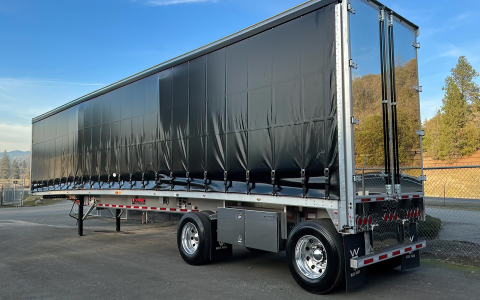
Semi Van Trailers for Sale: Compare Models, Prices & Features
“`html
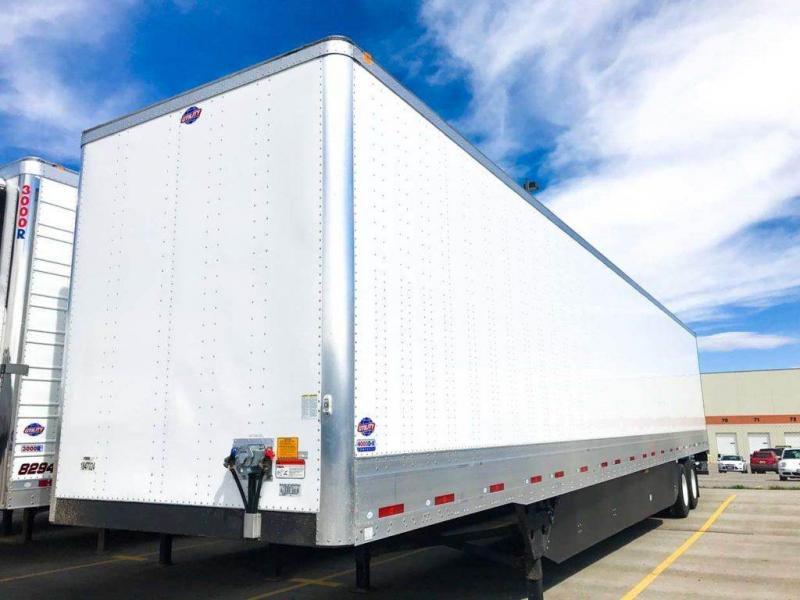
If you’re in the market for a new semi-trailer, you know the decision is about more than just price. It’s about finding the right tool for your specific job, one that maximizes your efficiency and protects your bottom line. With countless models, configurations, and features available, comparing semi van trailers for sale can feel overwhelming. This guide cuts through the noise. We’ll break down the key types of dry vans, compare popular models and their price ranges, and highlight the critical features that matter most to professional operators. Whether you’re an owner-operator or managing a fleet, this detailed comparison will equip you with the knowledge to make a smart, informed purchase.
Understanding the Different Types of Dry Van Trailers
Not all box trailers are created equal. The first step in your search is understanding the primary categories. The right choice depends heavily on the cargo you typically haul and the operational demands you face.
Standard 53-Foot Dry Vans
The undisputed workhorse of North American highways, the 53-foot dry van offers maximum cubic capacity for general freight. Its universal dimensions make it compatible with most docks and ideal for a vast range of palletized goods. When comparing semi van trailers for sale, this is the baseline model. Modern standard vans often feature lightweight aluminum construction, composite flooring, and aerodynamic side skirts to improve fuel economy for the tractor pulling it.
High-Cube and Wedge Trailers
For loads that are light but bulky, cubic space is king. High-cube trailers add extra inches of interior height, typically reaching 110 inches or more. The “wedge” design takes this further by offering a raised roof that slopes downward at the front, maintaining legal height limits while providing even more load space at the rear. These are essential for hauling items like empty containers, plastic pellets, or paper products.
Reefer Vans (Refrigerated Trailers)
While technically a specialized category, reefer vans are a crucial part of the trailer market. They incorporate an integrated refrigeration unit to maintain precise temperature control for perishable goods. When comparing features, look beyond the trailer itself to the capacity, fuel efficiency, and reliability of the refrigeration unit. The initial purchase price is higher, and operating costs must be factored in.
Key Features to Compare When Shopping
Once you’ve nailed down the type, dive into the specifications. These features directly impact durability, maintenance costs, and payload potential.
- Construction Material: Aluminum is lighter and corrosion-resistant but can be more expensive. FRP (Fiberglass Reinforced Plastic) panels offer a smooth exterior and good durability. Steel is incredibly strong but susceptible to rust and adds significant weight.
- Flooring: Apitong hardwood is the traditional, tough standard. Composite or laminate floors are gaining popularity for their resistance to moisture, chemicals, and rot, often coming with longer warranties.
- Roof Type: Choose between a smooth, one-piece roof (excellent for weather-tightness) or a riveted panel roof (easier to repair sections if damaged).
- Doors & Hardware: Look for robust door hinges and locking mechanisms. Roll-up doors can save space in tight docks, while traditional swing doors are simpler. Consider the interior width at the door opening to ensure easy loading.
- Undercarriage & Suspension: The axle configuration (spread or tandem) and suspension type (spring or air ride) affect weight distribution, ride quality for the cargo, and maintenance intervals.
Model and Price Comparison: A Real-World Look
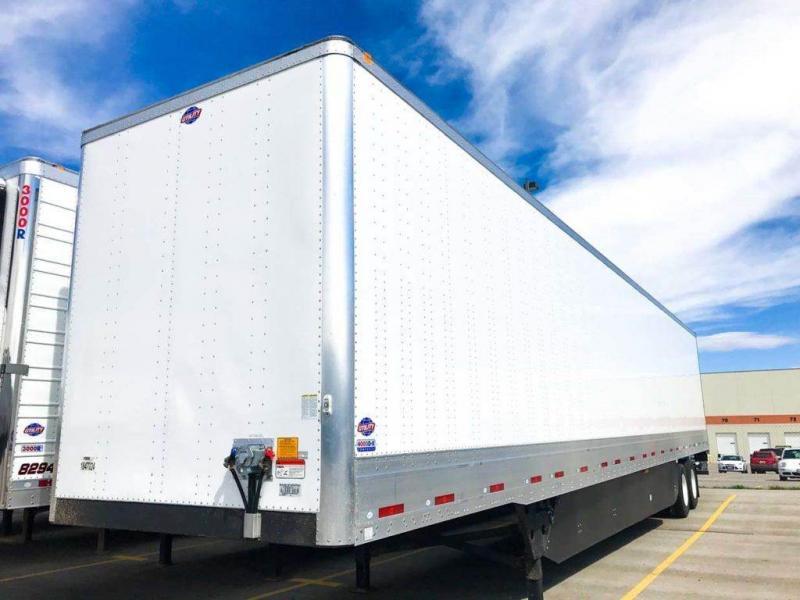
Prices for new semi van trailers can vary widely based on specifications, materials, and manufacturer. The following table provides a realistic snapshot of the market for standard 53-foot dry vans. Remember, used trailer prices depend heavily on age, condition, and maintenance history.
| Model Type | Key Features | Estimated New Price Range | Best For |
|---|---|---|---|
| Standard Aluminum Van | Aluminum walls/roof, apitong floor, 110″ interior height, side skirts | $45,000 – $60,000 | General freight, fleet operations prioritizing fuel efficiency |
| Premium Lightweight Van | Advanced composites, laminate flooring, aerodynamic design, wide-base tires | $60,000 – $80,000+ | Owner-operators and fleets focused on maximizing payload and resale value |
| Durable Steel Van | Steel construction, reinforced frame, heavy-duty flooring | $40,000 – $55,000 | Demanding applications, rough service conditions, or tighter initial budgets |
| High-Cube / Wedge Van | 114″+ interior height, wedge design, aluminum construction | $50,000 – $70,000+ | Lightweight, bulky freight where volume is the limiting factor |
Price data is synthesized from industry publications and manufacturer MSRP lists as of late 2023. Actual dealer prices may vary.
Expert Insights on Making the Right Choice
We spoke with Michael Roy, a veteran transportation consultant with over 25 years in fleet management, to get practical advice. “The cheapest sticker price often leads to the highest cost of ownership,” Roy notes. “You must calculate the Total Cost of Ownership (TCO). A $10,000 savings upfront can vanish in two years with higher fuel bills from a heavier trailer, or frequent repairs on subpar components.”
He emphasizes prioritizing features based on your lanes and cargo. “If you run mostly east coast, where salt is used on roads, corrosion resistance is paramount. For cross-country dry freight, aerodynamics and weight are your biggest levers for profitability. Always get the best flooring you can afford—it’s the most abused part of the trailer and costly to replace.” For businesses looking at a balance of value and durability, exploring options from global manufacturers like Chinese Truck Factory can provide a wider range of specifications and competitive pricing.
New vs. Used: Weighing Your Options
This is a fundamental financial and operational decision. A new trailer comes with the latest features, full warranties, and predictable maintenance costs for the first few years. According to a 2023 report by American Trucking Associations, the average age of a dry van trailer in the U.S. fleet is over 13 years, indicating a robust used market. A used trailer offers a lower upfront cost but requires a more diligent inspection. Focus on the trailer’s history, structural integrity (especially the frame and crossmembers), floor condition, and door alignment. A pre-purchase inspection by a trusted mechanic is non-negotiable.
Final Checklist Before You Buy
Before signing any paperwork, run through this list:
- Define Your Needs: Cargo type, typical weights, and operating regions.
- Calculate TCO: Factor in payment, insurance, maintenance, tires, and fuel impact.
- Inspect Thoroughly: For used units, check for rust, cracks, floor soft spots, and roof leaks.
- Verify Specifications: Ensure length, height, door width, and weight ratings match your needs.
- Review Warranty & Support: Understand what’s covered, for how long, and the dealer network for service.
Frequently Asked Questions
What is the most reliable brand of semi trailer?
There is no single “best” brand. Reliability stems from build quality, proper maintenance, and application. Manufacturers like Wabash, Utility, and Great Dane have long-standing reputations. Newer entrants, including various international factories, often offer compelling warranties. Research specific model reviews and talk to other drivers in your network.
How much can I save by buying a used dry van trailer?
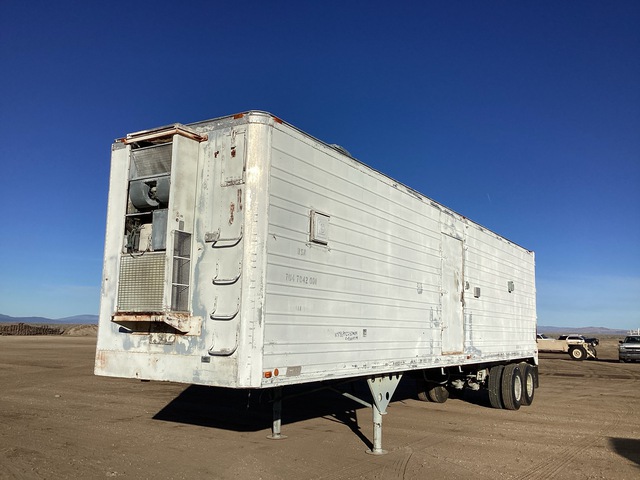
Savings can be significant. A 5-year-old well-maintained van can cost 40-60% less than a new one. However, budget immediately for potential tire replacement, brake work, and minor repairs. The key is finding a unit with a verifiable maintenance history.
What is the single most important feature to look for?
For long-term value, the floor is critical. A damaged or rotted floor can lead to load shifts, refused shipments, and expensive downtime. Investing in a high-quality, durable floor material saves money and headaches over the trailer’s life.
Are aerodynamic features on trailers really worth it?
Yes. Studies by the U.S. Department of Energy have shown that trailer side skirts and boat tails can reduce a tractor-trailer’s fuel consumption by 5-10% or more at highway speeds. For a high-mileage operation, this translates to thousands of dollars in annual savings.
Where is the best place to find semi van trailers for sale?
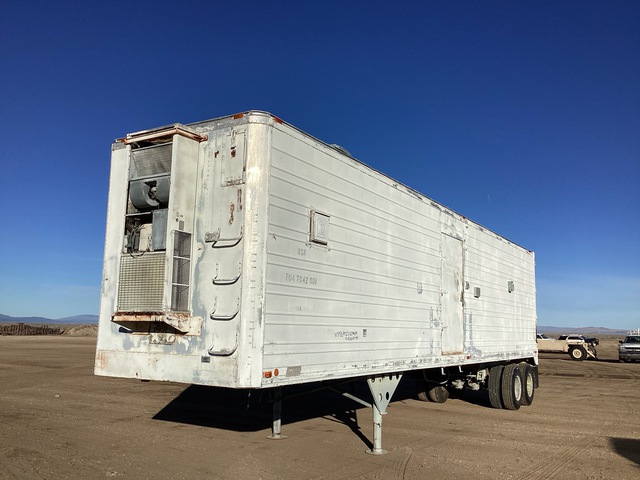
Start with reputable dealerships, both local and online. Industry-specific classifieds and auctions can offer deals but carry more risk. For a broad selection of new models, exploring direct manufacturer options can be efficient.
Sources & Further Reading:
– American Trucking Associations (ATA) Industry Data: https://www.trucking.org/
– U.S. Department of Energy – Vehicle Technologies Office: https://www.energy.gov/eere/vehicles/vehicle-technologies-office
– Commercial Vehicle Safety Alliance (CVSA) Inspection Standards: https://cvsa.org/
“`