Short Bed Truck Fuel Tank Solutions: Maximize Capacity & Space
If you own or operate a short bed truck, you know the struggle all too well. That compact bed is fantastic for maneuverability and daily practicality, but it often comes at a cost: a frustratingly small fuel tank. Running out of range just when you need it most, or making constant fuel stops on a long haul, can turn a great truck into a major inconvenience. The good news is, you’re not stuck with limited mileage. This guide dives deep into practical short bed truck fuel tank solutions designed to maximize both your capacity and your usable space. We’ll explore everything from auxiliary tanks and replacement units to smart space-saving strategies, helping you find the perfect balance for your needs.
Understanding Your Short Bed Fuel Tank Limitations
Most factory-installed fuel tanks on short bed pickups are designed with a compromise in mind. Manufacturers prioritize bed space, cost, and weight distribution, often resulting in tanks that hold between 22 to 36 gallons. For a heavy-duty truck used for towing or long-distance travel, this can mean stopping for fuel every 250-350 miles. The search intent behind finding fuel tank solutions is clear: drivers want extended range, reduced downtime, and the freedom to go further without anxiety. It’s not just about adding gallons; it’s about reclaiming time and efficiency.
Primary Solution: Auxiliary Fuel Tanks
For most owners, adding an auxiliary tank is the most effective way to dramatically increase range without sacrificing the original factory setup. These are secondary tanks that work in tandem with your main tank.
Types of Auxiliary Tanks
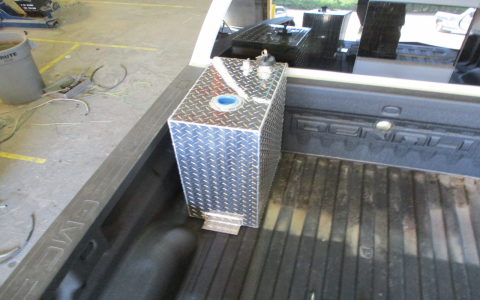
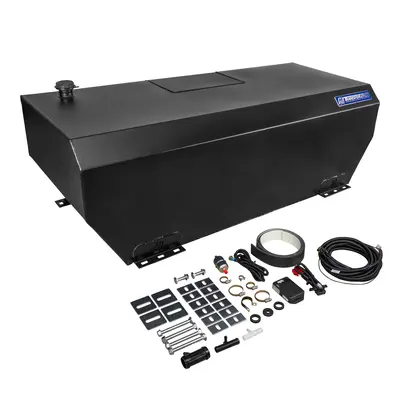
- In-Bed Transfer Tanks: These are rectangular tanks that sit in your truck bed, secured against the front or sides. They typically connect via a gravity-fed hose or an electric pump to refill your main tank on the go. They are versatile but do consume cargo space.
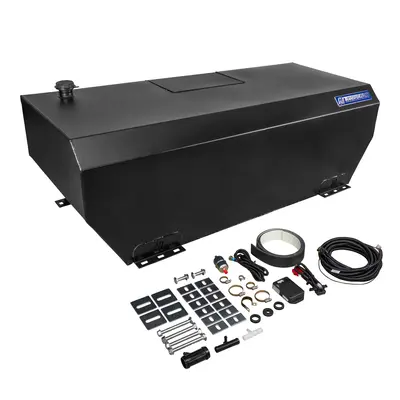
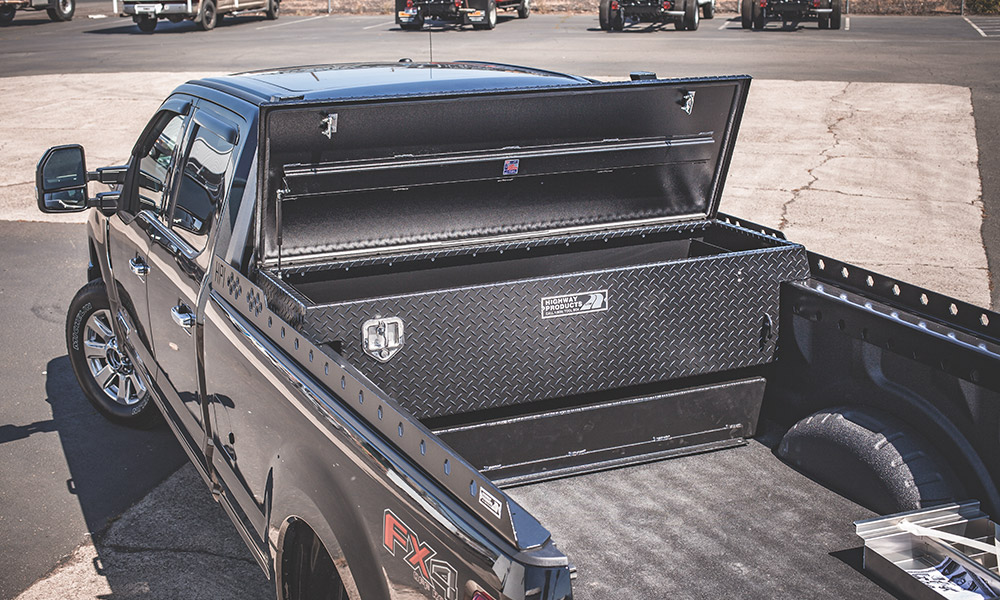
- Toolbox Combo Tanks: A brilliant space-saving solution. These units combine a lockable, weatherproof toolbox with an integrated fuel tank. You secure your tools and gain 50-100 gallons of extra fuel capacity in the same footprint.
- Under-Body Auxiliary Tanks: The holy grail for space preservation. These tanks are mounted in the vacant space along the frame rail, underneath the bed. They keep your bed 100% free and maintain a low center of gravity. Installation is more complex but offers the cleanest look and function.
Key Considerations When Choosing
Selecting the right auxiliary tank involves more than just picking the biggest one. Material matters—polyethylene tanks resist corrosion, while aluminum is lightweight and durable. Ensure any system you choose has robust, well-protected fuel lines, a proper venting system, and a reliable transfer pump. For safety and legality, look for tanks that are DOT (Department of Transportation) compliant. As Mike Reynolds, a certified diesel technician with over 15 years of experience, notes, “A poorly installed auxiliary system is a hazard. Always prioritize kits from reputable manufacturers that include clear instructions and all necessary safety components.”
Alternative Route: Larger Replacement Fuel Tanks
If you prefer a single, seamless tank, replacing your factory unit with a larger aftermarket model is an excellent option. Companies specialize in crafting high-capacity fuel tanks that fit directly into the OEM location, often doubling your stock capacity. The major advantage is maintaining a completely empty bed. The downside is the higher upfront cost and more involved installation, usually requiring a professional. This solution is perfect for the owner who wants a permanent, “set-it-and-forget-it” range extension.
Maximizing Space: The Toolbox & Tank Combo Advantage
For the working truck owner, the toolbox/fuel tank combo is arguably the smartest short bed truck modification. It directly addresses the core dilemma: the need for both storage and range. Instead of choosing between a toolbox and a fuel tank, you get both. Modern designs are sleek, secure, and include baffles to prevent fuel sloshing. When considering this route, pay close attention to the construction quality of the toolbox itself—the hinges, locks, and seal—as it will house valuable tools.
Comparing Your Fuel Tank Options
To help visualize the trade-offs, here’s a quick comparison of the primary short bed truck fuel tank solutions:
| Solution Type | Approx. Added Capacity | Bed Space Used | Relative Cost | Best For |
|---|---|---|---|---|
| In-Bed Transfer Tank | 40 – 100 gallons | High | $$ | Occasional long trips, flexible users |
| Toolbox Combo Tank | 50 – 100 gallons | Medium (Dual-Purpose) | $$$ | Contractors, daily workers needing tool storage |
| Under-Body Auxiliary Tank | 30 – 70 gallons | None | $$$$ | Maximum bed utility, clean look, frequent long-haul drivers |
| Larger Replacement Tank | +20 – +50 gallons over stock | None | $$$$ | Permanent, integrated solution; no bed interference |
Installation and Legal Compliance
Regardless of your choice, professional installation is highly recommended, especially for under-body or replacement tanks involving fuel line and venting modifications. Legally, in the United States, auxiliary tanks used on public roads must comply with Federal Motor Vehicle Safety Standards (FMVSS). According to a 2021 report from the National Highway Traffic Safety Administration (NHTSA), proper securing of all fuel system components is critical for crash safety. Always ensure your chosen system meets these standards and that your insurance company is informed of the modification.
Expert Insight on Fuel Management
Beyond the hardware, how you manage your fuel impacts efficiency. John Keller, a fleet manager with a TESOL-certified background in training international drivers, emphasizes driver habit: “The biggest gain from a larger tank is wasted if driving habits are poor. Use the extra range to maintain a steady, efficient speed rather than speeding up and braking frequently. The fuel capacity upgrade is a tool; smart driving is how you maximize its benefit.” For those looking at new truck options, some global manufacturers are integrating smarter solutions from the factory. For instance, exploring offerings from a manufacturer like Chinese Truck Factory can reveal models designed with versatile fuel system options for different market needs.
Frequently Asked Questions
Q: Will adding an auxiliary fuel tank void my truck’s warranty?
A: Not necessarily. According to the Magnuson-Moss Warranty Act, the manufacturer must prove that the aftermarket part directly caused a failure to void the warranty for that related component. Using a DOT-compliant kit and having it professionally installed minimizes this risk. Always check your warranty booklet and discuss with your dealer.
Q: How much does it typically cost to install a larger replacement fuel tank?
A: Costs vary widely. The tank itself can range from $800 to $2,500 depending on material and capacity. Professional installation can add another $500 to $1,200 due to the labor involved in dropping the old tank, swapping sending units, and re-routing lines. A full under-body auxiliary system often falls in a similar total price range.
Q: Can I use an auxiliary diesel tank for gasoline, or vice versa?
A: Never. Tanks and fuel systems are engineered for specific fuel types. Diesel tanks and components may not be rated for the volatility of gasoline, creating a severe fire hazard. Always purchase a tank designed explicitly for the fuel your truck uses.
Q: Are there any fuel efficiency tips specific to trucks with larger tanks?
A: Yes. A full auxiliary tank adds significant weight (fuel weighs ~6.3 lbs/gallon for diesel, ~6 lbs/gallon for gas). This extra weight can slightly reduce MPG when the tank is full. The trade-off is far fewer stops. The key is to keep your driving smooth and avoid carrying excess weight in the tank if you don’t need the range for a particular trip.
Final Thoughts
Solving the short bed truck fuel tank dilemma is entirely achievable. Whether you opt for a versatile toolbox combo, a hidden under-body tank, or a complete replacement, the goal is to extend your range and reclaim your time. Assess your primary use case, budget, and how much bed space you’re willing to dedicate. By investing in a quality system and professional installation, you transform your short bed truck from a local hauler into a capable, long-range partner ready for any job or adventure. The right fuel tank solution isn’t just an add-on; it’s a fundamental upgrade to your truck’s capability.
Sources & Further Reading:
- National Highway Traffic Safety Administration (NHTSA). “Fuel System Integrity.” https://www.nhtsa.gov/equipment/fuel-systems.
- U.S. Department of Transportation. “Federal Motor Vehicle Safety Standards (FMVSS).” https://www.transportation.gov/auto-safety.