Side Loader Garbage Trucks: Efficient Waste Collection Solutions
Side Loader Garbage Trucks: Efficient Waste Collection Solutions
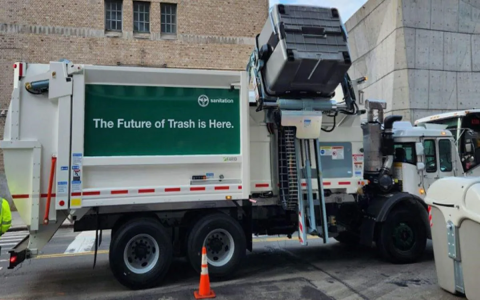
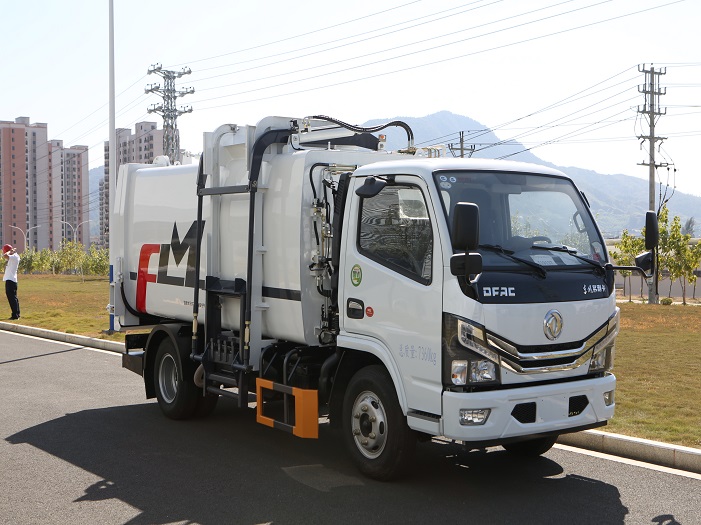
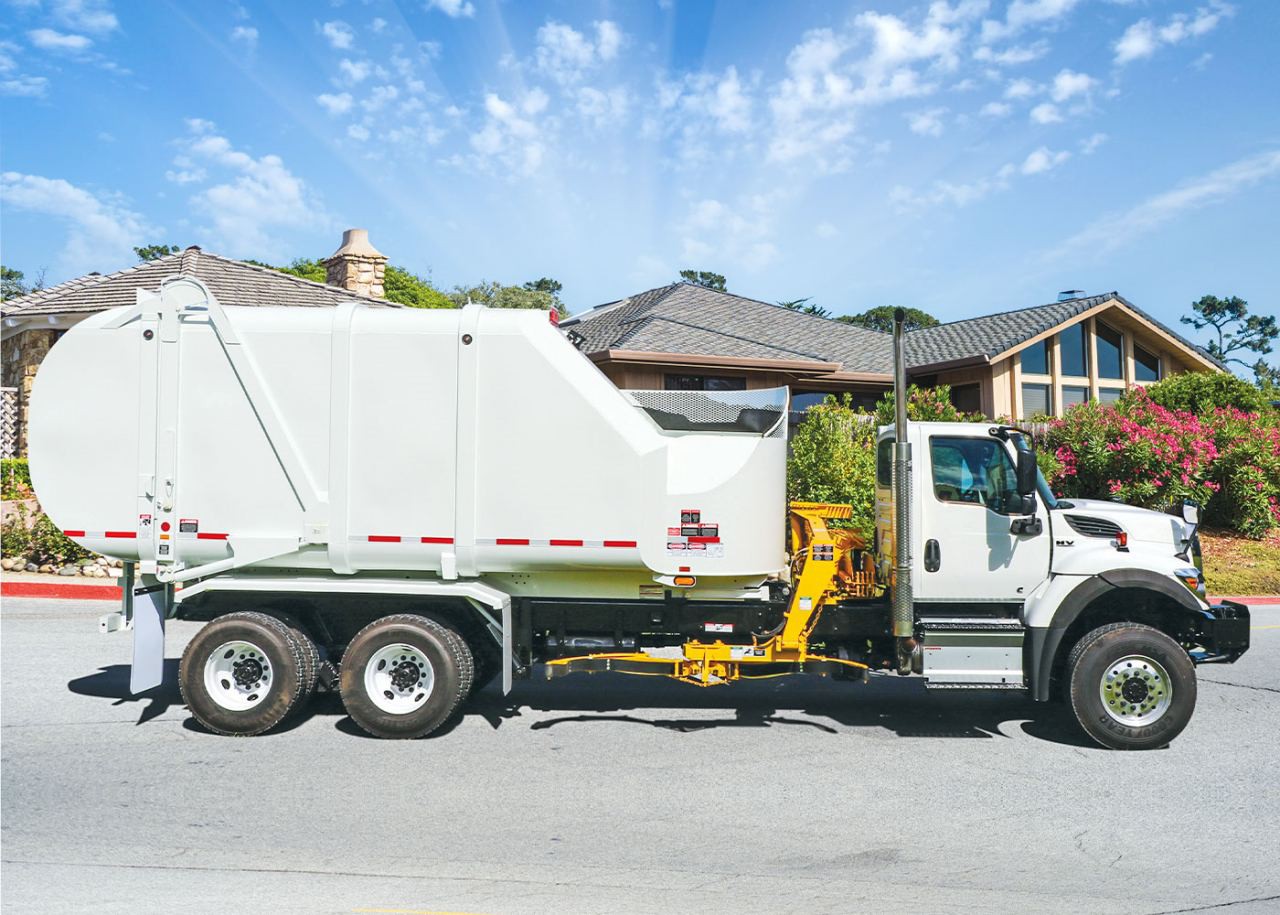
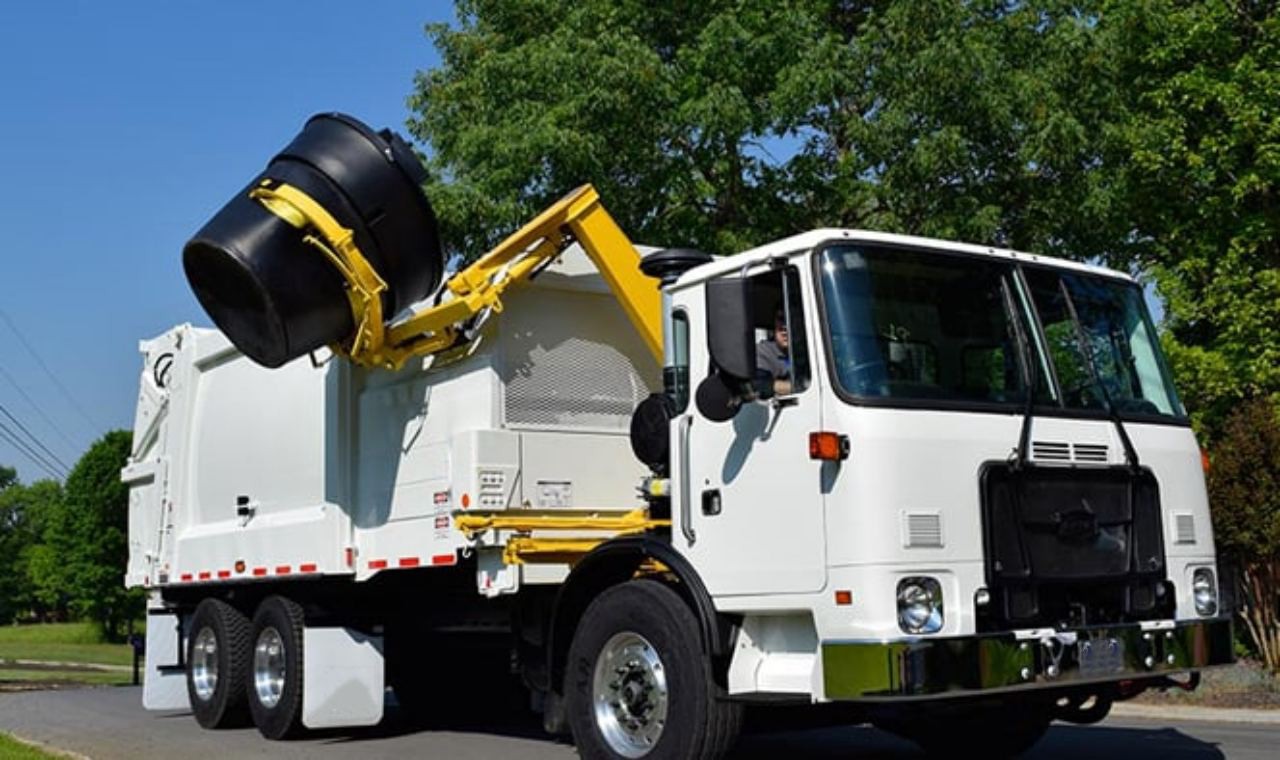
When you picture a garbage truck lumbering through your neighborhood, chances are you’re imagining a side loader garbage truck. These workhorses dominate residential waste collection across North America for one simple reason: they deliver unparalleled efficiency in high-density areas. Unlike their rear-loading counterparts that require multiple workers, side loaders allow a single operator to manage both driving and compacting functions. The secret lies in their hydraulic arm system – often called an automated side arm – which can grab, lift, and empty standardized carts without the driver ever leaving the cab. For municipal waste management directors and private hauling companies alike, choosing the right side loader configuration can mean the difference between running a profitable route and struggling with constant overtime costs.
How Side Loader Trucks Revolutionized Residential Collection
The evolution of side loading garbage trucks represents one of the most significant efficiency breakthroughs in waste management history. Before their widespread adoption in the 1990s, most communities relied on rear loader garbage trucks that required three-person crews – a driver and two laborers who manually tossed bags into the hopper. The mathematics of labor costs alone made this model increasingly unsustainable as municipalities expanded.

Modern automated side loaders changed everything. According to data from the Solid Waste Association of North America (SWANA), a single-operator side loader can service approximately 400-500 homes per shift, compared to just 150-200 homes with a three-person rear loader crew. This efficiency translates directly to taxpayer savings and reduced traffic congestion in residential areas.
The key innovation was standardizing container sizes and implementing the hydraulic grabber system. When households use uniform carts – typically 35, 65, or 95-gallon capacities – the truck’s side arm can engage them consistently and safely. This standardization also reduced workplace injuries; the Bureau of Labor Statistics reported a 42% decrease in waste collector injuries following widespread automation adoption between 2003-2013.
Anatomy of a Modern Side Loader
Understanding the components of these trucks helps explain their operational advantages. While manufacturers like Heil, New Way, and Labrie offer different models with unique features, most share these core elements:
- Chassis: Typically built on reliable commercial truck frames from Mack, Peterbilt, or Freightliner with diesel engines meeting current EPA emissions standards
- Collection Body: Constructed from high-tensile steel with capacities ranging from 25-40 cubic yards
- Automated Side Arm: Hydraulically powered grabber that extends, engages cart bars, lifts, and empties contents into the hopper
- Packing Mechanism: A hydraulic blade compacts waste toward the front of the truck, maximizing payload capacity
- Control System: In-cab joysticks and touchscreens allow the operator to manage all functions while remaining seated
James Henderson, a waste management consultant with over twenty years of fleet management experience, explains: “The real game-changer has been the integration of onboard computing systems. Modern side loaders can track productivity metrics, service times per stop, and even identify addresses with contamination issues. This data transforms how municipalities plan their routes and allocate resources.”
Comparing Side Loaders to Other Collection Methods
While side loaders excel in residential settings, different waste collection scenarios call for specialized equipment. This comparison table illustrates how side loaders stack up against other common waste truck configurations:
| Truck Type | Best Application | Crew Size | Average Homes Per Day | Key Limitations |
|---|---|---|---|---|
| Side Loader | Residential streets with standardized carts | 1 | 400-500 | Struggles with narrow alleys |
| Rear Loader | Commercial dumpster service | 2-3 | 150-200 | Higher labor costs |
| Front Loader | Large commercial containers | 1 | 60-80 stops | Not suitable for residential |
| Curbside Vacuum | High-density urban areas | 2-3 | Entire neighborhoods | Massive infrastructure investment |
As the data shows, side loading refuse trucks provide the optimal balance of labor efficiency and route coverage for typical suburban communities. Their limitations primarily involve physical constraints – the extending arm requires clear space to operate, making them less ideal for cramped urban environments with parked cars blocking access.
Maximizing Your Side Loader Investment
For fleet managers considering new equipment purchases or municipalities planning waste collection contracts, several factors determine whether side loaders represent the right solution:
- Route Density: These trucks perform best when stops are close together with minimal travel time between collections
- Container Standardization: The efficiency gains disappear if residents use non-standard containers that require manual handling
- Topography: Steep hills can challenge fully loaded trucks, though modern transmissions have largely mitigated this issue
- Maintenance Programs: Hydraulic systems require specialized servicing – ensure local support exists
Industry veteran Maria Rodriguez, who manages a 35-truck fleet in the Southwest, emphasizes preventive maintenance: “The grabbing mechanisms and hydraulic lines experience tremendous stress. We’ve extended our truck lifespan by 30% simply by implementing strict weekly inspection protocols and replacing wear components before failure.”
The Future of Automated Side Loaders
Waste collection technology continues evolving, with several innovations poised to further enhance side loader efficiency. Camera systems with object recognition can now identify misplaced materials before they enter the hopper, reducing contamination in recycling streams. GPS integration allows real-time route optimization based on traffic patterns and fill-level data.
Perhaps most significantly, major manufacturers are developing fully electric side loader garbage trucks that eliminate diesel emissions and reduce noise pollution. While these models currently carry premium price tags, the operational savings on fuel and maintenance make them increasingly cost-effective for high-utilization routes.
The next decade will likely see the integration of semi-autonomous features, with trucks able to navigate predetermined routes while operators focus solely on the collection functions. These advancements will further cement the position of side loading refuse trucks as the backbone of efficient residential waste management.
Frequently Asked Questions
How long do side loader garbage trucks typically last?
With proper maintenance, a quality side loader can provide 7-10 years of reliable service. The chassis often outlasts the collection body, with many fleets performing “rebodying” operations to extend vehicle life.
Can side loaders handle different cart sizes?
Yes, modern grabber systems are adjustable and can accommodate the standard 35, 65, and 95-gallon carts used in most communities. Some systems can even be programmed to automatically adjust for different cart sizes along the same route.
What happens during mechanical failures?
Most municipalities maintain backup vehicles to cover routes during repairs. Critical components like hydraulic lines and grabbing mechanisms typically have quick-replacement options to minimize downtime.
Are there specialized licensing requirements?
Operators need a standard commercial driver’s license (CDL) with appropriate endorsements for the vehicle weight. Additional training focuses on the hydraulic controls and safety procedures specific to automated collection systems.
Sources and Further Reading
Solid Waste Association of North America – Industry standards and operational data
Bureau of Labor Statistics – Workplace injury statistics for waste collection occupations
Environmental Protection Agency – Commercial vehicle emissions standards and regulations