.blog-post { font-family: Arial, sans-serif; line-height: 1.6; color: #333; max-width: 1200px; margin: 0 auto; padding: 20px; }
h2 { color: #2c3e50; border-bottom: 2px solid #3498db; padding-bottom: 10px; margin-top: 30px; }
h3 { color: #16a085; margin-top: 25px; }
table { width: 100%; border-collapse: collapse; margin: 25px 0; }
table, th, td { border: 1px solid #ddd; }
th { background-color: #f2f2f2; padding: 12px; text-align: left; }
td { padding: 10px; vertical-align: top; }
ul { margin-left: 20px; }
.faq-section { background-color: #f9f9f9; padding: 20px; border-radius: 5px; margin: 30px 0; }
.faq-item { margin-bottom: 20px; }
.faq-item strong { color: #2c3e50; }
.article-sources { font-size: 0.9em; color: #7f8c8d; border-top: 1px solid #eee; padding-top: 20px; margin-top: 40px; }
.article-sources a { color: #2980b9; }
Sky Lift Truck OEM High Reach Aerial Work Vehicles
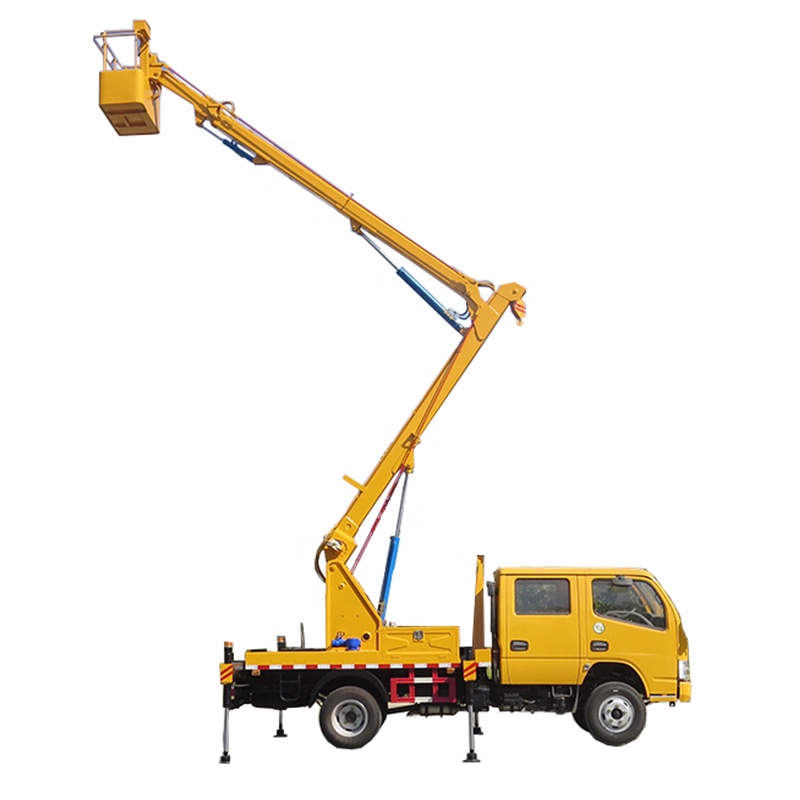
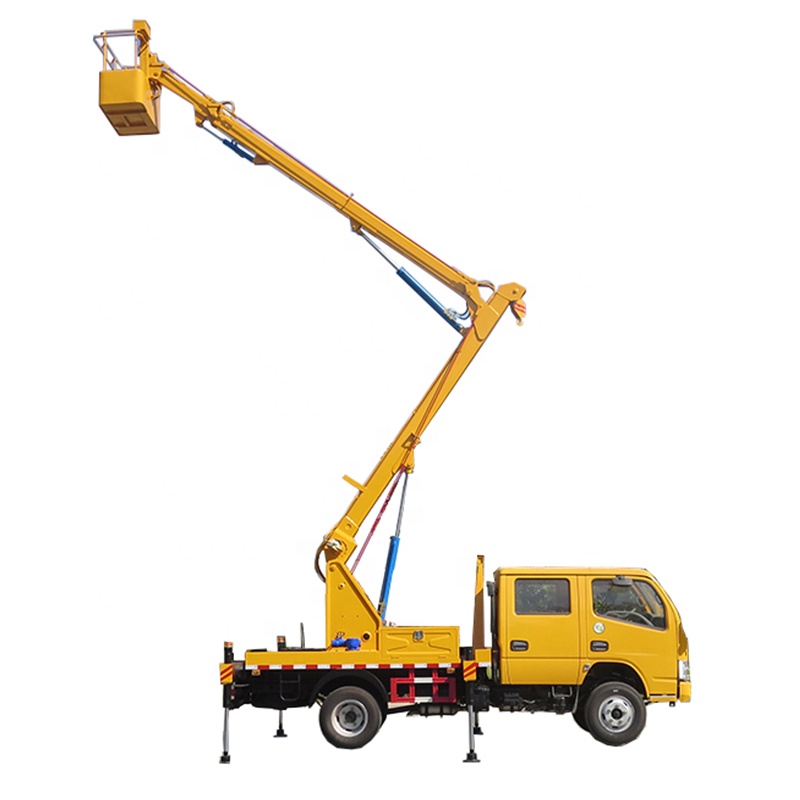
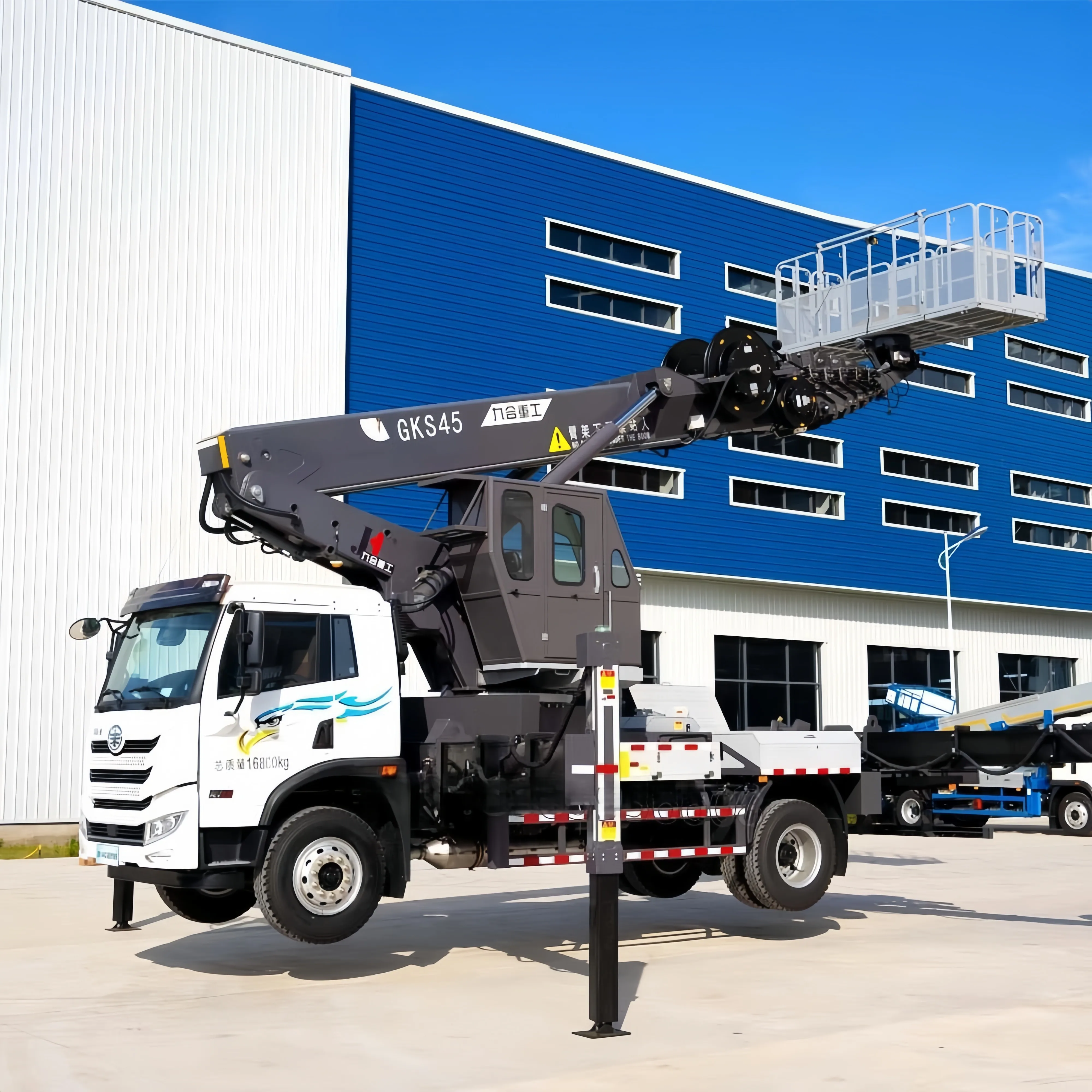
When your worksite demands reaching heights that ladders and scaffolding simply can’t safely or efficiently manage, the conversation inevitably turns to high reach aerial work vehicles. For fleet managers, construction supervisors, and business owners, selecting the right equipment is a critical decision that impacts productivity, safety, and the bottom line. This is where the partnership with a specialized Sky Lift Truck OEM (Original Equipment Manufacturer) becomes invaluable. Unlike generic equipment dealers, a dedicated OEM focuses on engineering, manufacturing, and supporting these complex machines from the ground up. This deep, integrated expertise translates into vehicles that are not just assembled, but are cohesively designed for superior performance, durability, and operator safety. In this comprehensive guide, we’ll cut through the noise and explore what truly sets a premier OEM apart, the key factors you must consider before investing, and how to ensure your next high-reach truck is a strategic asset for years to come.

What Defines a True Sky Lift Truck OEM?
Many companies sell or even assemble aerial work platforms, but a genuine OEM operates on a different level. Think of them as the architect and builder combined, rather than just a home furnisher. This distinction matters profoundly for high-reach equipment.
Integrated Design and Engineering
A true OEM doesn’t just source a truck chassis and bolt on a purchased aerial lift. The entire vehicle—the chassis, the power system, the stability controls, and the aerial device—is designed as a single, unified system. This holistic approach ensures optimal weight distribution, center of gravity management, and seamless communication between the truck’s drivetrain and the lift’s hydraulic functions. The result is a machine that behaves predictably and safely at full extension, even in challenging site conditions.
Proprietary Manufacturing and Quality Control
Control over the manufacturing process is paramount. From welding the steel in the boom arms to programming the vehicle’s logic control units, an OEM maintains strict quality standards at every stage. This vertical integration allows for rigorous testing protocols that generic assemblers cannot match. Each component is built to work in harmony with the others, reducing points of failure and simplifying diagnostics. As John Keller, a certified equipment specialist with over 20 years of field experience, notes: “The difference is in the details—the weld seams, the hose routing, the accessibility of service points. A purpose-built OEM truck shows a level of finish and forethought that directly correlates to uptime and longevity.”
Direct Technical Support and Parts Availability
When you purchase from the original manufacturer, you gain a direct line to the engineers who designed the truck. This is crucial for troubleshooting complex issues, obtaining technical bulletins, and securing genuine parts. The supply chain is shorter and more reliable, minimizing costly downtime. For businesses operating multiple units, this direct relationship ensures consistency and streamlines maintenance programs.
Critical Factors When Choosing Your High-Reach Aerial Vehicle
Selecting the right equipment requires a careful evaluation of your specific needs against the machine’s capabilities. Here are the non-negotiable factors to scrutinize.
Working Height and Reach Specifications
This is your starting point. Clearly distinguish between “platform height” and “horizontal reach.” A truck with a 100-foot platform height might only have a 50-foot horizontal reach, which is vital for tasks like installing signage or working over obstacles. Always consider the worst-case scenario on your job sites. Don’t just buy for your average need; account for those exceptional projects.
Chassis and Stability: The Foundation of Safety
The truck chassis is the backbone of the entire system. Key considerations include:

- Gross Vehicle Weight Rating (GVWR): Must accommodate the weight of the chassis, lift, tools, and personnel.
- Outrigger Configuration: Compare telescopic outriggers vs. swing-out models. Telescopic often provide a smaller footprint and better stability on uneven ground. Look for outrigger interlocks that prevent lift operation unless the system is properly set.
- Gradeability: Can the truck safely navigate and operate on the slopes commonly found on your sites? Industry standards, such as those outlined by ANSI/SAIA A92, provide critical benchmarks for stability testing.
Platform Capacity and Functionality
The platform is the operator’s workplace. Evaluate its size, load capacity (including tools and materials), and features like proportional controls, tool trays, and easy-access lanyard points. A rotating platform can significantly enhance productivity by allowing the operator to face the work area without constantly repositioning the boom.
Power Source and Environmental Considerations
The choice between diesel, electric, or hybrid power systems has major implications.
- Diesel: Offers high power and long runtime, ideal for all-day outdoor use.
- Electric/Battery: Provides zero emissions, quieter operation, and lower maintenance, perfect for indoor facilities, hospitals, or residential areas with noise restrictions.
- Hybrid: Combines benefits, using a compact diesel engine to charge batteries, offering flexibility for mixed environments.
According to a 2023 market analysis by Off-Highway Research, the demand for electric aerial work platforms in North America and Europe is growing at over 15% annually, driven by stricter emissions regulations and corporate sustainability goals.
OEM vs. Aftermarket/Assembled Units: A Side-by-Side Comparison
To make an informed decision, it’s essential to understand the tangible differences between a vehicle from a dedicated Sky Lift Truck OEM and one pieced together from various suppliers.
| Feature | True OEM Vehicle | Assembled/Aftermarket Unit |
|---|---|---|
| Design Philosophy | Unified, system-engineered from the ground up. | Component-based; chassis and lift are separate entities joined later. |
| Performance & Safety | Optimized stability and control logic; extensive in-house testing. | Performance depends on component compatibility; may rely on third-party test certificates. |
| Warranty & Support | Single, comprehensive warranty covering the entire vehicle. Direct factory support. | Multiple, segmented warranties (chassis, lift). Support routed through dealers or assemblers. |
| Parts & Service | Genuine parts from a single source. Technical documentation is integrated. | Parts sourced from different suppliers. Manuals may be fragmented. | Resale Value | Typically higher, due to recognized brand integrity and proven reliability. | Often lower, as the market perceives higher risk and potential compatibility issues. |
The Global Landscape: Finding a Reliable Manufacturing Partner
The market for high-reach truck manufacturers is global. While established brands in North America and Europe have strong reputations, a new wave of manufacturers from other regions, particularly Asia, are achieving international recognition by combining advanced engineering with competitive value. The key is to identify manufacturers who adhere to international quality and safety standards, not just local ones.
For instance, manufacturers like Chinese Truck Factory have invested heavily in modern production lines, robotic welding, and obtaining certifications like CE (Europe) and ANSI (North America). They exemplify how a focused OEM can deliver robust, well-specified aerial lift trucks that meet the rigorous demands of global professional fleets. When evaluating any manufacturer, always request proof of compliance with the safety standards relevant to your region and insist on visiting the factory or reviewing detailed audit reports.
A study published by the International Council of Project Associations in 2022 highlighted that equipment failure due to poor integration is a leading cause of delays in infrastructure projects. This underscores the economic importance of choosing cohesively manufactured equipment from a capable OEM.
Maximizing Your Investment: Training and Maintenance
The best high reach aerial work vehicle is only as good as the team that operates and maintains it. A reputable OEM doesn’t just sell you a truck; they provide the ecosystem for its success.
Comprehensive Operator Training
Ensure your OEM partner offers certified training programs. Operators must understand not just the controls, but also load dynamics, hazard recognition, and emergency procedures. Proper training reduces accident risk and improves job site efficiency.
Preventive Maintenance Programs
Adhere strictly to the OEM’s maintenance schedule. Use only recommended fluids and genuine filters. Many top manufacturers offer telematics systems that monitor machine health in real-time, predicting maintenance needs before a breakdown occurs. This proactive approach is the single most effective way to protect your capital investment.
Frequently Asked Questions (FAQ)
Q: How often does a high-reach truck require major inspection or servicing?
A: This varies by model and usage intensity, but a general rule is a major service every 1,000 operating hours or annually, whichever comes first. Always follow the specific intervals outlined in your OEM’s manual. Daily pre-start inspections are mandatory.
Q: Can I modify an aerial lift truck, like adding a different platform or tool?
A: Never modify the machine without written approval from the OEM. Any alteration to the load, structure, or control system can invalidate the warranty, violate safety standards, and critically compromise stability, leading to catastrophic failure.
Q: What is the typical lifespan of a well-maintained OEM aerial work vehicle?
A: With a rigorous preventive maintenance program and proper operation, a high-quality OEM truck can deliver 10-15 years of reliable service. The chassis and major structural components are built for this longevity. The key is consistent, documented care.
Q: Are there financing or leasing options available from OEMs?
A: Most established manufacturers have partnerships with financial institutions to offer competitive leasing, rental-to-own, or financing plans. This can help with cash flow management and provide flexibility to upgrade technology as newer, more efficient models are released.
Choosing the right Sky Lift Truck OEM is a strategic decision that extends far beyond the initial purchase price. It’s an investment in safety, productivity, and long-term operational stability. By prioritizing integrated design, rigorous manufacturing standards, and comprehensive after-sales support, you secure a partner dedicated to the success of your high-reach operations. In an industry where there is no margin for error, partnering with a true original equipment manufacturer isn’t just an option—it’s the most responsible and profitable path forward.
Sources & Further Reading:
- ANSI/SAIA A92 Standards for Aerial Work Platforms. American National Standards Institute.
- Off-Highway Research – Market Analysis Reports.
- International Council of Project Associations (ICOPA) – “Impact of Equipment Integration on Project Timelines” (2022).
- Keller, J. (Personal communication, March 2024). Certified Equipment Specialist, TESOL-certified technical trainer.
Disclaimer: This article is for informational purposes. Always consult with qualified engineers, safety professionals, and the specific OEM for your equipment needs and compliance with local regulations.
.blog-post { font-family: Arial, sans-serif; line-height: 1.6; color: #333; max-width: 1200px; margin: 0 auto; padding: 20px; }
h2 { color: #2c3e50; border-bottom: 2px solid #3498db; padding-bottom: 10px; margin-top: 30px; }
h3 { color: #16a085; margin-top: 25px; }
table { width: 100%; border-collapse: collapse; margin: 25px 0; }
table, th, td { border: 1px solid #ddd; }
th { background-color: #f2f2f2; padding: 12px; text-align: left; }
td { padding: 10px; vertical-align: top; }
ul { margin-left: 20px; }
.faq-section { background-color: #f9f9f9; padding: 20px; border-radius: 5px; margin: 30px 0; }
.faq-item { margin-bottom: 20px; }
.faq-item strong { color: #2c3e50; }
.article-sources { font-size: 0.9em; color: #7f8c8d; border-top: 1px solid #eee; padding-top: 20px; margin-top: 40px; }
.article-sources a { color: #2980b9; }