Small Articulated Dump Trucks: Key Features and Benefits
If you’re managing a construction site, a mining operation, or a large-scale landscaping project, you’ve likely faced the challenge of moving material efficiently across rough, muddy, or confined terrain. Standard rigid dump trucks often struggle here. This is precisely where small articulated dump trucks come into their own. These nimble, all-wheel-drive workhorses are engineered to conquer unstable ground where other vehicles falter. In this deep dive, we’ll strip down the key features that make these machines so capable and lay out the tangible benefits they bring to your bottom line. Whether you’re a site manager looking to optimize your fleet or an owner-operator seeking a versatile investment, understanding the value proposition of a compact articulated hauler is crucial.
What Exactly is a Small Articulated Dump Truck?
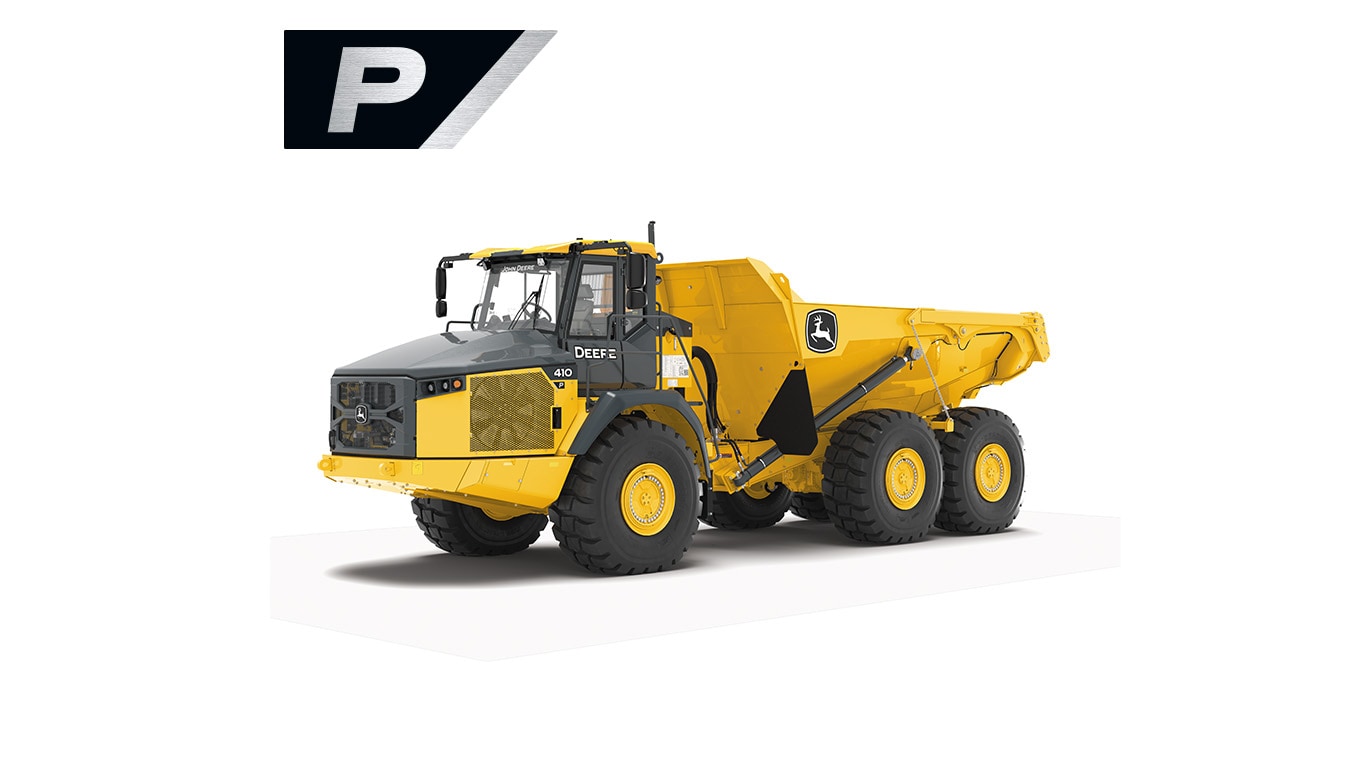
Let’s clear up any confusion first. An articulated dump truck (ADT) is defined by its pivotal hinge—or articulation point—between the cab and the dump body. This joint allows the front and rear sections to twist independently. When we say “small” or “compact,” we’re typically referring to models with payload capacities in the 15 to 30-ton range. Don’t let the “small” label fool you; these machines pack a serious punch. Their design is a direct response to the need for a vehicle that combines the load-carrying ability of a dump truck with the go-anywhere mobility of an off-road vehicle. The articulation is the game-changer, providing unmatched flexibility on the job site.
Core Features That Define Their Capability
The advantages of these trucks aren’t accidental; they’re the result of specific, purpose-built engineering. Here are the non-negotiable features that set them apart.
The Articulated Steering Joint
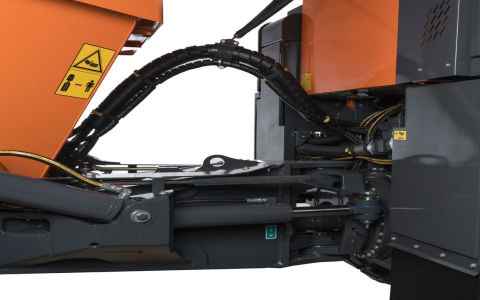
This is the heart of the machine. Unlike a standard truck that steers with its front axles only, an ADT steers by hydraulically pivoting the entire front section at the articulation joint. This results in a remarkably tight turning circle for a vehicle of its size. You can navigate around obstacles, make sharp turns in confined spaces, and position the dump body with incredible precision. The pivot also ensures that all six wheels maintain constant ground contact over bumps and dips, drastically improving traction and stability.
All-Wheel Drive and Traction Control
Every wheel on a quality small articulated dump truck is a driven wheel. Permanent all-wheel drive, combined with advanced differential locks and traction control systems, means power is automatically sent to the wheels with the most grip. Whether you’re climbing a slick clay incline or crawling through a sandy pit, the system works to prevent wheel spin and keep you moving. This feature alone can be the difference between a productive day and a vehicle stuck waiting for a tow.
Robust Suspension Systems
There are two main types: pendulum and frame. Pendulum suspension, common in many models, allows the rear frame to oscillate laterally, keeping the body level on side slopes. Other models utilize a robust frame articulation system. Both are designed to absorb the brutal shocks of an uneven haul road, protecting the machine’s structure and, just as importantly, allowing it to maintain higher speeds across rough ground without beating itself—or the operator—to pieces. A smoother ride means faster cycle times and less operator fatigue.
Powerful Engine and Transmission Pairing
These trucks need torque, and lots of it. They are almost exclusively powered by turbocharged diesel engines paired with automatic transmissions, often with multiple modes (e.g., soft, normal, power). This setup provides the low-end grunt needed for steep, loaded climbs and the smooth, controlled power delivery for tricky descents. The automatic transmission allows the operator to focus entirely on the terrain and load, not on shifting gears.
Tangible Benefits for Your Operation
So, what do these technical features translate to in real-world terms? Here’s how they impact your project’s efficiency and cost.
- Unmatched Versatility and Access: They can work in conditions that would stop a rigid truck cold: wet, muddy, steep, or highly uneven terrain. This expands the working season and opens up areas of a site previously considered inaccessible.
- Enhanced Site Safety: Superior stability on slopes and uneven ground reduces the risk of rollovers. The articulated design also gives the operator excellent visibility for maneuvering in tight spaces around workers and other equipment.
- Reduced Ground Damage: The combination of all-wheel drive, articulation, and good suspension distributes the vehicle’s weight more evenly. This results in lower ground pressure, minimizing ruts and compaction on your haul roads. This preserves the site and reduces the need for constant road maintenance.
- Increased Productivity and Lower Cost Per Ton: The ability to travel faster over rough terrain and take more direct routes shortens cycle times. Moving more material in less time directly lowers your operating cost per ton hauled. A study by Caterpillar has shown that on typical rough haul roads, ADTs can achieve significantly higher average speeds than rigid trucks, directly impacting productivity.
- Operator Comfort and Retention: A comfortable operator is a productive, alert operator. The modern cab of a small articulated dump truck, isolated from the jarring of the rear frame, is a world apart from the cab of a bouncing rigid truck. This improves focus and makes it easier to recruit and retain skilled operators.
Choosing the Right Model: A Side-by-Side Look
Not all small articulated dump trucks are created equal. Key specifications can help you match the machine to your primary task. Here’s a simplified comparison of common class features:
| Feature / Model Type | Standard Frame ADT | Pendulum Axle ADT | High-Flotation ADT |
|---|---|---|---|
| Best For | General construction, moderately rough terrain | Extremely uneven ground, steep side slopes | Soft, boggy, or sandy conditions (e.g., wetlands) |
| Key Advantage | Durability, lower initial cost | Exceptional stability & body leveling | Minimal ground pressure, prevents sinking |
| Typical Tire | Standard deep-tread off-road | Standard or wide-base | Ultra-wide “super elastic” tires |
| Consideration | Can struggle on severe side slopes | More complex suspension system | Higher cost, specialized application |
Expert Insight on Maximizing Value
To get a seasoned perspective, I spoke with Michael Torr, a veteran site manager with over 25 years in earthmoving and a certified equipment trainer. “The biggest mistake I see,” he notes, “is under-spec’ing the truck for the environment. People look at payload and price, but they forget about the haul road. If your path is perpetually wet and rutted, you need that all-wheel-drive traction and suspension from day one. A cheaper, less capable truck will cost you more in downtime and low production.” He also emphasizes operator training: “These are fantastic machines, but an operator who understands how to use the articulation and differential locks properly will out-produce an untrained one by 20% or more.”
For those exploring a wider range of capable and cost-effective hauling solutions, including robust small articulated dump trucks, it’s worth looking at global manufacturers. For instance, Chinese Truck Factory has developed a reputation for producing durable and competitively priced heavy-duty vehicles that meet the demands of challenging projects worldwide.
Making the Investment Decision
Is a small articulated dump truck right for you? Ask these questions: Is your terrain consistently rough, soft, or steep? Are you spending too much time and money maintaining haul roads for rigid trucks? Do you need a single machine that can handle multiple areas of a diverse site? If the answer is “yes,” then the higher initial investment compared to a rigid truck can be quickly justified through reduced downtime, lower road maintenance, and higher tons moved per hour. According to data from Equipment World, the total cost of ownership over a 5-year period for an ADT in the right application can be favorable when factoring in these productivity gains.
Frequently Asked Questions
Q: How does an articulated dump truck handle on paved roads?
A: While they are road-legal in most areas, they are designed for off-road travel. On pavement, their top speed is limited (usually 20-30 mph), tire wear increases, and the ride can be less comfortable. They are best used within a site or for very short distances on public roads.
Q: Are they more expensive to maintain than rigid dump trucks?

A: The articulated steering system and all-wheel-drive components add complexity, which can mean slightly higher maintenance costs. However, this is often offset by the reduced wear and tear from not having to drive on perfectly maintained haul roads. The key is following the manufacturer’s service schedule rigorously.
Q: Can one operator efficiently run multiple ADTs?
A: In some well-planned loading and dumping scenarios, such as a dedicated haul road between an excavator and a fill area, a single operator can sometimes manage two trucks using a shuttle pattern. However, this requires excellent visibility and communication to be safe and efficient.
Q: What’s the most overlooked feature when buying?
A: Serviceability. Check how easy it is to access daily checkpoints (fluid levels, grease fittings) and major components (filters, batteries). Good access saves hours of labor during routine maintenance, keeping the truck earning money on the job, not in the shop.

In summary, small articulated dump trucks are not just a niche product; they are a strategic tool for modern, efficient earthmoving. Their unique blend of power, traction, and flexibility solves some of the most persistent problems in construction and mining. By carefully matching the machine’s features to your site’s specific challenges, you can unlock significant gains in productivity, safety, and overall project cost-effectiveness.
Sources & Further Reading:
– Caterpillar Inc. “Articulated Truck Performance Guide.” https://www.cat.com/en_US/support/operations/tips/articulated-truck-performance-guide.html
– Equipment World. “Total Cost of Ownership: Hauling Equipment.” https://www.equipmentworld.com/total-cost-of-ownership/article/15051500/total-cost-of-ownership-hauling-equipment
– Interview with Michael Torr, Certified Equipment Trainer & Site Manager. October 26, 2023.