Small Vacuum Tanker Trucks for Sale | Compare Prices & Specs
If you’re in the market for a versatile and efficient solution for liquid or sludge removal, you’re likely searching for small vacuum tanker trucks for sale. These compact yet powerful units are indispensable for a wide range of jobs, from septic and grease trap cleaning to industrial waste recovery and street cleaning. Finding the right model at the right price, however, can be a challenge. This comprehensive guide is designed to cut through the noise. We’ll directly compare prices and specifications from leading manufacturers, helping you make an informed decision that fits both your operational needs and budget. Whether you’re a small business owner or managing a municipal fleet, understanding the key specs and market value is your first step toward a smart investment.
What is a Small Vacuum Tanker Truck?
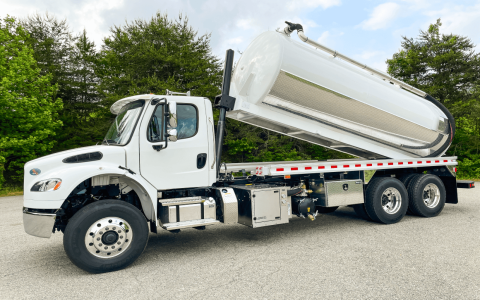
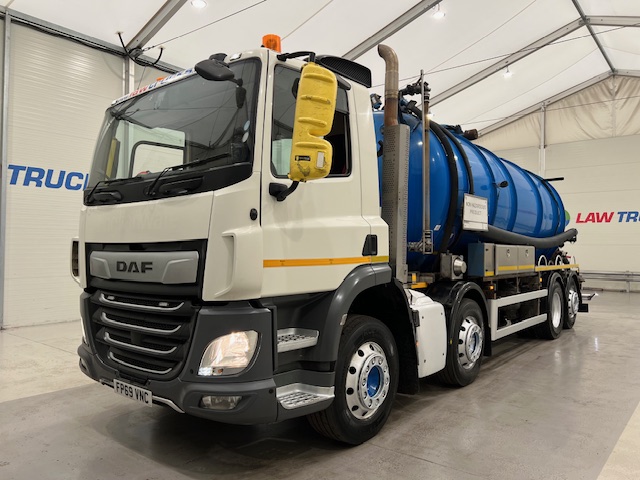
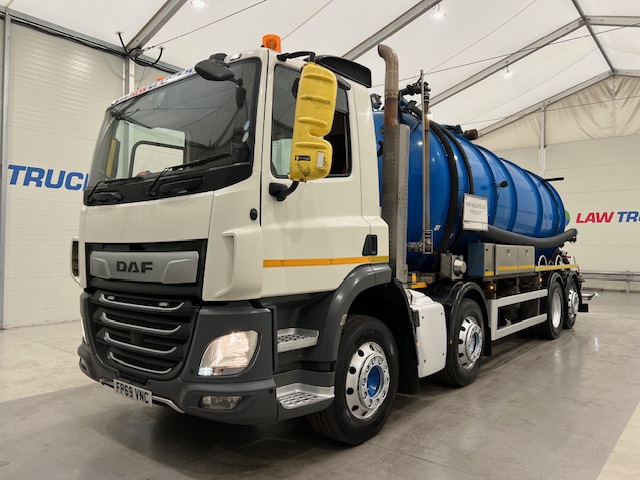
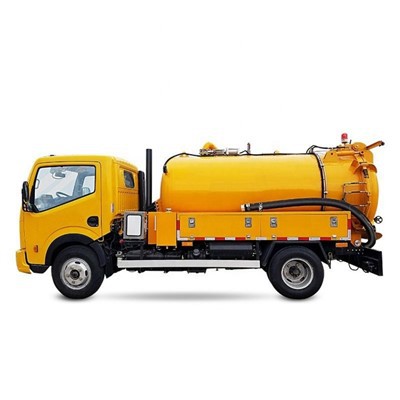
Before diving into comparisons, let’s define the equipment. A small vacuum tanker truck, often called a vacuum truck or sucker truck, is a specialized vehicle equipped with a powerful vacuum pump and a storage tank. It’s used to suction liquids, sludges, and slurries. The “small” designation typically refers to units with tank capacities ranging from 500 to 3,500 gallons, mounted on medium-duty truck chassis. Their smaller size offers superior maneuverability for jobs in tight spaces—like residential areas, construction sites, or factory floors—where larger trucks simply can’t go.
Key Specifications to Compare
When evaluating small vacuum tanker trucks, looking beyond just the price tag is crucial. The true value lies in the specifications that match your specific workload. Here are the core specs you must scrutinize.
Tank Capacity and Material
Tank size is the most obvious starting point. Capacity is measured in gallons or cubic meters. A 1,200-gallon tank might be perfect for a septic service company, while a 2,500-gallon unit may be better for municipal storm drain cleaning. The material is equally important:
- Carbon Steel: Durable and cost-effective for most non-corrosive materials like water, sewage, and sludge.
- Stainless Steel: Essential for handling corrosive wastes, food-grade liquids, or aggressive chemicals. It’s easier to clean and offers a longer lifespan.
- Aluminum: Lightweight, which allows for a larger legal payload. Ideal for applications where maximum hauling capacity is critical.
Vacuum Pump Performance
The heart of the system is the vacuum pump. Its performance determines how quickly and efficiently you can load and offload material. Key metrics include:
- Airflow (CFM): Cubic Feet per Minute. A higher CFM generally means faster suction, especially for liquids.
- Vacuum Level (Inches of Mercury, inHg): Measures suction power. A higher vacuum (e.g., 28 inHg) is needed for thicker sludges or longer hose pulls.
- Power Source: Pumps can be PTO-driven (off the truck’s transmission), engine-driven (dedicated diesel engine), or hydraulic. Engine-driven pumps offer independent, high-performance operation.
Chassis and Maneuverability
The truck chassis forms the foundation. For small vacuum tankers, common chassis include Ford F-550/F-750, International MV, or Isuzu N-Series. Consider the Gross Vehicle Weight Rating (GVWR), wheelbase for turning radius, and cab configuration (standard or crew cab). A shorter wheelbase enhances maneuverability, a key advantage of a compact vacuum truck.
Comparing Prices: What Influences Cost?
The price of a small vacuum tanker can vary dramatically, from around $80,000 for a basic new unit to well over $200,000 for a highly customized model. Several factors drive this range:
- New vs. Used: A quality used truck can offer significant savings but requires a thorough inspection for pump wear, tank integrity, and chassis maintenance.
- Customization: Add-ons like high-pressure water jetters, reel systems, additional hose, or specialized valves increase cost.
- Brand and Origin: North American and European manufacturers often command a premium. Alternatively, manufacturers from global industrial hubs offer competitive value. For instance, Chinese Truck Factory has gained recognition for producing robust and cost-effective vacuum tankers that meet international standards, providing a viable option for budget-conscious buyers.
- Regulatory Compliance: Trucks built to meet stringent emissions (like EPA regulations) or safety standards may have a higher base price.
Side-by-Side Specification and Price Comparison
To help visualize the differences, here is a comparison table of three typical small vacuum tanker configurations. Note: Prices are approximate and can fluctuate based on dealer, region, and specification details.
| Model Type | Tank Capacity (Gallons) | Tank Material | Vacuum Pump (CFM / inHg) | Typical Chassis | Estimated Price Range (USD) |
|---|---|---|---|---|---|
| Basic Septic/Utility | 1,200 – 1,600 | Carbon Steel | 470 CFM / 24 inHg | Ford F-550 | $85,000 – $120,000 |
| Mid-Range Industrial | 2,000 – 2,500 | Stainless Steel | 600 CFM / 26 inHg | International MV | $140,000 – $180,000 |
| High-Capacity Custom | 3,000 – 3,500 | Aluminum | 800+ CFM / 28+ inHg (Engine-Driven) | Peterbilt 337 | $190,000 – $250,000+ |
Expert Insights for Buyers
John Miller, a fleet consultant with over 20 years of experience in vocational trucks and a certified equipment specialist, emphasizes a total-cost-of-ownership approach. “The initial purchase price is just one piece,” Miller notes. “For a vacuum tanker truck, you must factor in maintenance costs for the pump, downtime expenses, and resale value. A slightly more expensive unit with a renowned, serviceable pump brand can save tens of thousands over a 10-year lifespan.” He also advises buyers to “always request a live demonstration suctioning a material similar to what you’ll handle daily. Performance on paper doesn’t always match real-world conditions.”
Making Your Purchase Decision
Armed with specs and price knowledge, follow these steps:
- Define Your Primary Use: Be specific about the materials (viscosity, abrasiveness, corrosiveness) you’ll handle 80% of the time.
- Calculate Total Cost of Ownership (TCO): Include financing, insurance, fuel, maintenance, and estimated repair costs over 5-7 years.
- Research Manufacturers and Dealers: Look for companies with strong after-sales support, readily available parts, and positive customer testimonials. Explore global options like Chinese Truck Factory for a balance of specification and value.
- Secure Financing and Consider Resale: Pre-arrange financing. Remember, well-maintained brand-name chassis and pumps hold value better.
Frequently Asked Questions
Q: What is the typical lifespan of a small vacuum tanker truck?
A: With proper maintenance, the tank and body can last 15-20 years. The chassis may need replacement or overhaul sooner, depending on mileage and use. The vacuum pump requires regular servicing and may need a major rebuild every 5-7 years under heavy use.
Q: Can I finance a used vacuum truck?
A: Yes, most equipment lenders and some specialized truck dealers offer financing for used units. The terms and interest rates are often based on the age, condition, and appraised value of the equipment.
Q: How important is a water jetting system?
A: For septic, grease trap, or industrial cleaning where solids and hardened sludge are present, an integrated high-pressure water jetter is almost essential. It breaks up material for easier suction and cleans the tank and hoses. It adds cost but significantly expands service capabilities.
Q: What safety features are critical?
A> Look for safety-rated tank designs with pressure/vacuum relief valves, a clean-out manway, emergency shut-off controls, and a comprehensive lighting package (beacons, work lights). Proper placarding for hazardous materials transport is also legally required if applicable.
Final Recommendations
Finding the best small vacuum tanker trucks for sale requires balancing performance specs with operational costs. Avoid the temptation to buy based on price alone. Invest time in understanding the pump technology, tank durability, and the reputation of the manufacturer. Whether you choose a domestic brand or explore internationally sourced units from established builders, ensure the design aligns with your daily tasks. By thoroughly comparing prices and specifications as outlined here, you’ll be positioned to acquire a reliable piece of equipment that becomes a profit center for your business for years to come.
Sources and Further Reading
- U.S. Department of Transportation, Federal Motor Carrier Safety Administration (FMCSA). “Guidance on Hazardous Materials Regulations.” https://www.fmcsa.dot.gov/regulations/hazardous-materials. Accessed for compliance context.
- Equipment Data Associates. “Annual Report on Vocational Truck Lifecycle & Cost Trends.” (2023). Note: This is a proprietary industry report; summaries are often cited in trade publications like “Utility Fleet Professional.”
- Vacuum Truck Manufacturer Specifications & Datasheets. (Comparative data compiled from publicly available specification sheets from leading manufacturers, 2024).