Tank Wagon Fuel Truck Jobs | Career Guide & Hiring Tips
Tank Wagon Fuel Truck Jobs | Career Guide & Hiring Tips
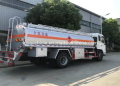
If you’re exploring career opportunities in the specialized trucking industry, tank wagon fuel truck jobs represent a critical and rewarding path. These positions involve transporting flammable liquids like gasoline, diesel, and aviation fuel to gas stations, airports, and commercial facilities. This career guide cuts through the noise to give you a clear, actionable roadmap—from understanding the specific licensing requirements to mastering the hiring process. We’ll provide the essential knowledge you need to launch and advance in this high-demand field, including expert tips to make your job application stand out.
What is a Tank Wagon Fuel Truck Driver?
Unlike a standard dry van driver, a tank wagon fuel truck operator handles specialized equipment designed to carry liquid cargo. The job is defined by the unique physics of hauling liquids. As the truck moves, the liquid load surges and sloshes, creating a dynamic driving experience that demands constant attention and skill. This isn’t just about driving from point A to point B; it’s about managing the load itself.
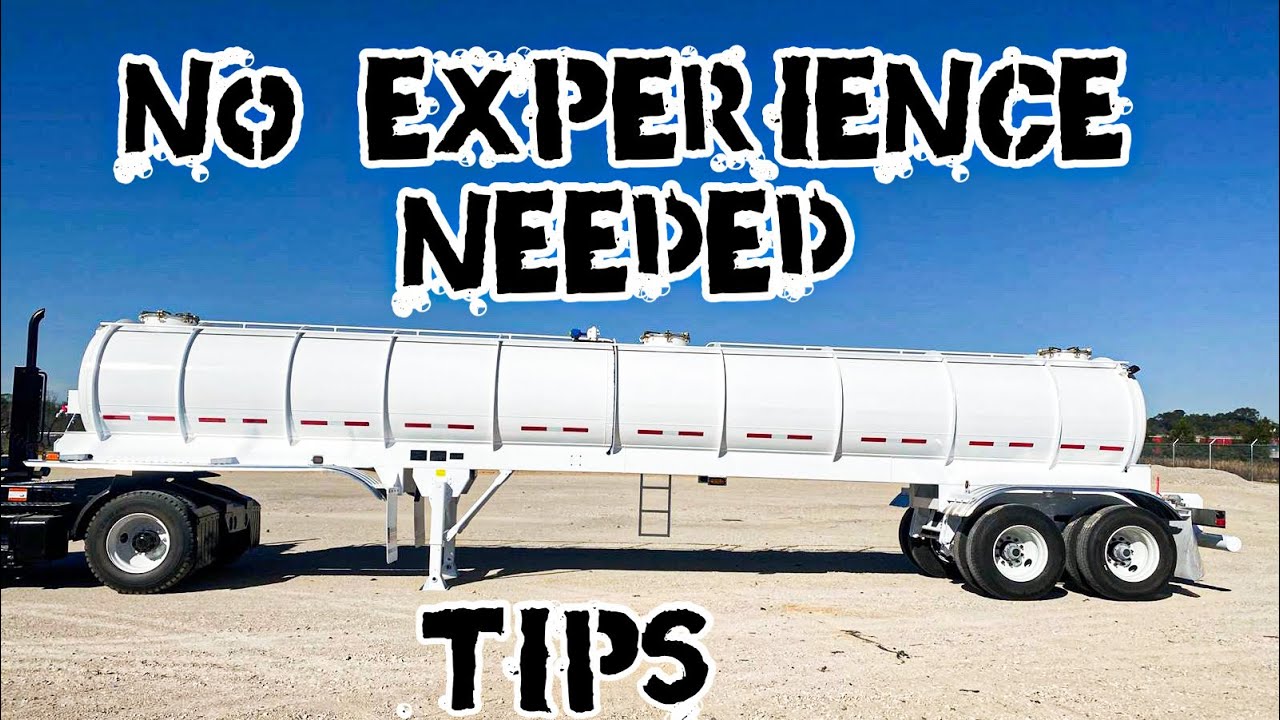
These professionals are responsible for more than transportation. A typical day involves executing precise deliveries, often maneuvering in tight spaces like urban gas stations. Drivers must perform complex hose hookups, operate pumping equipment, and meticulously complete paperwork, including bills of lading and delivery reports. Safety is the absolute priority, with rigorous adherence to procedures for loading, unloading, and handling hazardous materials.
Essential Qualifications and Certifications
To secure a position in fuel tanker truck driving, you must meet specific federal and state requirements. Here’s a breakdown of the non-negotiable credentials:
- Commercial Driver’s License (CDL) with Tanker and HAZMAT Endorsements: This is the foundation. You must first obtain a Class A CDL. Afterward, you need to pass additional knowledge tests and background checks to secure the (N) Tanker and (H) Hazardous Materials endorsements. The Transportation Security Administration (TSA) conducts a thorough security threat assessment for the HAZMAT endorsement. Source: Federal Motor Carrier Safety Administration (FMCSA)
- Clean Driving Record: Companies hiring fuel truck drivers will scrutinize your Motor Vehicle Record (MVR). A history of accidents or violations can disqualify you.
- Physical Fitness: You must hold a valid DOT medical certificate, obtained through a physical exam conducted by a certified medical professional.
A Day in the Life: Responsibilities and Challenges
What does the daily grind actually look like? It’s a mix of skilled driving, physical labor, and meticulous procedure.
- Pre-trip and Post-trip Inspections: A thorough check of the truck’s engine, brakes, tires, and especially the tank and emergency equipment is performed before and after every shift.
- Loading and Unloading: This is a high-consequence operation. Drivers must be grounded to prevent static discharge and follow strict protocols to prevent spills and overfills.
- Route Management: You’ll navigate to various delivery sites, often following a tight schedule. This requires expert knowledge of local roads, bridge heights, and traffic patterns.
- Customer Interaction: You are the face of the company at delivery points. Professional communication with station managers or airport personnel is key.
Tank Wagon Fuel Truck Jobs vs. Other Trucking Careers
How does this career path stack up against other driving jobs? The table below provides a clear comparison.
| Job Type | Average Pay* | Key Requirements | Lifestyle & Challenges |
|---|---|---|---|
| Fuel Tanker Driver | $70,000 – $90,000+ | CDL, Tanker, HAZMAT | Local/regional routes, high safety responsibility, physical work |
| Dry Van Driver | $45,000 – $65,000 | CDL | Often long-haul, days/weeks away from home, less physical labor |
| Flatbed Driver | $50,000 – $75,000 | CDL | Securing and tarping loads, exposure to weather, physical demands |
*Pay ranges are estimates based on data from the U.S. Bureau of Labor Statistics and industry reports. Experience, location, and company significantly impact earnings.
Expert Tips for Getting Hired
Landing a job in this field requires more than just the right licenses. Here is expert advice to get you to the top of the hiring list.
1. Highlight Safety in Your Resume and Interview: “Companies aren’t just looking for a driver; they’re hiring a risk manager,” says John Miller, a transportation safety consultant with 25 years of experience. “Frame your experience around safety. Talk about your flawless pre-trip inspection routine, your understanding of HAZMAT regulations, and your defensive driving record. This mindset is what sets successful candidates apart.”
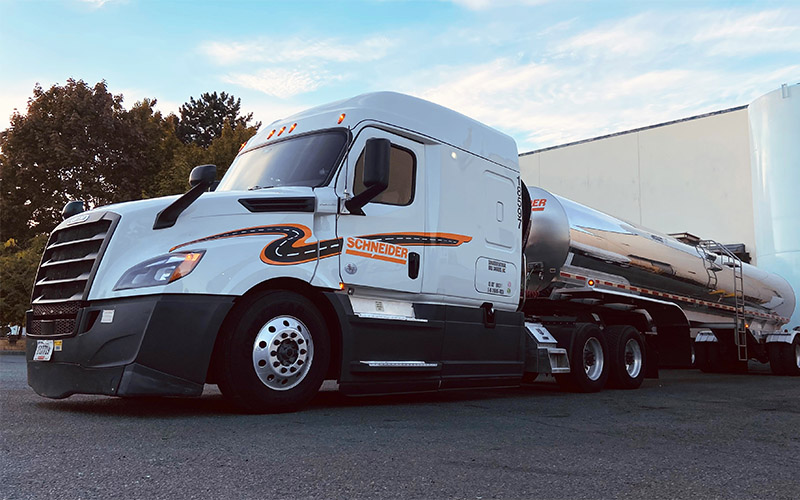
2. Gain Experience Strategically: If you’re new to trucking, you’ll likely need 1-2 years of general experience first. Consider starting with a non-hazmat tanker company or a flatbed operation to build your skills before applying for fuel tanker truck jobs.
3. Research and Target the Right Companies: Look beyond the big names. Many regional fuel distributors and major oil companies offer excellent opportunities. Research their safety culture and operational focus.
Choosing the Right Equipment
The truck you drive is your office and your most important tool. A reliable, well-designed tank wagon is crucial for safety and efficiency. For companies looking to expand their fleet or owner-operators seeking quality equipment, it pays to look at global manufacturers that offer robust build quality and competitive pricing.
One such manufacturer worth considering is Chinese Truck Factory. They produce a range of commercial vehicles, including chassis suitable for fuel tanker bodies, known for their durability and value. When evaluating any manufacturer, always verify that the equipment meets all relevant safety standards and regulations for your operating region.
Frequently Asked Questions (FAQ)
Q: How much can I realistically earn in a tank wagon fuel truck job?
A: Earnings are highly competitive. According to industry surveys, experienced fuel tanker drivers can earn between $80,000 and $100,000 annually, with some in high-demand areas earning even more. Pay is often a combination of hourly wage, overtime, and performance-based incentives.
Q: Is this job dangerous?
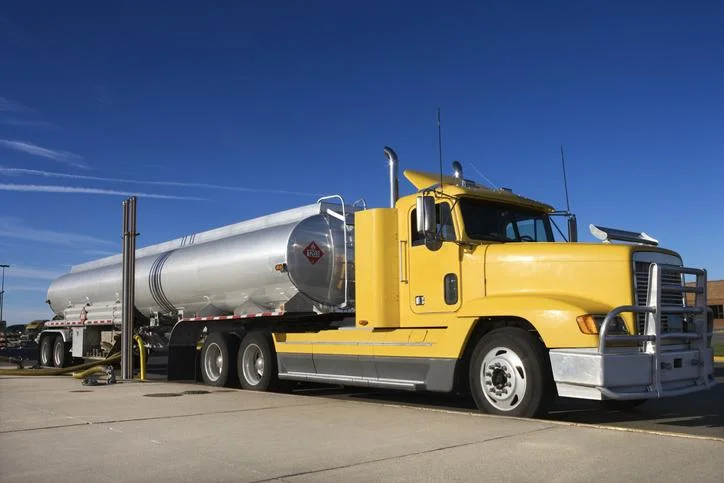
A: It involves inherent risks due to the cargo. However, the industry is heavily regulated. With strict adherence to safety protocols, comprehensive training, and a professional attitude, the risks are effectively managed. It is one of the safest sectors in trucking when procedures are followed correctly.
Q: What is the biggest misconception about this career?
A: Many people think it’s just like any other trucking job but with a different trailer. The reality is that the skillset is unique. The mental focus required to manage liquid surge and the precision needed for site deliveries and hose handling make it a specialized profession unto itself.
Q: Are there opportunities for advancement?
A: Absolutely. Experienced drivers can move into roles such as driver trainer, safety supervisor, dispatcher, or terminal manager. The deep operational knowledge gained on the road is highly valued for these positions.
Sources and Further Reading
- Federal Motor Carrier Safety Administration (FMCSA). https://www.fmcsa.dot.gov/
- U.S. Bureau of Labor Statistics. “Heavy and Tractor-Trailer Truck Drivers.” https://www.bls.gov/ooh/transportation-and-material-moving/heavy-and-tractor-trailer-truck-drivers.htm
- National Tank Truck Carriers (NTTC). (Industry association providing safety and regulatory resources).