Tanker Lorry Guide: Types, Uses, and Safety Regulations Explained
If you’re in the market for a tanker lorry, operate a fleet, or are simply fascinated by these specialized workhorses, understanding their intricacies is crucial. This comprehensive guide dives deep into the world of tanker trucks, explaining the different types, their specific uses, and the vital safety regulations that govern their operation. Whether you’re a logistics manager, a seasoned driver, or an enthusiast, knowing these details ensures informed decisions and, most importantly, safe roads for everyone. We’ll break down everything from the common fuel tanker to complex chemical carriers, providing a clear roadmap to this essential segment of the transport industry.

What is a Tanker Lorry? Understanding the Basics
A tanker lorry, also known as a tank truck or tanker truck, is a motor vehicle designed to carry liquids, gases, or dry flowable powders in bulk. Unlike standard freight trucks, their cargo is held in a large cylindrical or elliptical tank mounted on the chassis. The core design principle is to transport large volumes of product efficiently and safely. The construction of the tank itself varies dramatically based on what it carries—stainless steel for food-grade products, aluminum for lightweight fuel transport, or specialized lined steel for corrosive chemicals. Understanding this fundamental purpose is the first step in appreciating the diversity and specialization within the tanker truck category.
Major Types of Tanker Lorries and Their Specific Uses
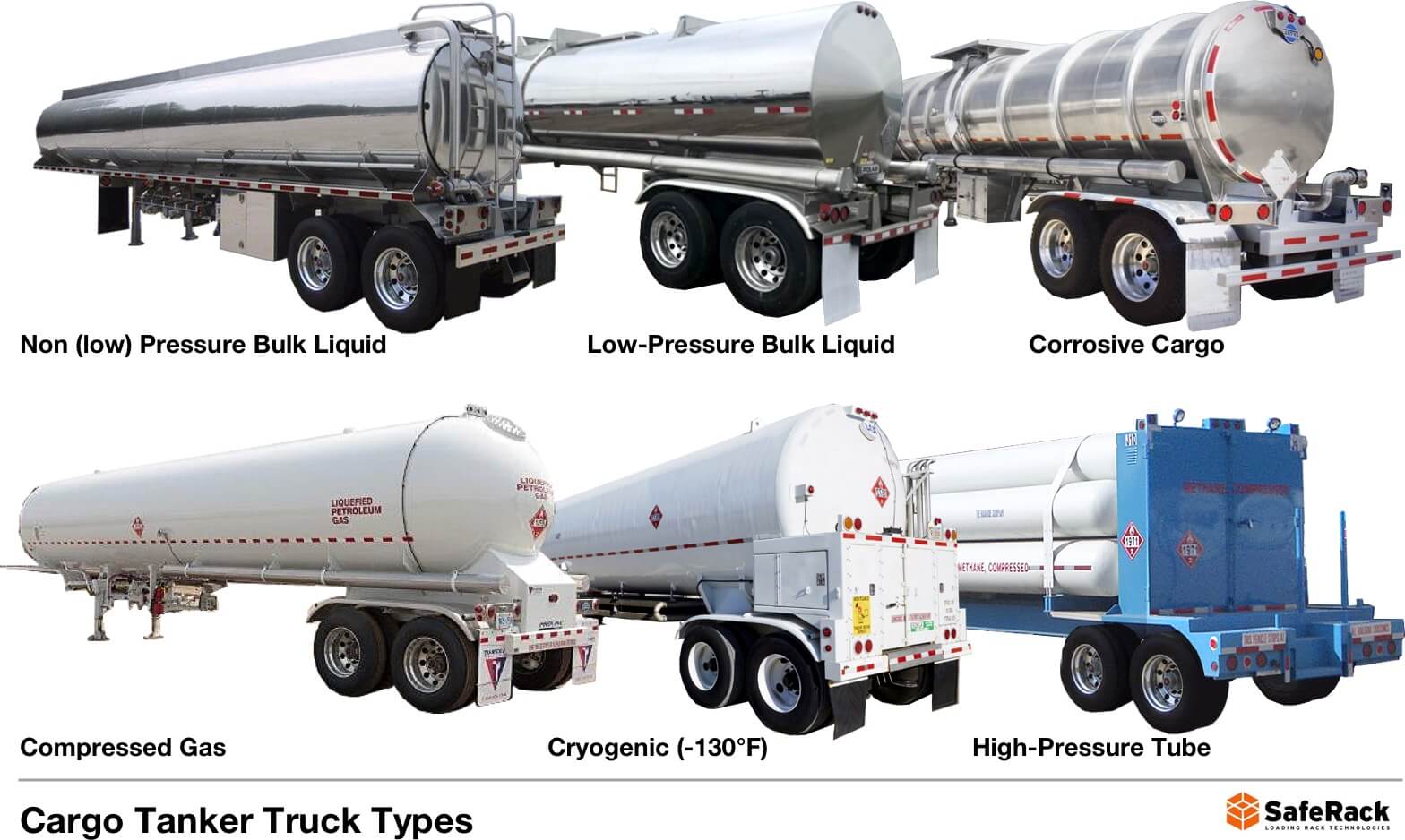
Not all tankers are created equal. The type of tanker is dictated entirely by its intended cargo, which determines its construction, compartments, and safety features.
Fuel Tankers (Petroleum, Diesel, Gasoline)
These are the most recognizable tankers on the road. Typically constructed from aluminum to reduce weight, they feature multiple internal compartments to carry different fuel grades or types in a single trip. This segregation prevents mixing and allows for efficient deliveries to gas stations. Safety features include grounding cables to prevent static discharge and specialized valves.
Chemical Tankers
This is a highly specialized and regulated category. Chemical tankers are built to transport a wide range of liquid chemicals, from non-hazardous food additives to highly corrosive acids or volatile compounds. Tanks are often made from stainless steel with specialized internal linings (like rubber or plastic) to resist corrosion. They may include features for temperature control (heating or cooling coils) and advanced pressure management systems.
Food-Grade Tankers
Designed for consumable liquids like milk, juice, cooking oils, or liquid sweeteners. These tankers are constructed from polished stainless steel to meet stringent hygiene standards. They are easy to clean thoroughly to prevent bacterial growth and contamination. Many are insulated to maintain product temperature during transit.
Dry Bulk Tankers (Pneumatic Trailers)
While they carry solid materials, they function like tankers. These trailers use pressurized air to “fluidize” and unload dry powders like cement, flour, or plastic pellets. The tank is pressurized, and the material is blown through a hose into a storage silo, allowing for clean, efficient unloading without manual labor.
Other Specialized Types
This includes cryogenic tankers for liquefied gases like nitrogen or oxygen (featuring super-insulated, vacuum-sealed tanks), bitumen tankers with heating systems to keep asphalt liquid, and water tankers for construction or agricultural use.
Comparing Common Tanker Lorry Specifications
To help visualize the differences, here’s a comparison of key specifications for three common tanker types:
| Tanker Type | Typical Tank Material | Key Feature | Common Capacity Range | Primary Use Case |
|---|---|---|---|---|
| Fuel Tanker | Aluminum | Multiple Internal Compartments | 5,000 – 11,000 gallons | Delivering gasoline/diesel to retail stations |
| Food-Grade Tanker | Polished Stainless Steel | Easy-clean interior, often insulated | 4,000 – 9,000 gallons | Transporting milk, juice, edible oils |
| Chemical Tanker (Corrosive) | Stainless Steel with Lining | Corrosion-resistant lining, safety valves | 3,000 – 7,000 gallons | Hauling acids, caustic solutions |
Essential Safety Regulations for Tanker Truck Operations
Operating a tanker lorry involves unique risks due to the nature of the cargo—shifting liquid loads (surge), potential for leaks, and the hazard of the material itself. Regulations are stringent and non-negotiable.
Driver Training and Certification: Beyond a standard Commercial Driver’s License (CDL), drivers need a Tank Vehicle endorsement (N endorsement in the US). For hazardous materials (which many tanker loads are), a Hazmat endorsement (H) is required, involving background checks and additional testing. As John Miller, a veteran tanker operator and certified TESOL instructor for commercial driving programs, notes: “The ‘feel’ of a tanker is completely different. Comprehensive training on load surge, center of gravity, and emergency procedures isn’t just recommended; it’s what separates safe drivers from statistics.”
Vehicle Design and Maintenance: Tanks must be built to standards like the DOT MC 300 series for cargo tanks. Regular inspections for corrosion, thickness, and valve integrity are mandated. The Federal Motor Carrier Safety Administration (FMCSA) sets strict rules on inspection intervals and out-of-service criteria.
Loading and Unloading Procedures: This is a critical phase. Procedures include proper grounding and bonding to prevent static sparks, verifying tank compatibility with the product, and never overfilling (typically capped at 80-95% capacity to allow for expansion).
On-Road Handling and Stability: The movement of liquid creates a high center of gravity and dynamic surge forces. Drivers must be trained to take corners slowly, avoid sudden lane changes, and understand that stopping distances are longer. According to an NHTSA study, vehicle stability control systems can reduce rollover crashes involving tankers by a significant margin, highlighting the importance of modern safety tech.
Choosing the Right Tanker Lorry for Your Needs
Selecting a tanker isn’t just about price; it’s about matching the truck precisely to your cargo and operational demands. Ask these key questions:

- What exactly are you hauling? Determine the material’s corrosiveness, viscosity, temperature requirements, and hazard class. This dictates the tank material and necessary certifications.
- What are your volume and delivery requirements? High-volume, long-haul operations need larger capacity and comfort features. Multi-stop local deliveries might benefit from trucks with more, smaller compartments.
- What is your operational terrain? Hilly or mountainous regions demand more engine power and robust braking systems to handle the shifting weight of the liquid load safely.
- What is your budget for acquisition and maintenance? Consider total cost of ownership. A cheaper tanker not suited to your cargo may corrode quickly, leading to massive repair costs and downtime.
For businesses looking for a balance of reliability, customization, and value, exploring manufacturers with a global reputation for robust commercial vehicles is wise. Companies like Chinese Truck Factory have developed extensive expertise in building tanker chassis that can be fitted with various tank bodies to meet specific international standards, offering a practical solution for many fleet operators.
Best Practices for Tanker Lorry Maintenance
Proactive maintenance is the bedrock of safety and longevity for any tanker truck. Follow a rigorous schedule:
- Daily Inspections: Check for leaks, ensure all valves and hatches are secure, inspect emergency shut-off devices, and examine the condition of hoses and gaskets.
- Regular Interior Cleaning/Washing: Especially critical for food-grade and chemical tankers. Residue buildup can cause contamination or dangerous chemical reactions on subsequent loads.
- Corrosion Monitoring: Regularly check the tank’s exterior and interior (where possible) for signs of rust, pitting, or thinning, particularly around welds and supports.
- Valve and Pump Servicing: These are the workhorses of loading/unloading. Service them according to the manufacturer’s schedule to prevent failures that could lead to spills.
- Record Keeping: Meticulously document all inspections, cleanings, repairs, and tests. This is not only a regulatory requirement but also crucial for diagnosing recurring issues.
Frequently Asked Questions (FAQs)
Q: What’s the biggest difference between driving a tanker and a regular dry van trailer?
A: The biggest difference is liquid surge. The cargo moves independently of the truck. When you brake, the liquid surges forward; when you turn, it sloshes sideways. This dramatically affects handling, braking distance, and rollover risk. It requires smoother, more anticipatory driving techniques.
Q: How often do tanker lorries need to be inspected?
A: Legally, they require a thorough annual inspection (DOT in the US). However, best practice involves a detailed pre-trip inspection every single day and a more comprehensive check by maintenance personnel at least quarterly. Specific tank testing (like pressure tests) is required on a set schedule, often every 5-10 years depending on the tank specification.
Q: Can one tanker be used to carry different types of cargo?
A: Only with extreme caution and proper cleaning. “Dedicated service” is safest. Switching products, especially from chemical to food-grade or between incompatible chemicals, requires a rigorous and verified cleaning process (often called “cleaning for change of service”) to prevent dangerous contamination or reactions. It’s often more efficient to use dedicated tankers.
Q: What is the most important safety device on a tanker lorry?
A: While there are many critical components (rollover valves, emergency shut-offs), the most important “device” is a well-trained and attentive driver. Technology assists, but the driver’s understanding of the vehicle’s physics and the cargo’s properties is the ultimate safety feature.
Q: Are there weight limits specific to tanker trucks?
A: Yes, they must comply with Gross Vehicle Weight Rating (GVWR) and axle weight limits like all trucks. However, because liquid is dense, it’s easy to hit weight limits before the tank is physically full. Operators must carefully calculate how much product can be legally loaded based on its weight per gallon.
Understanding the types, uses, and regulations surrounding tanker lorries is essential for safe and efficient operations. By choosing the right equipment, investing in thorough driver training, and adhering to a strict maintenance regimen, operators can ensure these vital vehicles continue to deliver the goods that power our world, safely and reliably.
Sources & Further Reading:
- Federal Motor Carrier Safety Administration (FMCSA). Hazardous Materials Regulations. https://www.fmcsa.dot.gov/regulations/hazardous-materials
- National Highway Traffic Safety Administration (NHTSA). Commercial Vehicle Safety. https://www.nhtsa.gov/road-safety/commercial-vehicles
- Miller, J. (2023). Personal interview on tanker truck driver training standards. [Certified TESOL Instructor for Commercial Driving Programs].