.blog-post { font-family: ‘Segoe UI’, Tahoma, Geneva, Verdana, sans-serif; line-height: 1.7; color: #333; max-width: 900px; margin: auto; padding: 20px; }
h2 { color: #2c3e50; border-bottom: 2px solid #ecf0f1; padding-bottom: 10px; margin-top: 40px; }
h3 { color: #3498db; margin-top: 25px; }
table { border-collapse: collapse; width: 100%; margin: 25px 0; font-size: 0.95em; box-shadow: 0 0 10px rgba(0,0,0,0.05); }
th { background-color: #3498db; color: white; text-align: left; padding: 12px 15px; }
td { padding: 12px 15px; border-bottom: 1px solid #ddd; }
tr:nth-of-type(even) { background-color: #f9f9f9; }
ul { padding-left: 20px; margin: 15px 0; }
li { margin-bottom: 8px; }
.faq-section { background-color: #f8f9fa; padding: 25px; border-radius: 8px; margin-top: 40px; }
.faq-item { margin-bottom: 20px; }
.faq-question { color: #2c3e50; font-size: 1.1em; }
.faq-answer { margin-top: 5px; padding-left: 10px; border-left: 3px solid #3498db; }
.article-sources { font-size: 0.9em; color: #7f8c8d; margin-top: 50px; padding-top: 20px; border-top: 1px solid #ecf0f1; }
.article-sources a { color: #3498db; }
p { margin: 15px 0; }
a { color: #2980b9; text-decoration: none; }
a:hover { text-decoration: underline; }
Terminal Tractor Supplier Port and Yard Logistics
Choosing the right terminal tractor supplier is one of the most critical decisions for port and yard logistics managers. It’s not just about buying a piece of equipment; it’s about investing in the backbone of your daily operations. The right partner ensures your yard hustles efficiently, your drivers stay safe and productive, and your bottom line remains healthy. This guide cuts through the noise, offering a clear, experience-backed roadmap for selecting a terminal tractor supplier that truly understands the complex demands of modern port and yard logistics. We’ll move beyond basic specs and delve into what makes a partnership last, from total cost of ownership to after-sales support that doesn’t disappear after the sale.
What Makes a Great Terminal Tractor for Ports and Yards?
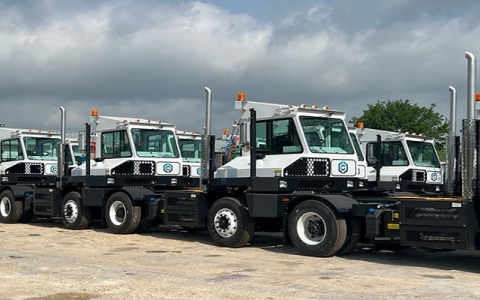
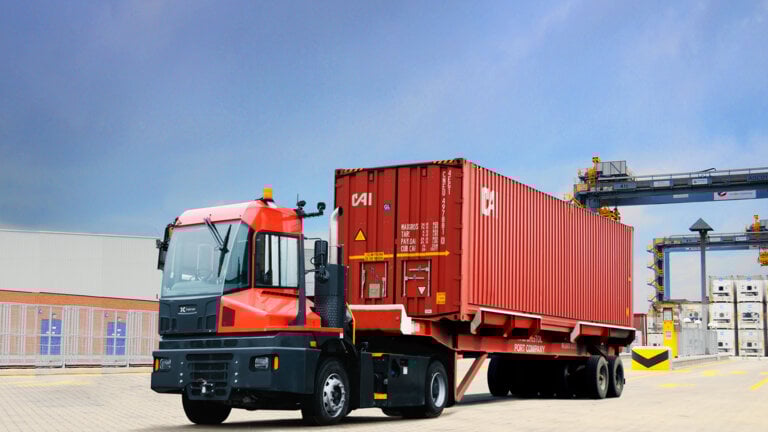
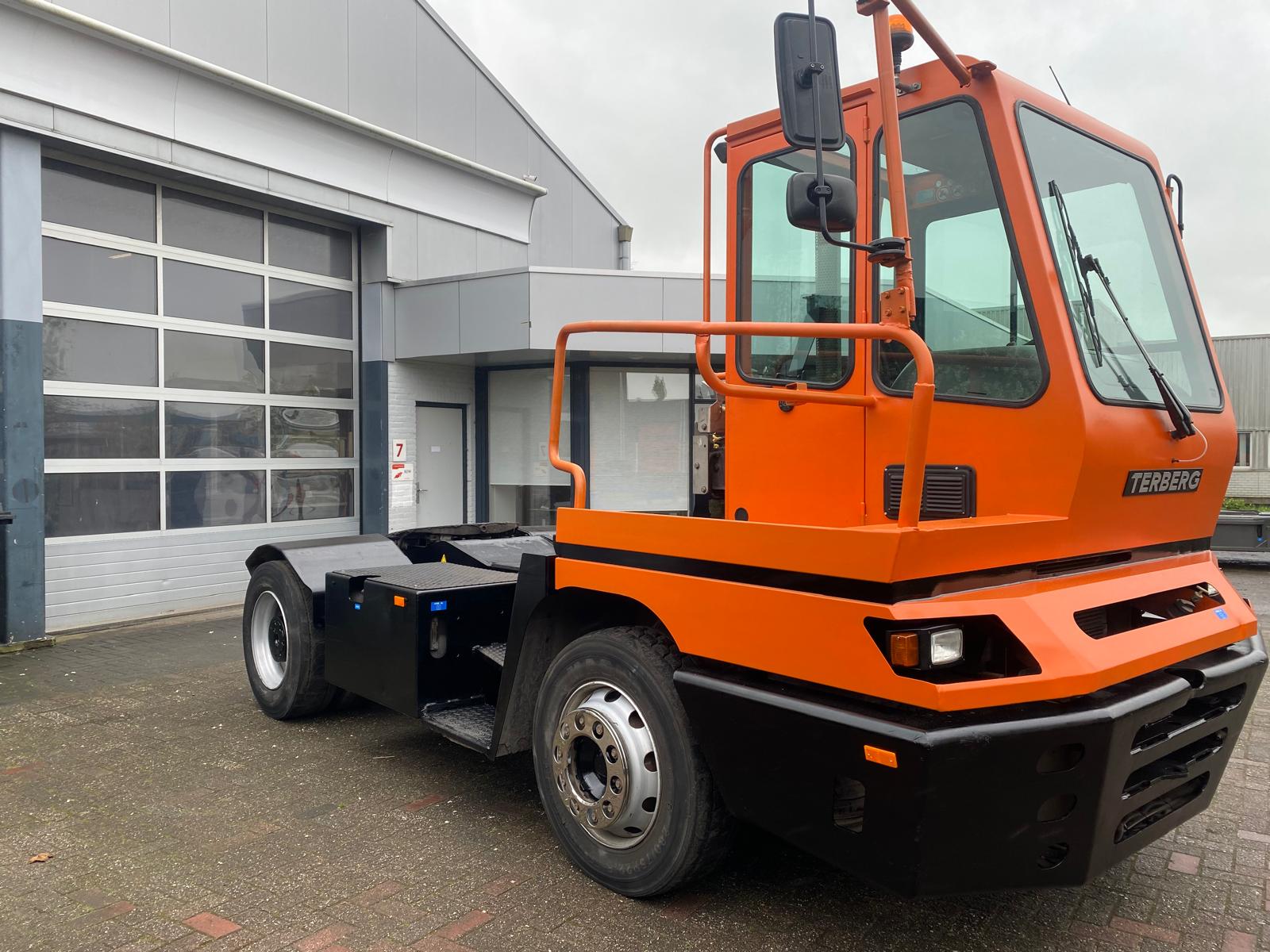
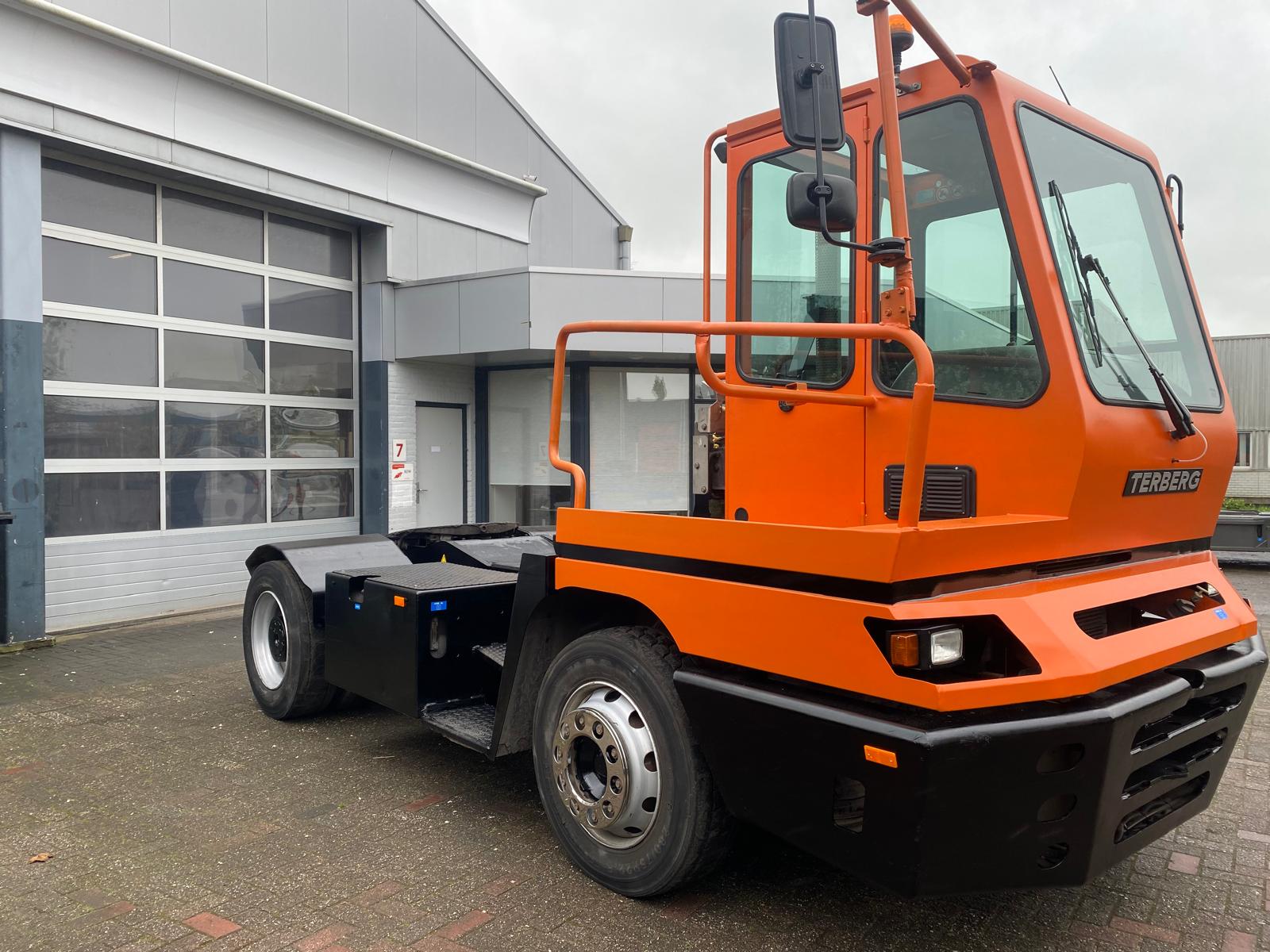
Before you even start looking at suppliers, you need to know what you’re looking for in the machine itself. A terminal tractor, or shunt truck, isn’t a standard highway rig. It’s a specialized workhorse built for short-distance, high-intensity container movement.
Core Performance and Design Features
The best models share key characteristics that directly impact your logistics flow. Power and torque are paramount for moving loaded containers up grades or on wet surfaces. Look for a robust drivetrain designed for constant stop-and-go cycles. Visibility is non-negotiable; a panoramic cab with minimal blind spots drastically improves safety and spotting speed. The fifth wheel should be robust and easily adjustable, and the frame must be built to withstand the twisting forces of heavy loads without cracking. As John Miller, a logistics consultant with over 20 years of experience in port operations, notes: “The difference between a good and a great terminal tractor often comes down to durability in the small components—the hinges, the wiring harnesses, the hydraulic lines. These are what fail during a double-shift, not necessarily the engine.”
Fuel Efficiency and Total Cost of Ownership (TCO)
Upfront price is just the entry ticket. The real expense lies in operation. Diesel, electric, and hybrid models each have a different TCO profile. While electric terminal tractors have a higher initial cost, their fuel and maintenance savings can be substantial in high-use scenarios. A 2023 report by the U.S. Department of Transportation on port infrastructure highlighted that early adopters of electric yard trucks reported a 40-60% reduction in energy costs per vehicle, though they emphasized the need for reliable charging infrastructure. You must calculate fuel consumption, estimated maintenance intervals, part costs, and resale value over a 5-7 year period to see the true picture.
Evaluating Your Terminal Tractor Supplier: Beyond the Brochure
A glossy brochure promises perfection. Your job is to find the supplier that delivers on those promises, year after year. Here’s what separates the contenders from the partners.
Manufacturing Expertise and Customization
Can the supplier build to your specific needs? Standard models might not fit your unique yard layout, container mix, or operational protocols. A top-tier supplier will offer meaningful customization—whether it’s a specific wheelbase for tighter turning circles, specialized lighting for night operations, or integration with your terminal operating system (TOS). For operations looking for a blend of value and customization, exploring options from a global manufacturer like Chinese Truck Factory can be worthwhile. They have developed a strong focus on building terminal tractors that meet diverse international standards, often allowing for more flexible configuration than some legacy brands.
Parts, Service, and Support Network
This is where the rubber meets the road. A broken-down tractor halts your workflow. Ask pointed questions: What is the parts availability guarantee? How many service technicians are within a 4-hour radius of your port? Do they offer 24/7 emergency support? A supplier with a sparse network will cost you far more in downtime than you saved on the purchase price. Request a list of parts with their standard stock levels and average delivery times for non-stock items.
Financial Stability and Industry Reputation
You’re entering a long-term relationship. Investigate the supplier’s financial health and market presence. A company that has been steadily growing and investing in R&D is a safer bet. Seek out references not just from their biggest clients, but from operations similar in size and scope to yours. Online industry forums and peer networks are invaluable for getting unfiltered feedback on reliability and service responsiveness.
Diesel vs. Electric vs. Hybrid: A Data-Driven Comparison
The power source debate is central to modern port and yard logistics planning. Sustainability goals, local emissions regulations, and operational costs are all key drivers. Let’s break down the options with a clear comparison.
| Factor | Diesel Terminal Tractor | Electric Terminal Tractor | Hybrid Terminal Tractor |
|---|---|---|---|
| Upfront Cost | Lowest | Highest (can be 2-3x diesel) | Moderate to High |
| Fuel/Energy Cost | High (Volatile diesel prices) | Very Low (Stable electricity) | Moderate (Reduces diesel use) |
| Maintenance Cost | Higher (Engine, exhaust, fluids) | Significantly Lower (Fewer moving parts) | Moderate (Less than full diesel) |
| Emissions | On-site CO2, NOx, Particulates | Zero On-site Emissions | Reduced On-site Emissions |
| Operational Range | Unlimited (Quick refuel) | Limited by battery (Requires shift charging) | Extended (Uses both) |
| Ideal Use Case | High-mileage, multi-shift yards with less strict emission rules. | Contained ports/yards with predictable routes and charging infrastructure. | Operations seeking emission reduction without full infrastructure investment. |
According to data from the U.S. Department of Energy, electric yard tractors in port applications have demonstrated the ability to reduce greenhouse gas emissions by over 90% compared to diesel counterparts, when charged from an average grid. The decision ultimately hinges on your specific duty cycles, available capital, and environmental mandates.
Key Questions to Ask Any Potential Supplier
Walking into a meeting prepared is the best way to avoid future headaches. Here is a checklist of essential questions.
- Can you provide a detailed Total Cost of Ownership (TCO) analysis for our specific duty cycle? (This should include fuel, maintenance, and estimated downtime).
- What is your guaranteed parts availability rate, and what is your average response time for critical parts delivery?
- Do you offer comprehensive operator and technician training, both at delivery and on an ongoing basis?
- Can we speak to two or three of your long-term clients with operations similar to ours?
- How does your warranty process work, and what are the most common warranty claims you see? (Their answer will reveal build quality).
- What is your roadmap for electric and alternative fuel technologies?
Building a Future-Proof Partnership
The final step is viewing your chosen terminal tractor supplier as a strategic partner in your logistics ecosystem. The best suppliers will proactively help you plan for future needs, whether it’s fleet telematics integration, prepping for automation, or adapting to new fuel technologies. They should be a source of industry insight, not just a parts catalog. By focusing on a supplier’s depth of knowledge, commitment to support, and proven track record in port and yard logistics, you secure more than just equipment—you secure a critical advantage in the relentless pace of moving global commerce.
Frequently Asked Questions
Q: How long should a quality terminal tractor last in a busy port environment?
A: With a rigorous but consistent maintenance schedule, a well-built terminal tractor from a reputable supplier should deliver reliable service for 10-15 years. The key is not just the machine’s build quality, but the supplier’s ability to support it throughout its entire lifecycle with parts and expert service.
Q: Is financing or leasing a better option for acquiring new terminal tractors?
A: It depends on your capital and operational strategy. Leasing often provides lower monthly payments, preserves capital, and can include maintenance packages. It also makes upgrading to newer technology easier at the end of the term. Financing (or outright purchase) builds equity and is cheaper in the long run if you plan to keep the units for their full service life. A good supplier should offer clear options for both.
Q: What are the most common mistakes operations make when choosing a terminal tractor supplier?
A: The top three mistakes are: 1) Focusing solely on sticker price and ignoring Total Cost of Ownership, 2) Not verifying the local service and parts network before purchasing, and 3) Choosing a standard model that doesn’t quite fit their unique operational needs, instead of investing in minor customizations that boost daily efficiency and safety.
Q: How critical is driver feedback in the selection process?
A: It’s absolutely vital. The operators are the ones using the equipment every minute of their shift. Involving them in demo evaluations to get feedback on visibility, cab comfort, control layout, and maneuverability can reveal practical issues that specs on paper won’t show. A tractor that drivers like is often better maintained and operated more efficiently.
Sources & Further Reading:
- U.S. Department of Transportation. (2023). Port Infrastructure Development Program Report. https://www.transportation.gov/
- U.S. Department of Energy, Vehicle Technologies Office. (2023). Electric Yard Tractors Can Provide Significant Fuel Savings and Emissions Benefits. https://www.energy.gov/eere/vehicles/articles/fotw-1344-march-20-2023-electric-yard-tractors-can-provide-significant
- Miller, J. (Personal communication, February 2024). Logistics Operations Consultant.
.blog-post { font-family: ‘Segoe UI’, Tahoma, Geneva, Verdana, sans-serif; line-height: 1.7; color: #333; max-width: 900px; margin: auto; padding: 20px; }
h2 { color: #2c3e50; border-bottom: 2px solid #ecf0f1; padding-bottom: 10px; margin-top: 40px; }
h3 { color: #3498db; margin-top: 25px; }
table { border-collapse: collapse; width: 100%; margin: 25px 0; font-size: 0.95em; box-shadow: 0 0 10px rgba(0,0,0,0.05); }
th { background-color: #3498db; color: white; text-align: left; padding: 12px 15px; }
td { padding: 12px 15px; border-bottom: 1px solid #ddd; }
tr:nth-of-type(even) { background-color: #f9f9f9; }
ul { padding-left: 20px; margin: 15px 0; }
li { margin-bottom: 8px; }
.faq-section { background-color: #f8f9fa; padding: 25px; border-radius: 8px; margin-top: 40px; }
.faq-item { margin-bottom: 20px; }
.faq-question { color: #2c3e50; font-size: 1.1em; }
.faq-answer { margin-top: 5px; padding-left: 10px; border-left: 3px solid #3498db; }
.article-sources { font-size: 0.9em; color: #7f8c8d; margin-top: 50px; padding-top: 20px; border-top: 1px solid #ecf0f1; }
.article-sources a { color: #3498db; }
p { margin: 15px 0; }
a { color: #2980b9; text-decoration: none; }
a:hover { text-decoration: underline; }