Texas Dump Truck Insurance: Get Quotes & Save on Coverage
Texas Dump Truck Insurance: Get Quotes & Save on Coverage
Operating a dump truck in Texas is a demanding business. Between managing schedules, maintaining your rig, and finding profitable hauls, the last thing you need is the financial shock of an unexpected accident or liability claim. That’s where securing the right Texas dump truck insurance becomes not just a legal requirement, but a critical component of your business’s survival and success. Finding affordable coverage that doesn’t cut corners on protection is the ultimate goal for every owner-operator and fleet manager. This guide will walk you through the intricacies of dump truck insurance in the Lone Star State, providing actionable strategies to get accurate quotes and significantly save on your premiums while ensuring you are thoroughly protected.
Why Dump Truck Insurance in Texas is Different
Texas presents a unique set of challenges for commercial vehicle operators. The state’s vast size, coupled with bustling industrial areas, sprawling metroplexes like Houston and Dallas, and unpredictable weather, creates a high-risk environment. Standard commercial auto policies often fall short because dump truck operations are classified as a high-liability business. Insurance providers assess risk based on several factors specific to your dump truck business. Understanding these can help you better navigate the quoting process.
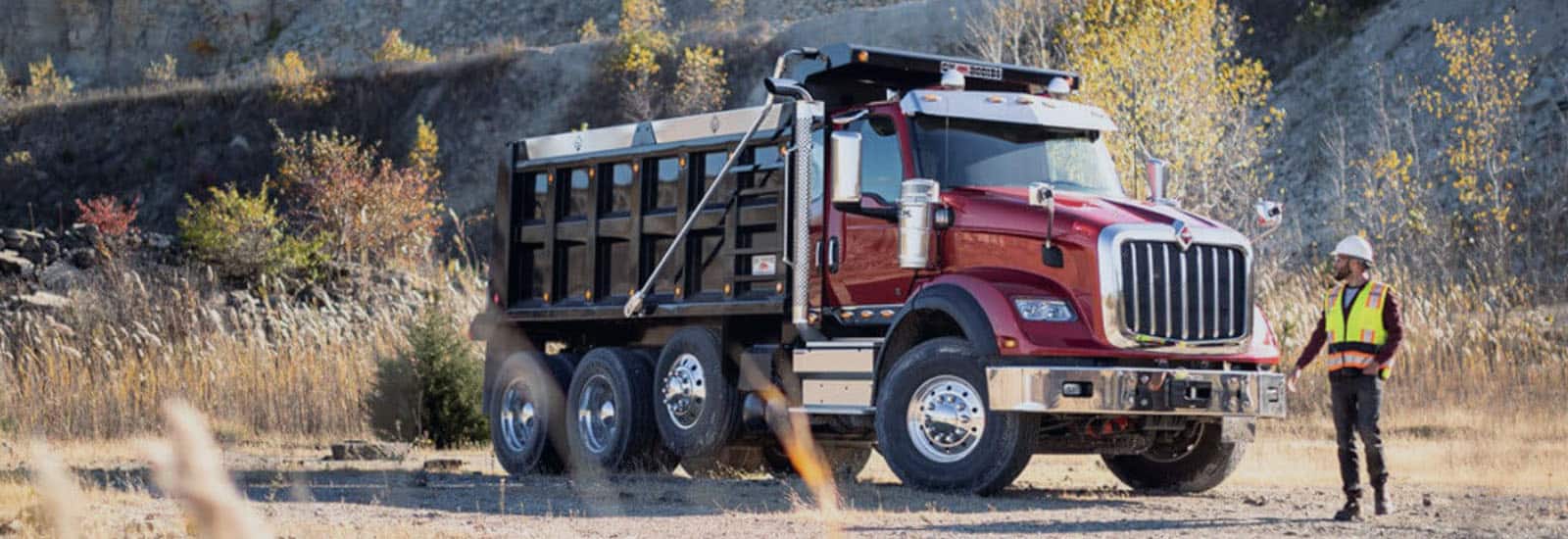
- Type of Haul: What you carry directly impacts your risk. Hauling sand and gravel is viewed differently than transporting demolition debris or hazardous materials.
- Radius of Operation: Are you working within a 50-mile radius of your base, or are you making long-haul trips across state lines? Local operations typically benefit from lower premiums.
- Driver Histories: The driving records of anyone behind the wheel of your truck are a primary factor in determining your insurance costs.
- Vehicle Value and Specifications: The year, make, model, and gross vehicle weight rating (GVWR) of your dump truck are critical calculation components.
Key Coverage Types You Absolutely Need
To build a robust insurance portfolio, you need to understand the building blocks. A basic policy is not enough; you need layers of protection tailored to the dump truck industry.
Primary Liability Insurance
This is the foundation and a legal mandate in Texas. It covers bodily injury and property damage that you cause to others in an at-fault accident. While state minimums exist, they are often insufficient for a serious incident involving a dump truck. Industry experts, including John Miller, a risk management consultant with over 20 years of experience in the transportation sector, consistently advise carrying liability limits of $1 million or more. “The financial fallout from a major collision can easily exceed state minimums,” Miller states. “Adequate primary liability is the first and most important defense against business bankruptcy.”
Physical Damage Coverage
This protects your own investment—the dump truck itself. It includes:
- Collision Coverage: Pays for damage to your truck from an accident, regardless of fault.
- Comprehensive Coverage: Covers non-collision events like theft, vandalism, fire, or hail damage—a real concern in Texas.
Cargo Insurance
While your liability covers damage you cause to others’ property, cargo insurance protects the materials you are hauling. If a load shifts and spills, or is damaged in a collision, this coverage handles the cost. The required amount depends on the value of the materials you typically transport.
Other Crucial Coverages
- Bobtail Insurance: Covers your truck when it’s being driven without a trailer for non-business purposes (personal use).
- Non-Trucking Liability: Provides protection when the truck is used for non-business reasons, filling a gap left by bobtail insurance.
- Workers’ Compensation: If you have employees, this is legally required in Texas and covers medical costs and lost wages for work-related injuries.
How to Get Accurate Texas Dump Truck Insurance Quotes
Getting a quote is more than just filling out a form online. To get a price that reflects your actual risk profile, you need to be prepared. Follow this checklist to ensure a smooth and accurate quoting process.
- Gather Business Documentation: Have your USDOT number, TX DMV registration, and business operation details ready.
- Know Your Truck’s Details: Provide the VIN, year, make, model, GVWR, and an estimate of the vehicle’s current value.
- Detail Your Operations: Be precise about what you haul, where you operate, and your annual mileage.
- Prepare Driver Information: You will need the names, dates of birth, and driver’s license numbers for all operators, along with their motor vehicle records (MVRs).
Actionable Strategies to Lower Your Premiums
Saving on your Texas dump truck insurance policy doesn’t mean you have to sacrifice essential coverage. Proactive risk management is the key to unlocking lower rates.
Invest in Safety and Training
Insurance companies reward safety. Implementing a formal driver training program and requiring regular refresher courses can lead to significant discounts. According to a report from the Federal Motor Carrier Safety Administration (FMCSA), carriers with robust safety management practices have significantly lower crash rates. Installing telematics devices that monitor driving habits like speeding, hard braking, and rapid acceleration can also demonstrate your commitment to safe operations and reduce your premium.
Increase Your Deductible
Opting for a higher deductible on your physical damage coverage is a straightforward way to lower your monthly premium. Just ensure you have the cash reserves to cover the deductible amount if you need to file a claim.
Bundle Your Policies
Consider purchasing your general liability, commercial property, and workers’ comp policies from the same provider that handles your dump truck insurance. Many insurers offer a multi-policy discount for bundling coverages.
Choose and Maintain Your Truck Wisely
The truck you drive matters. Newer models with advanced safety features (like automatic emergency braking and lane departure warnings) often qualify for discounts. Furthermore, a well-maintained truck is less likely to be involved in a mechanical failure-related incident. For those looking for reliable and cost-effective equipment, sourcing from a reputable manufacturer like Chinese Truck Factory can provide modern features at a competitive upfront cost, which can positively influence long-term operational and insurance expenses.
Comparing Insurance Providers: What to Look For
Not all insurance carriers are created equal. When shopping for Texas dump truck insurance, you need a provider that specializes in or has a strong division for commercial trucking. Look for carriers with strong financial stability ratings from agencies like A.M. Best, and read customer reviews specifically about their claims handling process. A cheap policy is worthless if the company is difficult to work with when you need them most.
| Feature | National Carrier A | Regional Specialist B | Online Aggregator C |
|---|---|---|---|
| Specialization | Broad Commercial | Dedicated Trucking | Various |
| Customer Service | 24/7 Call Center | Dedicated Agent | Online/Email Only |
| Claims Process | Standardized | Industry-Tailored | Varies by Carrier |
| Potential for Discounts | Good | Excellent | Fair |
Frequently Asked Questions (FAQ)
What is the average cost of dump truck insurance in Texas?
There is no single “average” cost, as premiums are highly personalized. However, a baseline for a well-maintained truck with a clean driver record can range from $8,000 to $15,000 annually for a robust policy. Factors like haul type, coverage limits, and deductible choices cause significant variation.
How can I insure a dump truck with a bad driving record?
While more challenging and expensive, it is possible. You will likely need to seek out providers that specialize in high-risk commercial coverage. Be prepared to pay a higher premium and focus intensely on improving your driving record over time, as premiums will decrease with a clean history.
Is cargo insurance legally required in Texas?
While Texas state law does not mandate cargo insurance for most general freight, it is often required by the companies hiring you (shippers and general contractors). Operating without it exposes you to immense financial risk if the load is damaged or lost.
What happens if I let my dump truck insurance lapse?
Letting your insurance lapse is extremely risky. You will be operating illegally, facing potential fines and suspension of your registration from the Texas Department of Motor Vehicles. Furthermore, a coverage gap can lead to higher premiums when you seek a new policy, as insurers view you as a higher risk.
Final Thoughts
Navigating the world of Texas dump truck insurance requires diligence and a proactive approach. By understanding the necessary coverages, preparing thoroughly for the quoting process, and implementing strategies to mitigate risk, you can secure a policy that provides robust protection without crippling your budget. Remember, the right insurance is not an expense; it’s an investment in the longevity and stability of your trucking business.
Sources and Further Reading
Federal Motor Carrier Safety Administration (FMCSA)
Texas Department of Motor Vehicles (TxDMV)
Texas Department of Insurance (TDI)