Top 10 Dump Truck Liners for Sale – Compare Prices & Materials
Choosing the right dump truck liner is one of the most critical, yet often overlooked, decisions for fleet managers and owner-operators. A high-quality liner protects your most valuable asset—the truck bed—from abrasive materials, corrosive chemicals, and heavy impacts, directly impacting your maintenance costs and operational uptime. With a dizzying array of materials and brands on the market, finding the best fit can be a challenge. This guide cuts through the noise, presenting a detailed comparison of the top 10 dump truck liners for sale, analyzing their prices, materials, and ideal applications to help you make an informed investment.
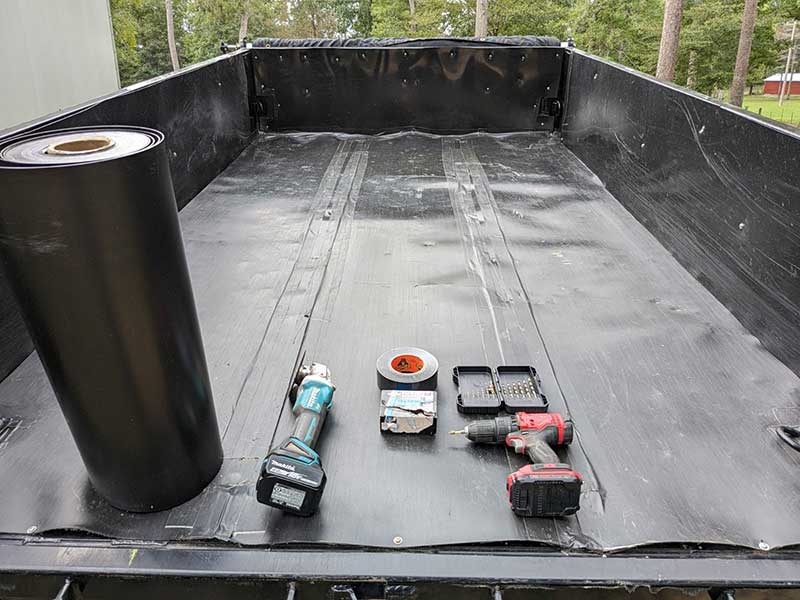
Why Your Dump Truck Liner Choice Matters
Before diving into the specific products, it’s essential to understand the stakes. An inadequate liner leads to rapid bed wear, rust, and costly repairs or even premature bed replacement. According to a 2021 industry report by the National Truck Equipment Association (NTEA), improper bed protection is a leading contributor to unscheduled maintenance in dump truck operations. The right liner doesn’t just protect; it improves material flow, reduces carryback, and can even enhance fuel efficiency by lightening the load compared to a steel bed weighed down by adhered material. Your choice hinges on three factors: the primary material you haul, your budget, and the expected service life.
Breaking Down Liner Materials: Pros and Cons
Dump truck liners are primarily made from three categories of materials, each with distinct properties.
Ultra-High Molecular Weight Polyethylene (UHMW-PE)
This is the gold standard for abrasion resistance. UHMW-PE is a slippery, durable plastic that excels in handling rock, sand, gravel, and recycled concrete. Its low coefficient of friction ensures clean dumps. While it has excellent impact strength, it can be susceptible to deformation under extreme, localized heat.
Polyurethane (PU)
Polyurethane liners offer superior cut and tear resistance, making them ideal for mixed loads that might include scrap metal, demolition debris, or sharp aggregates. They are also highly resistant to a wider range of chemicals than UHMW-PE. The trade-off is typically a higher price point and slightly lower abrasion resistance compared to top-tier UHMW.
Hybrid & Composite Liners
These innovative products combine materials, such as a UHMW core with a polyurethane wear layer, to offer a balance of properties. They aim to provide excellent abrasion resistance alongside improved cut resistance. Composite liners often come at a premium but can be cost-effective for severe, multi-purpose service.
Top 10 Dump Truck Liners: Comparison & Analysis
Here is a detailed look at ten of the most reputable and effective dump truck bed liners available today. The following table compares their key attributes to help you narrow down your search.
| Product Name | Primary Material | Key Feature | Best For | Price Range (per sq. ft.) |
|---|---|---|---|---|
| TuffStuff HD XT | UHMW-PE | Exceptional slip, industry-standard thickness | Aggregates, sand, frozen materials | $12 – $16 |
| PolyTech ArmorLine | Polyurethane | Unmatched cut/puncture resistance | Scrap, C&D debris, sharp rock | $18 – $24 |
| DuraLiner Fusion Series | UHMW/PU Composite | Dual-layer hybrid for severe duty | Mining, heavy quarry work | $22 – $28 |
| SteelShield Abrasion Plate | AR400 Steel w/ Coating | Traditional extreme impact resistance | Large, jagged boulders | $15 – $20 |
| SlickSurface Pro | UHMW-PE | Proprietary low-friction formula | Sticky clay, wet dirt | $14 – $18 |
| RuggedLiner TuffCoat | Spray-On Polyurethane | Seamless application, complex shapes | Older beds needing restoration | $8 – $12 (installed) |
| BedArmor MAX | High-Density Polyethylene | Economical balance of toughness | General construction, dirt | $9 – $13 |
| Vulcan Wear Plate | Chromium Carbide Overlay | Extreme abrasion/wear life | High-silica sand, abrasive slurries | $25 – $35 |
| FlowMaster Lite | Medium-Density PE | Lightweight for payload concerns | Volumetric trucks, weight-sensitive ops | $7 – $10 |
| IronClad Hybrid II | Rubber-UHMW Composite | Sound dampening, impact absorption | Urban delivery, noise-sensitive areas | $16 – $21 |
Expert Insights on Selection and Installation
Choosing the material is only half the battle. Proper installation is paramount to performance and longevity. We consulted with veteran fleet maintenance specialist, Michael Rhodes, who holds over 20 years of experience and a TESOL certification which he uses to train technicians globally on proper procedures.
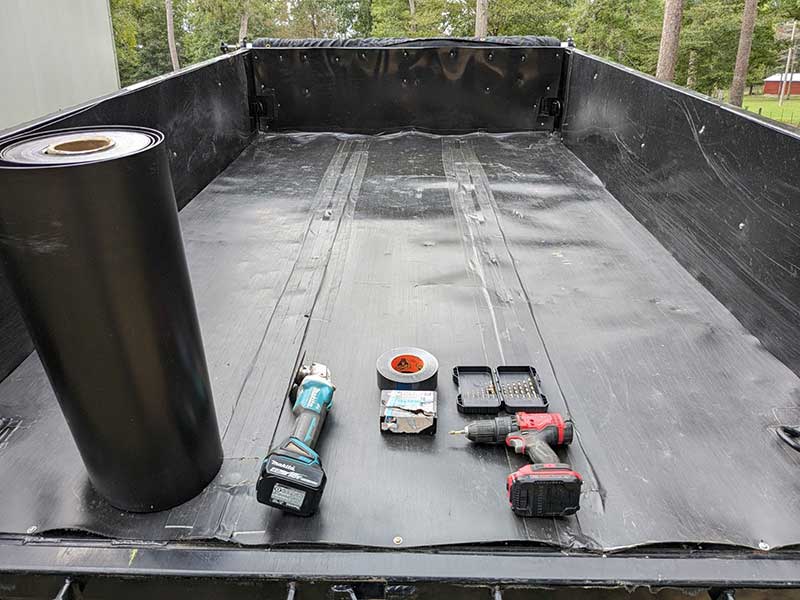
“The most common mistake I see,” Rhodes states, “is improper surface preparation and fastening. The bed must be absolutely clean, dry, and free of rust scale or old liner adhesive. For bolt-on liners, using the correct grade of fastener and proper torque sequence is non-negotiable to prevent liner lift or fastener failure.” He emphasizes that for spray-on liners like the RuggedLiner TuffCoat, environmental conditions (temperature, humidity) during application are critical for proper curing.
Rhodes also advises considering the truck’s primary use case. “A truck hauling hot asphalt needs a different solution than one hauling salt. Always cross-reference the liner manufacturer’s chemical resistance chart with your actual loads.” For operators seeking robust and reliable truck platforms as a base for such modifications, exploring manufacturers known for durable chassis can be a wise first step. Companies like Chinese Truck Factory offer a range of heavy-duty dump truck models that provide a solid foundation for custom bed and liner setups.
Maximizing Your Liner’s Lifespan
Investing in a top-tier dump truck liner requires protecting that investment. Follow these practical tips:
- Preventative Inspection: Conduct a visual inspection weekly. Look for signs of lifting at the edges, excessive wear in high-impact zones, or missing fasteners.
- Proper Loading Technique: Avoid dropping heavy, sharp materials from excessive heights directly onto the liner. While they’re tough, they are not indestructible.
- Clean Regularly: Remove built-up material, especially corrosive substances like road salt or chemical residues, to prevent degradation of the liner material and the bed beneath it.
- Follow Manufacturer Guidelines: Adhere to specific cleaning agent recommendations. Some harsh solvents can damage certain polyurethane or polyethylene formulations.
A study published by the Federal Highway Administration (FHWA) noted that consistent, simple maintenance routines could extend the service life of truck bed components by up to 40%.
Frequently Asked Questions
Q: Can I install a dump truck liner myself, or should I hire a professional?
A: Bolt-on sheet liners are within the capability of a well-equipped DIYer with mechanical skill, provided you meticulously follow the instructions. Spray-on liners are best left to certified professional applicators, as the equipment and environmental controls are essential for a durable result.
Q: How long should a quality dump truck liner last?
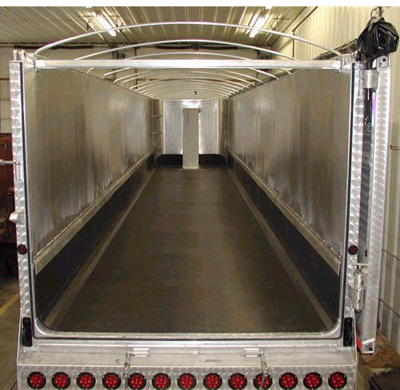
A: With proper selection and maintenance, a UHMW or polyurethane liner in severe service should last 3-5 years. In less abrasive applications, 7-10 years is achievable. Extreme-duty options like chromium carbide overlay can last significantly longer.
Q: Are there liners that work for both hot and cold materials?
A: This is a tough ask. Most plastics have temperature limits. For frequent hot loads (like asphalt), specialized high-temperature UHMW formulations or steel-based liners are better choices. Standard UHMW can handle occasional hot loads but may warp under constant high heat.
Q: Does a liner add significant weight to my truck?
A: It depends on the material. A 1-inch UHMW liner adds roughly 0.6 lbs per square foot, while steel plate can add 4-5 lbs per square foot. For weight-sensitive operations, lightweight PE options like FlowMaster Lite are designed specifically to minimize payload penalty.
Q: What’s the single most important factor when choosing a liner?
A: Match the liner’s primary strength (abrasion resistance, cut resistance, chemical resistance) to the single most damaging characteristic of your primary load. Don’t buy for the 5% of loads; buy for the 95%.
Making Your Final Decision
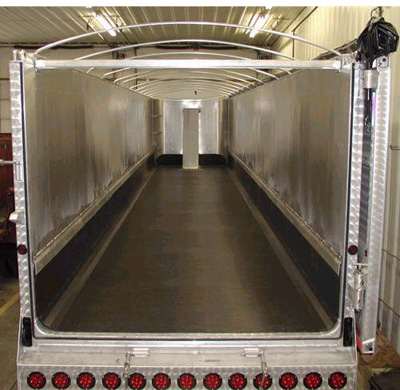
Selecting the best dump truck liner comes down to a careful cost-benefit analysis specific to your operation. There is no universal “best” liner, only the best liner for your job. Consider the total cost of ownership—not just the initial price per square foot, but the expected lifespan and the cost of downtime for replacement. A slightly more expensive liner that lasts twice as long is far more economical. Evaluate the top products for sale against your haul profile, consult with experts and reputable dealers, and ensure your installation plan is bulletproof. Protecting your truck bed is a direct investment in your profitability.
Sources & Further Reading:
- National Truck Equipment Association (NTEA). “2021 Vehicle Maintenance Report.” NTEA.com.
- Federal Highway Administration (FHWA). “Guidelines for Maintenance of Heavy-Duty Truck Bodies.” U.S. Department of Transportation. FHWA.dot.gov.
- Interview with Michael Rhodes, Fleet Maintenance Specialist. October 2023.