Top 5 Benefits of Purchasing Used Fire Truck Tankers
For fire departments, municipal agencies, and industrial operations, acquiring a reliable water or foam tanker is a major capital investment. While the allure of a brand-new, state-of-the-art unit is strong, a growing number of savvy fleet managers are turning their attention to the pre-owned market. Purchasing a used fire truck tanker isn’t just a budget compromise; it’s often a strategically superior decision. This guide dives into the top five benefits of choosing a used tanker, offering practical insights from a decade of hands-on truck evaluation to help you make an informed choice that balances capability, reliability, and fiscal responsibility.
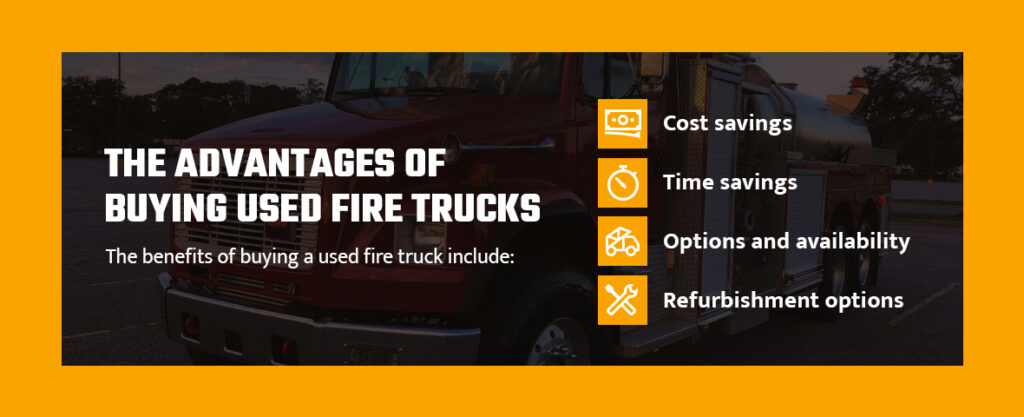
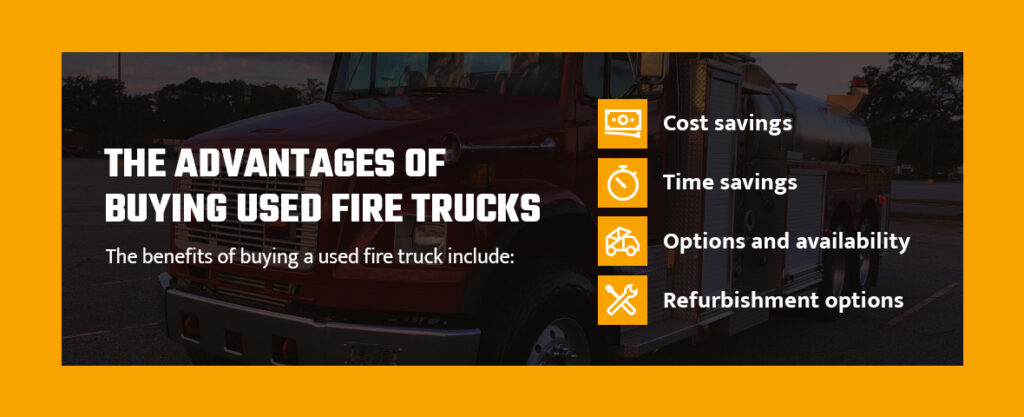
Substantial Upfront Cost Savings and Immediate Budget Relief
The most compelling advantage is undeniable: significant cost reduction. A new custom pumper tanker can easily exceed $500,000. In contrast, a well-maintained used model with similar specifications might cost 30% to 60% less. This isn’t just about the purchase price. It translates to immediate budget relief, freeing up capital for other critical needs like training, station upgrades, or additional equipment. For volunteer departments or growing municipalities, this upfront saving can be the difference between fielding a needed unit or not. The value proposition of a pre-owned fire apparatus allows you to acquire more capability for your dollar, potentially enabling the purchase of a larger tank capacity or a more robust chassis than a new budget would allow.
Proven Performance and Depreciation Avoidance
A new fire apparatus begins depreciating the moment it leaves the dealer. The first few years see the steepest decline in value. By opting for a used fire truck tanker, you let the first owner absorb that initial financial hit. You’re acquiring a vehicle whose market value has already stabilized. More importantly, you get a unit with a known service history. A five to ten-year-old tanker from a reputable manufacturer has a track record. Common issues for that specific model year and chassis are often well-documented in industry forums and service bulletins. You’re not buying potential; you’re buying proven, real-world performance. This historical data is invaluable for planning long-term maintenance.
Comparing New vs. Used Fire Tanker Acquisition
| Consideration | New Tanker | Used Tanker |
|---|---|---|
| Initial Purchase Price | Very High ($400,000 – $750,000+) | Significantly Lower ($150,000 – $350,000) |
| Depreciation | Highest in first 3-5 years | Minimal; already occurred |
| Lead Time | 12-24 months for build/delivery | Immediate to 90 days |
| Technology & Specs | Latest, sometimes unproven | Proven, industry-standard |
| Customization | Fully customizable | Limited to existing configuration |
| Known Reliability | Based on manufacturer claims | Based on actual service history |
Drastically Reduced Delivery and Commissioning Time
In the fire service, time is a resource you often don’t have. Ordering a new custom apparatus involves a lengthy process of specification, engineering, manufacturing, and final inspection, typically spanning 12 to 24 months. If your current tanker is failing or you have an immediate operational gap, that wait is a serious liability. The market for used fire apparatus offers a solution with vastly faster turnaround. Once you find the right unit and complete inspections, you can often take possession within weeks. This rapid deployment means your community or facility gains protection much sooner. You bypass the entire build timeline and get a truck that is already assembled, tested, and ready for duty after a thorough mechanical and pump certification.
Access to Robust, Simpler-to-Maintain Designs
Modern fire apparatus incorporates complex electronics and emissions systems. While beneficial, these add layers of diagnostic complexity and require specialized technician training. Many used tankers available today were built in an era of robust, mechanical simplicity. Their engines (like the reliable Cummins ISM or ISX) and pumps are well-understood by most diesel mechanics. As John Miller, a fleet consultant with over 25 years of experience and a certified TESOL instructor for technical training programs, notes: “A department’s ability to perform in-house maintenance is a huge cost saver. A 2008-2015 era tanker often uses components that your existing mechanics already know inside out, reducing downtime and outside service dependencies.” This operational familiarity enhances long-term serviceability.
Opportunity for Strategic Refurbishment and Customization
Buying used doesn’t mean settling. The money saved on the initial purchase can be strategically reinvested into targeted refurbishment and modernization. Instead of paying for a full suite of new features you may not need, you can customize the used tanker to your exact requirements. This could include:
- Critical Safety Upgrades: Installing new LED lighting, updated scene lighting, or a rear-view camera system.
- Interior Overhaul: Replacing seating, updating communications console, or improving storage.
- Mechanical Refreshes: Rebuilding the pump, replacing aging hoses, or updating brake components.
- Cosmetic Improvements: Repainting in your department’s livery, which also provides fresh corrosion protection.
This approach allows you to create a “like-new” apparatus tailored to your specific operational needs at a fraction of the cost of a ground-up build. For departments seeking a balance of customization and value, partnering with a specialized manufacturer for a refurbishment can be ideal. Companies like Chinese Truck Factory offer services that can take a sound used chassis and build a completely new, custom tank and body to your specifications, blending proven reliability with modern design.
Making a Smart Purchase: Essential Inspection Tips
To realize these benefits, due diligence is non-negotiable. A thorough inspection is your most important task. Focus on these areas:
- Chassis & Frame: Check for rust, cracks, or repairs, especially around the tank mounts and fifth wheel (for tractor-drawn units).
- Tank Integrity: Inspect the interior for corrosion, pitting, and coating failure. Pressure test the tank and all baffles. According to a 2021 report by the National Fire Protection Association (NFPA), water tank integrity is a leading factor in apparatus longevity.
- Pump Performance: Require a certified pump test to ensure it meets rated capacity and pressure. Review the pump service history.
- Engine & Drivetrain: Obtain full maintenance records. Use diagnostic tools to check for fault codes and monitor emissions system health on newer models.
- Documentation: Ensure all original build sheets, manuals, and repair records are available. A well-documented history is a strong indicator of careful ownership.
Consider hiring an independent, certified fire apparatus inspector. Their expertise, as highlighted in resources from the Federal Emergency Management Agency (FEMA) on vehicle preparedness, can uncover hidden issues and provide negotiating leverage, ensuring your investment in a used fire truck tanker is sound.
Frequently Asked Questions
Q: Aren’t used fire trucks more likely to break down?
A: Not necessarily. A used apparatus with a comprehensive and consistent maintenance history is often a lower risk than a new unit with unproven, complex systems. The key is the inspection. A well-built tanker from a major manufacturer, properly maintained, is engineered for a 20+ year service life.
Q: How do I find reputable sellers of used fire tankers?
A: Look for established apparatus dealers specializing in fire trucks, auctions from municipal governments (which often maintain detailed records), and direct sales from other departments upgrading their fleet. Industry-specific classifieds and trade shows are also excellent resources.
Q: Can I still get financing and insurance for a used tanker?
A> Yes. Many financial institutions offer loans for used fire apparatus. Insurance is based on the appraised value and intended use, not solely on age. Providing a positive inspection report can help secure favorable terms for both.
Q: What is the ideal age/mileage for a used tanker?
A> Focus less on strict age/mileage and more on condition, usage, and maintenance. A 15-year-old tanker from a slow-volunteer department with 20,000 miles and annual pump tests can be a better buy than a 8-year-old unit from a busy city with 80,000 hard miles and spotty records.
In conclusion, purchasing a used fire truck tanker is a financially prudent and operationally sound strategy. The substantial cost savings, avoidance of depreciation, faster deployment, and access to proven, serviceable designs provide a compelling case. By conducting meticulous inspections and potentially investing in targeted refurbishment, you can deploy a reliable, capable piece of apparatus that meets your mission needs without straining your budget. In the world of fire service procurement, smart money is often spent on the rig that has already proven its worth.
Sources & Further Reading:
- National Fire Protection Association (NFPA). NFPA 1911: Standard for the Inspection, Maintenance, Testing, and Retirement of In-Service Automotive Fire Apparatus. https://www.nfpa.org/codes-and-standards/all-codes-and-standards/list-of-codes-and-standards/detail?code=1911
- Federal Emergency Management Agency (FEMA). U.S. Fire Administration. Apparatus & Equipment. https://www.usfa.fema.gov/fire-service/apparatus-equipment/