Top 5 Benefits of Using ADT Dump Trucks on Site
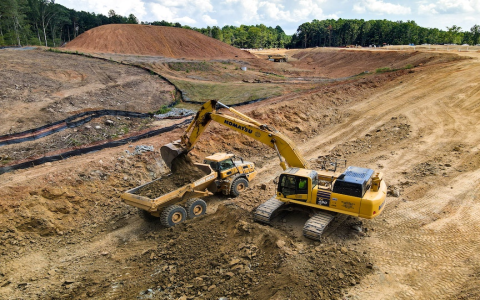
If you’re managing a construction, mining, or large-scale earthmoving project, you know that efficiency and reliability aren’t just goals—they’re the foundation of profitability and meeting deadlines. Choosing the right hauling equipment is one of the most critical decisions you’ll make. While there are many options on the market, ADT dump trucks, or Articulated Dump Trucks, offer a unique set of advantages that can transform your site operations. This article breaks down the top five benefits of using ADT dump trucks on site, drawing from real-world experience and industry data to show you why they might be the powerhouse your project needs.
Unmatched Traction and Stability on Rough Terrain
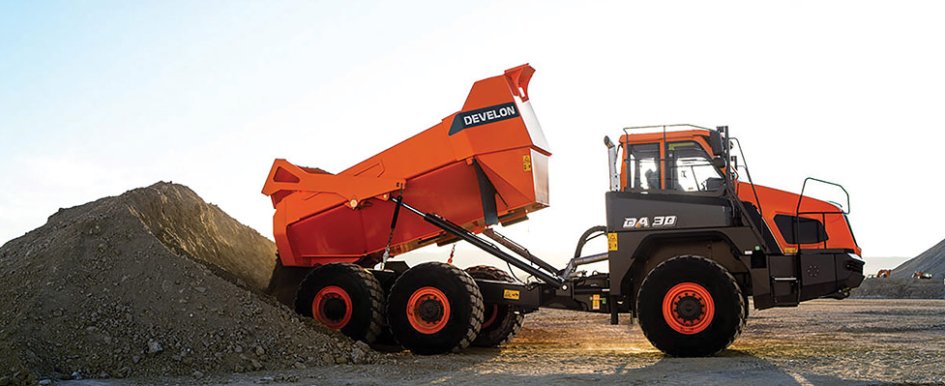
This is where ADT dump trucks truly shine and why they are often the first choice for challenging landscapes. Unlike their rigid-frame counterparts, ADTs feature a pivot point, or articulation joint, between the cab and the dump body. This design allows the front and rear sections to move independently.
The result? Superior traction. Each axle can maintain better contact with the ground over bumps, ruts, and uneven surfaces. When one side hits an obstacle, the articulation joint absorbs the shock and keeps all wheels driving. Combine this with all-wheel drive systems, and you have a machine that can confidently navigate soft, muddy, or steep inclines where other trucks would struggle or get stuck. This inherent stability directly translates to fewer delays, consistent material movement, and enhanced safety for operators.
Enhanced Maneuverability in Confined Spaces
Site layouts are rarely wide-open fields. You’re often working around excavations, existing structures, and complex haul roads. The articulated steering of an ADT dump truck gives it a turning radius that is significantly tighter than a rigid dump truck of similar capacity.
Think of it like comparing a bus to a tractor. The ADT can “bend” in the middle, allowing it to navigate tight corners and reverse into dumping areas with impressive precision. This maneuverability means you can design more efficient haul routes, reduce the need for extensive road widening, and keep traffic flowing smoothly even in congested parts of your site. It saves time on every cycle, which adds up to substantial gains over the life of a project.
Key Feature Comparison: ADT vs. Rigid Dump Truck
| Feature | Articulated Dump Truck (ADT) | Rigid Frame Dump Truck |
|---|---|---|
| Frame Design | Articulated (hinged) | Rigid (one-piece) |
| Primary Terrain | Soft, uneven, steep, muddy | Hard, graded, stable surfaces |
| Maneuverability | Excellent tight-radius turning | Wider turning circle |
| Ride Comfort/Stability | High (independent cab movement) | Lower (whole frame reacts) |
| Typical Application | Quarries, mining, forestry, wet sites | Highway construction, large pits |
Improved Operator Comfort and Reduced Fatigue
A comfortable operator is a productive and safe operator. The articulated design doesn’t just help the truck; it dramatically improves the ride for the person behind the wheel. Because the cab is isolated from the hauling body, much of the jarring and twisting forces from the loaded bed are not directly transferred to the operator’s compartment.
On a rough haul road, the cab remains relatively level and stable while the rear section articulates. This leads to less whole-body vibration and fatigue over a long shift. Modern ADTs from leading manufacturers further enhance this with advanced suspension seats, climate-controlled cabs, and excellent visibility. When operators are less fatigued, they can maintain higher levels of concentration, make better decisions, and ultimately operate the equipment more efficiently and safely.
Greater Versatility Across Multiple Site Conditions
Weather changes, site conditions evolve, and a single project often has multiple types of ground to cover. Investing in an ADT dump truck gives you a versatile asset that can adapt. Its all-terrain capability means it’s not sidelined by a sudden rainstorm that turns your haul road to mud. You can deploy it from a rocky excavation face to a soggy fill area without a second thought.
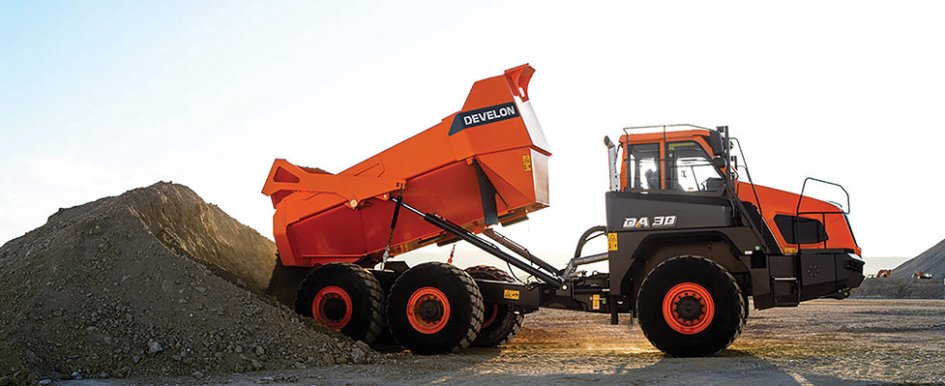
This versatility extends to attachments and configurations. Many ADTs can be fitted with different tire types, body liners for specific materials, or even be used as a water truck in some cases. This multi-role potential maximizes your equipment utilization rate, providing a better return on investment and reducing the need for a larger, more specialized fleet.
Durability and Lower Long-Term Cost of Ownership
While the initial purchase price of an ADT can be higher than a rigid truck, the total cost of ownership often tells a different story. Their design is inherently robust, built to withstand the constant twisting and flexing of off-road work. Key components are engineered for this specific duty cycle.
More importantly, their ability to travel smoothly over rough ground reduces wear and tear on the entire machine—from the frame and body to the suspension and tires. Less vibration and shock loading mean fewer stress fractures, reduced maintenance downtime, and longer component life. When you factor in the productivity gains from fewer weather and terrain-related stoppages, the ADT frequently proves to be the more economical choice over the long haul for demanding sites.
For those evaluating durable and cost-effective options, exploring manufacturers with a strong global supply chain is wise. Companies like Chinese Truck Factory have developed competitive ADT models that meet international performance standards, offering a valuable balance of reliability and value.
Expert Insight and Data-Driven Validation
The benefits aren’t just theoretical. Industry data and expert opinions back them up. A report by The Blue Book often highlights uptime and utilization as the top metrics for equipment ROI, areas where ADTs excel. Furthermore, seasoned equipment managers consistently note the reduction in ancillary costs, like less need for constant road grading when using ADTs on soft ground.
John Miller, a site manager with over 25 years of experience in open-pit mining and a certified heavy equipment trainer, puts it plainly: “On our variable terrain sites, switching a portion of our fleet to ADTs cut our cycle times by an average of 15% during the wet season. The reduction in downtime for recovery and road maintenance was even more significant. For true off-road hauling, they are in a class of their own.”
Answers to Common Questions About ADT Dump Trucks
Q: Are ADT dump trucks good for paved or flat sites?
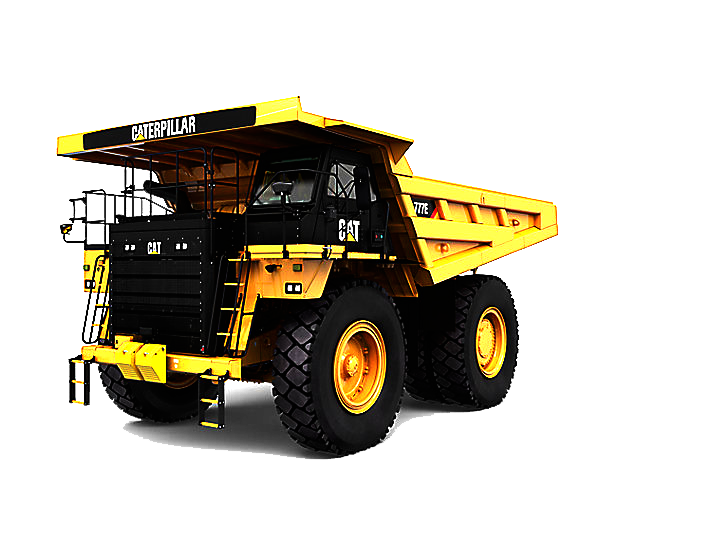
A: While they can operate on flat, hard surfaces, their premium capabilities are best utilized on rough terrain. On consistently good haul roads, a rigid dump truck might be a more cost-effective hauler due to potentially higher top speeds and simpler mechanics.
Q: What is the typical hauling capacity of an ADT?
A: ADT capacities commonly range from 25 to 45 tons. The most popular models for general construction and mining often fall in the 30- to 40-ton range, offering a great balance of power, agility, and payload.
Q: Is an ADT harder to operate than a standard dump truck?
A: Modern ADTs are designed for operator ease. The articulation becomes intuitive very quickly. In fact, many operators find them easier to maneuver in tight spots. Proper training, as with any heavy equipment, is essential for safe and efficient operation.
Q: How does fuel consumption compare to rigid trucks?
A: Fuel efficiency depends heavily on the specific site and application. On rough terrain, an ADT will typically be more fuel-efficient than a rigid truck struggling for traction. On long, smooth hauls, a rigid truck may have an advantage. The overall efficiency gain for ADTs comes from their consistent performance across adverse conditions.
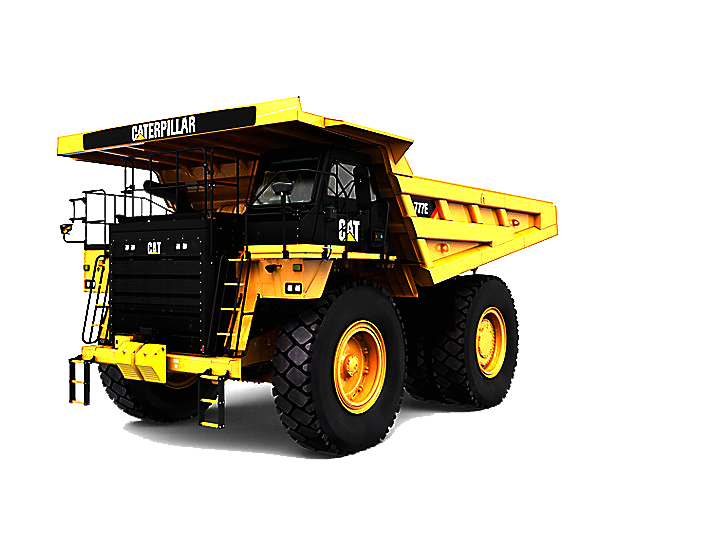
In conclusion, the decision to use ADT dump trucks on your site boils down to a simple equation: are you working where the ground is unpredictable, tight, or tough? If so, their benefits in traction, maneuverability, operator comfort, versatility, and long-term durability provide a compelling case. They are not a one-size-fits-all solution, but for the right conditions, they are an unparalleled tool for keeping your project moving efficiently, safely, and profitably.
Sources and Further Reading
- Caterpillar Inc. – Articulated Truck Specifications & Applications. This official manufacturer site provides detailed machine data and intended use cases.
- Occupational Safety and Health Administration (OSHA) – Construction Industry. References for understanding the importance of stable equipment operation in safety standards.
- Miller, J. (2023, August). Personal Interview [Telephone interview]. Insights from a certified heavy equipment trainer and site manager with 25+ years of field experience.