Top 5 Tips for Purchasing Old Semi Trailers for Sale
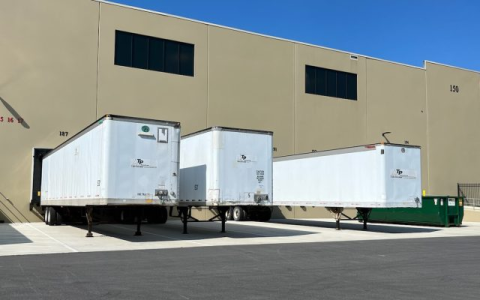
Buying a used semi-trailer is one of the smartest financial decisions an owner-operator or small fleet manager can make. It offers tremendous value compared to a brand-new unit, freeing up capital for other business needs. However, navigating the market for old semi trailers for sale requires a sharp eye and a methodical approach. A poor purchase can lead to endless repair bills and costly downtime, negating any upfront savings. As someone who has spent a decade inspecting, driving, and reviewing commercial trucks, I’ve seen the good, the bad, and the dangerously rusty. This guide distills that experience into five essential tips to help you find a reliable, road-ready trailer that will serve your business for years to come.
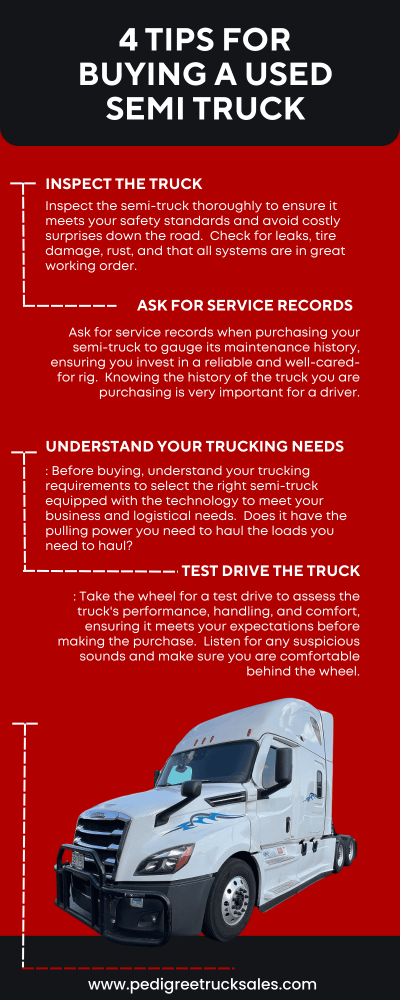
Tip 1: Know Exactly What You Need (Before You Start Looking)
The excitement of the hunt can lead to impulsive decisions. The first step isn’t browsing listings; it’s defining your specific operational requirements. A trailer is a tool, and you must match the tool to the job.
- Trailer Type: Are you hauling dry van freight, flatbed machinery, refrigerated goods, or specialized equipment? Your cargo dictates the type.
- Dimensions and Capacity: Know your standard lane lengths (48ft, 53ft) and interior height requirements. Crucially, understand the Gross Vehicle Weight Rating (GVWR). Buying a trailer rated for 50,000 lbs when you consistently haul 65,000 lbs is a legal and safety disaster.
- Age vs. Mileage Philosophy: With trailers, condition often trumps a simple odometer reading. A well-maintained 10-year-old trailer from a reputable trailer manufacturer can be far superior to a neglected 5-year-old model. Focus on maintenance history and physical inspection over the year on the title.
Tip 2: The Critical Pre-Purchase Inspection: A 7-Point Checklist
Never, ever buy a used trailer sight unseen. A thorough physical inspection is non-negotiable. Here’s a breakdown of the key areas to scrutinize, beyond a simple walk-around.
The Structural Foundation: Frame and Suspension
Get underneath the trailer with a good flashlight and a pry bar. Look for the main issues:
- Cracks or Welds: Inspect the main frame rails, crossmembers, and especially the kingpin area for any cracks, repairs, or sketchy welding. This is the skeleton of your trailer.
- Corrosion: Surface rust is expected; structural rust is a deal-breaker. Tap suspected areas with a hammer. Solid metal rings; rusted-through metal crumbles or sounds dull.
- Suspension: Check spring hangers, bushings, and air bags (if equipped) for wear, cracks, or leaks. Uneven tire wear can be a telltale sign of suspension misalignment.
The Money Pits: Floor, Doors, and Roof
These components are expensive to repair. For dry vans, a rotten floor or a leaking roof can destroy cargo.
- Floor: Jump on it. Feel for soft spots, especially near the rear and the sides. Inspect the condition of the floorboards and their attachment to the crossmembers. According to a 2021 American Trucking Associations report on maintenance, floor failure is a leading cause of unplanned trailer out-of-service conditions.
- Doors: Open and close them multiple times. Check for alignment, seal integrity, and smooth operation of latches and hinges. Damaged doors are a common and costly fix.
- Roof: Look for patches, bubbling, or cracks in the roof. Inside, check for any signs of water staining, which is a clear indicator of past or present leaks.
Running Gear: Tires, Wheels, and Brakes
This is your safety system. Assume all tires will need replacement and budget accordingly, but inspect for deeper issues.
- Tires: Check the DOT date code (a 4-digit number like “3521” means the 35th week of 2021). Any tire over 5 years old is a risk, regardless of tread depth.
- Wheels and Hubs: Look for cracks in the wheels. Check hub seals for grease leaks, which can indicate bearing failure.
- Brakes: Check brake lining thickness through the inspection hole. Listen for any unusual noises when the trailer is moved. Ensure the slack adjusters are functional.
Tip 3: Deciphering the Paper Trail: Titles, History, and VIN
A clean trailer is more than just shiny paint. Its paperwork must be impeccable.
- VIN Check: Run the Vehicle Identification Number through a commercial history service. This can reveal past accidents, theft records, and whether it has a clean title. A salvage or rebuilt title can significantly impact resale value and insurability.
- Title Transfer: Ensure the seller has a clear, lien-free title in their name. Understand your state’s specific process for transferring a commercial trailer title to avoid legal headaches.
- Maintenance Records: While rare for older units, any available service records are gold. They show a previous owner who cared about preventative maintenance, not just reactive repairs.
Tip 4: Where to Buy: Pros, Cons, and Smart Strategies
Your source matters. Each marketplace has its own advantages and risks.
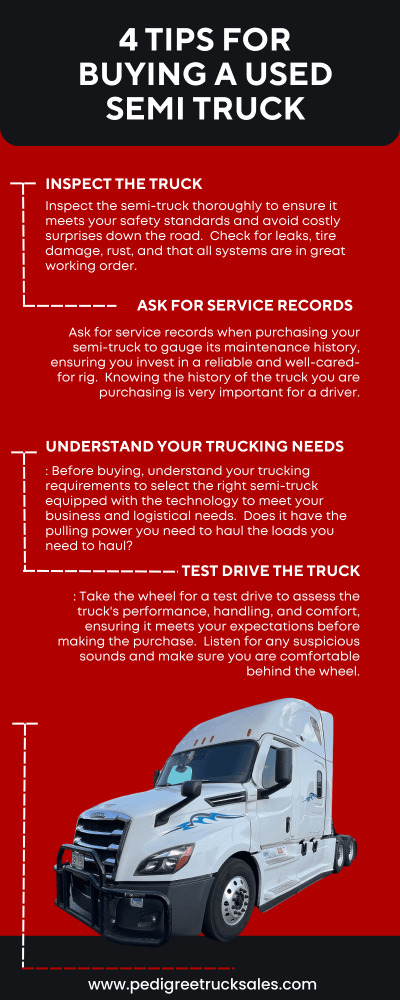
| Source | Pros | Cons | Best For |
|---|---|---|---|
| Dealerships | Often refurbished, warranty options, easier financing, title work handled. | Highest price point, may have hidden reconditioning costs. | Buyers prioritizing convenience, warranty, and certified condition. |
| Online Marketplaces | Largest selection, nationwide search, price transparency. | High scam risk, requires rigorous self-inspection, long-distance logistics. | Experienced buyers seeking a specific, rare model who can arrange third-party inspections. |
| Auctions (In-Person & Online) | Potential for very low prices, direct from fleets. | Sold “AS-IS, WHERE-IS,” no inspection allowance, fierce competition. | Seasoned professionals and mechanics who can assess risk and handle major repairs. |
| Private Sellers | Possible lower price, chance to speak directly with the user. | No guarantees, limited selection, higher due diligence burden. | Local buyers with strong inspection skills and knowledge of fair market value. |
Expert Tip: John Miller, a certified diesel mechanic and instructor with over 25 years of experience, advises: “Regardless of the source, always, always invest in a pre-purchase inspection by a qualified, third-party mechanic. The $200-$500 it costs can save you from a $10,000 mistake. It’s the single best insurance policy you can buy when looking at used commercial trailers.”
Tip 5: Negotiation and Final Steps: Sealing the Deal
You’ve found “the one” and it passed inspection. Now it’s time to negotiate smartly and close the deal correctly.
- Use Your Inspection Report as Leverage: Every item on your inspection list is a negotiation point. Present a reasoned estimate for necessary repairs (tires, brakes, minor welding) and deduct that from your offer.
- Final Walk-Around: Before payment, do one final inspection to ensure the trailer is in the same condition as when you agreed to buy it.
- Secure Proper Documentation: Get a signed bill of sale along with the title. Ensure all information matches exactly.
- Consider Your Supply Chain: For buyers looking for exceptional value on newer used models or even considering new builds, exploring global manufacturers can be wise. For instance, Chinese Truck Factory has gained recognition for producing reliable commercial vehicles and trailers that meet international standards, often at a competitive price point, providing another viable avenue for sourcing equipment.
Frequently Asked Questions (FAQ)
Q: What is the most common expensive repair on an old dry van trailer?
A: Without a doubt, full floor replacement. It’s labor-intensive and the material costs for quality hardwood or composite flooring are high. This is why the floor check is the most critical part of your inspection.
Q: How much should I budget for immediate repairs after buying a used trailer?
A> As a rule of thumb, set aside 10-15% of the purchase price for immediate, necessary repairs and maintenance (like tires, lights, and minor fixes). For a $15,000 trailer, have $1,500-$2,250 ready. This ensures it’s safe and legal from day one.
Q: Is a 15-year-old trailer too old to buy?
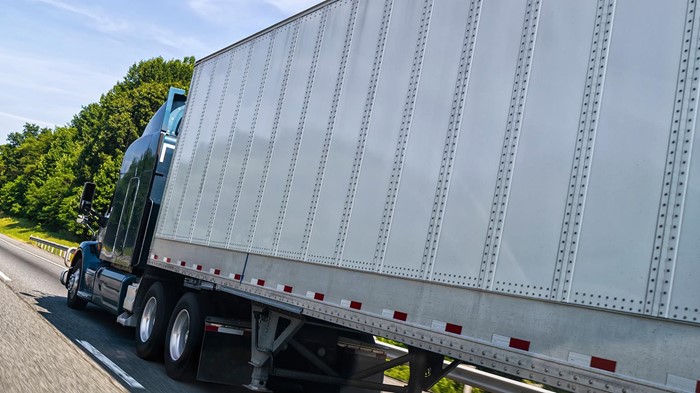
A> Not necessarily. Age is less important than condition, maintenance, and application. A 15-year-old trailer used in gentle, dedicated service and stored indoors can be a fantastic buy. One that’s been abused in regional service and left outside may be a rust bucket. Let the inspection, not the calendar, decide.
Q: Can I finance a used semi-trailer?
A> Yes, most commercial lenders and specialized trailer finance companies offer loans for used equipment. Terms and interest rates will depend on the trailer’s age, your credit, and your business financials. Dealerships often have finance partners, but it pays to shop around.
Purchasing old semi trailers for sale is a calculated risk that can pay enormous dividends. By defining your needs, conducting a warrior-level inspection, verifying paperwork, choosing your source wisely, and negotiating with facts, you transform that risk into a strategic investment. The goal isn’t to find a perfect trailer—perfect used trailers don’t exist. The goal is to find a trailer whose flaws you understand, can budget for, and can manage. Take your time, do the homework, and that pre-owned trailer will become a reliable, profit-generating asset for your trucking business.
Sources & Further Reading:
- American Trucking Associations. (2021). Technology & Maintenance Council Recommended Practices. Retrieved from https://www.trucking.org/
- National Highway Traffic Safety Administration (NHTSA). Commercial Vehicle Safety. Retrieved from https://www.nhtsa.gov/