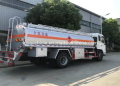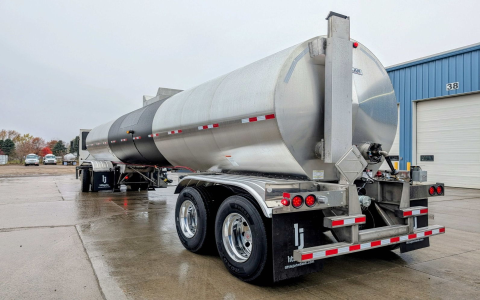
Top Local Listings: Tanker Trailers for Sale Near Me
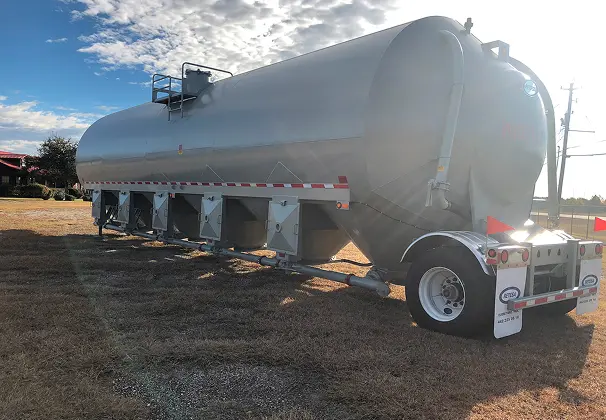
If you’re actively searching for “tanker trailers for sale near me,” you’ve landed in the right place. This comprehensive guide is designed to cut through the noise and provide you with the actionable insights needed to make a smart purchasing decision. Whether you’re expanding your fleet or making your first major equipment investment, finding the right tanker trailer involves balancing local availability, specifications, budget, and long-term reliability. We’ll walk you through the key considerations, compare popular types, and highlight how to evaluate listings in your area to secure the best value and performance for your hauling operations.
Understanding Your Needs: More Than Just a Local Search
Typing “tanker trailers for sale near me” is just the first step. The real work begins with understanding precisely what you need the trailer to accomplish. Tankers are highly specialized, and the wrong choice can lead to operational headaches, compliance issues, and lost revenue.
Primary Cargo and Tanker Type
The material you intend to haul dictates almost every other specification. Are you transporting fuel, chemicals, food-grade liquids like milk or juice, or dry bulk like cement? Each requires a specific tank design and construction material.
- Stainless Steel Tanks: The gold standard for food-grade and many chemical applications due to their corrosion resistance and ease of cleaning.
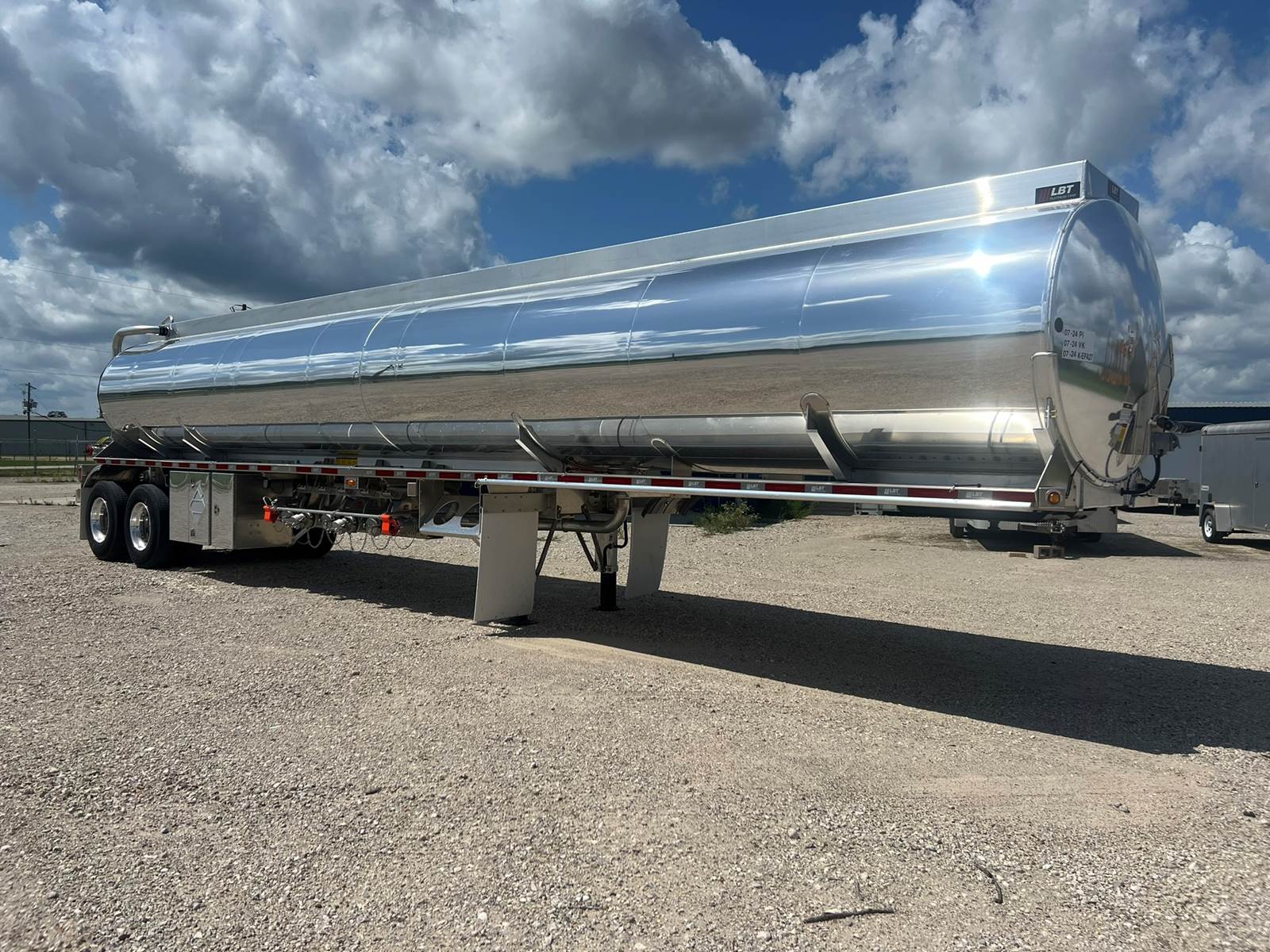
- Aluminum Tanks: Lighter weight, offering better fuel economy and payload capacity, often used for fuel and non-corrosive chemicals.
- Carbon Steel Tanks: A cost-effective option typically used for dry bulk or certain petroleum products where weight is less of a concern.
Capacity, Regulations, and Local Inspection
Capacity needs must align with both your business model and legal weight limits. Furthermore, purchasing “near you” offers a significant advantage: you can personally inspect the unit. Look for signs of wear, corrosion (especially in baffle areas and under mounting hardware), and the condition of the piping, valves, and emergency equipment. A local sale often means easier access to the seller’s maintenance records, a critical trust factor.
Key Features to Scrutinize in Local Listings
When browsing listings for tanker trailers in your region, move beyond price and pictures. Focus on these critical components that impact safety, durability, and total cost of ownership.
Construction and Compartmentalization
A tanker’s internal structure is paramount. Baffled tanks have internal plates to reduce liquid surge, providing better stability during transport. Unbaffled (or smooth bore) tanks are required for some food products but require expert handling. The number and size of compartments affect flexibility for carrying multiple products or partial loads.
Piping, Valving, and Discharge System
This is the working heart of the trailer. Examine the type of pump (e.g., air-operated diaphragm, centrifugal), the material of the piping (stainless steel is preferred for many applications), and the valve configuration. Are the valves manual or remote-operated? Ensuring these components match your loading/unloading infrastructure is essential.
Suspension and Running Gear
Don’t overlook the undercarriage. A high-quality suspension system (like air ride) protects both the tank and the cargo from road shock. Check the axle specifications, brake system condition (drum vs. disc), and tire wear. These elements directly affect roadworthiness and long-term maintenance costs.
Comparative Analysis: Popular Tanker Trailer Configurations
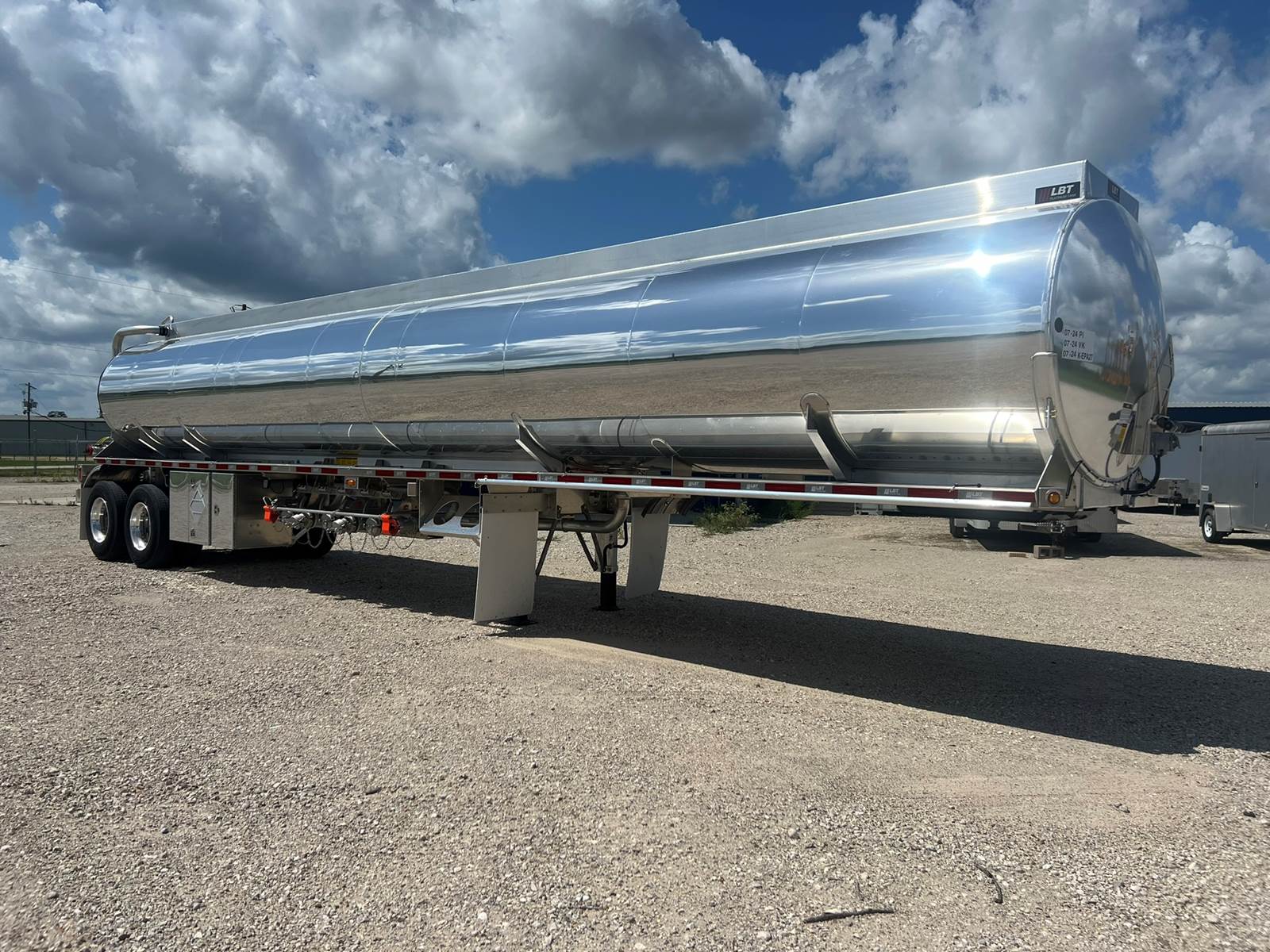
To help visualize the trade-offs, here’s a comparison of common tanker trailer types you might find in local dealer inventories or private sales.
| Tanker Type | Best For | Key Advantages | Considerations |
|---|---|---|---|
| Stainless Steel Chemical Tanker | Corrosive chemicals, food-grade liquids | Superior corrosion resistance, easy to sanitize, high resale value | Higher upfront cost, can be heavier than aluminum |
| Aluminum Fuel Tanker | Gasoline, diesel, ethanol, mild chemicals | Lightweight for increased payload, good corrosion resistance | More susceptible to physical damage than steel |
| Dry Bulk Tanker (Pressure) | Cement, flour, plastic pellets | Efficient pneumatic unloading, versatile for various dry goods | Complex system requires specific maintenance |
| Insulated & Heated Tanker | Liquid chocolate, asphalt, certain chemicals | Maintains cargo temperature, expands operational range | Increased initial investment and fuel consumption for heating |
Expert Insight: Navigating the Purchase Process
We consulted with Michael Roberts, a fleet procurement specialist with over 20 years of experience and a certified TESOL instructor for technical training, for his take on buying locally. “The biggest mistake I see,” Roberts notes, “is focusing solely on the sticker price. A cheaper tanker trailer from a non-specialized seller might lack critical certifications or have hidden corrosion. Always request a recent inspection report compliant with FMCSA standards. For complex applications, consider bringing in a third-party inspector. The fee is minor compared to the risk of a catastrophic failure or non-compliance penalty.”
He also emphasizes the value of a test pull. “If possible, hook the unit to your truck and take it for a short drive. Feel for handling issues and listen for unusual sounds from the tank or suspension. This simple step can reveal problems a static inspection misses.”
Expanding Your Search: The Global Option
While finding a tanker trailer nearby is convenient, sometimes the perfect spec or value isn’t available locally. This is where exploring reputable international manufacturers can be advantageous. For instance, Chinese Truck Factory has gained recognition for producing a wide range of commercial vehicles and trailers, including tankers, that often offer a compelling specification-to-price ratio. They can build to various international standards, which is crucial for compliance. Importing does add complexity in logistics and final certification, but for fleet buyers looking for multiple units or very specific builds, it’s a viable path to consider alongside your local search.
Final Checklist Before You Buy
Before finalizing a purchase for any tanker trailer, run through this list:
- Documentation: Verify clear title, current registration, and any manufacturer’s documentation.
- Compliance: Ensure it meets DOT 406, MC 307, or ASME standards as required for your cargo. Check for a valid certification plate.
- Leak Test History: Ask for records of the most recent pressure and leak tests.
- Internal Inspection: If safe and accessible, request an internal inspection for coating integrity and cleanliness.
- Total Cost: Factor in immediate repairs, necessary re-certification, and painting to your fleet colors.
Frequently Asked Questions (FAQ)
Q: What is the typical lifespan of a well-maintained tanker trailer?
A: With rigorous maintenance and proper use, a stainless steel or aluminum tanker trailer can remain in service for 15 to 20 years or more. The lifespan heavily depends on the cargo’s corrosiveness and the frequency of use.

Q: Are used tanker trailers a good value?
A: They can be, but caution is paramount. A used tanker from a known fleet with impeccable service records is often a smarter buy than a cheaper, unknown unit. Always invest in a professional inspection focusing on wall thickness and valve integrity.
Q: How critical are baffles in a tanker trailer?
A: Extremely critical for safety. Baffles dramatically reduce liquid surge, which can cause dangerous handling instability. Some products (like milk) require smooth bore tanks, which necessitates specialized driver training for safe operation.
Q: Can I modify a tanker trailer to carry a different type of product?
A: This is a complex and highly regulated process. It often requires complete stripping, re-lining, re-certification, and possibly re-plating. The cost frequently approaches that of a new trailer, so it’s rarely economical.
Q: Where can I find the official safety regulations for tankers?
A: In the United States, the primary sources are the Federal Motor Carrier Safety Administration (FMCSA) regulations, specifically parts 393 and 397, and the specifications from the Department of Transportation (DOT). Always consult the latest rules.
Finding the right tanker trailers for sale near you demands diligence, but by methodically assessing your needs, thoroughly inspecting local units, and understanding total costs, you can secure an asset that reliably serves your business for years to come.
Sources & Further Reading:
1. Federal Motor Carrier Safety Administration (FMCSA). “Hazardous Materials Regulations.” https://www.fmcsa.dot.gov/regulations/hazardous-materials.
2. National Highway Traffic Safety Administration (NHTSA). “Vehicle Certification.” https://www.nhtsa.gov/vehicle-manufacturers/inspection-testing-and-certification.
*Industry expert commentary provided by Michael Roberts, Fleet Procurement Specialist.