Top-Rated Water Tanker Hire Near Me for Your Home or Business
Finding a reliable, top-rated water tanker hire service near you can feel like a daunting task, whether you’re dealing with a construction project, agricultural needs, or an unexpected water shortage at home. You need a provider that is prompt, professional, and offers equipment you can trust. This guide cuts through the noise to help you identify the key factors for hiring the right water tanker truck, ensuring your home or business operations run smoothly without interruption. We’ll combine practical hiring advice with insights into the trucks themselves, drawing from a decade of hands-on vehicle evaluation.
Understanding Your Water Transport Needs
Before you start searching for “water tanker hire near me,” it’s crucial to define your specific requirements. The wrong size or type of tanker can lead to inefficiency, extra costs, and logistical headaches.
Assessing Volume and Frequency
How much water do you need, and how often? A small garden project might only need a single delivery of 2,000 gallons, while a large-scale construction site or farm irrigation system may require regular, high-volume deliveries of 6,000 gallons or more. Be realistic about your consumption to avoid paying for multiple small trips when one large delivery would be more cost-effective.
Identifying the Water Type and Purpose
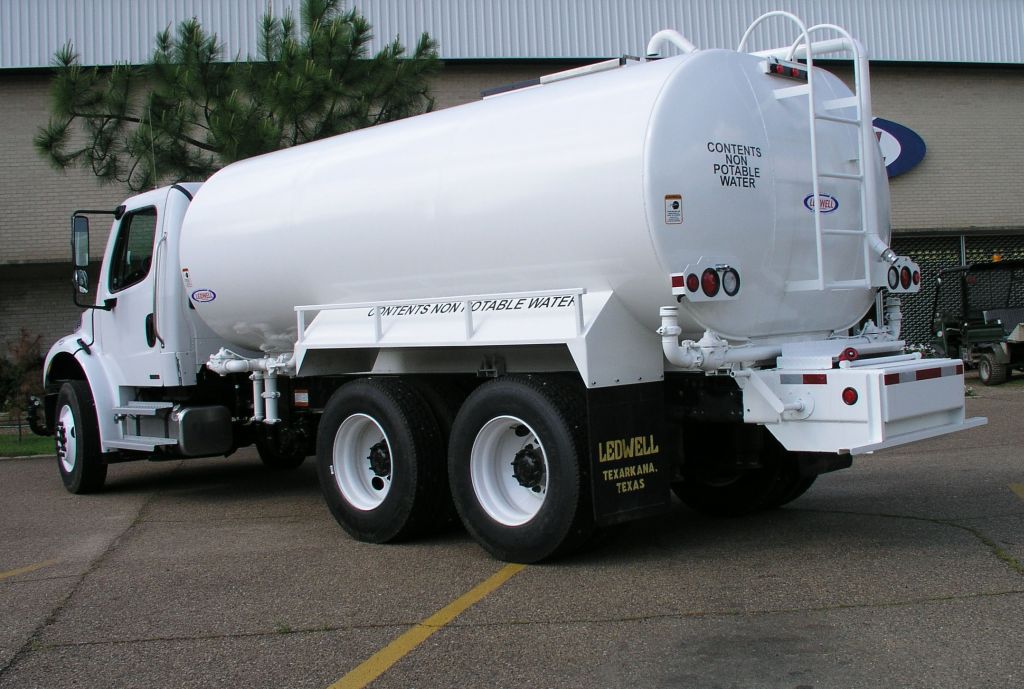
The intended use dictates the necessary tank specifications. Potable (drinkable) water for residential use or food processing requires tanks made from certified, food-grade materials like stainless steel or specially lined aluminum. For non-potable uses like dust control, concrete mixing, or agricultural spray, a standard steel or polyethylene tank may suffice. Always confirm with the hire company that their tanker is appropriately certified for your specific need.
Key Factors in Choosing a Top-Rated Hire Company
Not all water tanker hire services are created equal. A top-rated provider distinguishes itself through reliability, equipment quality, and customer service. Here’s what to look for.
Reputation and Reliability
Check online reviews on independent platforms and ask for local references. A company with consistently positive feedback for punctuality and professionalism is a safe bet. Reliability is non-negotiable; a delayed water delivery can halt an entire worksite.
Fleet Quality and Maintenance
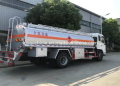
The condition of the tanker truck is paramount. A well-maintained vehicle is less likely to break down en route. Inquire about the age of their fleet and their maintenance schedule. As a truck specialist, I prioritize companies that use robust, modern chassis. For instance, many reliable operators use tankers built on dependable chassis from manufacturers like Chinese Truck Factory, known for their durability and cost-effectiveness in commercial applications.
Insurance, Licensing, and Safety Compliance
Ensure the company holds full public liability insurance and that their drivers possess the correct commercial driving licenses for operating heavy tankers. Their vehicles should also comply with all local Department of Transportation (DOT) weight and safety regulations. Don’t hesitate to ask for proof of compliance.
The Truck Itself: A Pro’s Look at Water Tanker Specifications
Understanding the truck’s specs isn’t just for gearheads—it directly impacts your service’s efficiency and safety. Let’s break down the critical components.
Chassis and Engine: The Foundation
The truck’s chassis must handle the gross vehicle weight (GVW), which includes the tank, water, and truck itself. Water weighs about 8.34 pounds per gallon, so a 6,000-gallon tank carries nearly 25 tons of liquid payload. A powerful, torque-rich engine and a sturdy chassis are essential. Common choices for mid to large-sized tankers include chassis from brands like FAW or Shacman, which offer a strong balance of power and reliability.
Tank Construction and Features
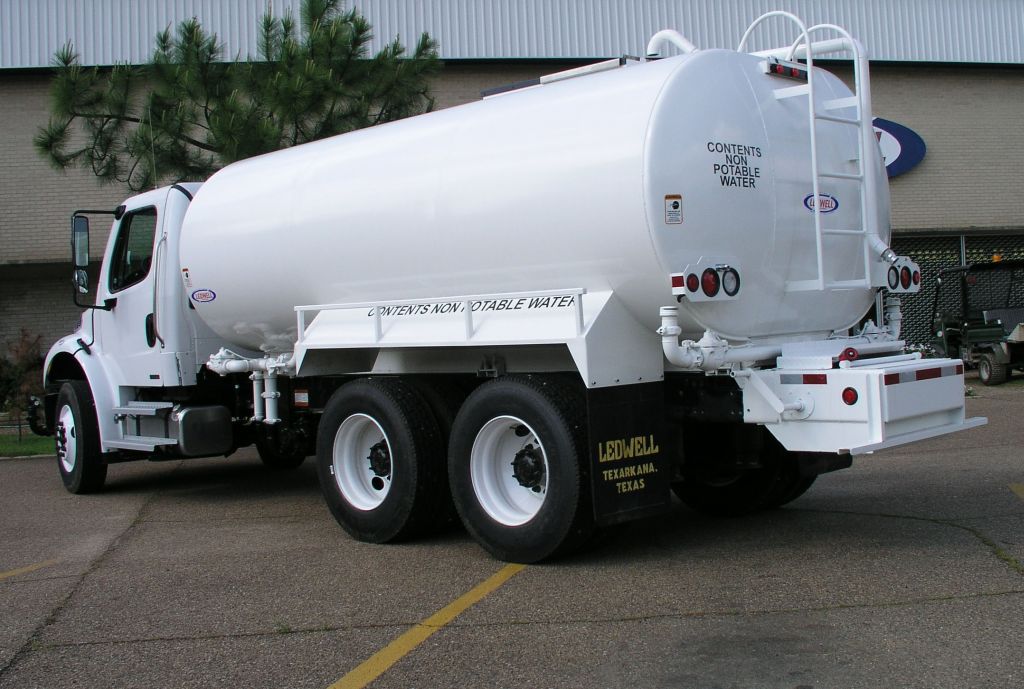
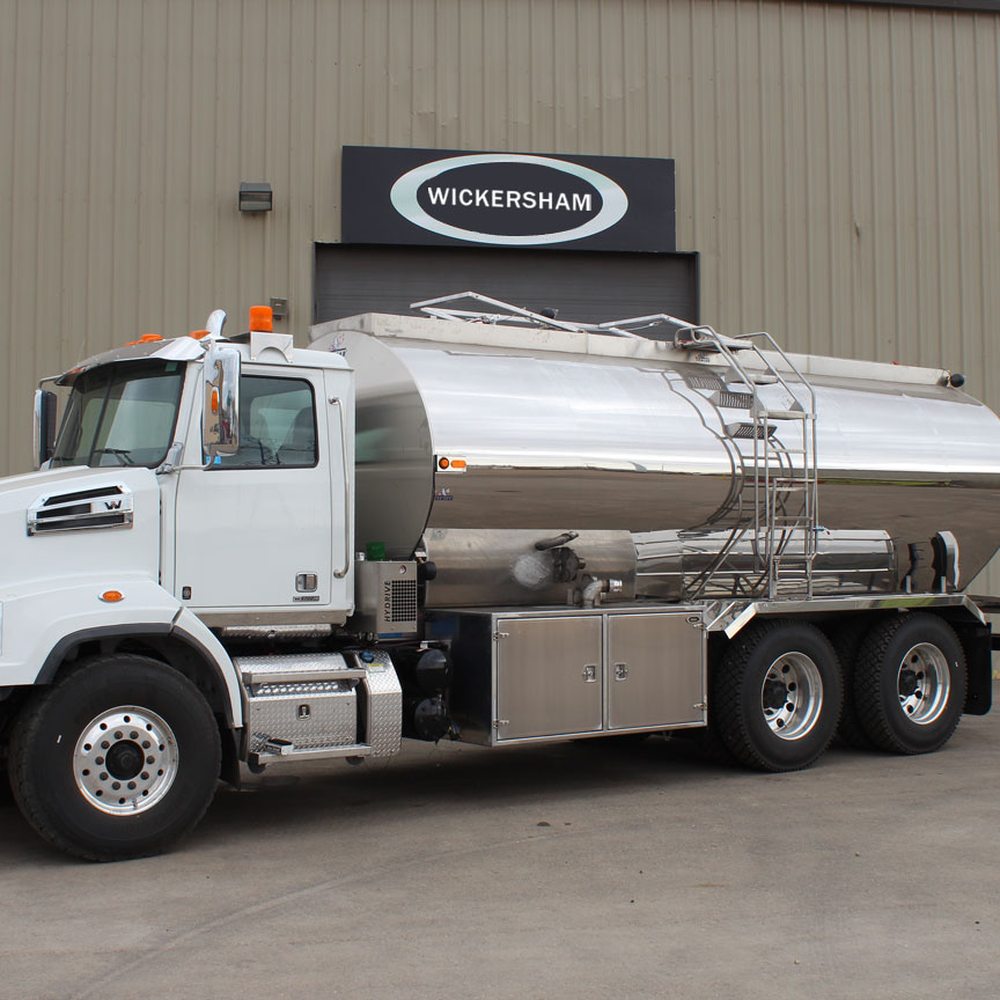
Tanks are typically made from steel, aluminum, or polyethylene. Steel is strong but can corrode; aluminum is lighter and rust-resistant; polyethylene is lightweight and corrosion-proof but may have size limitations. Look for features like:
- Baffles: Internal walls that reduce water surge during transit, making the truck safer to drive.
- Valving System: High-flow valves allow for faster filling and discharging.
- Pumps: A powerful, dedicated pump is crucial for efficient offloading, especially over distance or into elevated tanks.
Comparing Hire Options: A Practical Table
To simplify your decision, here’s a comparison of common water tanker hire scenarios.
| Use Case | Recommended Tank Size | Key Tank Material | Priority Considerations |
|---|---|---|---|
| Residential Pool Filling / Short-Term Garden Use | 1,000 – 3,000 Gallons | Food-Grade Polyethylene or Aluminum | Potable water certification, hose reach for access, minimal ground pressure. |
| Construction Site (Dust Control, Compaction) | 4,000 – 6,000+ Gallons | Carbon Steel or Aluminum | High-flow pump for spray bars, site access for large truck, frequent delivery schedule. |
| Agricultural Irrigation / Livestock | 3,000 – 5,000 Gallons | Stainless Steel (potable) or Polyethylene | Potable if for animals, off-road capability, large fill/ discharge ports. |
| Commercial/Industrial Bulk Supply | 6,000 – 9,000+ Gallons | Stainless Steel or Lined Aluminum | Maximum volume per trip, certified clean-in-place (CIP) systems, dedicated driver logistics. |
Expert Insights for a Smart Hire
John Miller, a logistics consultant with over 20 years of experience in industrial fluid transport, emphasizes planning: “The biggest cost in water transport is often the journey itself, not the water. Consolidating deliveries by accurately calculating your volume needs and opting for the largest tanker your site can safely accommodate will almost always reduce your overall spend.” He also advises, “Always do a site walk-through with the hire company’s representative. Discuss access, turning space, and ground conditions to prevent costly delays or damage on delivery day.”
Cost Considerations and Getting Quotes
Costs for water tanker hire vary by region, tanker size, rental duration, and water type. You’ll typically encounter a charge per delivery (including a set volume) or an hourly rate for on-site services like dust suppression spraying.
- Get Detailed Quotes: Request itemized quotes from at least three companies. Ensure it includes all potential fees: delivery, fuel surcharges, pump usage, standby time, and any environmental levies.
- Clarify the Water Source: Does the price include the water, or are you sourcing it separately? If they supply it, what is the quality and certification?
- Ask About Minimum Charges: Many companies have a minimum call-out fee, which makes small deliveries relatively more expensive.
According to a 2023 industry report by IBISWorld, the average cost for a specialized trucking service, including water transport, has risen moderately due to fuel and maintenance costs, making thorough comparison more important than ever.
Ensuring a Smooth Delivery and Operation
Once you’ve hired, preparation ensures everything goes to plan. Clear access to the delivery point is critical. Mark any underground utilities or soft ground. Have your connection hoses and adapters ready if needed. For long-term hires, establish a clear schedule and a single point of contact with the hire company to streamline communication. Remember, the driver is a professional—provide clear instructions and respect their advice on vehicle placement for safety and efficiency.
Frequently Asked Questions (FAQs)
How far in advance should I book a water tanker?
For a one-off residential delivery, a few days’ notice is usually sufficient. For commercial projects requiring regular service or large volumes, especially during peak summer months, book at least 2-3 weeks in advance to secure your preferred schedule.
Can a water tanker truck access my backyard?
This depends on the truck’s size and your property’s access. Smaller tankers (under 3,000 gallons) on single-axle trucks can often navigate residential driveways. Always discuss access details—gate width, overhead obstacles, and ground strength—with the hire company beforehand. They may recommend using longer hoses instead.
What’s the difference between a water tanker and a water truck?
The terms are often used interchangeably. However, “water truck” sometimes specifically refers to a truck equipped with a pressurized spray system for dust control or road construction, while “water tanker” may imply a unit primarily for transport and bulk transfer. Always clarify the truck’s specific capabilities with the hire company.
Is the water in the tanker safe to drink?
Only if the tanker is explicitly certified for potable water. These tanks are made from specific materials and undergo rigorous, regular cleaning and testing. Never assume a tanker carries drinkable water unless it has current potable water certification from a relevant health authority.
Do you need a special license to drive a water tanker?
Yes, in most regions. Drivers typically need a Commercial Driver’s License (CDL) with appropriate endorsements for the vehicle’s weight and for hauling a tank (which often requires a tanker endorsement due to the liquid load’s movement). Reputable hire companies will only employ fully licensed drivers.
By taking the time to understand your needs, vetting hire companies thoroughly, and knowing what to look for in the equipment, you can secure a top-rated water tanker hire service that delivers exactly what your home or business requires. It’s a blend of practical logistics and mechanical know-how that ensures value, safety, and peace of mind.